


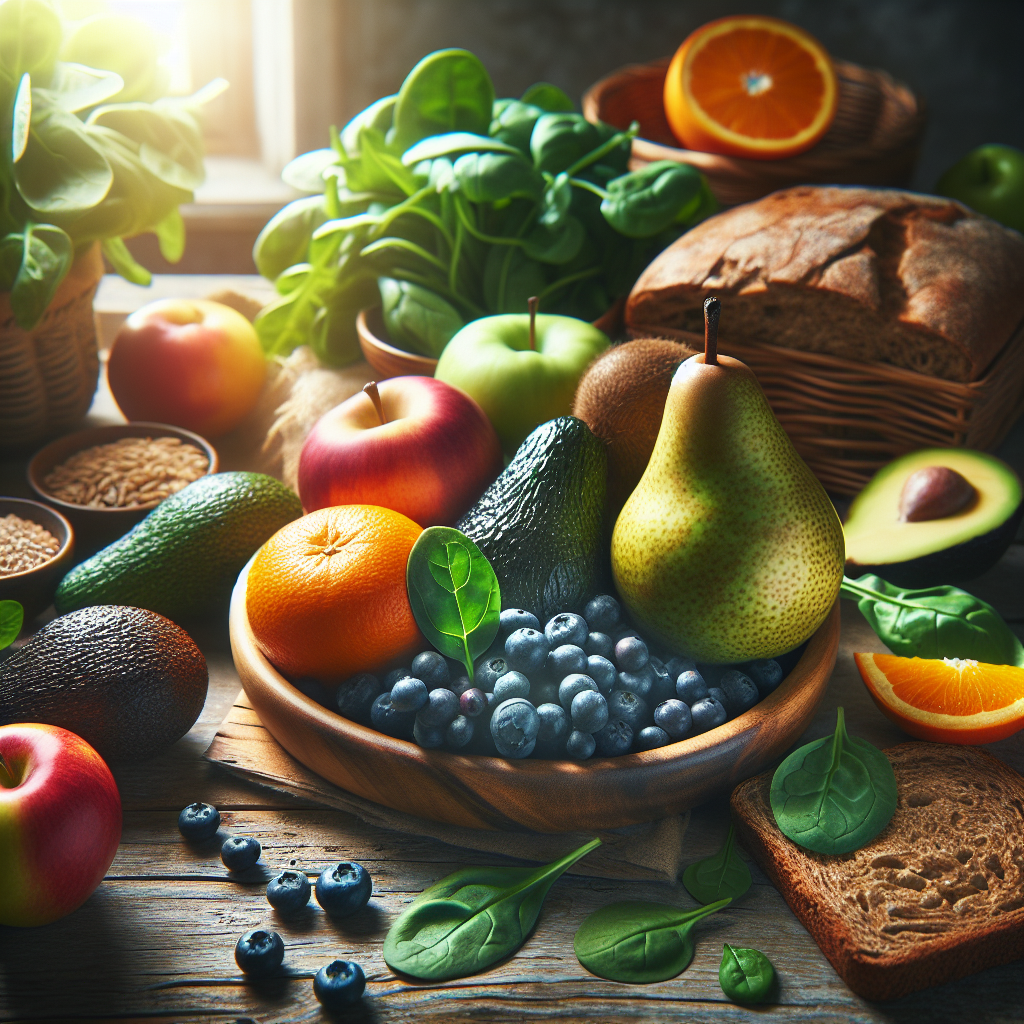
Organic nutrition is gaining recognition as a powerful ally in promoting overall wellness, particularly through its role in detoxification. But how exactly does it work? Understanding how organic nutrition supports detox pathways is vital for anyone looking to enhance their health. The truth is that organic foods are often packed with nutrients that help the body eliminate toxins, improve metabolic functions, and restore balance.
In this article, we will explore the various ways How Organic Nutrition Supports Detox Pathways, including the benefits of organic fruits, vegetables, and other whole foods. By the end, you will have a comprehensive understanding of how these foods can facilitate the body’s natural detoxification processes.
The Connection Between Nutrition and Detoxification
Nutrition plays an essential role in the body’s detoxification system, which consists of the liver, kidneys, and lymphatic system. These organs work tirelessly to filter out harmful substances and eliminate waste. However, the efficiency of these systems can be significantly enhanced through proper nutrition.
When discussing How Organic Nutrition Supports Detox Pathways, it’s important to recognize that organic foods are typically free from synthetic pesticides, fertilizers, and other harmful additives. This purity allows the body to focus on detoxification without the added burden of processing chemicals.

Some key benefits of organic nutrition in detoxification include:
– **Fewer chemicals**: Organic produce contains fewer pesticide residues, reducing the toxin load on the liver.
– **Higher nutrient content**: Organic foods often have higher levels of vitamins, minerals, and antioxidants, aiding in cellular repair and detox processes.
– **Support for gut health**: Organic foods are rich in fiber, promoting healthy digestion and regular elimination, which are crucial in detoxification.
How Organic Nutrition Supports Detox Pathways
Understanding How Organic Nutrition Supports Detox Pathways requires a look at the specific nutrients involved in detoxification.
Key Nutrients for Detoxification
1. **Antioxidants**: These compounds neutralize free radicals, reducing oxidative stress and supporting liver function. Foods like berries, leafy greens, and nuts are excellent sources.
2. **Fiber**: Found in whole grains, fruits, and vegetables, fiber aids digestion and helps to eliminate toxins. It also promotes a healthy gut microbiome, essential for effective detoxification.
3. **Vitamins and Minerals**: Vitamins B, C, and E, along with minerals like magnesium and zinc, play critical roles in detoxification pathways. They support enzymatic reactions necessary for breaking down and excreting toxins.
4. **Phytochemicals**: These bioactive compounds, present in many organic plants, support liver health and enhance detoxification processes. Cruciferous vegetables like broccoli and kale are particularly rich in these beneficial compounds.
Real-World Examples of Successful Detoxification
Many individuals have successfully utilized organic nutrition to support their detoxification efforts. For instance, someone suffering from fatigue and digestive issues switched to a diet rich in organic fruits and vegetables. Within weeks, they reported increased energy levels and improved digestive health, demonstrating the profound impact of How Organic Nutrition Supports Detox Pathways.
Nutritional Components for Effective Detox
To effectively support detox pathways, it’s crucial to incorporate a diverse range of organic foods into your diet. Here’s a breakdown of essential components:
– **Leafy Greens**: Spinach, kale, and arugula are rich in chlorophyll, which aids in detoxifying the liver.
– **Citrus Fruits**: Lemons and limes enhance liver function and promote the production of detoxification enzymes.
– **Cruciferous Vegetables**: Broccoli, Brussels sprouts, and cauliflower contain compounds that help neutralize toxins.
– **Berries**: Packed with antioxidants, berries help combat oxidative stress and support overall health.
Practical Steps to Incorporate Organic Nutrition
Incorporating organic nutrition into your daily routine can be simple and effective. Here are some practical steps to follow:
1. **Choose Organic**: Opt for organic versions of the dirty dozen fruits and vegetables known to have higher pesticide residues, such as strawberries and spinach.
2. **Plan Your Meals**: Create meal plans that focus on whole, organic foods to ensure you’re getting a variety of nutrients.
3. **Experiment with Recipes**: Discover new ways to prepare organic ingredients. Smoothies, salads, and stir-fries are excellent options for including a range of detox-supportive foods.
4. **Stay Hydrated**: Drinking plenty of water and herbal teas can help facilitate the detoxification processes.
References and Resources
These resources provide valuable information about How Organic Nutrition Supports Detox Pathways. Check them out for additional insights:
Authoritative Sources on How Organic Nutrition Supports Detox Pathways
-
Role of Nutrition in Detoxification
NCBI.nlm.nih.govThis article discusses the critical role of nutrition in detoxification and offers insights into effective dietary practices.
-
Vitamins and Minerals Overview
ods.od.nih.govA comprehensive resource on the importance of vitamins and minerals for health, including their role in detoxification.
-
Benefits of Organic Produce
Organic.govThis government site outlines the benefits of organic foods, emphasizing their importance in health and wellness.
-
The Health Benefits of Organic Foods
health.harvard.eduA research-backed examination of the health benefits associated with organic foods.
-
Dietary Fiber and Detoxification
NCBI.nlm.nih.govResearch discussing the role of dietary fiber in detoxification and overall health.
-
Organic Foods: Health Benefits and Risks
webmd.comAn overview of the health benefits of organic foods, including their role in detoxification.
-
Understanding Detoxification
eatright.orgA resource explaining what detoxification is and how nutrition can support the body’s natural processes.
-
Phytochemicals and Detoxification
sciencedirect.comAn academic exploration of how phytochemicals contribute to detoxification processes.
Frequently Asked Questions
What are detox pathways?
Detox pathways refer to the various biological processes through which the body eliminates toxins. These include enzymatic reactions in the liver, filtration by the kidneys, and the expulsion of waste through the intestines and skin.
How Organic Nutrition Supports Detox Pathways in daily life?
Incorporating organic foods into your daily diet can enhance detox pathways by providing essential nutrients, reducing toxin intake, and promoting a healthy gut. By focusing on organic fruits, vegetables, and whole grains, you can support your body’s natural detoxification processes effectively.
What are some foods that support detoxification?
Foods that support detoxification include leafy greens (like spinach and kale), cruciferous vegetables (such as broccoli and Brussels sprouts), citrus fruits (like lemons and oranges), and high-fiber foods (such as beans and whole grains).
Is organic food really better for detox?
Yes, organic food is often considered better for detox because it contains fewer pesticides and chemicals, which can burden the body’s detoxification systems. Organic foods are also typically richer in nutrients that support health and detoxification.
How can I start incorporating organic nutrition into my diet?
Start by choosing organic produce for the dirty dozen, planning meals around whole, organic foods, and experimenting with recipes that include a variety of detox-supportive ingredients. Gradually, you can shift your diet to include more organic options.
Conclusion
In conclusion, understanding How Organic Nutrition Supports Detox Pathways is crucial for anyone looking to enhance their overall wellness. By incorporating organic foods into your diet, you can significantly support your body’s natural detoxification processes.
Remember, the journey to better health starts with the choices you make every day. By focusing on whole, organic foods, you empower your body to detoxify efficiently and promote lasting wellness. Whether it’s through increased energy levels or improved digestion, the benefits of organic nutrition are vast and invaluable. So, why not start today? Your body will thank you!
Huge Discount on the Best Certified Organic Nutrient Dense Supplement!


Find out more information about “How Organic Nutrition Supports Detox Pathways”
Search for more resources and information: