


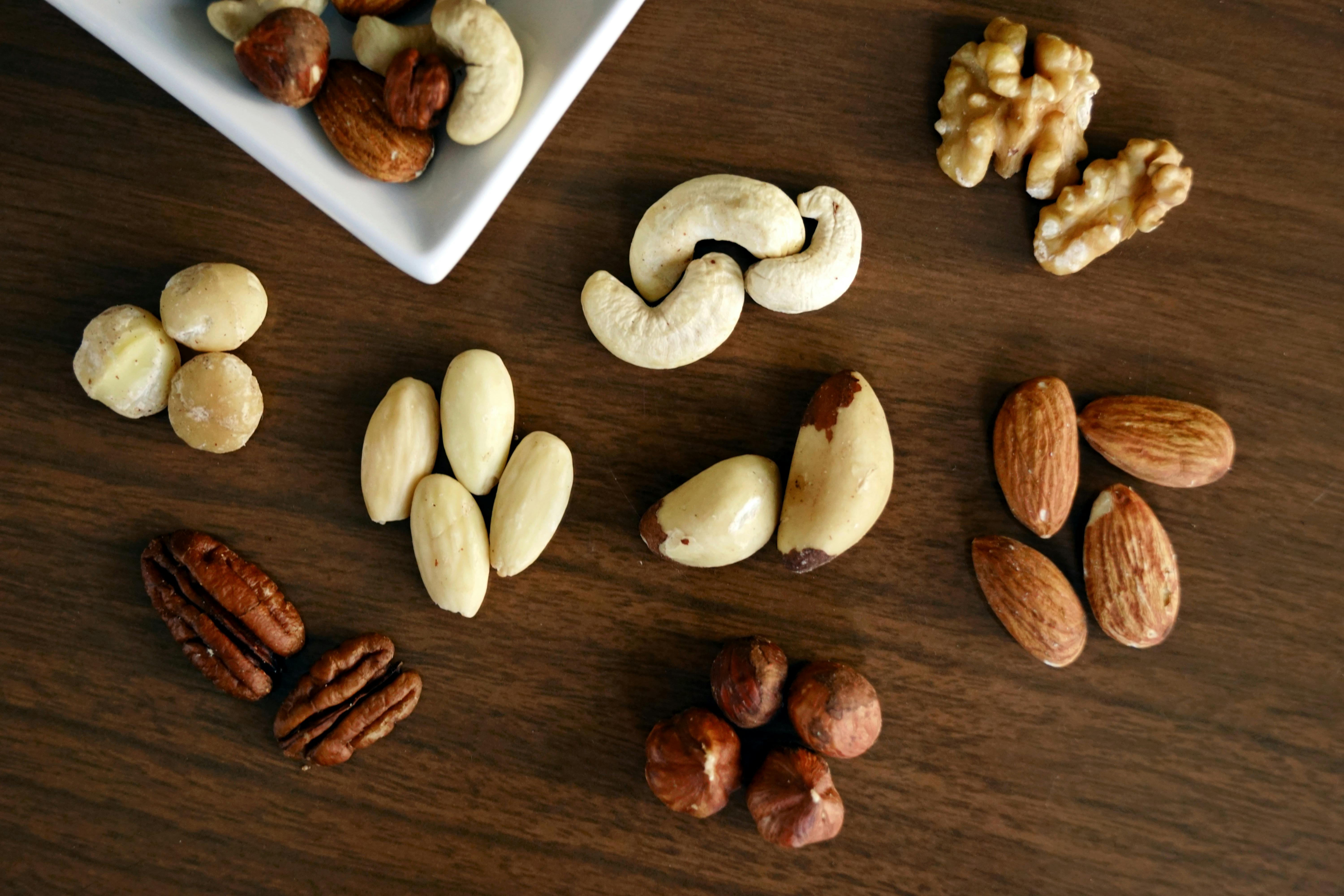
The Real Reason Whole Foods Improve Energy
Are you feeling sluggish and low on energy? You might want to reconsider your diet. The Real Reason Whole Foods Improve Energy lies in their nutrient density and the way they nourish our bodies. Whole foods, which include fruits, vegetables, whole grains, nuts, and legumes, are packed with essential vitamins, minerals, and antioxidants that can significantly elevate your vitality. In this article, we will explore not just the benefits, but also the science behind The Real Reason Whole Foods Improve Energy and how you can incorporate them into your daily routine for a more energized life.
By the end, you’ll have a clear understanding of why choosing whole foods over processed options can make a profound difference in your energy levels. Let’s dive in!
Understanding Whole Foods
Whole foods are unrefined and unprocessed, meaning they retain their natural state, making them healthier options compared to their processed counterparts.
The Characteristics of Whole Foods


– **Minimal Processing**: Whole foods are generally found in their natural state. For example, an apple is a whole food, while apple juice is processed.
– **Rich in Nutrients**: They are loaded with vitamins, minerals, and antioxidants essential for health. For instance, leafy greens are rich in iron and calcium.
– **Fiber Content**: Whole foods are high in dietary fiber, which aids digestion and helps maintain stable energy levels.
– **Natural Sugars**: The sugars found in whole foods, such as fruits, provide a quick energy source without the crash associated with refined sugars.
These characteristics make whole foods not just a choice, but an essential part of a healthy lifestyle.
Nutritional Benefits of Whole Foods
The nutritional benefits of whole foods cannot be overstated. They provide a plethora of health advantages that contribute to overall well-being.
Key Nutritional Benefits
1. **Improved Metabolism**: Whole foods support a healthy metabolism due to their nutrient-rich profiles.
2. **Enhanced Digestive Health**: The high fiber content aids digestion, reducing bloating and promoting regularity.
3. **Stable Energy Levels**: Unlike processed foods, whole foods provide sustained energy, preventing spikes and crashes.
4. **Weight Management**: Feeling full longer helps in controlling appetite and maintaining a healthy weight.
Research indicates that incorporating whole foods into your diet can lead to a lower risk of chronic diseases and promote better health overall.
The Real Reason Whole Foods Improve Energy
When it comes to energy, many consider caffeine or energy drinks as the go-to solutions. However, The Real Reason Whole Foods Improve Energy is much more profound and sustainable.
Energy-Boosting Components of Whole Foods
– **Complex Carbohydrates**: These release energy slowly, providing a steady fuel source. For example, quinoa and brown rice are excellent whole food choices.
– **Healthy Fats**: Foods like avocados and nuts contain essential fatty acids that support brain function and energy levels.
– **Vitamins and Minerals**: Nutrients like B vitamins play a crucial role in energy production, while magnesium is vital for muscle function and relaxation.
– **Hydration**: Whole foods, especially fruits and vegetables, have high water content, which is essential for maintaining energy levels.
By focusing on these components, individuals can experience a meaningful increase in energy that lasts throughout the day.
Integrating Whole Foods into Your Diet
Now that you understand The Real Reason Whole Foods Improve Energy, the next step is seamlessly integrating them into your daily meals.
Simple Steps to Incorporate Whole Foods
1. **Start with Breakfast**: Include oatmeal topped with fresh fruits and nuts for a nourishing start.
2. **Snack Smart**: Swap chips for carrot sticks or hummus for a healthy energy boost.
3. **Plan Your Meals**: Incorporate whole grains, lean proteins, and plenty of vegetables into your lunches and dinners.
4. **Stay Hydrated**: Drink plenty of water and include fruits with high water content, such as watermelon and cucumbers.
By making these small changes, you’ll not only enhance your energy levels but also improve your overall health dramatically.
References and Resources
These resources provide valuable information about The Real Reason Whole Foods Improve Energy. Check them out for additional insights:
Authoritative Sources on The Real Reason Whole Foods Improve Energy
-
Nutritional Benefits of Whole Foods
nih.govAn in-depth study on how whole foods impact overall health and energy levels.
-
Healthy Diet – WHO
who.intWorld Health Organization’s guidelines on healthy diets and the role of whole foods.
-
Nutrition and Health – CDC
cdc.govCDC resources on nutrition, emphasizing the importance of whole foods for energy and vitality.
-
Harvard’s Healthy Eating Plate
hsph.harvard.eduGuidelines on building a healthy plate with whole foods for optimal health.
-
Academy of Nutrition and Dietetics
eatright.orgProfessional advice on nutrition and the benefits of whole foods.
-
Healthline: Whole Foods
healthline.comInsights on what whole foods are and how they improve health and energy.
-
Dietary Guidelines – US Department of Agriculture
usda.govComprehensive dietary guidelines that highlight the importance of whole foods in a balanced diet.
Huge Discount on the Best Certified Organic Nutrient Dense Supplement!

-
Nutrition Research Journal
elsevier.comResearch articles discussing the relationship between diet and energy levels.

Frequently Asked Questions
What are whole foods?
Whole foods are foods that are unprocessed and unrefined, such as fruits, vegetables, whole grains, nuts, and seeds. They retain their natural nutrients and are essential for a balanced diet.
How do whole foods improve energy levels?
The Real Reason Whole Foods Improve Energy lies in their high nutritional value, including complex carbohydrates, healthy fats, and a variety of vitamins and minerals that help sustain energy levels throughout the day.
Can whole foods help with weight management?
Yes, whole foods can help with weight management as they are nutrient-dense and typically lower in calories compared to processed foods. Their high fiber content also promotes satiety, helping to control appetite.
What are the best whole foods to include in my diet?
Some of the best whole foods to include are fruits (like berries and apples), vegetables (like leafy greens and carrots), whole grains (such as quinoa and brown rice), and healthy fats (like avocados and nuts).
How can I start eating more whole foods?
Start by incorporating more fruits and vegetables into your meals, choosing whole grains over refined ones, and snacking on nuts and seeds instead of processed snacks. Meal prepping can also help make whole food choices easier.
Conclusion
Understanding The Real Reason Whole Foods Improve Energy is pivotal for anyone looking to enhance their vitality and overall well-being. Whole foods provide essential nutrients that not only fuel our bodies but also support long-term health. By swapping processed foods for whole options, you’re not just making a dietary change; you’re embarking on a journey toward a healthier, more energetic life.
As you incorporate more whole foods into your meals, you’ll likely notice improvements in your energy levels, mood, and even your overall health. So why wait? Start today and discover the transformative power of whole foods!
Huge Discount on the Best Certified Organic Nutrient Dense Supplement!
Find out more information about “The Real Reason Whole Foods Improve Energy”
Search for more resources and information: