
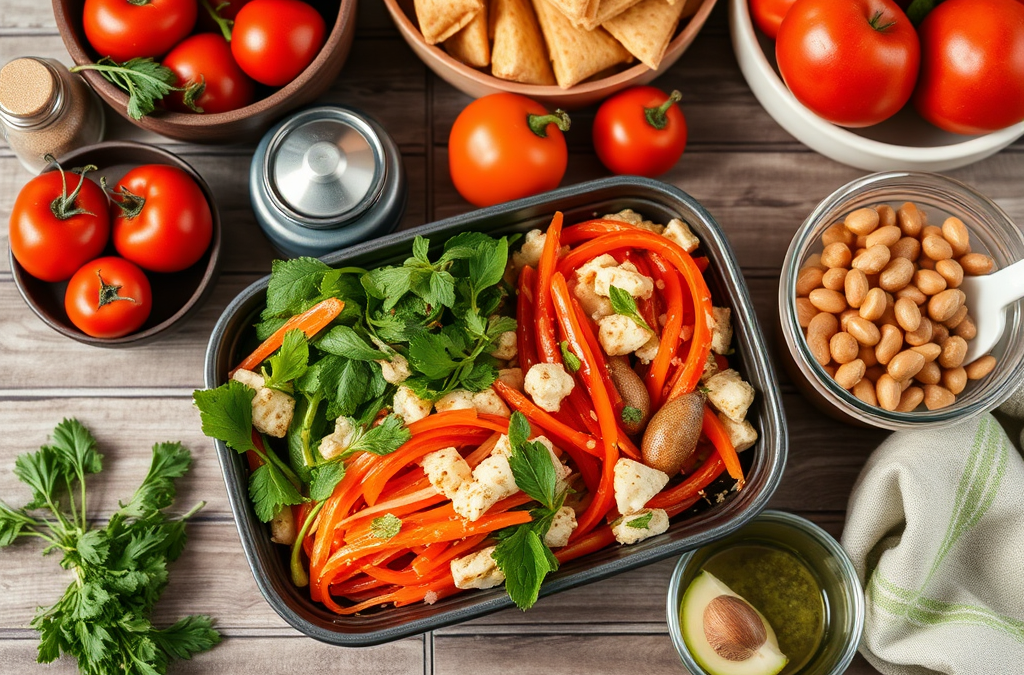
To meal prep with organic ingredients, start by selecting seasonal vegetables and high-quality proteins, then plan your meals around these items. Prioritize using fresh, locally sourced produce to enhance flavor and nutrition. A common mistake is not properly storing prepped meals, which can lead to spoilage. Ensure you use airtight containers and label them with dates to maintain freshness and safety.
Understanding Organic Ingredients
Organic ingredients are grown without the use of synthetic pesticides, herbicides, or fertilizers, making them a healthier choice for meal preparation. The benefits of using organic foods include reduced exposure to chemicals and a lower environmental impact. Choosing organic also often means supporting local farmers and sustainable practices.
When selecting organic ingredients, look for certifications such as the USDA Organic seal, which ensures that the food meets strict federal guidelines. Prioritizing organic fruits, vegetables, grains, and proteins can significantly enhance your meal prep by providing higher nutrient density and better flavor.

Common misconceptions about organic produce include the belief that it is always more expensive and less accessible. While some organic items can be pricier, many local markets offer competitive prices, especially for in-season produce. Shopping at farmers’ markets can also yield affordable organic options, allowing you to select the freshest ingredients.
Understanding Organic Ingredients matters because it turns meal prep with organic ingredients from a broad idea into a decision the reader can actually apply. The practical difference usually shows up in the details: how much is needed, when the choice is made, what tradeoff is acceptable, and what sign shows the approach is working. For nutrition topics, the strongest advice connects portion size, food quality, timing, and recovery instead of treating every meal as a fixed serving.
A useful way to handle this section is to compare the normal baseline with the situation that creates extra demand. If organic is the baseline concern, then ingredients becomes the adjustment point and meal becomes the outcome to watch. That keeps the advice specific without forcing the reader into a rigid formula that may not fit their routine, budget, tolerance, schedule, or current level of experience.
The most common mistake is changing too many variables at once. A better approach is to choose one measurable adjustment, use it consistently long enough to see a pattern, and then refine the next step based on energy, comfort, performance, safety, or reliability. This makes the guidance easier to trust because the reader can connect the recommendation to what they observe rather than guessing from a generic checklist.
The practical takeaway is to make the section actionable: identify the main constraint, choose the smallest useful change, and compare the result against the goal. When the outcome improves, the reader can keep the approach. When it does not, the next change should target the most likely bottleneck rather than repeating the same step with more effort.
Planning Your Meals
Effective meal planning is crucial when preparing meals with organic ingredients. Start by creating a weekly menu that incorporates a variety of food groups to ensure balanced nutrition. Aim for a mix of proteins, whole grains, and plenty of vegetables. By planning meals around what is in season, you not only save money but also benefit from the best flavors and nutrition.
Consider using a meal prep app or a simple spreadsheet to organize your meals and shopping list. This can help you track what you need and reduce food waste. Additionally, batch cooking can save time; for instance, prepare a large pot of quinoa or brown rice to use throughout the week in different meals.
A common mistake in meal prep is overcomplicating recipes or trying to use too many ingredients. Instead, focus on simple, versatile dishes like stir-fries or grain bowls, which can be customized with different toppings and sauces throughout the week.
Planning Your Meals matters because it turns meal prep with organic ingredients from a broad idea into a decision the reader can actually apply. The practical difference usually shows up in the details: how much is needed, when the choice is made, what tradeoff is acceptable, and what sign shows the approach is working. For nutrition topics, the strongest advice connects portion size, food quality, timing, and recovery instead of treating every meal as a fixed serving.
A useful way to handle this section is to compare the normal baseline with the situation that creates extra demand. If meal is the baseline concern, then meals becomes the adjustment point and prep becomes the outcome to watch. That keeps the advice specific without forcing the reader into a rigid formula that may not fit their routine, budget, tolerance, schedule, or current level of experience.
The most common mistake is changing too many variables at once. A better approach is to choose one measurable adjustment, use it consistently long enough to see a pattern, and then refine the next step based on energy, comfort, performance, safety, or reliability. This makes the guidance easier to trust because the reader can connect the recommendation to what they observe rather than guessing from a generic checklist.
Cooking Techniques for Meal Prep
Cooking techniques play a significant role in meal prepping with organic ingredients. Steaming, roasting, and sautéing are excellent methods that preserve nutrients while enhancing flavors. For instance, roasting vegetables caramelizes their natural sugars, creating a deliciously sweet and savory profile.
When preparing proteins, consider methods such as grilling or baking to maintain moisture and flavor. Marinating organic meats or tofu not only improves taste but also helps tenderize them. Incorporating herbs and spices can elevate your dishes without adding extra calories or preservatives.
Another effective technique is to cook in bulk. Prepare larger portions of stews, soups, and casseroles that can be easily reheated. This not only saves time but also ensures you have nutritious meals on hand for busy days. However, be cautious of overcooking, which can lead to nutrient loss and tougher textures.
Cooking Techniques for Meal Prep matters because it turns meal prep with organic ingredients from a broad idea into a decision the reader can actually apply. The practical difference usually shows up in the details: how much is needed, when the choice is made, what tradeoff is acceptable, and what sign shows the approach is working. For nutrition topics, the strongest advice connects portion size, food quality, timing, and recovery instead of treating every meal as a fixed serving.
A useful way to handle this section is to compare the normal baseline with the situation that creates extra demand. If meal is the baseline concern, then organic becomes the adjustment point and prep becomes the outcome to watch. That keeps the advice specific without forcing the reader into a rigid formula that may not fit their routine, budget, tolerance, schedule, or current level of experience.
Storage and Safety Tips
Proper storage is essential for keeping your organic meal prep fresh and safe. Use airtight containers to store prepared meals, and label them with dates to track freshness. Glass containers are often preferred as they do not leach chemicals and can be safely reheated.
When refrigerating meals, ensure they cool down to room temperature before sealing to prevent condensation, which can lead to spoilage. For longer storage, consider freezing portions of meals. Most cooked organic foods freeze well, but be aware that some vegetables may lose texture after thawing.
A common mistake is to keep meals in the refrigerator for too long, leading to food safety risks. Generally, prepared meals should be consumed within 3-4 days when refrigerated. Always check for signs of spoilage, such as off smells or discoloration, before consuming.
Storage and Safety Tips matters because it turns meal prep with organic ingredients from a broad idea into a decision the reader can actually apply. The practical difference usually shows up in the details: how much is needed, when the choice is made, what tradeoff is acceptable, and what sign shows the approach is working. For nutrition topics, the strongest advice connects portion size, food quality, timing, and recovery instead of treating every meal as a fixed serving.
A useful way to handle this section is to compare the normal baseline with the situation that creates extra demand. If meals is the baseline concern, then organic becomes the adjustment point and meal becomes the outcome to watch. That keeps the advice specific without forcing the reader into a rigid formula that may not fit their routine, budget, tolerance, schedule, or current level of experience.
The most common mistake is changing too many variables at once. A better approach is to choose one measurable adjustment, use it consistently long enough to see a pattern, and then refine the next step based on energy, comfort, performance, safety, or reliability. This makes the guidance easier to trust because the reader can connect the recommendation to what they observe rather than guessing from a generic checklist.
Frequently Asked Questions
What are the benefits of using organic ingredients for meal prep?
Using organic ingredients reduces exposure to harmful chemicals, often enhances flavor, and supports sustainable farming practices.
How do I store prepared organic meals?
Store prepared meals in airtight containers in the refrigerator or freezer, labeling them with dates to ensure freshness.
Can I freeze organic meals?
Yes, most cooked organic meals freeze well, but be cautious with certain vegetables that may lose texture after thawing.
What cooking methods are best for organic ingredients?
Steaming, roasting, and sautéing are excellent methods to preserve nutrients and enhance the flavors of organic ingredients.
How long can I keep prepared meals in the fridge?
Prepared meals should generally be consumed within 3-4 days when refrigerated to ensure safety and freshness.
Conclusion
Meal prepping with organic ingredients not only enhances your diet but also supports sustainable practices. By selecting high-quality ingredients, planning effectively, and utilizing proper cooking and storage techniques, you can create nutritious, delicious meals that are ready when you are. Focus on simplicity and freshness, and remember to enjoy the process of preparing wholesome food for yourself and your loved ones.
Huge Discount on the Best Certified Organic Nutrient Dense Supplement!