Oct 26, 2026 | Organic Nutrition
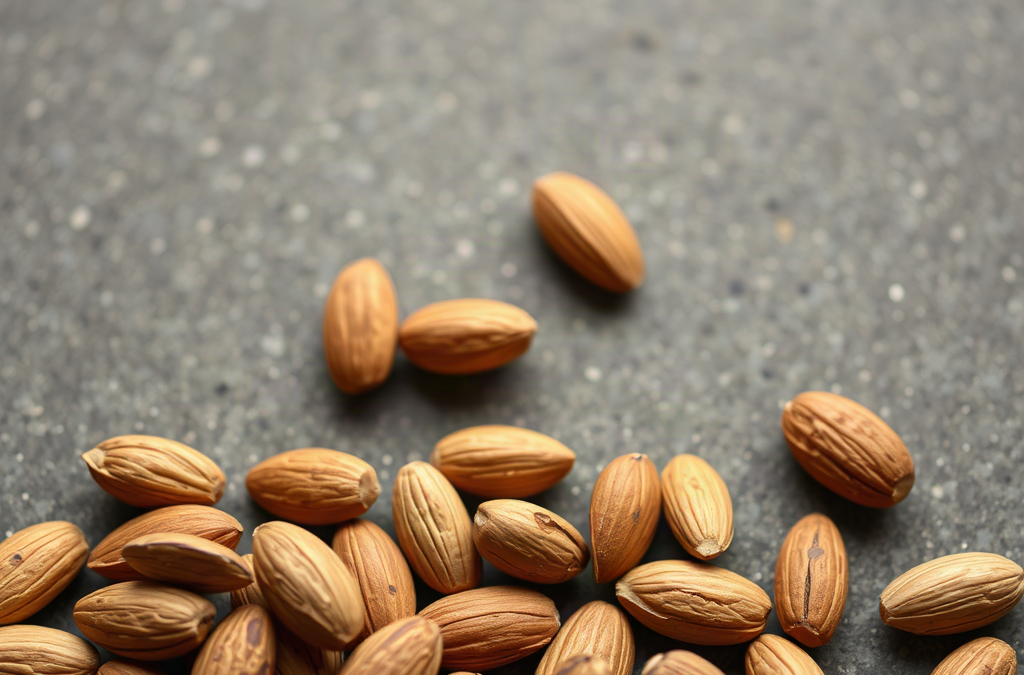
Organic almonds provide protein, fiber, and predominantly unsaturated fats in a compact whole-food serving, making them useful for snacks and meals that need greater staying power. A typical one-ounce portion offers about 6 grams of protein, 3 grams of fiber, and 14 grams of fat, although labels vary by product.
Oct 25, 2026 | Cooking, Healthy Eating
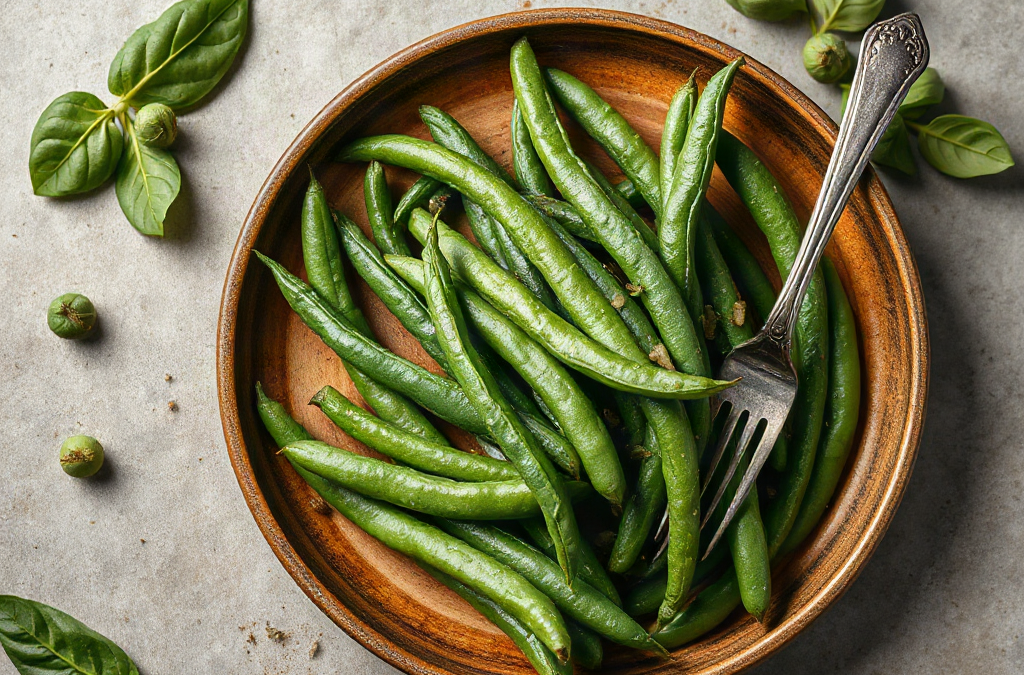
Green beans contribute fiber and make balanced plates easier to build when they are paired with a substantial protein food, a satisfying carbohydrate, and a modest source of fat. Their fiber and water add volume, but green beans alone do not supply enough protein, energy, or fat for a complete meal.
Oct 23, 2026 | Organic Nutrition
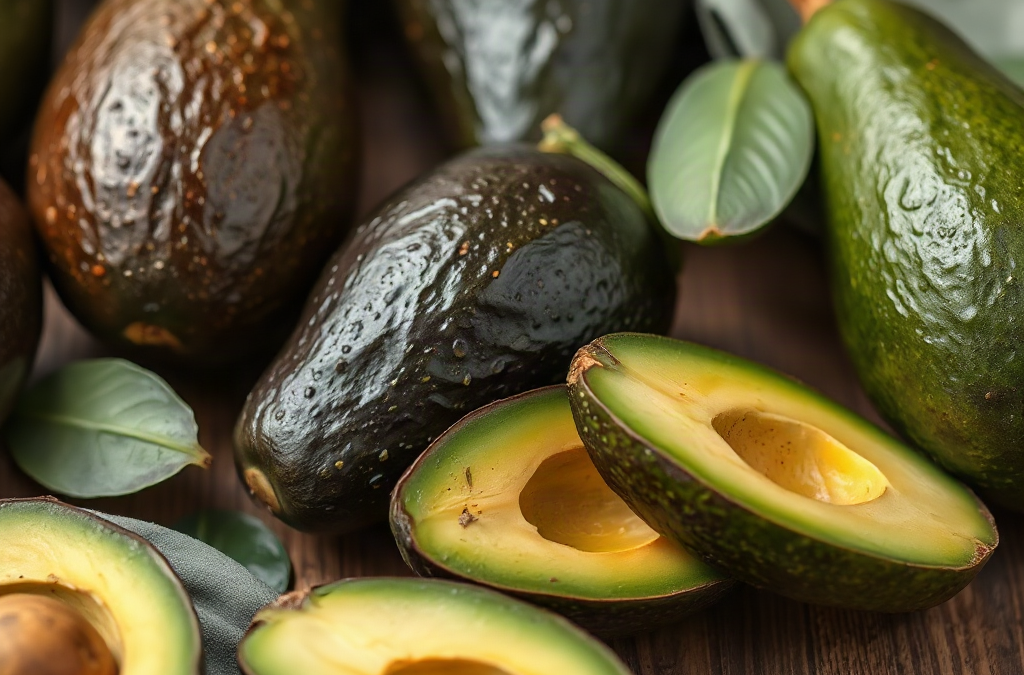
Organic avocado nutrition and ripeness decisions are best handled separately: organic certification describes how the fruit was produced, while firmness, color, stem condition, and intended use determine when it should be eaten. Avocados provide mostly unsaturated fat along with fiber, folate, potassium, and fat-soluble carotenoids, but ripening changes texture and…
Oct 22, 2026 | Healthy Cooking, Organic Nutrition
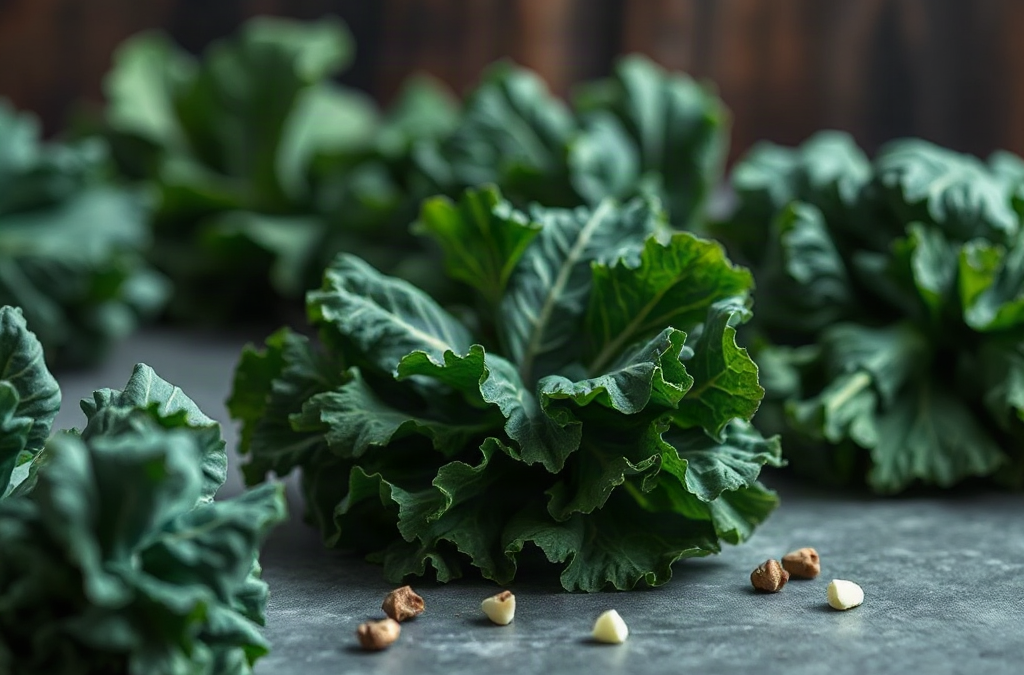
Organic kale preparation for better meal balance works best when the leaves are washed, stems are managed for the chosen dish, and the kale is paired with protein, carbohydrates, and dietary fat rather than served alone.
Oct 21, 2026 | Organic Nutrition
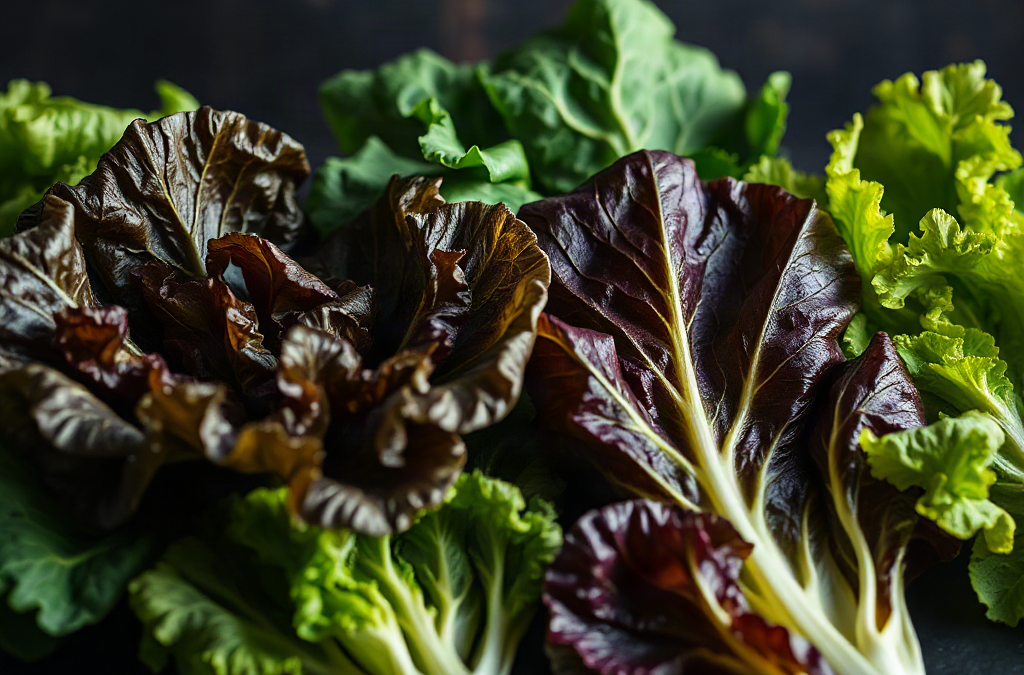
Organic lettuce varieties differ in nutrient density, with dark red and deep green leaves generally offering more carotenoids, folate, vitamin K, and protective plant pigments than pale inner leaves. Romaine, red leaf, green leaf, and butterhead are practical nutrient-rich choices, while iceberg contributes hydration and crispness but fewer micronutrients per serving.