Organic poultry labels beyond the organic seal require comparing production claims such as pasture-raised, free-range, no antibiotics, and humane treatment rather than treating them as interchangeable. The organic seal addresses certified production requirements, while extra claims may describe outdoor access, medication practices, feed, or animal-care standards with different definitions and verification methods. Check the exact wording, look for a certifier or recognized standard, and separate regulated claims from vague marketing language. A higher price may reflect slower-growing breeds, outdoor management, or third-party auditing, but the label alone does not prove every welfare or nutrition assumption shoppers may attach to it.
What the Organic Seal Tells You—and What It Does Not
The organic seal is a production standard, not a complete description of a chicken’s living conditions. Certified organic poultry must meet organic requirements covering feed, production practices, and prohibited inputs, but the seal by itself does not answer every question about outdoor time, stocking density, breed, slaughter handling, or the quality of a farm’s welfare program.
That distinction matters because shoppers often read several positive ideas into one package symbol. Organic does not automatically mean pasture-raised, continuously outdoors, locally farmed, or raised under a particular humane standard. A certified organic bird may have outdoor access under the applicable production system, yet the label alone will not tell you how often the birds used it, how much vegetation was available, or whether weather and predator concerns limited access.

Consider two packages carrying the organic seal. One may add a third-party humane certification and a clearly defined pasture claim; another may simply state organic chicken with no additional production detail. Both can satisfy the organic standard, while the extra information on the first package answers different consumer questions. The first label may offer more evidence about welfare or outdoor management, but it does not necessarily establish superior taste or nutrient content.
Use the seal as a starting point, then match added claims to your priority. If feed and organic production are your main concern, the seal may provide enough information. If living space, outdoor access, or handling practices matter more, investigate the wording beside it and the organization behind any certification. The related discussion of Organic poultry labels beyond the organic seal is most useful when each claim is assessed separately instead of bundled into one general impression.
How Outdoor Access and Living-Space Claims Differ
Outdoor-access language describes where birds may go, not necessarily how they spend most of their lives. Terms such as free-range, pasture-raised, and outdoor access can point to different management systems, and their meaning may depend on the certifier, producer, or standard referenced on the package. A responsible reading asks what physical access exists, how it is managed, and whether an independent body verifies the claim.
Free-range commonly signals access to the outdoors, but it does not by itself describe the size, condition, or vegetation of that area. Pasture-raised suggests a stronger connection to land and grazing space, yet consumers should still look for a defined standard rather than assuming every pasture claim represents the same rotation, shelter, or stocking practice. A farm may use pasture seasonally, while another may provide more extensive outdoor management throughout suitable weather.
Outdoor conditions create real tradeoffs. Birds raised with outdoor access may encounter soil, weather, parasites, and changing forage conditions, so producers need shelter, sanitation, predator controls, and careful flock management. Indoor systems can offer tighter control over climate and biosecurity, but a shopper who prioritizes natural movement may value a verified outdoor standard more highly. Neither label should be converted into an automatic conclusion about nutrition or safety.
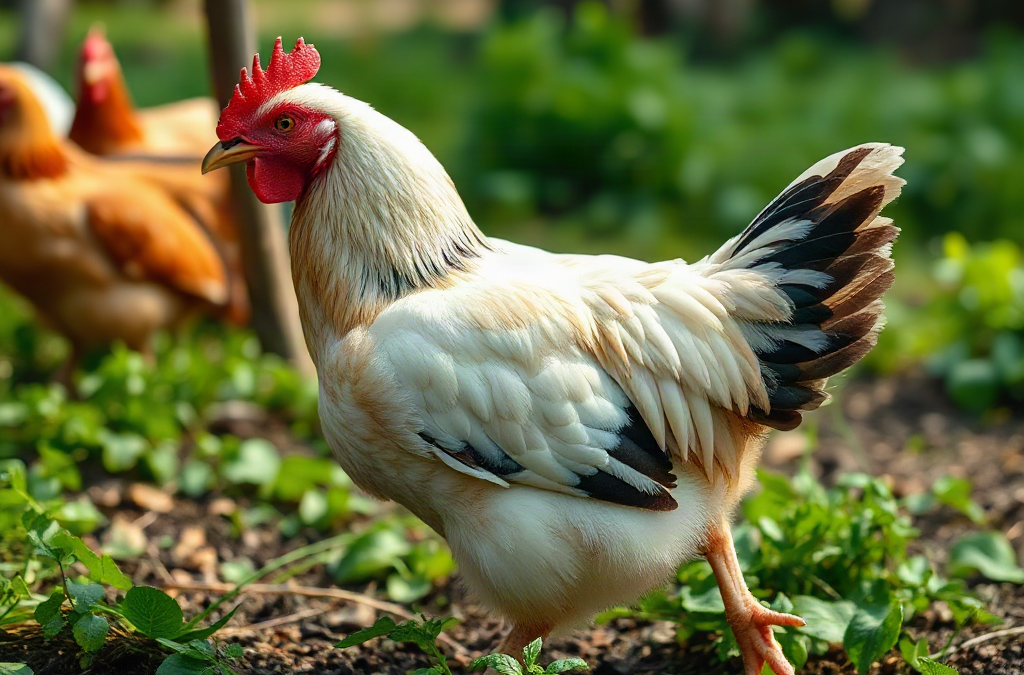
Look for specifics such as a certifier’s name, a recognized welfare program, or producer documentation describing access. A photograph of chickens on grass is not equivalent to a defined standard, and a farm story is not the same as third-party verification. When the package says only “raised naturally” or uses pastoral imagery without operational detail, treat the phrase as a weak buying signal. The practical comparison is not indoor versus outdoor as a moral shortcut; it is documented practice versus an attractive but uncheckable impression.
Reading Antibiotic, Hormone, Feed, and Welfare Language
Different label statements answer different production questions. “No antibiotics” addresses antibiotic use under the producer’s stated program, while organic certification also involves organic feed and other production requirements. “No added hormones” may appear persuasive, but hormone use is not an informative differentiator for poultry shopping because hormones are not permitted in poultry production in the United States. The phrase can therefore distract from more useful questions about feed, housing, verification, or handling.
Antibiotic language also requires careful interpretation. A claim about no antibiotics does not automatically describe whether a flock received other treatments, how illness was managed, or what happens if an individual bird becomes sick. Producers must balance disease control with animal welfare, and a label should not encourage shoppers to assume that avoiding one category of medication proves a farm has superior overall care. The strongest claims are paired with a clear standard or certification rather than standing alone in large print.
Feed statements can be more specific. Organic feed requirements are distinct from claims such as vegetarian-fed, non-GMO, or corn-free. Vegetarian-fed does not necessarily mean pasture-raised, and non-GMO does not establish organic certification. A package emphasizing one feed attribute may leave housing and welfare questions unanswered. Decide which feature matters to your household before paying more for a claim that does not address your actual priority.
Welfare labels deserve the same scrutiny. A third-party animal-welfare certification may set requirements for space, handling, enrichment, transport, or slaughter, but programs differ in scope. Read the standard or certification name when the distinction matters. Avoid the common mistake of treating “humane,” “farm-raised,” or “all natural” as a full welfare audit. Those phrases may sound reassuring while providing little operational detail. For a broader nutrition perspective, Organic poultry labels beyond the organic seal should be read alongside the actual ingredient panel and the product’s storage and cooking directions.
A Practical Cart-Side Label Checklist
The fastest way to compare poultry packages is to separate mandatory identity information from voluntary marketing claims. Start with the main certification, then examine the added statements in order of personal importance. This prevents a bright “pasture” or “no antibiotics” callout from making the entire package seem more informative than it is.
- Identify the certification. Note whether the organic claim carries the official seal, a certifier name, or only a general word such as natural.
- Define the extra claim. Ask whether free-range, pasture-raised, humane, or no antibiotics is explained by a standard, website, or certification mark.
- Check what is missing. A package may explain feed but say nothing about outdoor access, or describe access without welfare details.
- Compare like with like. Compare conventional, organic, and specialty products by cut, freshness, weight, and certification—not by package imagery alone.
- Verify the product condition. Claims do not replace checking the use-by information, intact packaging, refrigeration, and safe cooking instructions.
A useful scenario is a shopper choosing between an organic whole chicken with no additional claims and a higher-priced bird carrying organic, pasture-raised, and third-party welfare labels. The second product may better match a priority for documented outdoor management, but the decision is only worthwhile if the extra standard is meaningful to that shopper and fits the budget. Someone focused mainly on organic feed may reasonably choose the first bird and spend the difference on produce or other household needs.
When information is unclear, contact the producer or look up the certifier’s published standard rather than guessing. A missing explanation is not proof that the practice is poor, but it does reduce the label’s usefulness as a decision tool. Keep a note of brands whose documentation is clear; repeated buying becomes easier when the same claims can be verified consistently.
Price, Nutrition, and Responsible Buying Decisions
A premium poultry label can reflect more than feed. Smaller production scale, slower-growing birds, outdoor infrastructure, third-party audits, processing choices, and supply-chain separation may all add cost. The price difference does not prove that the meat contains dramatically more nutrients, tastes better, or is safer when handled poorly. Nutrition still depends on the cut, skin, portion, preparation method, and the rest of the meal.
For example, skinless organic breast and pasture-labeled thighs are not interchangeable nutrition choices simply because both carry appealing production claims. The breast may be leaner, while the thigh offers a different texture and may be more practical for a braise. A heavily seasoned or processed poultry item can also contain more sodium than a plain cut, regardless of whether the raw bird is organic. Read the Nutrition Facts panel when one is provided, especially for deli poultry, patties, sausages, and prepared entrées.
Food safety remains a separate responsibility. Organic, free-range, pasture-raised, and humane labels do not remove the need to keep raw poultry cold, prevent cross-contamination, and cook it using a reliable food thermometer. Outdoor exposure may influence farm management, but it is not a reason to treat a labeled product as ready to eat or safe to undercook. Safe handling protects the value of any production choice made upstream.
Prioritize the claim that answers your actual concern. Choose certified organic when organic production and feed standards are central; add a verified welfare or outdoor standard when those conditions justify the cost; and ignore decorative language that cannot be defined. Readers comparing options can also use Organic poultry labels beyond the organic seal as a reminder that a trustworthy package should make its meaningful claims specific enough to investigate.
Frequently Asked Questions
Does organic poultry automatically mean pasture-raised?
No. Organic certification and pasture-raised claims address different production details. Check for a separate pasture standard and information about how the claim is verified.
Is free-range poultry always better nutritionally?
Not necessarily. Nutrient differences can depend on the cut, feed, breed, and preparation, and the label alone does not establish a major nutritional advantage.
What does “no antibiotics” tell shoppers?
It describes an antibiotic-use claim, but it does not fully describe housing, welfare, feed, or illness-management practices. Look for supporting certification or producer details.
Does “no added hormones” distinguish poultry products?
Usually not in the United States, where hormones are not permitted in poultry production. Other claims, such as certified organic or verified welfare standards, may provide more useful distinctions.
What should I check first on a poultry package?
Check the certification, define each added claim, look for a verifying organization, and then review the product condition, nutrition panel, storage details, and cooking instructions.
Conclusion
Reading poultry labels well means resisting the urge to treat every positive phrase as evidence of the same benefit. The organic seal can address certified production requirements, while pasture, free-range, antibiotic, feed, and welfare claims answer separate questions. Give priority to claims that match your values, and look for a named standard or certifier when the distinction affects your purchase. Be especially cautious with broad language that offers no definition, and remember that a premium label does not replace refrigeration, clean handling, or thorough cooking. A sensible next step is to compare two packages side by side, identify which claim justifies any price difference, and choose the product whose documentation—not its imagery—supports the decision you actually want to make.
Huge Discount on the Best Certified Organic Nutrient Dense Supplement!

Additional Resources
Authoritative Sources
- What do Labels Really Mean? Organic, Natural, Cage-Free ...
extension.uconn.eduOrganic meat, poultry, eggs and dairy products come from animals that are raised without the use of antibiotics or growth hormones. Animals also must be raised ...