Organic cranberries and added sugar considerations matter most when choosing dried fruit, juice, sauce, or fresh berries because the organic label does not indicate that a product is unsweetened. Fresh and frozen cranberries are naturally tart and generally contain no added sugar, while dried cranberries, cranberry drinks, and prepared sauces often use sweeteners to balance acidity. Compare serving sizes and the Added Sugars line on the Nutrition Facts label rather than relying on front-label terms such as organic, natural, or lightly sweetened. Choose the form that suits the recipe, control portions of concentrated products, and favor unsweetened options when you want direct control over sweetness.
What Does Organic Mean for Cranberry Products?
An organic claim describes how qualifying agricultural ingredients were produced and handled; it does not tell you whether a cranberry product contains added sugar. A package can be certified organic and still contain organic cane sugar, organic apple juice concentrate, or another permitted sweetening ingredient. The production claim and the nutrition profile answer different questions, so neither should be used as a shortcut for the other.
That distinction is especially relevant to cranberries because the fruit is naturally sharp and acidic. Manufacturers commonly balance that tartness when producing dried fruit, beverages, preserves, and sauces. Organic sweeteners remain added sugars when they are incorporated during processing. Words such as organic, natural, or made with fruit do not change that nutritional classification.
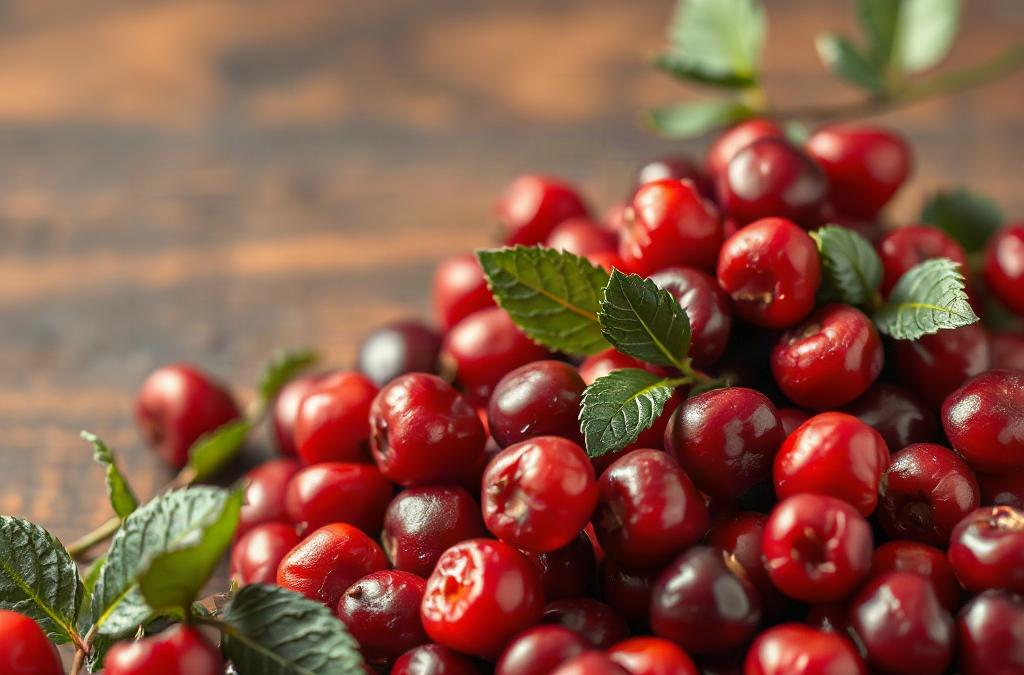
Whole fresh cranberries provide the clearest contrast. A bag containing only organic cranberries has no sweetener added by the processor. The berries still contain naturally occurring sugar, but their ingredient list should contain a single item. Plain frozen berries work similarly unless they are packaged with syrup or a sweetened fruit mixture. These minimally processed forms let the cook decide whether a recipe needs sugar and how much to use.
A common mistake is assuming that organic dried cranberries are nutritionally comparable to fresh berries by volume. Drying removes water, concentrating the fruit into a smaller, easier-to-eat form. Many products are sweetened as well. A handful can therefore deliver a different combination of fruit solids and sugar than a handful of fresh cranberries. This does not make dried fruit unusable, but it makes the stated serving size more relevant.
Prioritize the attribute that serves your actual goal. Choose certified organic cranberries when organic production is important to you, then evaluate sweetening separately. If controlling added sugar matters more for a particular meal, look for an unsweetened product even if availability, cost, or taste limits the organic choices. The strongest purchase decision accounts for both production method and formulation rather than treating either label as a complete quality judgment.
Which Cranberry Products Usually Contain Added Sugar?
The likelihood of added sugar changes substantially with the product form. Fresh and plain frozen cranberries are usually the easiest products to assess because their ingredient lists can contain cranberries alone. Dried cranberries, cranberry cocktails, blended drinks, and prepared sauces require closer inspection because sweeteners are often part of their texture, flavor, or preservation profile.
| Product form | What to check | Practical use |
|---|---|---|
| Fresh or plain frozen | Confirm that cranberries are the only ingredient | Cooking, baking, oatmeal, and homemade sauce |
| Dried cranberries | Added Sugars, serving size, and sweeteners in the ingredient list | Portable snacks, salads, grain dishes, and baking |
| Pure cranberry juice | Whether the label identifies juice rather than a sweetened drink | Small beverage servings or recipe use |
| Cranberry beverage or cocktail | Juice percentage, added sweeteners, and serving size | A sweeter ready-to-drink option |
| Prepared cranberry sauce | Added Sugars per serving and the number of servings used | Condiment or side dish |
Dried cranberries illustrate why category names are not enough. One product may use sugar to soften the fruit’s intense tartness, while another may be unsweetened or sweetened with juice concentrate. An unsweetened version can taste markedly sharper and may have a firmer texture. It can work well in oatmeal or baked goods where other ingredients provide sweetness, but it may be less appealing as a stand-alone snack.
Juice terminology creates a separate source of confusion. A product labeled as cranberry juice, a juice blend, or a cranberry beverage may have very different proportions of cranberry juice and other ingredients. Even a product with no added sugar can contain naturally occurring sugars from concentrated fruit juices. Conversely, a beverage may contain water, cranberry juice, and added sweeteners. Check both the product identity and the Nutrition Facts panel rather than judging by the color or cranberry imagery.
Prepared sauce is usually eaten in smaller amounts than a beverage, yet portions can expand quickly at a holiday meal. If a label defines a modest serving, compare that amount with what you actually put on the plate. Homemade sauce provides more control, but adding honey, maple syrup, juice concentrate, or table sugar still adds sugar. Homemade does not automatically mean unsweetened.
The practical priority is matching concentration to use. Whole berries suit recipes where volume and tartness are useful. Dried fruit offers convenience but is easy to eat quickly. Juice is consumed without the chewing involved in whole fruit, and sauce functions more like a condiment. Comparing these products as interchangeable servings can obscure meaningful differences in sweetness, water content, and intended portion.
How Should You Read a Cranberry Product Label?
A reliable label check starts with the serving size, continues to the Added Sugars line, and ends with the ingredient list. Reading only one of those elements can produce a misleading comparison. Two packages may report similar added sugar per serving while defining substantially different serving amounts, or one may contain more actual cranberry than the other.
Use a consistent sequence when comparing products:
- Match the product type. Compare dried cranberries with dried cranberries, not with fresh berries or sauce.
- Normalize the serving. Determine whether the listed amounts reflect comparable weights or volumes.
- Check Added Sugars. Keep naturally occurring total sugar separate from sweeteners introduced during processing.
- Read the ingredients in order. Ingredients are generally presented by weight, helping reveal whether a sweetener is prominent.
- Look for multiple sweetening sources. Cane sugar, syrups, and concentrated juices may appear under separate names.
Imagine two organic dried cranberry packages. Package A lists a lower amount of added sugar, but its serving is smaller. Package B appears higher at first glance, yet the difference narrows when both are compared at the same weight. That does not make them equivalent: texture, fruit content, oil coatings, and intended use may still differ. It does prevent the serving-size mismatch from deciding the purchase.
Front-label language deserves cautious interpretation. “Reduced sugar” is a comparative claim, so the relevant question is reduced compared with what reference product. “No added sugar” addresses added sweeteners but does not mean sugar-free, particularly when fruit or juice concentrates contribute naturally occurring sugars. “Lightly sweetened” may sound precise, but the Nutrition Facts panel provides the more useful amount for comparison.
Ingredient lists also help identify products formulated for a specific purpose. A small amount of oil may be used to prevent dried berries from sticking, while other ingredients may affect texture or shelf stability. Those details are not automatically problems; they simply show that the food is more than dried whole fruit. A single-ingredient product offers greater simplicity, whereas a formulated product may offer a softer texture or more familiar flavor.
A label-reading approach is working when you can explain why one product fits the planned use better than another. It is failing when the choice rests only on package color, an organic seal, or a single nutrient number viewed without its serving size. For dietary restrictions or medical nutrition needs, a registered dietitian or another qualified clinician can help interpret labels within the broader eating pattern.
Choosing Cranberries for Different Uses
The best cranberry form depends on whether you need tartness, portability, beverage flavor, or a ready-made condiment. Choosing solely by the lowest added-sugar number can lead to a product that does not work in the recipe and is later sweetened more heavily at home. Start with the intended use, then select the least sweetened option that still performs acceptably.
For Breakfast and Baking
Fresh or frozen cranberries can be folded into oatmeal, muffins, quick breads, or cooked grain bowls. Their tartness is easier to balance when the dish already contains naturally sweet ingredients such as banana, apple, or pear. Chopping the berries distributes their flavor more evenly, reducing the chance of intensely sour bites. In baking, however, simply removing all sweetener can alter browning, moisture, and texture as well as taste. Gradual recipe adjustments are more dependable than assuming sugar affects flavor alone.
Dried cranberries are convenient in granola and trail mix, but other ingredients may already contribute sweetness. Pairing sweetened dried berries with sweetened cereal, chocolate pieces, and candied nuts can create several overlapping sugar sources. A smaller amount of dried fruit combined with plain nuts, seeds, or unsweetened cereal preserves contrast without requiring the cranberries to carry the entire snack.
For Drinks and Sauces
Pure cranberry juice has a concentrated tart character that some people dilute with water or combine with other unsweetened beverages. A cranberry cocktail offers a milder ready-to-drink taste but may include added sugar. Neither option should be judged by name alone. Compare the label and consider how much you will pour; a lower-sugar beverage consumed in a much larger glass may not meet the intended goal.
For sauce, cooking whole berries at home allows sweetness to be adjusted after the fruit softens. Spices, citrus zest, chopped apple, or pear can add aromatic complexity, although fruit additions still contribute natural sugars. Add a chosen sweetener incrementally and taste after it dissolves. The target need not be a dessert-like sauce; a sharper version may work better beside rich savory foods.
Cost and availability can narrow the options. Fresh organic cranberries may be seasonal, while frozen berries can be easier to store and less likely to spoil before use. Unsweetened dried cranberries may cost more or be difficult to find. Under those constraints, a measured amount of a sweetened product can be more practical than buying an alternative that goes uneaten. Signs of a workable choice include a realistic portion, a flavor you enjoy, and a clear role in the meal. Repeatedly exceeding the planned serving or adding extra sweetener because the product does not suit the recipe signals that another cranberry form may work better.
Conclusion
Organic certification and added-sugar content should be evaluated as separate product characteristics. First identify whether fresh, frozen, dried, juiced, or prepared cranberries fit the intended use. Then compare equivalent serving sizes, review the Added Sugars line, and scan the ingredient list for cane sugar, syrups, or concentrated juices.
Plain whole berries provide the most control in cooking, while dried fruit, beverages, and sauces trade some of that control for convenience and a less tart flavor. The sensible choice is not automatically the product with the shortest label or lowest isolated number. It is the option whose serving size, sweetness, cost, and function fit how it will actually be eaten. At the next purchase, compare two products side by side and choose based on the complete label rather than the organic claim alone.
Frequently Asked Questions
Are organic dried cranberries always sweetened?
No. Many dried cranberry products contain added sweeteners, but unsweetened options also exist. Check the Added Sugars line and ingredient list because the organic claim does not answer the sweetening question.
Does no added sugar mean a cranberry product has no sugar?
No. Cranberries and other fruit ingredients contain naturally occurring sugars. “No added sugar” means sweeteners were not added in the manner covered by the labeling claim; it does not mean sugar-free.
Is organic cane sugar different from added sugar?
Organic cane sugar is still an added sugar when used to sweeten a cranberry product. Organic describes its production method, not a separate nutritional category.
Are frozen organic cranberries a good alternative to fresh ones?
Plain frozen cranberries are useful when fresh berries are unavailable or likely to spoil. Confirm that the package contains cranberries without syrup or other sweetening ingredients.
Can juice concentrate count as an added sweetener?
Concentrated fruit juice may function as a sweetener in formulated foods. Review the Added Sugars line and ingredient list rather than assuming every fruit-derived ingredient is equivalent to whole fruit.