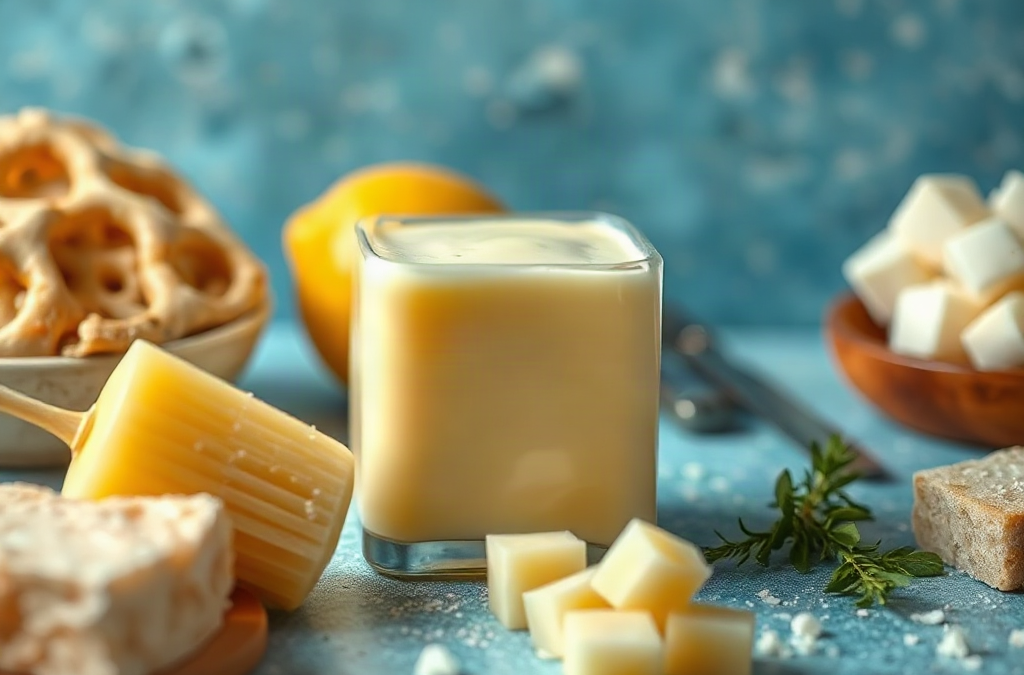
Organic lard combines useful cooking properties with a nutrition profile dominated by fat, including both monounsaturated and saturated fatty acids. Its firm-yet-spreadable texture can produce flaky pastry, crisp fried foods, and effective browning, while heat tolerance varies with rendering quality, refinement, and residual pork solids. Organic certification addresses how pigs are raised and how the product is handled; it does not automatically make lard lower in saturated fat or nutritionally superior. Choose a clean-smelling product for neutral applications, use leaf lard for pastry when available, avoid smoking the fat, and treat it as one dietary fat rather than a primary nutrient source.
How Does Organic Lard Behave in Cooking?
Lard is a rendered pork fat whose balance of solid and liquid fat gives it a distinctive texture at ordinary kitchen temperatures. It is generally firmer than most vegetable oils but softer than some highly saturated fats. That plastic consistency lets small pieces remain distributed through dough until baking, where melting fat leaves spaces that contribute to tenderness and flakiness.
Pastry performance depends heavily on the type of lard. Leaf lard, rendered from fat around the kidneys and loin, is usually prized for a fine texture and relatively mild flavor. Back fat and other body fats can make useful cooking lard but may carry a more noticeable savory character. For pie crust, biscuits, or tortillas, a gently rendered, clean-tasting product is normally a better fit than rustic lard containing browned particles.
Lard also transfers heat efficiently across the surface of food. Potatoes cooked in a shallow layer can develop a crisp exterior, while vegetables roasted with a thin coating brown more evenly than they may when placed in a dry pan. Its flavor pairs naturally with beans, cabbage, corn dough, onions, and savory baked goods. The same pork character can be distracting in a fruit pie or delicately flavored cake, so neutral aroma matters as much as texture.
Heat tolerance cannot be reduced to one universal smoke-point number. Refinement, filtration, age, and remaining protein or moisture all affect when lard begins to smoke. A highly filtered commercial product may tolerate higher heat more predictably than minimally processed farm-rendered fat. Visible smoke, acrid odor, rapid darkening, or persistent foaming are signs to lower the temperature or replace the fat rather than continue cooking.
Compared with butter, lard contains no milk solids to brown or burn, but it also lacks butter’s dairy flavor and water content. Compared with liquid oil, it can add more structure to dough but is less convenient for dressings and other cold preparations. Substitution is not always one-for-one in baking because changing the proportion of water and solid fat can alter spread, tenderness, and dough handling. A small test batch is more reliable than assuming every recipe will respond identically.
What Does Lard Contribute Nutritionally?
Lard is an energy-dense fat rather than a broad source of protein, fiber, or essential minerals. Its fatty acids include monounsaturated, saturated, and polyunsaturated fats, with the exact balance varying according to the animal’s diet, fat deposit, and processing. That variability is a reason to treat database values as useful estimates rather than a guarantee for every jar.
The presence of monounsaturated fat does not cancel the saturated-fat content. Dietary patterns matter more than presenting one cooking fat as inherently wholesome or harmful. Replacing some saturated fat with foods rich in unsaturated fats may be appropriate for people managing cardiovascular risk, but individual needs depend on the rest of the diet and advice from a qualified health professional. An organic seal does not change that basic nutritional calculation.
Portion size can be easy to underestimate because melted fat spreads thinly through a pan or disappears into dough. Measuring the amount added to beans, vegetables, or a skillet provides a clearer picture than judging by appearance after cooking. A teaspoon used to soften onions has a different dietary impact from deep-frying a meal and absorbing substantially more fat.
Claims about lard as a meaningful vitamin D source require caution. Nutrient content can differ among products and may depend on animal exposure, feed, processing, and serving size. Unless a producer supplies reliable nutrition data, lard should not be chosen to correct a vitamin deficiency. Foods selected specifically for protein, fiber, vitamins, and minerals should carry that role in the meal.
A practical approach is to match fats to their strengths rather than use lard exclusively. Extra-virgin olive oil can suit dressings and moderate-heat vegetable dishes; neutral liquid oils work well where pourability is useful; lard can be reserved for pastry, tortillas, frying, or dishes where its savory character is intentional. This rotation does not make a meal balanced by itself, but it prevents culinary preference from being mistaken for nutritional necessity.
Readers with prescribed fat limits, lipid disorders, gallbladder or pancreatic conditions, or other medically managed dietary needs should use individualized guidance. Lard is a food ingredient, not a treatment, and choosing an organic version should not be assumed to reduce a medical risk.
What Does “Organic” Mean on Lard?
An organic label primarily concerns agricultural production and certified handling, not a special cooking chemistry. In the United States, a certified-organic pork ingredient must come through the applicable organic production and processing system. Certification addresses defined practices and recordkeeping; it does not promise that the finished lard has fewer calories, a lower saturated-fat level, a higher smoke point, or a neutral taste.
Label wording deserves close attention because “organic,” “pasture-raised,” “heritage breed,” and “local” describe different ideas. A farm may emphasize outdoor access or local production without selling certified-organic lard. Conversely, certified-organic lard is not necessarily leaf lard or small-batch rendered. Buyers who care about both production method and culinary performance need to verify each attribute separately.
The ingredient panel is especially useful. Pure rendered lard may list only organic pork fat, while shelf-stable products can include permitted ingredients intended to influence texture or stability. A product sold as shortening may be formulated differently from traditional rendered lard. The front label should not replace reading the ingredient list and storage directions.
Rendering quality often matters more in the skillet than the organic claim. Residual moisture can encourage sputtering, and tiny meat solids can brown quickly or shorten storage life. A clean product should have a uniform appearance appropriate to its style and no rancid, paint-like, sour, or stale odor. Handmade lard can be excellent, but “minimally processed” does not automatically mean better filtered or more heat-stable.
Price is another practical constraint. Certified-organic lard may cost more because of production, certification, processing, and distribution requirements. Paying the premium makes the most sense when organic sourcing is a purchasing priority and the product also meets the intended use. For an occasional pie crust, leaf-lard quality may matter more than jar size; for frequent savory cooking, consistent flavor and filtration may carry greater value.
The common mistake is treating the organic seal as a complete quality grade. Use it to answer a sourcing question, then examine fat type, rendering method, ingredients, package date, storage instructions, and flavor description to answer the cooking questions.
How to Choose, Use, and Store Organic Lard
Selection should begin with the dish, because pastry, shallow frying, and everyday sautéing reward different traits. Mild leaf lard is the clearest choice for pastry. A fuller-flavored rendered fat can complement refried beans, tamales, greens, or roasted roots. For repeated higher-heat use, look for well-filtered lard and follow the producer’s temperature and storage directions rather than relying on a generic smoke-point chart.
A compact buying and use check can prevent the most common disappointments:
- Confirm the fat type: determine whether it is leaf lard, general rendered pork fat, or a formulated shortening.
- Read the ingredients: verify whether the jar contains only rendered organic pork fat or additional ingredients.
- Match the flavor: choose neutral lard for sweet baking and a savory version only where pork flavor belongs.
- Inspect storage directions: refrigerate when the producer requires it, especially after opening.
- Control the heat: warm gradually and stop before persistent smoke or acrid odors develop.
For pastry, work with cool but pliable lard. Fat that is fully melted before the dough reaches the oven tends to coat the flour more uniformly and can reduce the distinct pockets associated with flakiness. Fat that is rock-hard is difficult to distribute. Visible small pieces and a dough that remains cool during handling are practical signs that the technique is on track.
For frying, keep food surfaces reasonably dry, avoid overcrowding, and leave enough pan space for steam to escape. Wet food can cause spattering, while a crowded pan loses heat and encourages greasy rather than crisp results. A thermometer can improve repeatability, but appearance and smell still matter because impurities may cause a particular batch to darken earlier than expected.
Storage needs vary by processing and packaging. Keep the container tightly closed and protect it from light, heat, moisture, crumbs, and used utensils. Refrigeration generally slows oxidation and is prudent when directed on the label. Freezing smaller portions can be useful when a large jar will not be consumed promptly. Date the container after opening so freshness is not left to memory.
Discard lard that develops a rancid or sharply stale smell, unusual discoloration, mold, or contamination. Reused frying fat also deteriorates as heat, oxygen, food particles, and moisture accumulate. Darkening, thickening, excessive foaming, off odors, or smoking at a lower temperature indicate that reuse has gone too far. Filtering removes particles but cannot reverse chemical deterioration.
Conclusion
Organic lard earns its place in the kitchen through texture, browning, and savory flavor rather than through an automatic nutritional advantage. Prioritize the intended dish: mild leaf lard for pastry, clean filtered lard for frying, and fuller-flavored fat for beans, vegetables, or corn-based doughs. Check certification and ingredient claims separately from rendering quality, because each answers a different purchasing question.
Use moderate portions within a varied diet, and do not treat organic status as evidence of lower saturated fat or medical benefit. Store the jar according to its label, keep water and crumbs out, and discard fat showing rancid odors, contamination, excessive foaming, or abnormal darkening. A carefully selected product used for the task it performs well is more valuable than making lard the default fat for every recipe.
Frequently Asked Questions
Is organic lard healthier than conventional lard?
Organic certification describes regulated production and handling practices, not a guaranteed nutritional advantage. Both forms remain concentrated fats, and their fatty-acid profiles can vary by animal diet and processing.
Is leaf lard different from regular lard?
Yes. Leaf lard comes from fat around the kidneys and loin and is commonly milder and well suited to pastry. General lard may come from other fat deposits and can taste more savory.
Can organic lard be used for high-heat frying?
Well-filtered lard can work for frying, but its heat tolerance varies by refinement, age, and remaining solids. Follow product guidance and stop heating if it smokes persistently or smells acrid.
Does lard need to be refrigerated?
Follow the package instructions because processing and packaging differ. Refrigeration after opening is often a sensible way to slow oxidation, particularly for minimally processed or homemade lard.
Can lard replace butter in baking?
Lard can replace butter in some recipes, especially pastry, but the result will differ because butter contains water and milk solids. Expect changes in flavor, browning, spread, and dough texture.