Oct 20, 2026 | Cooking, Healthy Eating
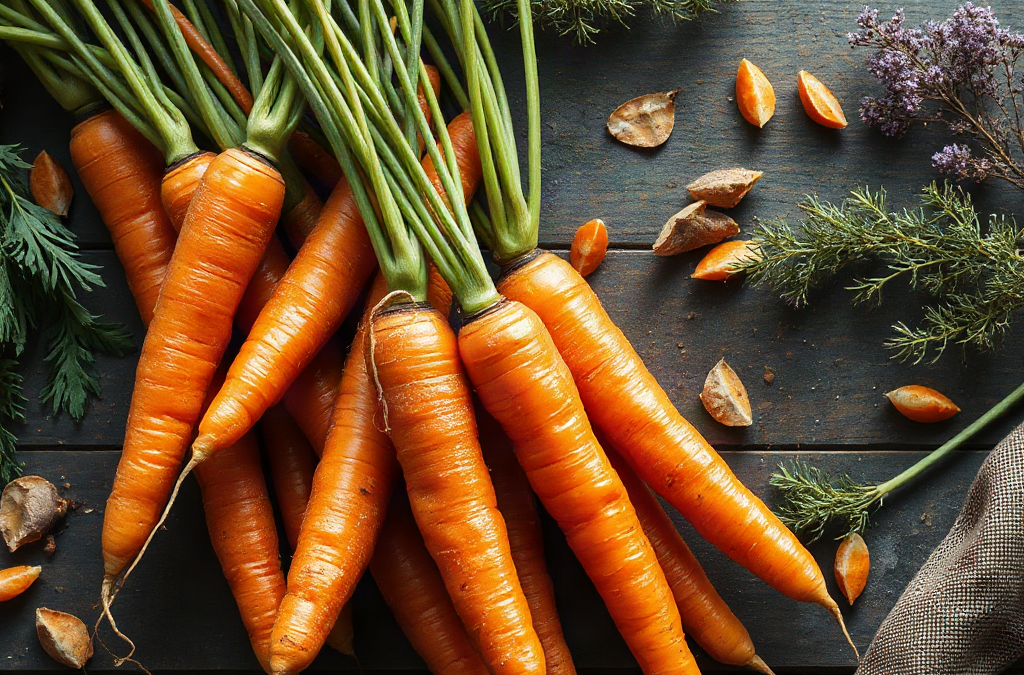
Carrots provide beta carotene and meal variety most effectively when they are served in different forms, paired with some dietary fat, and prepared without relying on juice as the default. The body converts beta carotene into vitamin A as needed, while chopping, grating, puréeing, and cooking carrots can make their carotenoids more accessible.
Sep 21, 2026 | Cooking
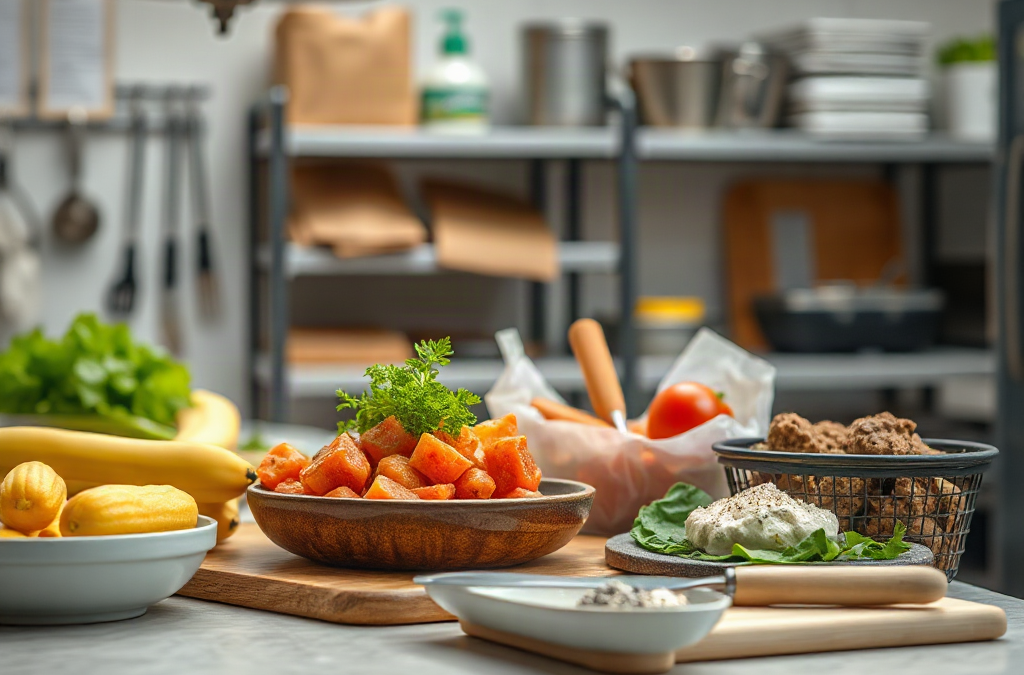
Cross-contact controls for shared organic food kitchens should separate allergen-containing ingredients by space or time, protect organic inputs from unintended mixing, and verify cleaning before production changes. The strongest controls combine supplier and label checks, designated storage, controlled utensils, documented production sequencing, and accurate packaging review.
Sep 18, 2026 | Cooking
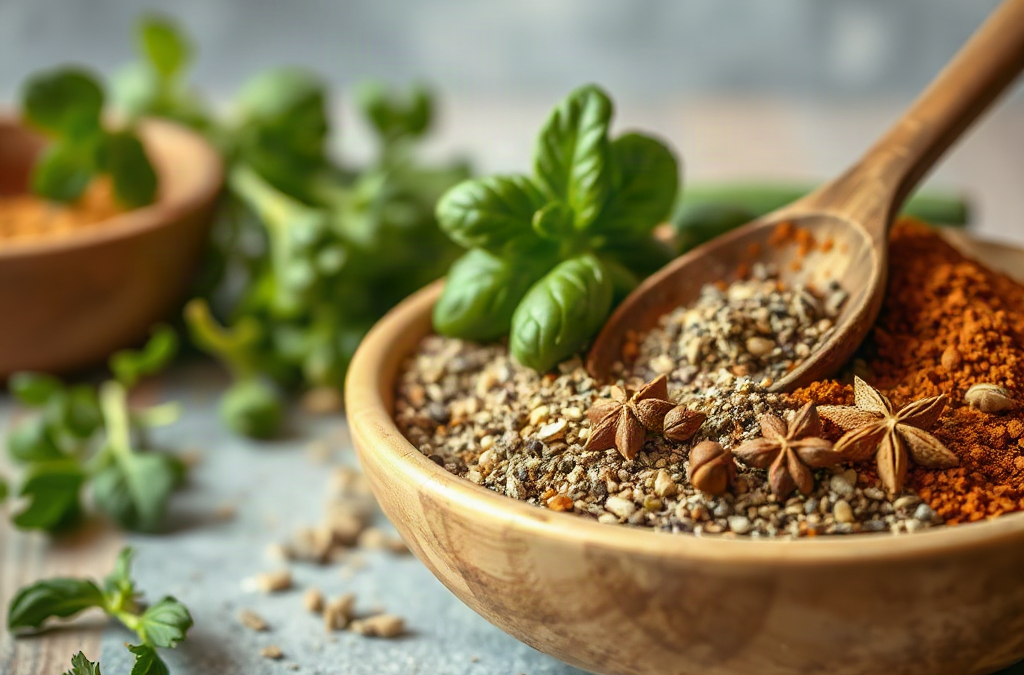
Fresh herbs and spices create nutrient-dense flavor by adding aromatic compounds, pigments, and small amounts of micronutrients without relying heavily on salt, sugar, or saturated fat. Use tender herbs such as basil and cilantro near the end of cooking, while adding sturdy herbs and whole spices earlier so heat can release their flavor.
Sep 16, 2026 | Cooking
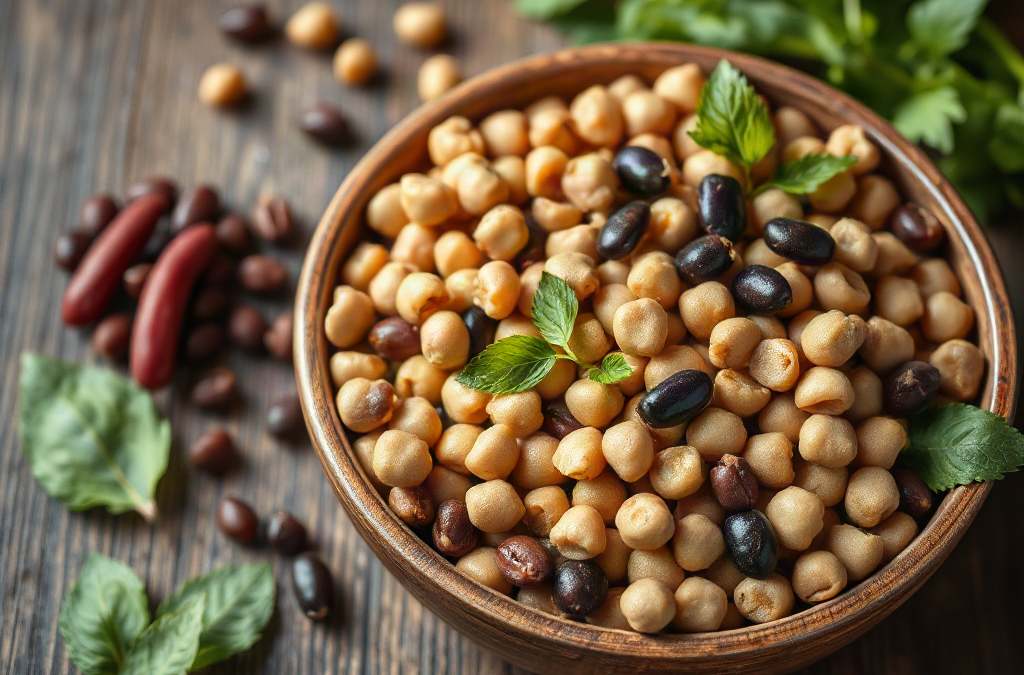
Organic legumes for affordable plant-based protein include lentils, chickpeas, black beans, kidney beans, split peas, and soy foods; their value comes from combining substantial protein and fiber with flexible storage and low-cost meal uses. Choose dry legumes for the lowest price when you can plan soaking and cooking, or use…
Sep 10, 2026 | Cooking
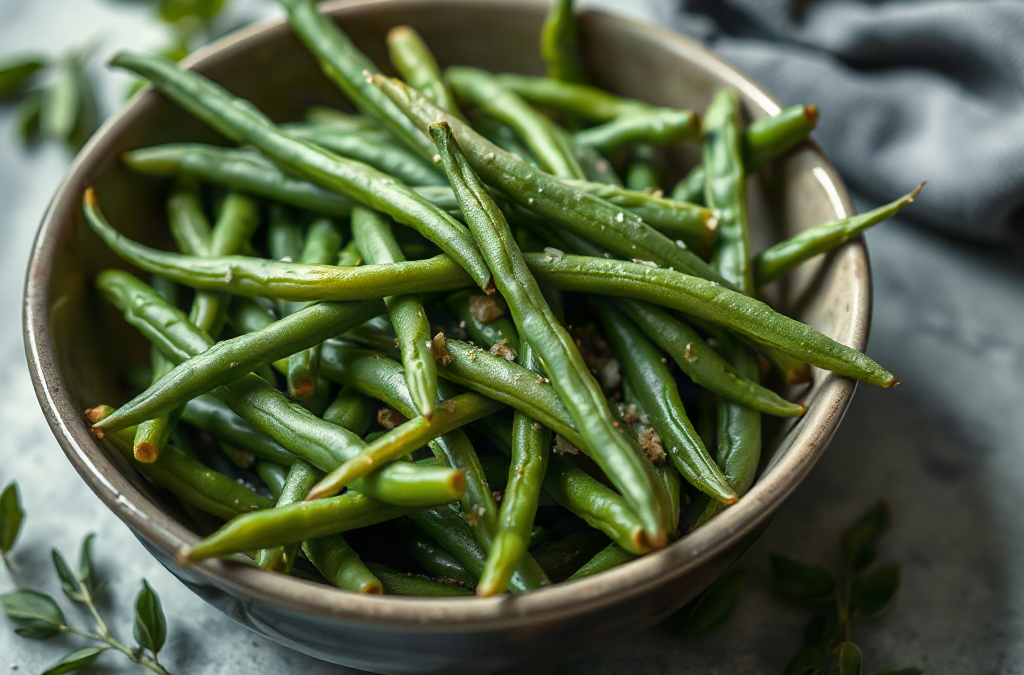
Explore cooking organic green beans for balanced meals through organic green beans for better, considering the conditions that change the outcome.
Sep 1, 2026 | Cooking
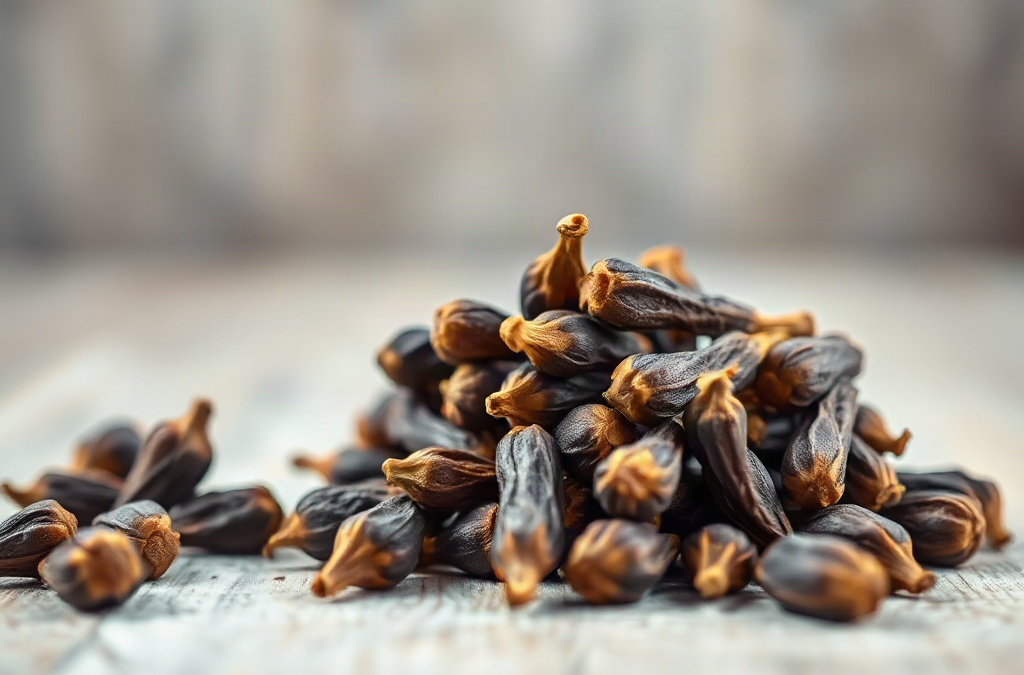
Explore cooking and storing organic whole cloves through choosing whole cloves for kitchen, including practical limits and conditions that change the outcome.