
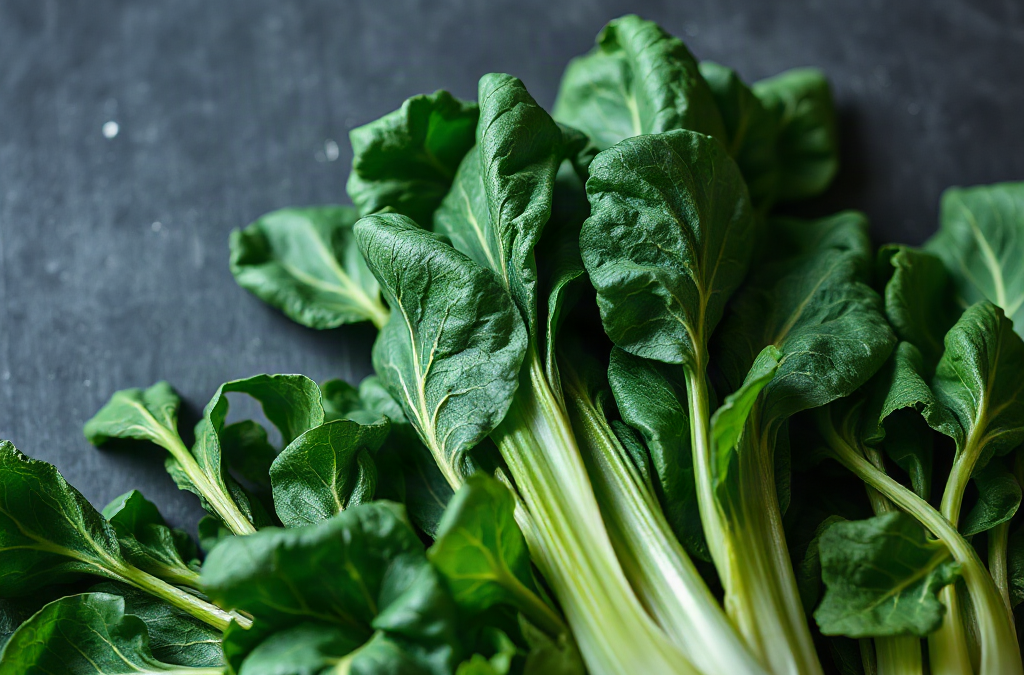
The best bok choy choices for mineral-rich meals are fresh heads with firm pale stalks and crisp green leaves, selected in a size that suits the cooking method and paired with other nutrient-dense foods. Both mature and baby bok choy contribute calcium, potassium, magnesium, and other nutrients, although serving size and preparation affect how much reaches the plate. Choose mature heads for substantial stir-fries, braises, and soups; use baby bok choy when quick, even cooking matters. Keep cooking brief or retain the broth, and combine the vegetable with tofu, beans, fish, seeds, or whole grains rather than treating it as a complete mineral source by itself.
Should You Choose Baby or Mature Bok Choy?
Baby and mature bok choy are the same type of leafy vegetable at different stages of growth, but they behave differently in a meal. Baby heads are compact, tender, and convenient for cooking whole or halved. Mature heads have broader leaves, thicker stalks, and more usable volume per head. The better choice depends less on a presumed nutritional winner and more on portion size, texture, price, and the cooking technique you plan to use.

Mature bok choy is often the practical option for soups, noodle dishes, braises, and family-size stir-fries. Its stalks remain crisp after the leaves wilt, creating two textures from one vegetable. Because the thick stalks need more time than the leaves, separating the two parts gives better control: add sliced stalks first, then fold in the greens near the end. This prevents the common result of hard stems paired with dull, overcooked leaves.
Baby bok choy works well when presentation and even cooking matter. Halved heads can be seared cut-side down, steamed briefly, or placed in a shallow braise. The smaller size also makes portioning straightforward. A diner can receive one or two pieces rather than an uneven mixture of stalks and leaves. The tradeoff is that baby heads may cost more per pound, and the dense base can hold grit between its layers.
Neither size should be assumed to provide a dramatically different mineral profile without checking a reliable food-composition entry and comparing equivalent edible weights. Calcium, potassium, and magnesium intake depends on how much is eaten, what accompanies it, and whether cooking liquid is discarded. A generous serving of mature bok choy may contribute more to a meal than a decorative baby half simply because the edible portion is larger.
Use a simple size-to-method match when shopping:
- Baby heads: choose for steaming, searing, grilling, or individual portions.
- Medium heads: choose for quick sautés and mixed vegetable dishes.
- Large mature heads: choose for soups, braises, batch cooking, and recipes that separate stalks from leaves.
A useful choice is therefore the head you will cook properly and serve in a meaningful amount. Buying tender baby bok choy for a long stew wastes its texture, while dropping unsliced mature stems into a fast stir-fry produces uneven cooking. Match maturity to the pan before comparing minor nutrient differences.
How Can You Identify Fresh, Flavorful Bok Choy?
Fresh bok choy should have rigid stalks, resilient leaves, and a clean vegetal aroma. Pale green or white stalks are normal depending on the variety; color alone does not determine quality. More revealing signs are whether the stalks bend limply, the leaf edges are yellowing, or the base has become wet and dark. Those changes indicate declining texture and a shorter remaining storage life.
Inspect the entire head rather than judging only the outer leaves. Small holes can reflect minor insect feeding and do not necessarily make the vegetable unusable. Extensive damage, slippery patches, fuzzy growth, or a sour odor are different concerns and justify choosing another head. A few wilted outer leaves may be trimmed, but a soft core means much of the head has already deteriorated.
Size should also be evaluated against intended yield. Large heads can look economical while carrying thick basal material that will be trimmed. Baby heads have less chopping waste but may be bundled at a higher unit price. Compare cost by weight when possible, then consider how much of the head your recipe will use. For a blended soup, cosmetically imperfect but sound leaves may be a reasonable value; for seared halves, uniform compact heads are easier to cook and plate.
Organic labeling describes a production standard rather than a guarantee of higher mineral content, superior freshness, or freedom from soil. If organic production is a purchasing priority, verify the label and still apply the same quality checks. A conventionally grown head that is crisp and recently stocked may provide better eating quality than an organic head that has wilted in storage. Mineral composition also varies with growing conditions and maturity, so the label should not substitute for a varied diet.
Once home, refrigerate bok choy unwashed in a loose or perforated produce bag. Trapped surface water encourages deterioration, while a completely exposed head loses moisture and becomes limp. Wash it shortly before cutting. Split the base or separate the stalks, rinse between the layers, and repeat until no grit remains. A salad spinner works for loose leaves, but intact baby heads need careful rinsing around the core.
The selection is working when the stalks snap cleanly, the leaves regain brightness during brief cooking, and the flavor is mild rather than sour. Rapid yellowing, liquid collecting in the bag, or slippery bases signal that storage conditions or initial freshness were poor. Plan to use delicate baby heads first and reserve sturdier mature heads for later in the week.
Which Cooking Methods Preserve the Meal’s Mineral Value?
Minerals do not break down from heat in the same way some vitamins can, but they may move from bok choy into cooking water. That distinction changes the practical goal: limit unnecessary water when it will be discarded, or keep the liquid as part of the dish. Steaming, sautéing, and fast stir-frying use little water, while soups and braises retain dissolved minerals in the broth.
Boiling is not automatically a poor method. It becomes wasteful when bok choy is cooked in a large pot and the liquid goes down the drain. Adding sliced stalks and leaves directly to miso soup, bean soup, or a noodle broth keeps the liquid in the meal. If boiling is necessary before another preparation, use only enough water for even cooking and consider whether the unsalted liquid can be incorporated safely into the same recipe.
Timing controls texture more than mineral survival. Thick stalks may need several minutes to soften, whereas leaves collapse quickly. In a skillet, cook sliced stems with a small amount of oil and a splash of water, then add the leaves when the stems are nearly tender. In soup, stems can enter with noodles or firm vegetables, followed by the greens close to serving. The dish is on track when stalks are tender-crisp and leaves are wilted but still vivid.
Overcooking creates two practical failures. First, waterlogged stalks and olive-colored leaves are less appealing, which may reduce the amount people actually eat. Second, a prolonged water bath gives soluble nutrients more opportunity to enter liquid that might be discarded. Undercooking thick, unsliced bases has the opposite problem: the meal may be difficult to chew even though the outer leaves appear done.
A compact preparation sequence avoids both outcomes:
- Rinse between stalk layers and drain thoroughly.
- Separate thick stems from leaves when using a mature head.
- Cut stems to a consistent width so they cook at the same rate.
- Cook stems first, add leaves later, and stop when both are palatable.
- Serve promptly or retain the cooking liquid in the finished dish.
Cooking also changes volume. A large pile of raw leaves becomes a modest cooked serving, making it easier to eat more bok choy in a soup or sauté than in a raw plate. Raw preparations preserve crunch but require thin slicing, especially through mature stalks. Choose the form that makes an adequate portion enjoyable rather than treating raw vegetables as inherently more nutritious.
What Should You Pair With Bok Choy?
Bok choy is most useful as one component of a mineral-rich meal, not as a stand-alone solution. It can contribute calcium, potassium, and magnesium along with fiber and other nutrients, but the amount in one serving does not replace dietary variety. Pairing it with legumes, calcium-set tofu, fish, seeds, whole grains, or other vegetables builds a broader nutrient profile and makes the meal more substantial.
For a plant-based bowl, combine sautéed bok choy with calcium-set tofu, brown rice, and a sesame or peanut dressing. The tofu contributes protein and may provide meaningful calcium when calcium salts are used as coagulants; the nutrition label is the best way to verify that detail because tofu products differ. Rice supplies energy and texture, while seeds or nut butter add magnesium and richness. Using a modest amount of sauce keeps the vegetable’s flavor distinct and helps control sodium.
A soup offers another practical route. Add mature bok choy stems to a white bean, lentil, or tofu broth, followed by leaves near the end. Beans broaden the meal’s magnesium and potassium contribution and provide protein and fiber. Because the broth is consumed, minerals that move out of the vegetable remain available within the dish. People limiting sodium should compare broth labels or use an unsalted base, since a mineral-rich ingredient list does not cancel a heavily salted cooking liquid.
For an omnivorous plate, bok choy can accompany salmon, sardines, eggs, chicken, or lean meat. Sardines with edible bones are a particularly calcium-focused option, while fish also changes the protein and fat profile of the meal. A quick plate might include ginger-sautéed bok choy, canned sardines, and a whole grain. The aim is complementary nutrition, not a claim that one pairing uniquely improves mineral absorption.
Some plant foods contain compounds that can bind part of their minerals, and absorption differs among foods and individuals. Bok choy is often valued as a leafy green calcium source, but food-composition totals and absorbed amounts are not identical concepts. Medication use, digestive conditions, kidney disease, and prescribed mineral restrictions can also change what constitutes an appropriate meal. Anyone managing those concerns should use individualized advice from a qualified clinician or registered dietitian rather than increasing mineral-rich foods indiscriminately.
A meal pairing is succeeding when it has a clear protein source, enough energy to satisfy, multiple whole-food ingredients, and a preparation people will repeat. A plate of lightly dressed bok choy alone may look nutrient-focused but is unlikely to function as a balanced main meal. Build outward from the vegetable: add protein first, then a grain or starchy vegetable if needed, and finish with a flavorful mineral-containing ingredient such as sesame seeds, tahini, beans, or tofu.
Conclusion
Choose bok choy by freshness, usable portion, and fit with the recipe rather than by size or label alone. Baby heads suit whole-head cooking and individual servings; mature heads offer economical volume and distinct stalk-and-leaf textures when their parts are timed separately. Favor brief, low-water methods, or keep broth in the dish so dissolved minerals are not needlessly discarded.
The stronger meal decision happens after selection. Add a dependable protein source such as beans, calcium-set tofu, fish, or eggs, then include whole grains, seeds, or other vegetables as appetite and dietary needs allow. Check tofu and broth labels when calcium or sodium matters, and avoid assuming that a single vegetable can meet a specific mineral target. Start with crisp bok choy, wash its layered base carefully, cook only until palatable, and build a varied plate around it.
Frequently Asked Questions
Is baby bok choy more nutritious than mature bok choy?
Neither size is automatically the better nutritional choice. Compare edible serving sizes rather than head count, and select the form that suits your recipe well enough to be eaten in a meaningful portion.
Can bok choy be eaten raw?
Yes. Tender leaves and thinly sliced stalks can be used in salads or slaws after thorough washing. Large mature stalks may be fibrous, so slicing them finely improves texture.
Does boiling bok choy remove its minerals?
Some minerals can move into boiling water rather than being destroyed. Use less water, choose steaming or sautéing, or serve the cooking liquid as part of a soup or braise.
How should bok choy be stored?
Refrigerate it unwashed in a loose or perforated produce bag and wash it shortly before cooking. Use it when the stalks are still firm and before the leaves become yellow or slippery.
Is organic bok choy higher in minerals?
An organic label does not by itself establish higher mineral content. Freshness, variety, growing conditions, serving size, and preparation all influence the vegetable's practical contribution to a meal.