Oct 19, 2026 | Nutrition
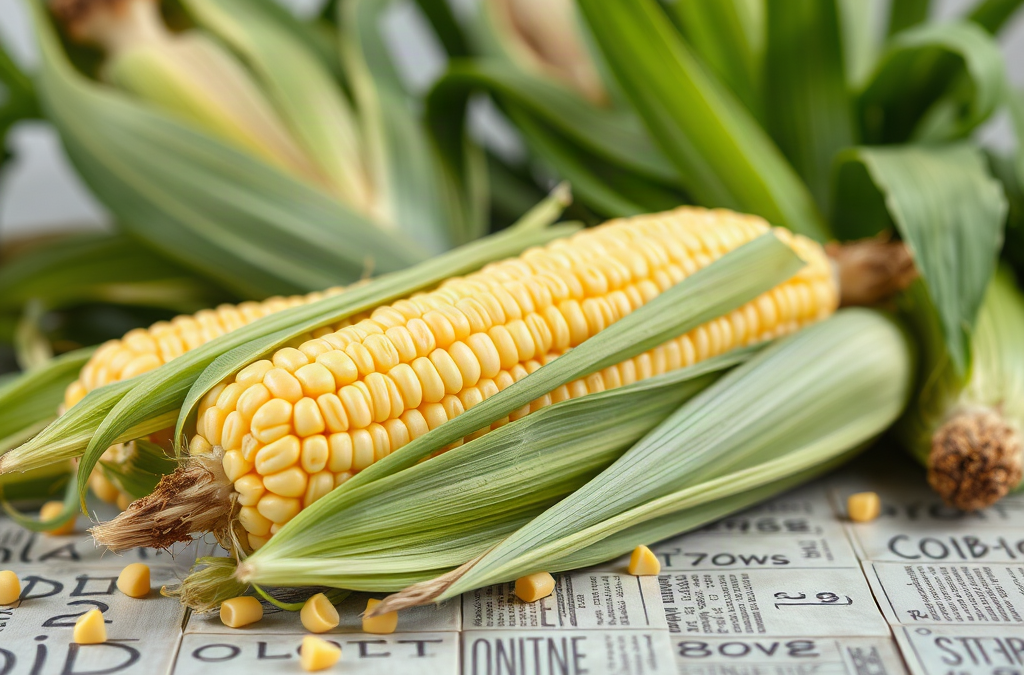
Organic corn nutrition and portion considerations are best handled by treating corn as a starchy vegetable, choosing an amount that fits the meal, and accounting for added fats, sodium, and other carbohydrate foods. A medium ear or roughly half to one cup of kernels is a practical starting portion for…
Oct 16, 2026 | Nutrition
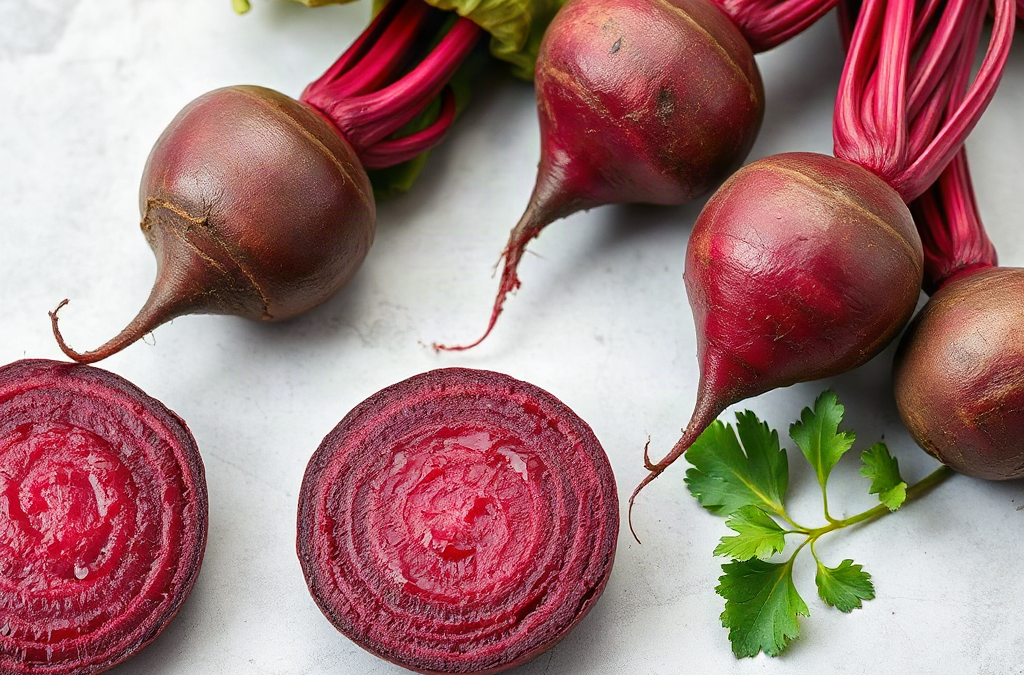
Beetroot nutrition and preparation choices are best balanced by using varied cooking methods: eat some roots raw, steam or roast others, and cook the greens separately. Beetroot supplies folate, fiber, potassium, manganese, betalain pigments, and naturally occurring nitrate, but boiling can move water-soluble nutrients and pigments into discarded cooking water.
Oct 15, 2026 | Nutrition, Organic Nutrition
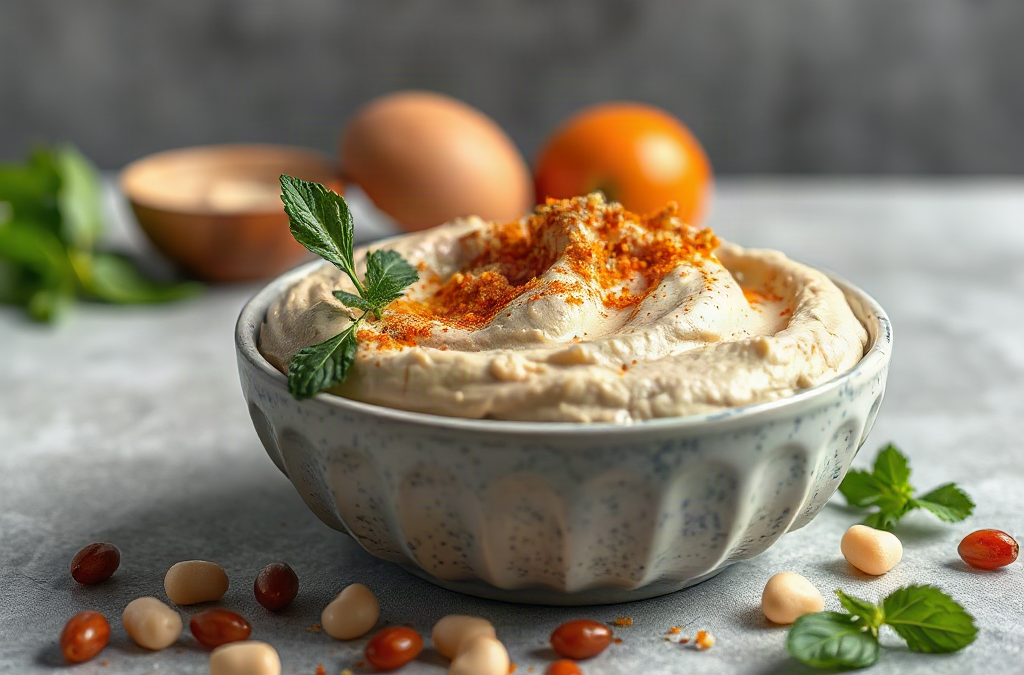
An organic hummus ingredient and nutrition comparison should weigh ingredient quality and serving-based nutrition together, with priority given to chickpeas, tahini, oil type, sodium, fiber, and added preservatives or sweeteners. Compare products using the same serving size because container portions and label servings may differ.
Sep 25, 2026 | Nutrition
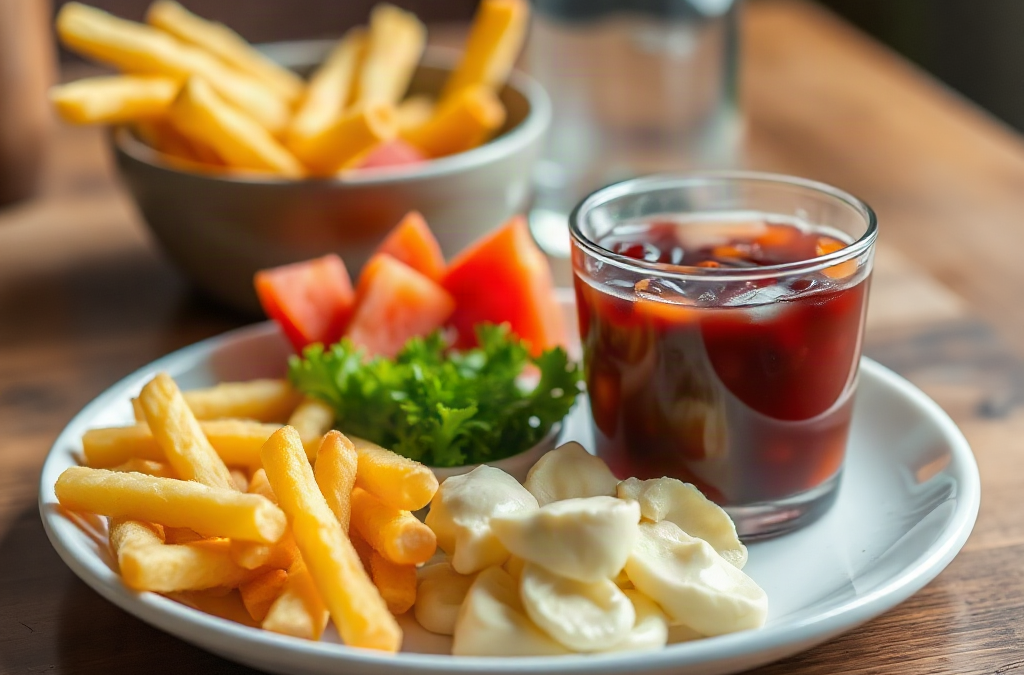
Nutrition label serving sizes and actual portions often differ because the label uses a standardized reference amount, while a portion is the quantity someone chooses to eat or drink. To calculate what you consumed, compare your portion with the listed serving size, determine the number of servings, and multiply the…
Sep 24, 2026 | Nutrition
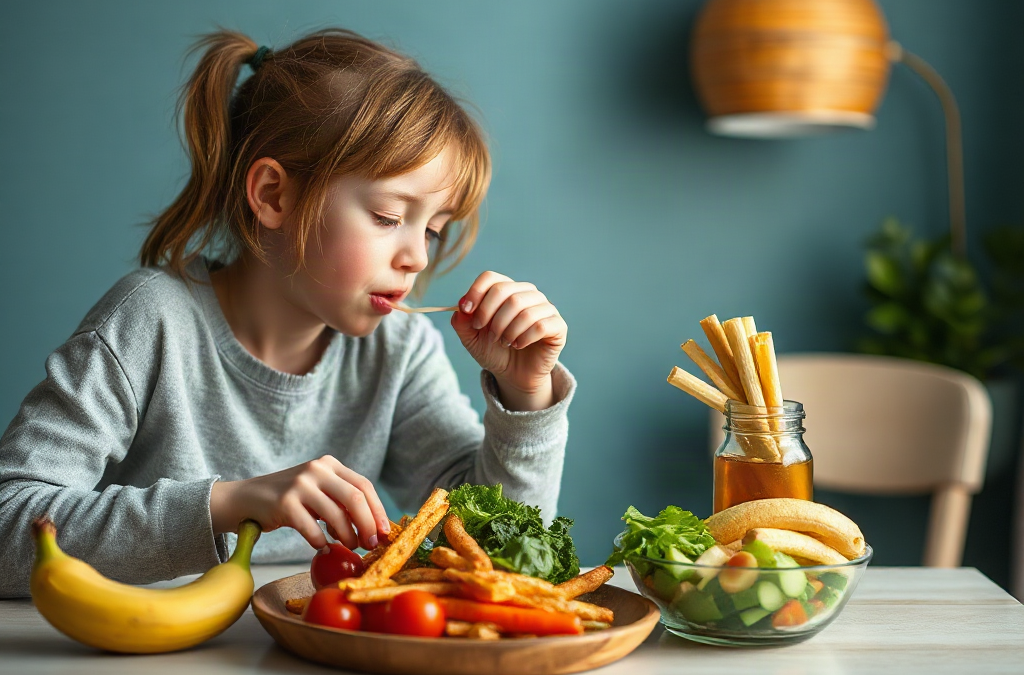
Appetite changes during illness call for a flexible nutrient-coverage plan built around hydration, tolerated foods, protein, and energy rather than forcing normal meals. Fever, nausea, congestion, pain, medication effects, and altered taste can reduce intake, while vomiting or diarrhea may increase fluid and electrolyte losses.
Sep 20, 2026 | Nutrition
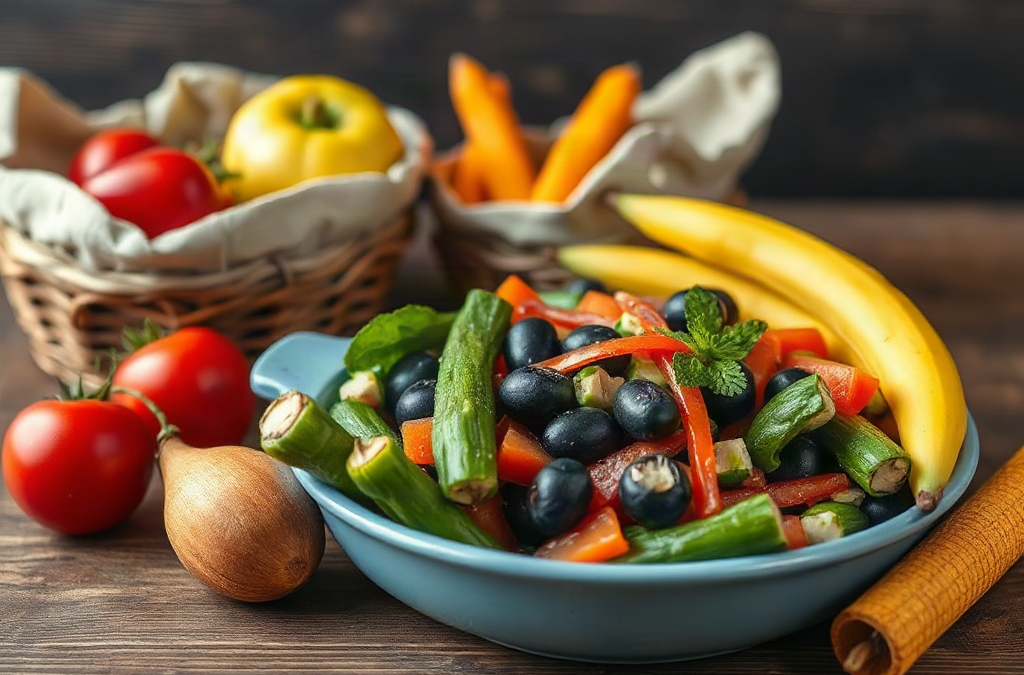
Seasonal produce substitutions preserve meal nutrition most reliably when replacements match the original ingredient’s nutrient role, serving size, and preparation method rather than merely its color or texture. Replace leafy greens with other vitamin K- and folate-rich greens, orange vegetables with carotenoid-rich alternatives, and juicy fruit with similarly vitamin C-rich produce.



