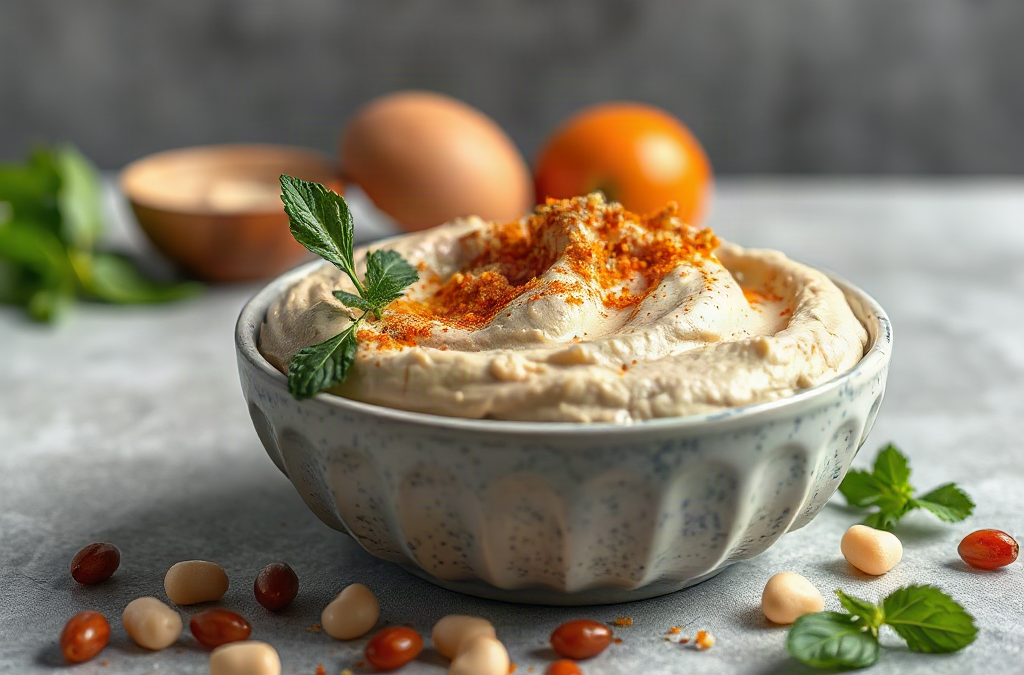
An organic hummus ingredient and nutrition comparison should weigh ingredient quality and serving-based nutrition together, with priority given to chickpeas, tahini, oil type, sodium, fiber, and added preservatives or sweeteners. Compare products using the same serving size because container portions and label servings may differ. A short ingredient list can be useful, but it does not automatically mean lower sodium, more protein, or better fat quality. The strongest choice usually combines recognizable core ingredients with enough chickpeas and tahini to provide useful fiber, protein, and unsaturated fat while fitting your sodium needs, allergies, budget, and intended portion.
What Belongs in Organic Hummus?
Traditional hummus has a compact foundation: cooked chickpeas, tahini, lemon juice, garlic, and salt, often with olive oil or another oil. Water may be added to control texture. Packaged organic versions can include those same components in different proportions, along with acidity regulators, spices, preservatives, or alternative oils. The order matters because ingredients are generally listed by weight, from greatest to least, although the list alone cannot reveal exact percentages.
Chickpeas should normally appear near the beginning. They contribute starch, fiber, plant protein, folate, and minerals, while tahini supplies sesame flavor and primarily unsaturated fat. A product with water ahead of chickpeas may still be pleasant, but it can have a thinner texture and less chickpea content per spoonful. Likewise, seeing tahini near the end may help explain why a hummus tastes more like seasoned bean purée than the sesame-rich food a shopper expects.
The word organic describes how qualifying agricultural ingredients were produced and handled under an organic standard; it does not establish that one hummus has more fiber, less sodium, or fewer calories than another. An organic product can contain a substantial amount of oil or salt, just as a conventional product can have a simple recipe. Certification and nutritional composition answer different questions, so neither should be used as a substitute for the other.
Flavor varieties require added scrutiny. Roasted red pepper, beet, olive, caramelized onion, and dessert-style hummus may include sweeteners, concentrated vegetable ingredients, cheese, or extra oil. The front label can make the featured flavor sound dominant even when it appears late in the ingredient list. Someone seeking classic hummus for sandwiches may value chickpea and tahini prominence, while a shopper buying a dip for occasional use may reasonably prioritize flavor.
A common mistake is treating every unfamiliar name as undesirable. Citric acid, for example, may manage acidity and flavor, while potassium sorbate may be used to inhibit spoilage. Their presence changes how closely the product resembles a home recipe, but it does not automatically determine its complete nutritional value. The practical approach is to identify the function of an ingredient, then decide whether simplicity, shelf life, taste, or another consideration matters more for the intended use.
How Should You Compare Hummus Nutrition Labels?
Nutrition comparisons become meaningful only after serving sizes are aligned. One label may present nutrients for two tablespoons while another uses a different gram weight. Compare equal weights whenever possible, or recognize that a larger labeled portion will naturally show more calories, fat, sodium, and protein. The number of servings actually eaten matters more than the manufacturer’s displayed serving when estimating a meal.
Calories in hummus mainly come from chickpeas, tahini, and added oil. A higher calorie value is not inherently a defect: more tahini can add sesame flavor and unsaturated fat, while more oil can make the product smoother. The distinction is difficult to make from calories alone. Read the ingredient order and total fat together. If oil is highly prominent and tahini is low on the list, much of the richness may come from added oil rather than sesame paste.
Fiber and protein offer clues about chickpea density, but they should be interpreted cautiously. Values are rounded on food labels, recipes vary, and a single serving is usually modest. Hummus can contribute these nutrients, yet it is not typically equivalent to a full serving of whole chickpeas because water, tahini, and oil occupy part of the portion. Pairing it with vegetables, whole-grain bread, or a grain-and-legume bowl can make the overall meal more substantial.
| Label Item | What It Can Indicate | Comparison Limitation |
|---|---|---|
| Serving weight | The basis for every listed value | May not match the portion you eat |
| Sodium | How much salt or sodium-containing seasoning a portion contributes | Lower sodium may taste less seasoned |
| Fiber | Part of the chickpea contribution | Label rounding can obscure small differences |
| Protein | Contribution from chickpeas and sesame | Hummus is not usually a concentrated protein food |
| Total fat | Combined fat from tahini, oil, and other ingredients | Does not identify the source by itself |
Sodium often creates the clearest practical difference among otherwise similar products. Rather than searching for a universally correct number, compare equal portions and account for the rest of the meal. Hummus served with salty crackers, olives, feta, or cured foods creates a different sodium context than hummus served with unsalted vegetables. A product that tastes balanced in isolation can make a heavily seasoned plate excessive for someone limiting sodium under professional guidance.
The most frequent failure is choosing by one highlighted claim, such as “light,” “high protein,” or “made with olive oil.” Confirm the claim’s practical meaning on the full panel. A small protein difference may not change meal quality, and olive oil can appear in a recipe alongside another oil. Successful comparison means the serving basis is consistent and the chosen product fits the complete plate rather than winning a single nutrient contest.
Which Ingredient Differences Matter Most?
Oil source, tahini content, sodium, sweeteners, and allergens usually create the most useful distinctions between organic hummus products. These factors affect texture, flavor, nutrient distribution, and suitability for a household. Minor differences in spices matter mainly for taste unless they introduce an allergen or a substantial source of sodium or sugar.
Tahini deserves separate attention from generic added oil. Sesame paste contains both fat and some protein, minerals, and characteristic flavor. Olive, sunflower, canola, or other oils primarily alter fat content, mouthfeel, and stability. A hummus made without added oil is not automatically better; it may simply use more water or a different chickpea-to-tahini ratio. Conversely, prominent added oil may produce a creamy dip with less chickpea substance per bite.
Claims about a particular oil should be verified against the full list. “Made with olive oil” does not necessarily mean olive oil is the only oil or the main fat source. If the exact oil matters because of flavor preference, processing priorities, or an allergy concern, look for every listed oil rather than relying on front-of-package wording. The nutrition panel cannot distinguish olive oil from sunflower oil, so ingredient and nutrient information must be read together.
Sweeteners are uncommon in classic hummus but may appear in flavored varieties. A small amount can balance acidity or intensify a sweet-style recipe, yet shoppers expecting a savory staple may prefer a product without added sugar. Check both the ingredient list and the added-sugars line. Naturally occurring carbohydrate from chickpeas is not the same as sugar added during formulation.
Sesame is a central hummus allergen because tahini is made from sesame seeds. Variations may also contain dairy, tree nuts, peanuts, or ingredients processed in facilities handling other allergens. Organic status does not reduce allergic risk. Anyone managing a food allergy should follow the product’s current allergen declaration and avoid assuming that a familiar flavor or brand retains the same formula over time.
Preservative-free hummus may appeal to shoppers who want a recipe closer to homemade, but the tradeoff can be a shorter usable life after opening. Refrigeration, clean utensils, and the package’s storage directions remain important. Discarding a spoiled tub eliminates any value gained from a preferred ingredient list. Signs that a purchasing approach is failing include repeatedly throwing away large containers, using portions much larger than expected, or accepting a low-sodium product only to compensate with heavily salted accompaniments.
Seven Tests for Choosing Organic Hummus
A reliable store comparison can be completed with seven linked checks rather than a search for one perfect product. Start with the intended use. A spread eaten most days may justify closer attention to sodium, portion size, and cost per serving, while an occasional party dip may be selected more heavily on flavor and texture.
- Confirm the organic claim. Look for clear certification information rather than treating earthy packaging or the word “natural” as equivalent to organic certification.
- Find the core ingredients. Note where chickpeas and tahini appear and whether water or oil dominates the early part of the list.
- Standardize the serving. Compare equal gram weights, not merely the numbers printed beside dissimilar portions.
- Check sodium in meal context. Include the bread, chips, cheese, olives, or other foods likely to accompany the hummus.
- Trace the fat sources. Identify tahini and every added oil instead of judging total fat as automatically favorable or unfavorable.
- Review additions and allergens. Look for sweeteners, preservatives, dairy, sesame, nuts, and formula-specific warnings.
- Match package size to use. Choose an amount likely to be finished safely after opening, then compare price on a weight or serving basis.
Consider two products with similar calories. Product A lists chickpeas, tahini, lemon juice, and olive oil, while Product B lists chickpeas, water, sunflower oil, seasonings, and tahini later. The calorie totals may look alike, but the recipes deliver different sesame intensity, oil balance, and likely texture. Product A is not automatically the right choice: Product B might have lower sodium, a preferred flavor, or a lower price. The tests expose tradeoffs instead of assigning virtue to one ingredient list.
Homemade hummus provides another useful comparison. It allows control over salt, tahini, oil, acidity, and texture, but nutrition is not automatically lower or higher. Free-pouring oil and tahini can raise energy density, and nutrition estimates depend on measuring ingredients and final yield. Store-bought hummus offers a standardized label and convenience; homemade offers formulation control. Choose based on which advantage you will actually use.
Keep the final decision proportional to the role hummus plays in the diet. If it replaces mayonnaise on a vegetable sandwich, fat type and sodium may be the main concerns. If it is expected to anchor lunch, add foods that provide more protein, fiber, and volume, such as lentils, roasted vegetables, eggs, or whole grains according to dietary needs. If every acceptable organic option is expensive, compare conventional hummus or prepare a small batch rather than assuming the certification claim outweighs budget and food waste.
Conclusion
The strongest purchase is the hummus whose recipe, nutrient profile, package size, and price match how it will actually be eaten. Begin by aligning serving weights, then examine chickpea and tahini placement, oil sources, sodium, fiber, protein, added sugars, and allergens. Treat organic certification as meaningful production information rather than proof of a nutritionally superior formula.
For regular use, compare the product within the full meal and choose a container that can be finished without waste. A simpler list may favor a home-style recipe, while a preservative or additional oil may provide shelf-life or texture advantages. Recheck labels when changing flavors or buying a reformulated product. If sodium, allergies, or another health concern requires individualized limits, use the current package information and guidance from an appropriately qualified healthcare professional.
Frequently Asked Questions
Is organic hummus nutritionally better than conventional hummus?
Not necessarily. Organic certification addresses production and handling standards, while calories, sodium, fiber, protein, fat sources, and added sugar depend on the individual recipe.
Should chickpeas be the first ingredient in hummus?
Chickpeas near the beginning generally indicate that they form a major part of the recipe. Ingredient order cannot reveal exact proportions, so check fiber, protein, texture, and serving weight as well.
Is hummus with olive oil always the best choice?
No. Olive oil may suit a shopper’s taste and fat-source preference, but sodium, tahini content, portion size, other oils, price, and overall meal composition still matter.
Does hummus count as a high-protein food?
Hummus contributes plant protein, but typical dip portions are modest and often provide less protein than a larger serving of chickpeas, lentils, tofu, eggs, or other concentrated sources.
How long does organic hummus last after opening?
Use the manufacturer’s refrigerated-storage and after-opening directions because formulations and packaging differ. Keep utensils clean and discard hummus showing mold, off odors, package swelling, or other spoilage signs.