
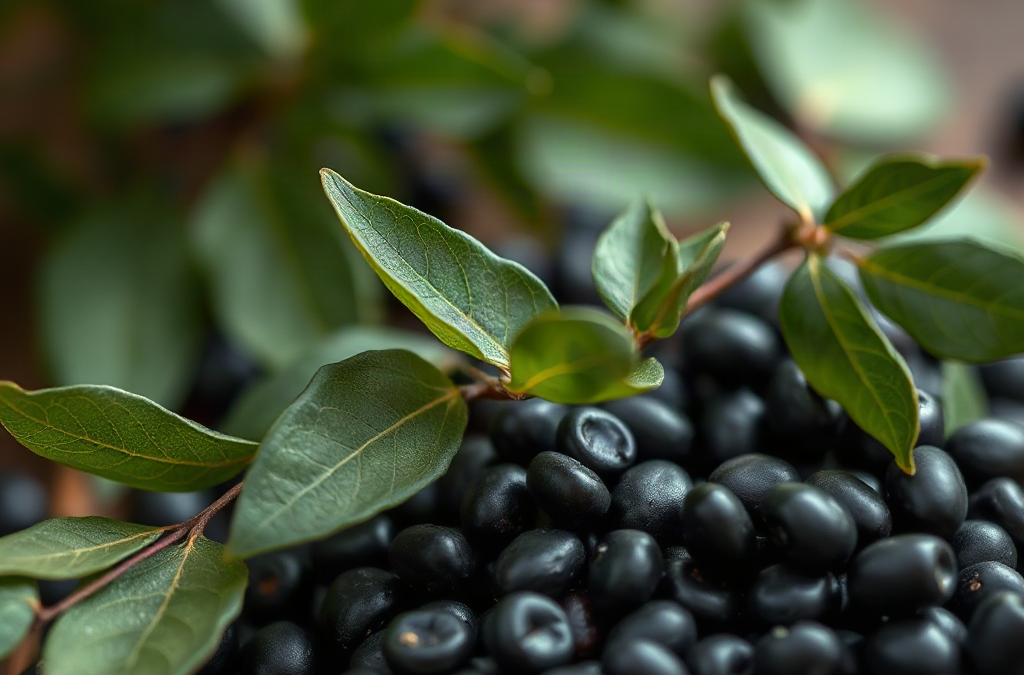
Organic black beans provide fiber and plant protein in the same whole food, making them useful for filling meals built around vegetables, grains, and healthy fats. Their soluble and insoluble fibers contribute to digestive regularity and slower carbohydrate digestion, while their protein adds substance but does not make them nutritionally interchangeable with every animal protein. Choose plain canned beans with modest sodium or cook dried beans until fully tender; rinse canned beans when reducing sodium matters. Increase portions gradually if legumes cause gas, and judge organic options by ingredients, sodium, cost, and convenience rather than assuming the organic label changes their basic nutrient profile.
How Do Black Beans Deliver Fiber and Protein?
Black beans combine two components that are often separated at a meal: dietary fiber and plant protein. Fiber adds bulk and is not digested in the same way as starch, while protein requires more digestive processing than rapidly available carbohydrate. That combination can make a bean-based meal more sustaining than a similar plate centered on refined rice, crackers, or bread alone.

The fiber is not a single substance with a single effect. Black beans contain a mixture of soluble and insoluble fibers, as well as carbohydrates that may reach the large intestine and be fermented by gut microbes. Insoluble fiber contributes bulk to stool, while soluble and fermentable components interact with water and intestinal bacteria. This fermentation is one reason beans can support a varied diet, but it is also why a large portion may cause gas when someone is not accustomed to legumes.
Protein gives black beans additional meal value, particularly for people reducing meat or varying their protein sources. Beans do not need to be paired with a complementary protein at every sitting. Eating a varied diet across the day can supply the range of amino acids the body uses. Still, beans should not automatically be treated as a one-for-one replacement for every protein-rich food: portion size, total energy needs, dietary restrictions, and the rest of the day’s intake all matter.
A practical comparison shows why the whole meal matters. A bowl containing black beans, brown rice, cabbage, salsa, and avocado offers protein and fiber alongside carbohydrate and fat. Black beans blended into a dip and eaten with vegetables provide a different balance than the same dip served mainly with refined chips. The beans are useful in both cases, but the surrounding ingredients determine whether the meal is varied, filling, and appropriate for the person eating it.
The common mistake is adding a very large amount immediately because beans are considered nutritious. Someone who rarely eats legumes may tolerate a smaller serving more comfortably, followed by gradual increases over several meals. Adequate fluid intake also matters when dietary fiber rises. Persistent digestive pain, severe bloating, or symptoms linked to a diagnosed digestive condition deserve individualized advice rather than repeated portion experiments.
Does Organic Change Their Nutritional Value?
The organic designation describes how agricultural ingredients are produced and handled under an applicable certification system; it does not transform black beans into a fundamentally different source of fiber or protein. Conventional and organic black beans are both legumes with broadly similar nutritional roles. Variety, growing conditions, processing, added ingredients, serving size, and preparation can all affect what reaches the plate.
Shoppers may choose organic beans because production practices align with their preferences. That is a legitimate purchasing consideration, but it should remain separate from claims that the label guarantees a dramatically better nutrient profile. A more useful comparison begins with the ingredient list and nutrition panel. For canned products, check whether the can contains beans, water, salt, and perhaps a firming agent or seasoning. Sweeteners, sauces, or substantial added fat can change how the product fits a meal more than the farming claim does.
Price creates a real constraint. If organic dried beans fit the household budget and cooking routine, they can be a practical pantry staple. If the organic premium leads someone to buy beans less often, plain conventional beans may provide more day-to-day dietary value than an organic package that strains the grocery budget. The same logic applies to convenience: an affordable can that can be opened on a busy evening may be more useful than dried beans that repeatedly remain uncooked.
Package condition and storage deserve equal attention. Do not buy cans that are bulging, leaking, or badly damaged around the seams. Store unopened cans and dry beans in a cool, dry place, and follow package directions for storage after opening. Dry beans keep their pantry usefulness for a long time, although older beans may take longer to soften and can cook unevenly.
A disciplined buying check keeps the organic label in perspective:
- Ingredients: Prefer plain beans when you want control over seasoning.
- Sodium: Compare products by the listed serving and servings per container.
- Usable cost: Account for the convenience of canned beans and the cooking time of dried beans.
- Certification claim: Confirm the package carries the organic labeling you intended to purchase.
The weak assumption is that “organic” settles every quality question. It does not reveal whether the product is oversalted, heavily seasoned, expensive for the usable amount, or suited to the planned recipe. Use it as one decision factor rather than a substitute for reading the rest of the package.
Should You Choose Canned or Dried Black Beans?
Canned beans are the stronger choice when speed and predictable tenderness matter; dried beans offer greater control over seasoning, texture, and batch size. Both forms can contribute fiber and protein, so the practical winner is the option a household can prepare safely and use consistently without excessive waste.
Canned black beans are already cooked. Draining removes the packing liquid, and rinsing can wash away some surface sodium and starch while giving the beans a cleaner flavor for salads, tacos, or grain bowls. Rinsing does not remove all sodium, so anyone closely managing sodium should still compare labels and consider no-salt-added or lower-sodium versions. The canning liquid can sometimes be used to thicken soup, but retaining it also retains its salt and flavor.
Dried beans require planning. Sort them to remove debris, rinse them, soak if the chosen method calls for it, and cook them in fresh water until fully tender. Soaking can shorten cooking and may improve textural consistency, but it does not replace thorough cooking. Acidic ingredients such as tomatoes or vinegar are often best added after the beans have softened because acidity can slow tenderizing. Cooking time varies with bean age, soaking method, water chemistry, and appliance, so texture is a better endpoint than a rigid clock time.
Undercooked beans are an avoidable failure. Properly cooked black beans should be creamy inside rather than chalky or hard at the center. A pressure cooker can reduce hands-on attention, but the manufacturer’s directions, fill limits, and pressure-release instructions should govern the process. A stovetop pot offers easier visual checks but needs enough water and occasional monitoring to prevent scorching.
Consider a household that needs dinner in 20 minutes. Canned beans can move directly into a skillet with onions, frozen corn, and spices after draining. For weekend batch cooking, dried beans may be cooked once, cooled promptly, divided into meal-sized containers, and refrigerated or frozen. The first situation rewards convenience; the second rewards control and lower cost per prepared batch where local prices support it.
Signs the method is working include evenly tender beans, intact but soft skins, and portions that are used before quality declines. Warning signs include repeatedly discarding unused cans, leaving cooked beans at room temperature for extended periods, or choosing dried beans despite never having time to cook them. Match the format to actual habits rather than an idealized cooking routine.
How Can You Build Balanced Black Bean Meals?
Black beans work best as a meal component rather than as a nutritional shortcut. Pairing them with vegetables, a grain or starchy vegetable, and a source of unsaturated fat creates more variety in texture and nutrients than simply adding beans to an otherwise unchanged plate. Portions can then be adjusted for appetite, energy needs, and digestive comfort.
For a simple lunch, combine black beans with cooked quinoa or brown rice, roasted peppers, leafy greens, pumpkin seeds, and a lime-based dressing. A warm dinner could use beans in a tomato and vegetable stew served with corn tortillas and cabbage. At breakfast, a modest portion can accompany eggs or tofu, sautéed spinach, and potatoes. These examples are not rigid formulas; they show how beans can occupy the protein-and-fiber role while other ingredients provide contrasting nutrients and flavors.
Seasoning determines whether plain beans become a repeatable staple. Cumin, coriander, garlic, oregano, smoked paprika, citrus, and fresh herbs can build flavor without relying solely on salt. Add salt thoughtfully after accounting for canned-bean sodium, broth, cheese, sauces, and packaged tortillas. If a dish tastes flat, acidity, aromatics, or toasted spices may solve the problem more effectively than another heavy pour of salt.
Digestive tolerance should shape progression. A person moving from a low-fiber pattern to daily bean meals may experience more fermentation than someone who eats legumes regularly. Begin with a smaller portion, observe comfort, and increase gradually. Rinsing canned beans, cooking dried beans fully, and spreading fiber-rich foods across the day may be easier than concentrating them in one very large meal. Gas alone does not prove intolerance, but severe or persistent symptoms should not be dismissed.
Black beans are not appropriate in every context without adjustment. Someone following a medically prescribed low-fiber or potassium-restricted diet may need professional guidance about type and amount. People with legume allergies must avoid the relevant trigger. Beans also do not replace clinical treatment for blood sugar, cholesterol, digestive disorders, or other conditions, even though their nutrient composition may fit many health-conscious eating patterns.
A useful weekly approach is to cook or buy enough for two distinct meals rather than repeating the same bowl. Use one portion in a vegetable-rich soup and another in tacos or a chilled salad. If the beans consistently remain uneaten, reduce the batch, change the seasoning, or choose cans. A successful routine is visible in comfortable digestion, minimal waste, satisfying meals, and a grocery cost the household can maintain.
Conclusion
Black beans earn pantry space by supplying plant protein and several forms of dietary fiber in a versatile whole-food package. Prioritize plain products, compare sodium when buying cans, and select canned or dried beans according to the time you can realistically devote to preparation. Cook dried beans until creamy throughout, store leftovers promptly, and increase portions gradually when your usual diet is low in legumes.
The organic designation may reflect purchasing values, but it should not overshadow ingredient quality, affordability, or actual use. Build meals around the beans with vegetables, grains or starchy vegetables, flavorful aromatics, and suitable fats. The best next step is practical: choose one format, prepare enough for two different dishes, and assess taste, digestive comfort, food waste, and cost before making it a routine purchase.
Frequently Asked Questions
Are organic black beans a complete protein?
Black beans contain multiple amino acids but are relatively limited in some essential amino acids compared with certain other protein sources. They need not be combined with a specific food at every meal; a varied diet across the day can provide complementary amino acids.
Does rinsing canned black beans remove their fiber?
Rinsing mainly removes packing liquid, surface starch, and some sodium. The fiber within the beans remains, although discarding the liquid may remove a small amount of material that has moved into it during canning.
Do dried black beans need to be soaked?
Not every cooking method requires soaking, but soaking can shorten cooking and promote more even softening. Follow the package or appliance directions and cook the beans until the centers are fully tender.
Why do black beans cause gas?
Gut bacteria ferment certain bean carbohydrates that escape digestion in the small intestine, producing gas. Smaller servings, gradual increases, and thorough cooking may improve tolerance, but persistent pain or severe symptoms warrant professional guidance.
Are organic black beans more nutritious than conventional beans?
The organic label concerns production and handling standards, not a guaranteed nutritional advantage. Compare ingredients, sodium, preparation, price, and serving size rather than assuming the label alone determines nutrient quality.