Sep 30, 2026 | Organic Nutrition
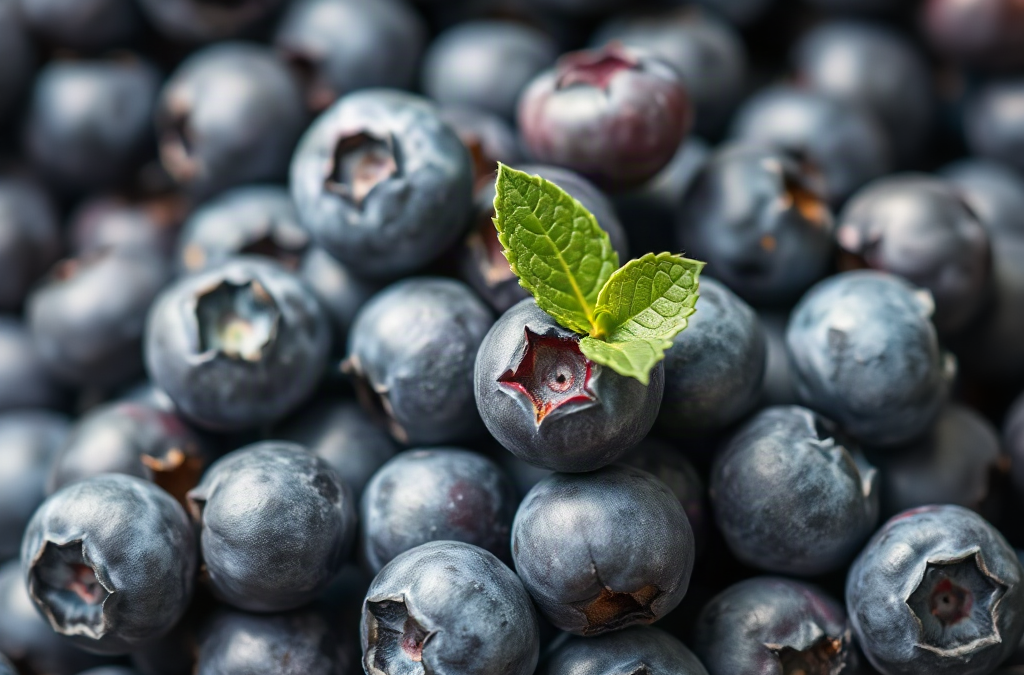
Organic blueberries are nutritionally most similar when fresh and frozen, while drying and juicing change their fiber, sugar concentration, texture, and practical uses. Fresh berries suit snacking and uncooked dishes; frozen berries retain useful nutrients and work well in oatmeal, smoothies, sauces, and baking.
Sep 29, 2026 | Organic Nutrition
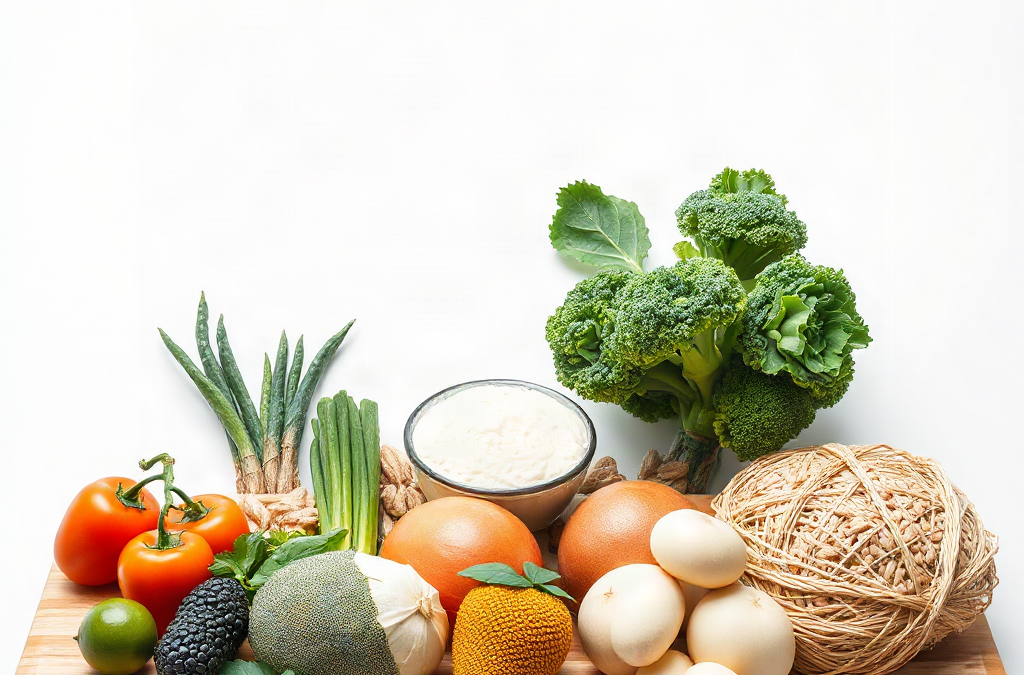
Organic nutrition for good health should prioritize a varied diet of vegetables, fruit, whole grains, legumes, nuts, seeds, and suitable protein sources rather than treating the organic label as proof of nutritional quality. Organic certification addresses production methods, while fiber, protein, unsaturated fats, vitamins, minerals, added sugar, sodium, and overall…
Sep 28, 2026 | Healthy Eating, Organic Nutrition
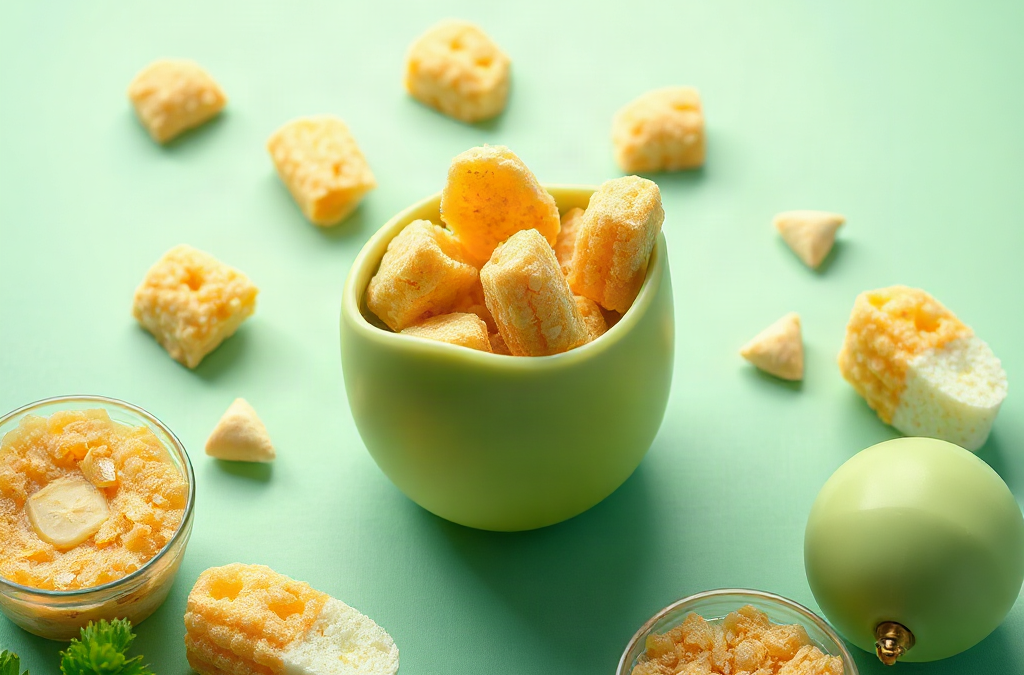
Organic snacks with less added sugar are best identified through seven label checks: added sugars, serving size, ingredient order, total carbohydrate, fiber, protein, and portion format. Organic certification addresses how qualifying ingredients are produced, but it does not mean a snack is low in sugar or minimally processed.
Sep 23, 2026 | Organic Nutrition
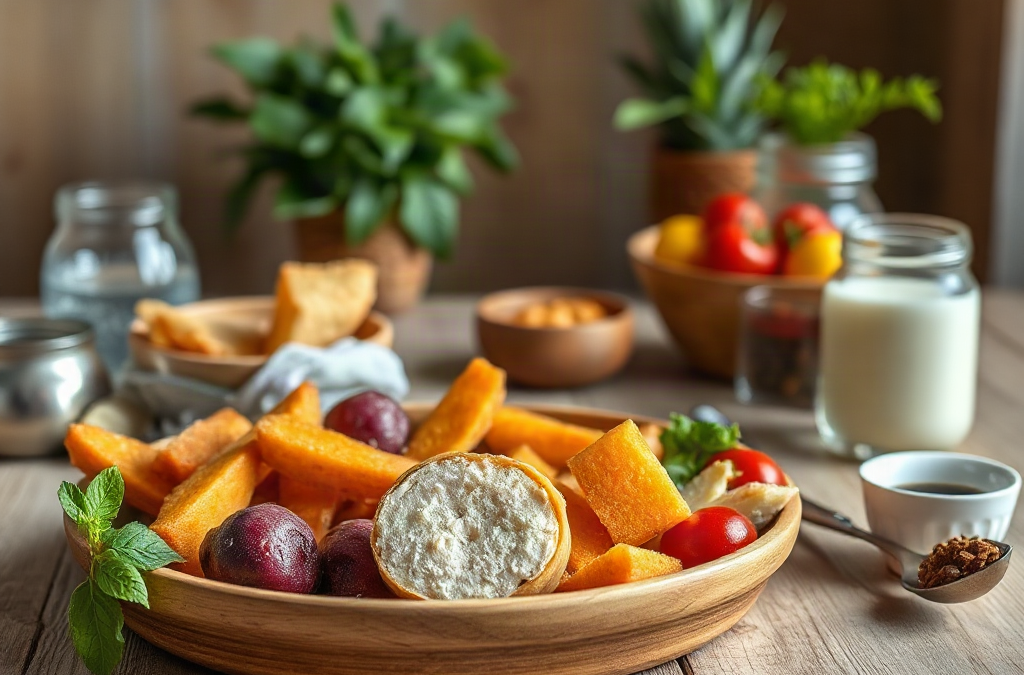
Post-exercise organic meal composition for recovery should combine a substantial protein source, carbohydrate matched to training demand, fluids, and enough sodium to replace sweat losses. Protein supplies amino acids for muscle repair, while carbohydrate replenishes glycogen used during demanding or prolonged exercise.
Sep 23, 2026 | Organic Nutrition
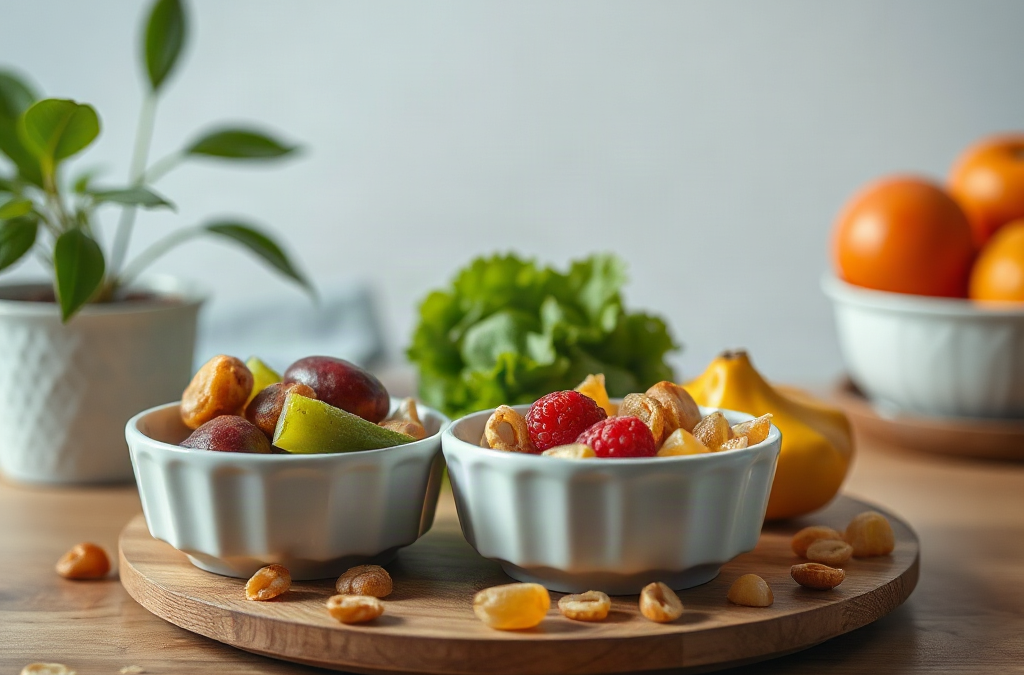
For comfortable digestion, eat a small pre-exercise organic snack about 30–60 minutes before light or moderate activity, or allow 1–3 hours for a larger snack. Favor familiar, carbohydrate-rich choices such as a banana, applesauce, toast, or a small bowl of oatmeal while limiting large portions, high-fat ingredients, excess fiber, and sugar alcohols close to movement.
Sep 22, 2026 | Organic Nutrition
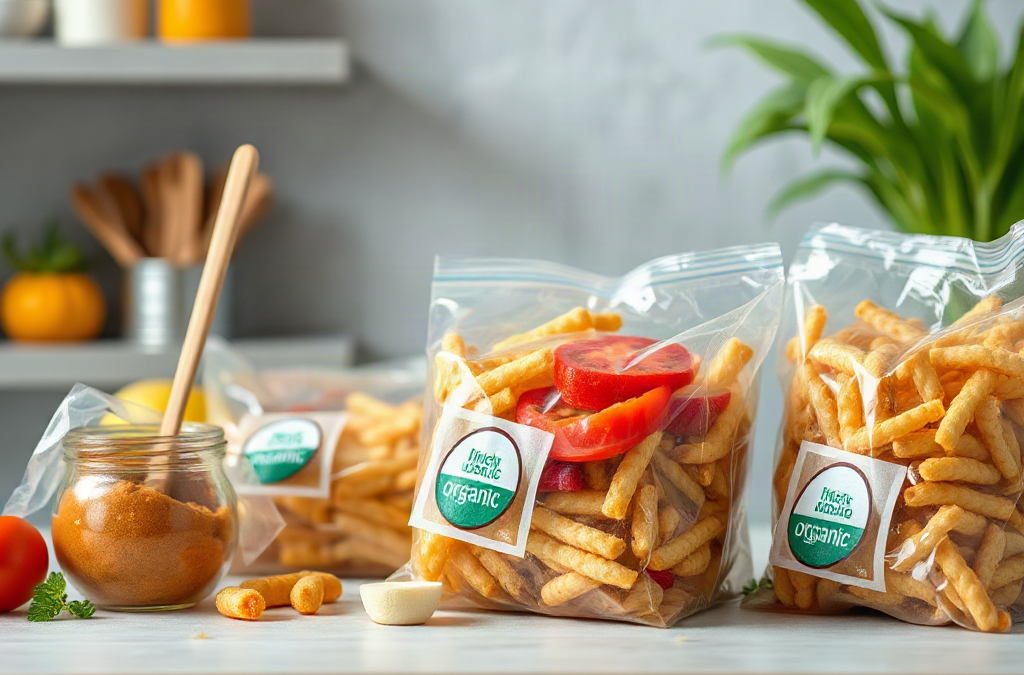
Assess packaged organic convenience foods by examining the ingredient list, food structure, added sugars, sodium, refined oils, flavorings, and the purpose of each processing step. An organic seal describes how qualifying agricultural ingredients were produced; it does not mean a frozen meal, snack bar, or instant soup is minimally processed or nutritionally balanced.