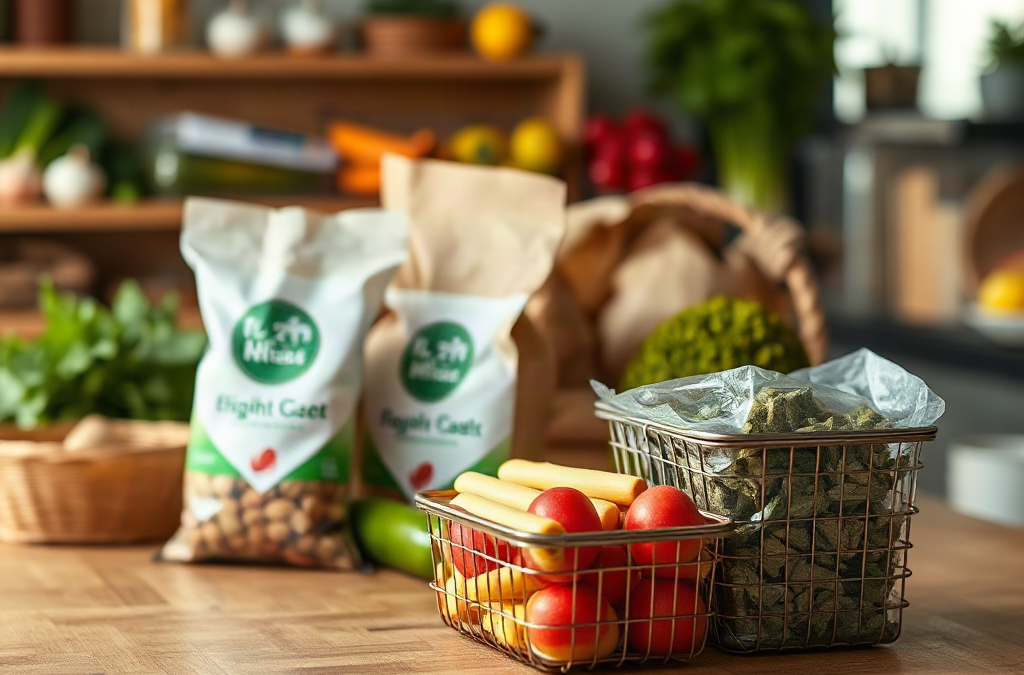
Sep 21, 2026 | Organic Nutrition
Unit-price comparisons for organic and conventional staples are most useful when prices are converted to the same ounce, pound, or usable serving and then weighed against package size, expected waste, and how often the ingredient is eaten.
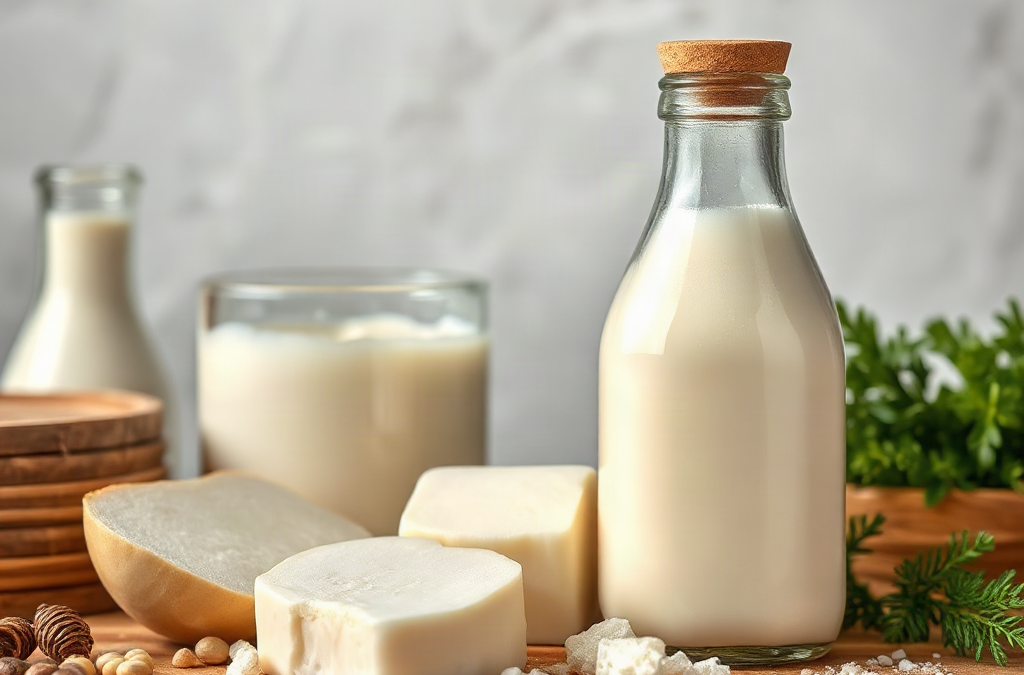
Sep 20, 2026 | Organic Nutrition
Dairy label checks should confirm whether cultures are listed or described as live and active, identify the product’s milk-fat level, and separate naturally occurring lactose from added sugar on the Nutrition Facts panel. Review the ingredient list and any culture statement together because fermentation does not guarantee that viable cultures…

Sep 17, 2026 | Organic Nutrition
Organic sourdough ingredients and fermentation claims should be judged separately: organic flour describes how grain was produced, while fermentation depends on wild yeast, lactic-acid bacteria, hydration, temperature, and time. A starter may change acidity, flavor, and texture, but fermentation does not automatically remove gluten, make bread suitable for celiac disease, or guarantee superior nutrition.
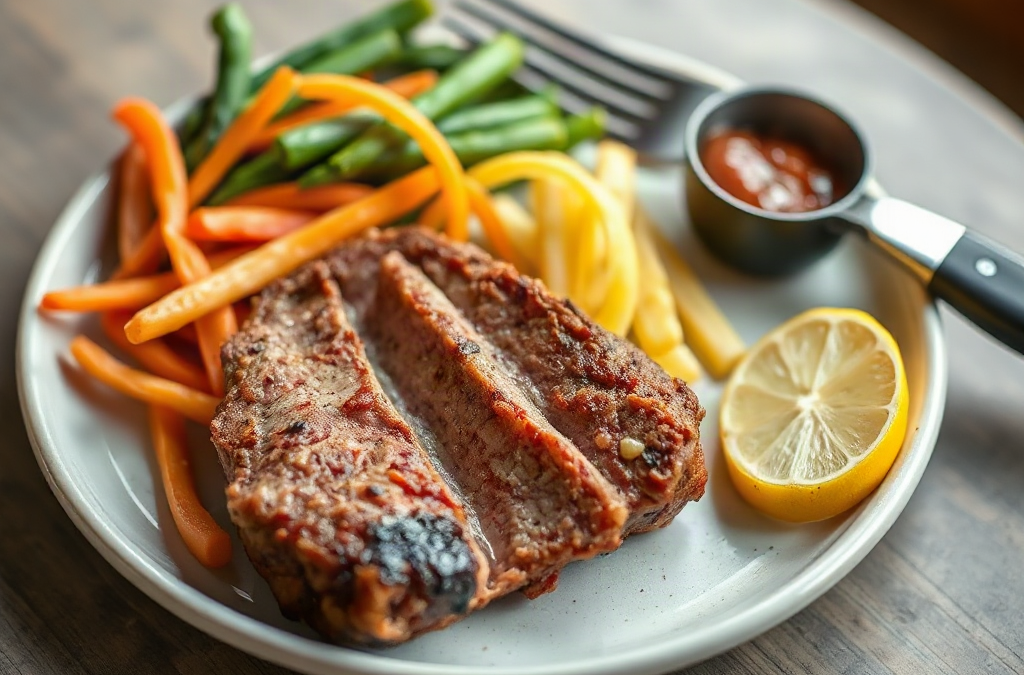
Sep 15, 2026 | Organic Nutrition
Organic meat portions in a balanced eating pattern work best when a modest serving provides protein while vegetables, legumes, whole grains, fruit, and unsaturated fats fill out the meal. A practical starting point is about 3 to 4 ounces of cooked meat, adjusted for appetite, body size, activity, and the…
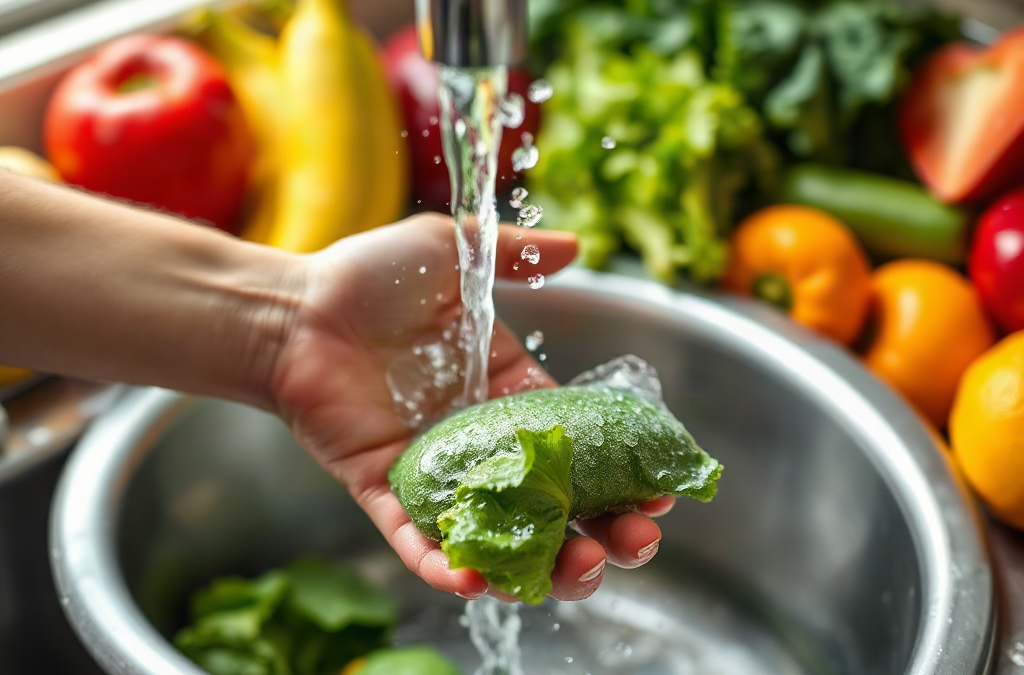
Sep 15, 2026 | Organic Nutrition
Washing organic produce and contamination control depend on clean hands, potable running water, separation from raw foods, and prompt drying rather than soap or commercial produce washes. Rinse firm and delicate produce under running water, rub surfaces with clean hands or a dedicated brush, remove damaged areas, and dry with…
Sep 14, 2026 | Organic Nutrition
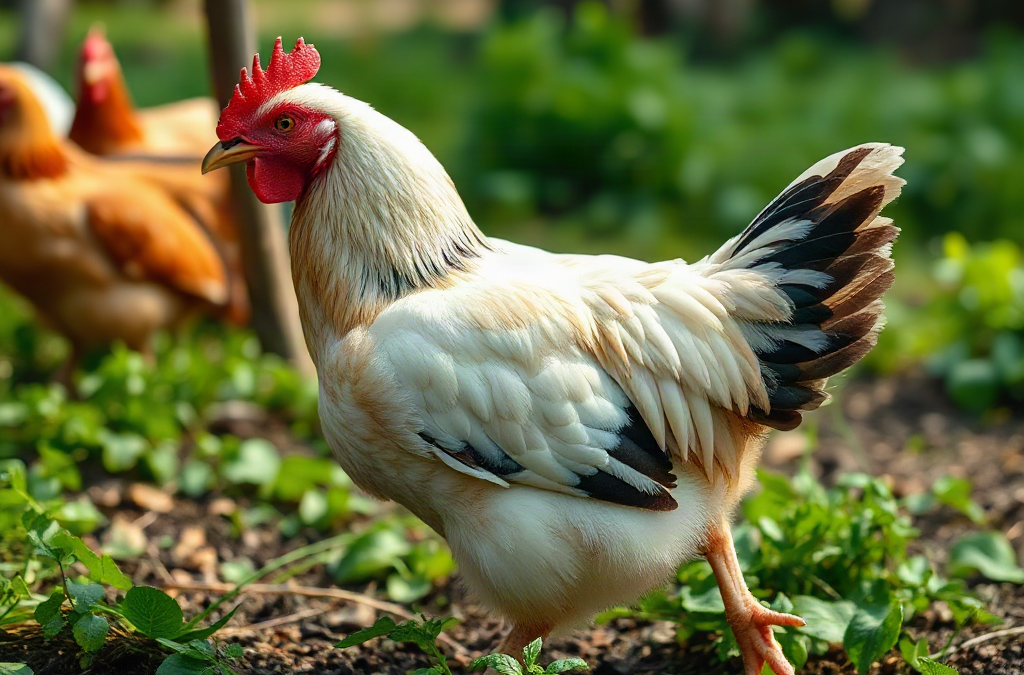
Organic poultry labels beyond the organic seal require comparing production claims such as pasture-raised, free-range, no antibiotics, and humane treatment rather than treating them as interchangeable. The organic seal addresses certified production requirements, while extra claims may describe outdoor access, medication practices, feed, or animal-care standards with different definitions and verification methods.



