Sep 14, 2026 | Organic Nutrition
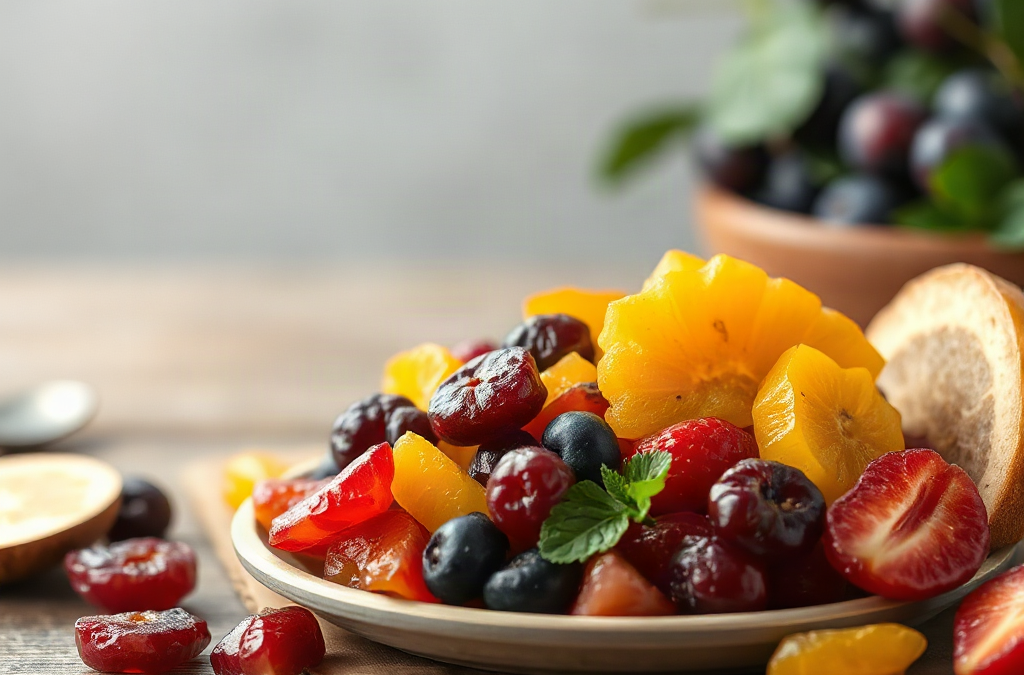
Organic dried fruit portions and added sugar checks work best when you compare the serving size with the actual amount you eat and inspect the ingredient list for sweeteners. Dried fruit is concentrated because water has been removed, so a small handful can represent several pieces of fresh fruit and may deliver substantial natural sugar.
Sep 13, 2026 | Organic Nutrition
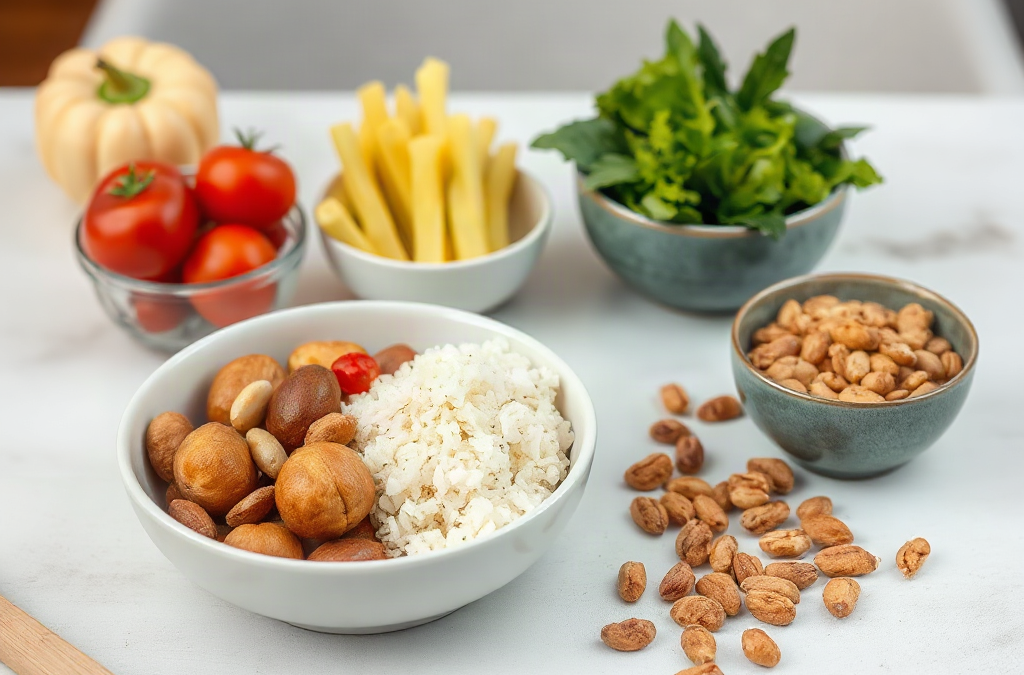
Organic nutrition and blood pressure friendly meals work best when they emphasize minimally processed produce, beans, whole grains, unsalted nuts, and modest amounts of low-sodium protein while limiting packaged foods, salty sauces, and excess alcohol.
Sep 13, 2026 | Organic Nutrition
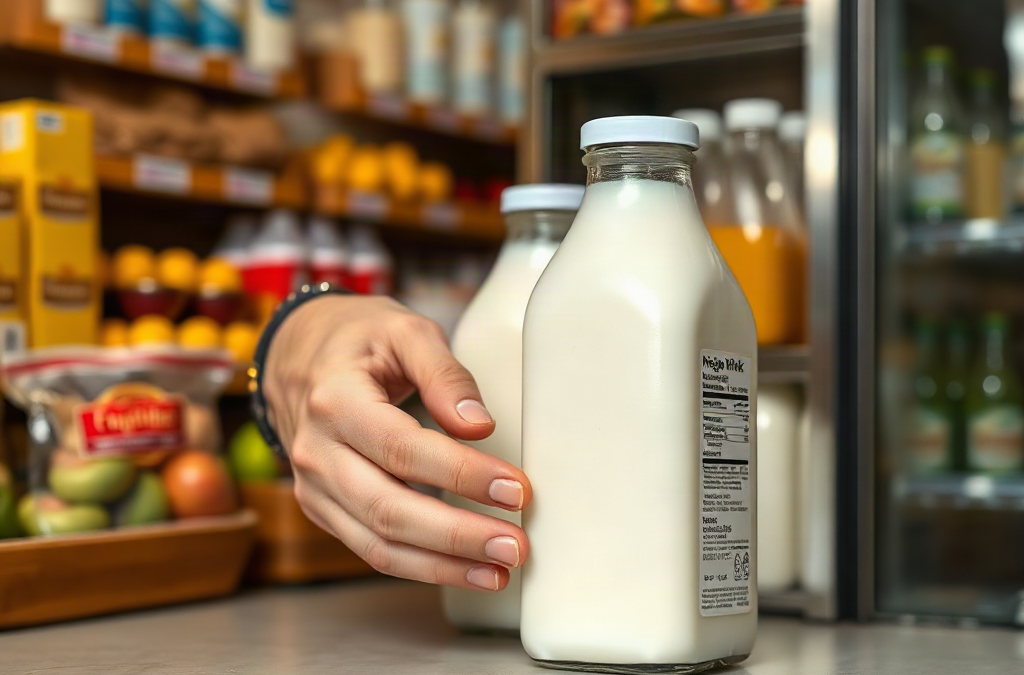
Safe handling of organic raw milk products means controlling contamination and temperature from purchase through serving, because organic certification does not make raw milk pasteurized or eliminate pathogens. Buy only from a lawful, reputable source, keep containers cold in an insulated carrier, refrigerate them promptly, and use clean hands, utensils, and storage shelves.
Sep 12, 2026 | Organic Nutrition
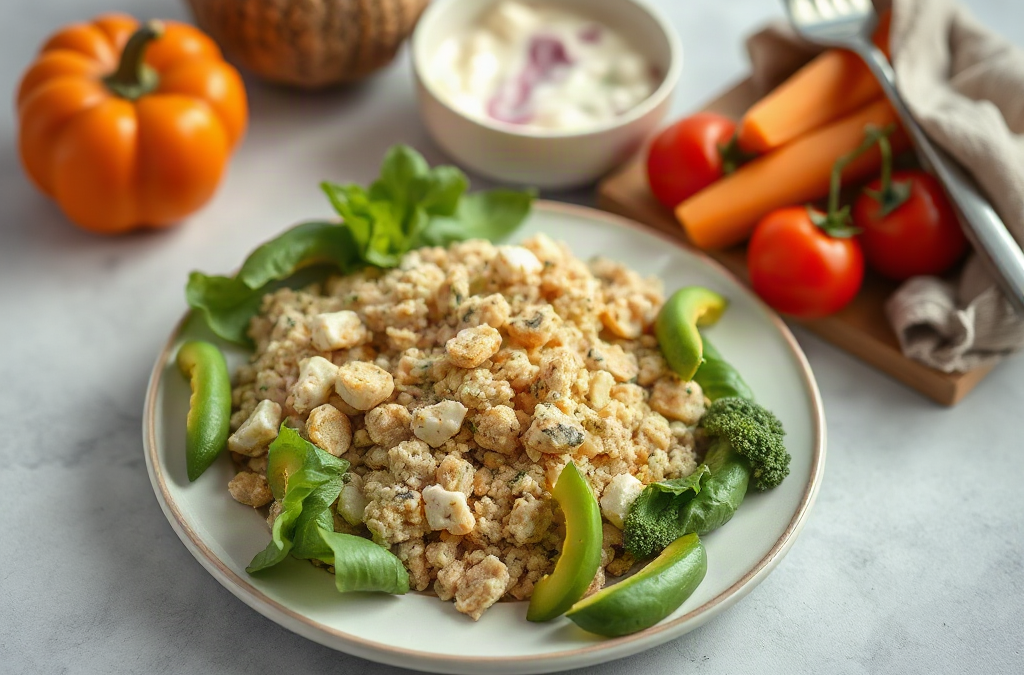
Explore organic nutrition for people avoiding gluten through plate around naturally and fiber, protein, considering the conditions that change the outcome.
Sep 10, 2026 | Organic Nutrition
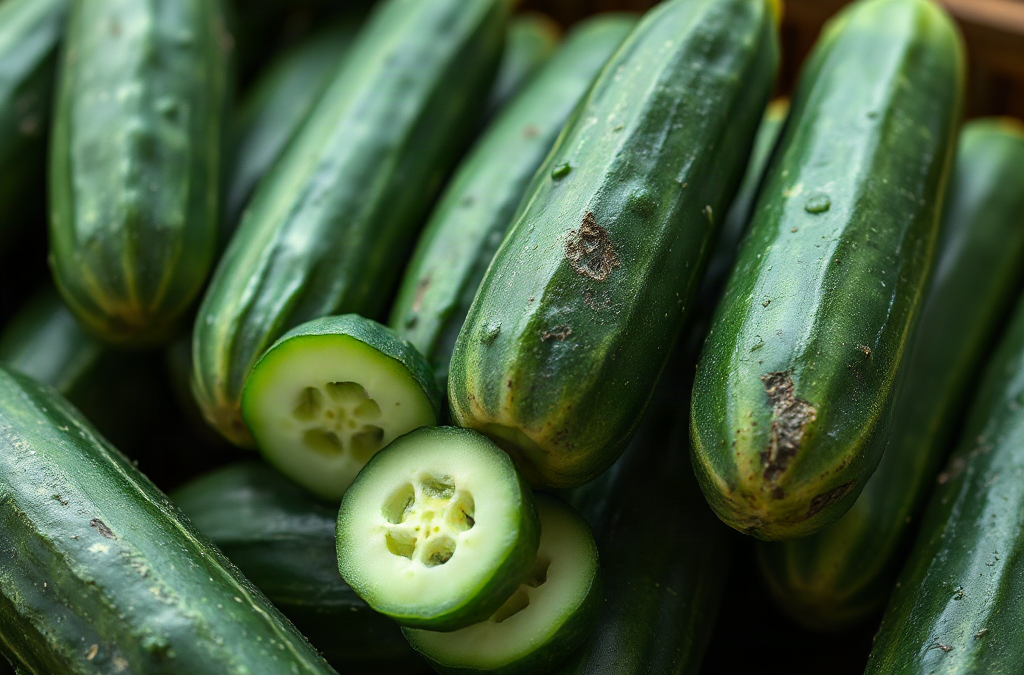
Choosing organic cucumbers for everyday meals is easiest when you prioritize firmness, intact skin, suitable size, and proper refrigeration over appearance alone. Select cucumbers that feel heavy for their size, have crisp ends, and show no soft spots, shriveling, cuts, or yellowing; smaller types often suit salads and snacking, while…
Sep 9, 2026 | Organic Nutrition
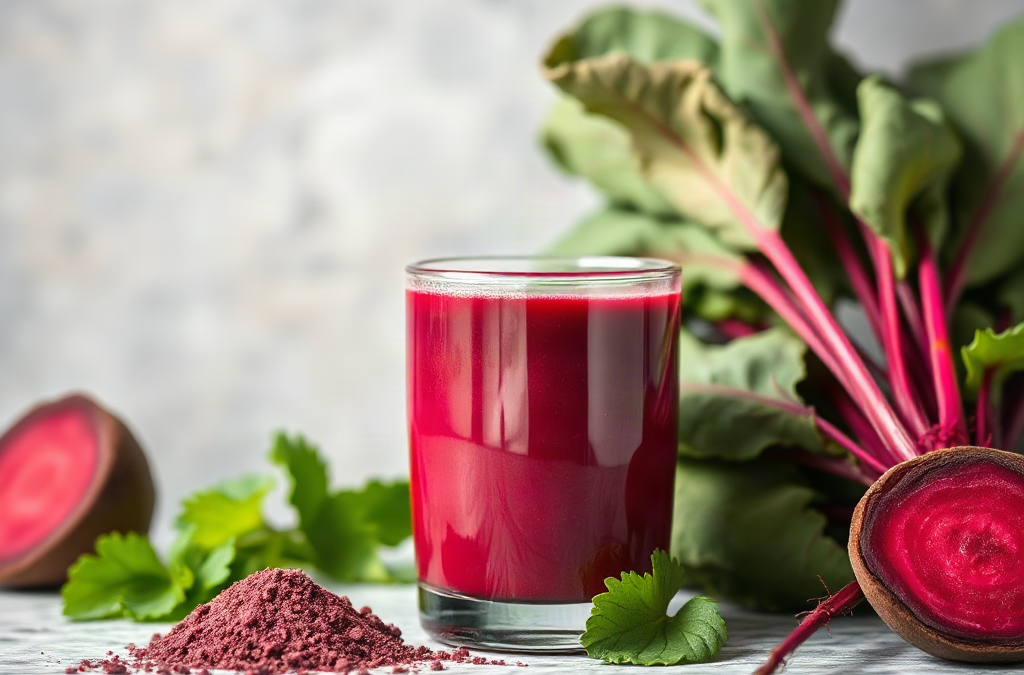
Organic beetroot powder versus beet juice comparison comes down to concentration, convenience, and how reliably each product delivers dietary nitrate. Beet juice is ready to drink and may provide a more predictable liquid dose, while powder stores longer, travels easily, and can be mixed into food or water.