Organic hemp hearts provide plant protein and unsaturated fats in a soft, ready-to-eat seed that works well in breakfasts, snacks, sauces, and grain bowls. Their protein contains all nine essential amino acids, while their fat includes linoleic acid and alpha-linolenic acid, although they should not be treated as a complete substitute for every protein or omega-3 source. Choose certified-organic packages with a fresh date, intact seals, and no unnecessary sweeteners or oils. Store opened hemp hearts in the refrigerator or freezer because their exposed oils can become rancid.
What Nutrients Do Hemp Hearts Provide?
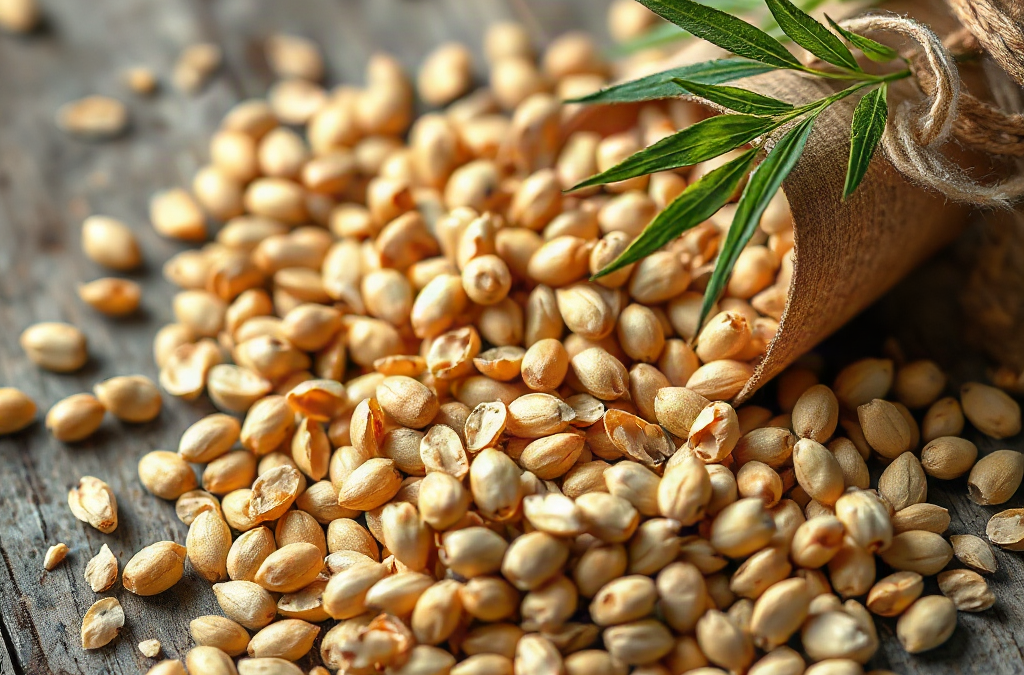
Hemp hearts are the tender inner portion of hemp seeds after the hard outer hull has been removed. Removing the hull creates a softer texture and makes the seeds easy to stir into food without soaking or grinding. It also means the product differs from whole hemp seed: hemp hearts retain concentrated protein and oil but contain less of the fiber associated with the intact hull.
Their two defining macronutrients are protein and fat. Hemp protein supplies all nine essential amino acids, which the body must obtain from food, but the amount and amino-acid balance still matter. The presence of every essential amino acid does not automatically make a typical spoonful nutritionally interchangeable with a larger serving of tofu, lentils, eggs, fish, or another substantial protein food. Package nutrition panels are the practical way to compare grams of protein per serving because serving sizes and products can differ.
Most of the fat in hemp hearts is unsaturated. It includes the polyunsaturated fatty acids linoleic acid, an omega-6 fat, and alpha-linolenic acid, or ALA, an omega-3 fat. A 2024 review available through PubMed Central describes hemp seed as a source of protein and polyunsaturated lipids. ALA is an essential fatty acid, but the body converts it to the longer-chain omega-3 fats EPA and DHA inefficiently and variably. Hemp hearts therefore add ALA to a diet, but people seeking EPA and DHA may still need suitable foods or professionally guided alternatives.
Hemp hearts also contribute minerals, with exact quantities shown on the product label or in a reliable food-composition database. Their nutrient density comes with meaningful energy density because fat provides more calories per gram than protein or carbohydrate. That is useful when a compact addition is wanted, such as enriching oatmeal for someone with a small appetite. It can work against a person’s goal when several unmeasured handfuls are added to an already energy-dense smoothie.
A common mistake is treating hemp hearts as a high-fiber seed comparable to whole flax or chia. Shelled hemp is usually valued more for protein, fat, texture, and convenience than for fiber. If fiber is the priority, combine it with berries, oats, beans, vegetables, chia, or ground flax rather than assuming the hemp hearts cover that need.
How Does Hemp Protein Compare With Other Plant Options?
Hemp hearts work best as a protein contributor rather than the sole protein anchor of most meals. A sprinkle can improve the nutrient content of toast or fruit, but it may not turn either into a protein-rich meal by itself. The useful question is not whether hemp contains protein; it is whether the amount used meaningfully advances the meal toward an individual’s needs.
Compared with beans and lentils, hemp hearts are quicker to use and higher in fat, while legumes generally provide more carbohydrate and fiber alongside protein. Compared with tofu, tempeh, or soy milk, a normal garnish of hemp hearts is usually less substantial in volume and protein contribution. Nuts and other seeds occupy a more similar role: they provide varying mixtures of protein, unsaturated fat, minerals, texture, and flavor. Hemp hearts stand out for their mild taste and tender consistency, which require no grinding.
Amino-acid quality adds another layer. Hemp supplies essential amino acids, yet it is not especially rich in lysine relative to some other protein sources. Legumes and soy foods can strengthen the overall amino-acid pattern of a plant-forward eating plan. Exact pairing at every meal is unnecessary for most people eating enough varied food across the day; diversity is more practical than trying to engineer a perfect combination in each bowl.
Consider two breakfasts. Oatmeal with fruit and a light dusting of hemp hearts gains some protein and fat, but the total may remain modest. A bowl made with soy milk, oats, hemp hearts, and fruit draws meaningful protein from more than one ingredient while retaining fiber-rich carbohydrate. Alternatively, Greek yogurt with hemp hearts may suit someone who eats dairy. The ingredient should fit the dietary pattern rather than being forced into the role of a complete meal.
Protein powders offer another comparison. Hemp protein powder is usually produced after much of the seed oil has been removed, so it is not nutritionally identical to hemp hearts. Powder may deliver more protein relative to calories, whereas hearts preserve more of the naturally occurring fat and provide a food-like texture. Choose powder when concentrated protein is the main objective and whole hearts when taste, texture, fats, and modest protein all matter.
Signs the approach is working are practical: meals are satisfying, the addition fits total energy needs, and protein comes from several dependable foods throughout the day. A failing pattern relies on decorative spoonfuls while the rest of the meal lacks a substantial protein source. Reviewing the entire plate corrects that mismatch more effectively than simply adding more seeds.
How Should You Choose Organic Hemp Hearts?
Choose hemp hearts by verifying the organic claim, ingredient list, package condition, freshness information, and nutrition panel. In the United States, a credible retail package making an organic claim should display the appropriate certification information rather than relying only on natural-looking design or words such as clean and pure. Organic certification concerns production and handling standards; it does not automatically mean a product has more protein, fewer calories, or a better fatty-acid profile than every conventional counterpart.
The simplest product has one ingredient: organic shelled hemp seeds or organic hemp hearts. Flavored blends may include salt, sugar, sweeteners, spices, or added oils. Those products are not inherently unsuitable, but they serve a different purpose and can make comparison difficult. Compare equivalent serving sizes rather than choosing whichever front label displays the largest protein number.
Use this compact package check before buying:
- Confirm the certification: Look for a recognized organic seal and certifier information appropriate to where the product is sold.
- Read the ingredient list: Decide whether you want plain seeds or a seasoned blend with additional ingredients.
- Compare equal amounts: Check protein, fat, sodium, added sugar, and serving size on a like-for-like basis.
- Inspect freshness cues: Prefer an intact, opaque or light-protective package with a useful best-by date.
- Match size to use: Buy only what can be kept cold and consumed while its flavor remains fresh.
Package design deserves attention because shelled seeds expose more oil to oxygen than intact seeds do. A resealable pouch or tightly closing container reduces repeated air exposure, while protection from heat and light slows flavor deterioration. A large bulk bag may cost less per ounce, but it is poor value if it sits warm for months and develops an unpleasant taste. Smaller packages may be the sounder choice for an occasional user.
Price differences can reflect certification, origin, packaging, brand positioning, or retailer margin. Cost alone does not establish nutritional quality. If two plain certified-organic products have comparable labels, choose based on freshness, package size, storage instructions, and realistic use rate. Someone adding hemp hearts daily may benefit from a larger refrigerated supply; someone testing the flavor should begin with a smaller bag.
A frequent purchasing error is assuming the organic seal covers every nutrition or safety preference. Certification does not replace checking allergens, shared-facility statements, sodium in flavored products, or personal dietary restrictions. People who need tightly controlled allergen avoidance should contact the manufacturer when the package does not answer cross-contact questions clearly.
Using Hemp Hearts in Everyday Meals
Hemp hearts are easiest to use where their mild, slightly nutty flavor and soft texture complement food already on the menu. They need no soaking, and they blend into moist dishes without the pronounced crunch of many whole seeds. Begin with the labeled serving or a smaller amount, then adjust for flavor, energy needs, and the rest of the meal.
For breakfast, stir them into oatmeal after cooking, layer them into yogurt, or blend them into a smoothie. Adding them at the end preserves their delicate flavor and makes the amount visible. A smoothie containing fruit, juice, nut butter, and a large portion of hemp hearts can become very energy-dense without feeling filling to everyone. When protein is the goal, use a clear anchor such as soy milk or dairy yogurt, then treat hemp hearts as a supporting ingredient rather than assuming the seeds carry the entire drink.
At lunch or dinner, scatter them over lentil soup, roasted vegetables, salads, or grain bowls. A bowl with quinoa, chickpeas, greens, peppers, and hemp hearts combines several protein sources with fiber-rich plants. Hemp hearts can also thicken a blended sauce. Processing them with water, lemon, herbs, and seasonings produces a creamy dressing without relying on dairy, although the result will contain more fat and less protein than some yogurt-based sauces.
Heat is a tradeoff rather than an absolute prohibition. Hemp hearts can be included in muffins, granola, or savory bakes, but prolonged high heat can dull their flavor and exposes delicate polyunsaturated oils to heat and oxygen. For maximum fresh taste, add them after cooking or use moderate baking applications instead of repeatedly frying them. Hemp seed oil requires separate treatment and should not be assumed to behave like the whole heart in high-heat cooking.
Texture signals whether the application fits. Fresh hemp hearts should taste mild and blend easily into soft foods. If a family dislikes visible seeds, blend them into a dressing, soup, or smoothie. If a dish already contains several rich ingredients, use a restrained topping and add vegetables or legumes for volume and fiber. The common failure mode is adding them automatically to every meal without considering what is missing. They solve a protein-and-fat gap more effectively than a vegetable, fiber, or EPA-and-DHA gap.
Measure occasionally until the usual portion becomes familiar. Precise tracking is unnecessary for many people, but pouring directly from a large bag makes it easy to underestimate an energy-dense ingredient. The nutrition label provides the most relevant serving information for the exact product in the kitchen.
Storage, Safety, and Dietary Limits
Cold, airtight storage protects hemp hearts after opening because their unsaturated oils are vulnerable to oxidation. Follow the manufacturer’s directions, reseal the package firmly, and refrigerate it unless the label provides different instructions. Freezing can be practical for a large quantity that will not be used soon. Keep the serving utensil clean and dry so moisture and food crumbs do not enter the package.
Fresh hemp hearts have a mild, nutty character. Sharp bitterness, a paint-like or stale-oil odor, or an unexpectedly harsh aftertaste can indicate rancidity. Discard a product that smells or tastes clearly off rather than masking it in a smoothie. Refrigeration slows deterioration but cannot restore oils that have already oxidized. Writing the opening date on the bag helps households that use seeds only occasionally.
Dietary fit also matters. Seed allergy is possible, and anyone with a known hemp allergy should avoid the product. People with a history of serious food reactions or unclear symptoms should seek guidance from a qualified clinician rather than testing a questionable food at home. Manufacturing cross-contact is a separate concern, so consumers managing severe allergies should examine facility statements and obtain clarification from the company when needed.
Hemp hearts come from varieties of Cannabis sativa cultivated for food, but they are not used for intoxicating effects. Consumers subject to sensitive drug-testing rules may still prefer products from manufacturers that document ingredient sourcing and quality controls, because individual circumstances and testing policies differ. An organic claim should not be interpreted as a guarantee about every possible contaminant or trace compound.
Digestive tolerance often depends on amount and context. A large, sudden portion of a fatty seed may cause discomfort for some people, particularly when added to an already rich meal. Start with a modest amount if hemp hearts are new, and evaluate comfort before increasing it. Anyone following a medically prescribed diet, managing swallowing difficulties, or needing individualized limits for protein, minerals, or energy should discuss regular use with an appropriate health professional.
The main limitation is nutritional substitution. Hemp hearts should not displace the variety supplied by legumes, whole grains, vegetables, fruit, and other protein foods. They are useful precisely because they are convenient and concentrated, not because they eliminate the need for a varied eating pattern.
Frequently Asked Questions
Are hemp hearts a complete protein?
They contain all nine essential amino acids, but their amino-acid proportions and the amount in a typical serving still matter. Use them alongside varied protein sources such as legumes, soy foods, dairy, eggs, or other foods that fit your diet.
Do hemp hearts provide omega-3 fat?
Yes. They provide the plant omega-3 alpha-linolenic acid, or ALA. They are not a direct source of the same amounts of EPA and DHA found in certain seafood or algae-derived products.
Should organic hemp hearts be refrigerated?
Refrigeration after opening is a sensible default because the exposed unsaturated oils can oxidize. Follow the package directions, seal the container tightly, and freeze excess product if it will be stored longer.
Can hemp hearts replace protein powder in a smoothie?
They can add protein, but they also contribute substantial fat and may provide less concentrated protein than a powder. Compare labels and choose according to whether whole-food texture, total protein, or calorie density is the priority.
Are hemp hearts high in fiber?
Not compared with many intact seeds because the fiber-rich outer hull has been removed. Pair them with oats, berries, beans, vegetables, chia, or ground flax when increasing dietary fiber is the main objective.
Conclusion
Hemp hearts earn their place in the kitchen through convenience: they add protein, unsaturated fat, mild flavor, and a creamy texture without soaking or grinding. Their best role is supportive rather than all-purpose. Build meals around varied protein foods and fiber-rich plants, then use hemp hearts where a compact nutrient boost improves the dish.
Prioritize a plain certified-organic product, compare equivalent serving sizes, and buy a package that matches how quickly you will use it. Refrigerate opened seeds in a tightly sealed container and replace them if the aroma or flavor turns bitter or stale. For the next meal, try a measured amount in oatmeal, yogurt, a bean-and-grain bowl, or a blended dressing. Judge the choice by the complete meal—not by a single front-label claim or the reputation of one ingredient.
Additional Resources
Authoritative Sources
- Hemp Seeds (Cannabis sativa L.) as a Valuable Source of ...
pmc.ncbi.nlm.nih.govBy VT Apetroaei · 2024 · Cited by 122 — Hemp seeds are also rich in healthy lipids with a high content of polyunsaturated fatty acids, such as linoleic acid (omega-6), alpha-linolenic acid (omega-3),