Organic wild blueberries generally deliver a more intense flavor, smaller fruit, and more pigment-rich skin per serving, while cultivated berries offer larger size, milder sweetness, and wider fresh availability. Wild berries are commonly sold frozen because they are delicate and harvested over a short season; cultivated blueberries are easier to find fresh and may work better for snacking or presentation. Both provide fiber, vitamin C, manganese, and anthocyanin pigments, but neither should be treated as a disease remedy. Choose according to intended use, price, texture, and whether verified organic production matters more than berry type alone.
How Do Wild and Cultivated Blueberries Differ?
Wild and cultivated blueberries come from different plants and reach the market through different production systems. The wild berries commonly sold in North America are lowbush blueberries that spread close to the ground through underground stems. Commercial producers manage naturally established fields rather than planting every bush in orderly rows. Cultivated blueberries usually come from highbush varieties selected for traits such as fruit size, firmness, harvest timing, and shipping durability.
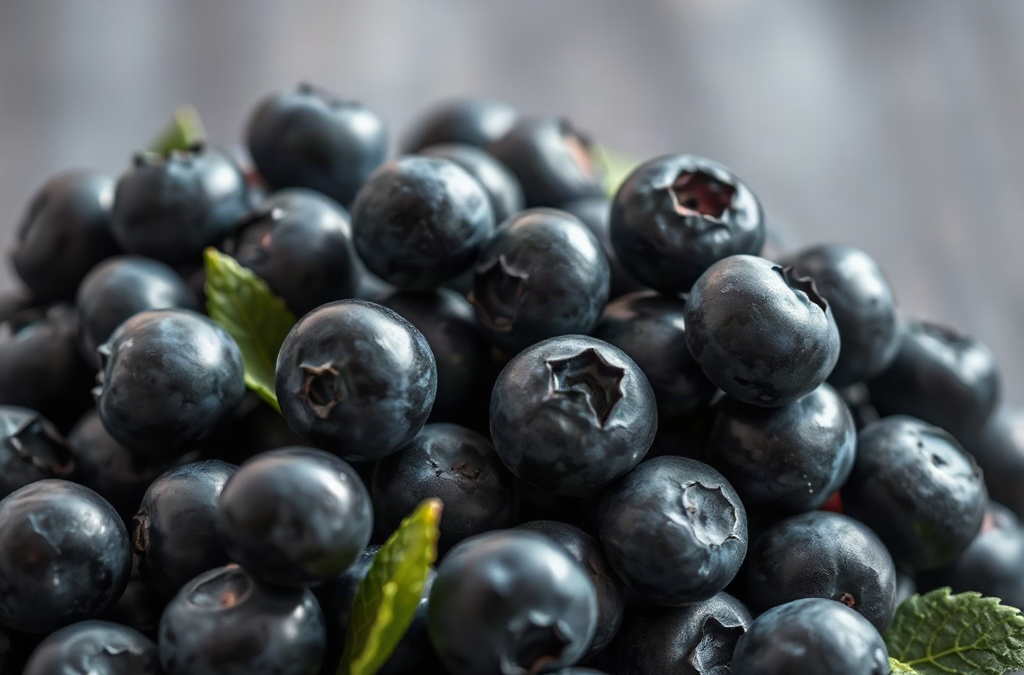
The physical contrast is easy to see. Wild blueberries are generally smaller, with more skin relative to their total volume. Their color often extends farther into the flesh, and their flavor can be concentrated, tart, or variable from berry to berry. Cultivated fruit tends to be larger, paler inside, and more consistent in sweetness and texture. Variety, ripeness, weather, storage, and handling still affect both types, so size alone does not determine quality.
Harvest and distribution explain why shoppers usually encounter the two products in different forms. Cultivated berries can be hand-picked or mechanically harvested, depending on their destination, and firm varieties tolerate fresh packing reasonably well. Wild blueberries are small, closely clustered, and highly perishable after harvest. Freezing them promptly protects practical eating quality and makes a short regional crop available throughout the year. A frozen bag is therefore not an inferior substitute by default; it is often the normal retail format for wild fruit.
| Characteristic | Wild blueberries | Cultivated blueberries |
|---|---|---|
| Typical size | Small | Medium to large |
| Flavor | Concentrated and variable | Milder and more uniform |
| Common retail form | Frozen | Fresh or frozen |
| Best practical uses | Oatmeal, sauces, smoothies, baking | Snacking, salads, garnishes, baking |
A common mistake is assuming that “wild” means untouched forest fruit. Commercial wild-blueberry fields are managed agricultural areas and may involve pruning, pest control, pollination management, and mechanical harvesting. Likewise, “cultivated” does not describe one uniform berry. Numerous cultivars differ in flavor, skin thickness, firmness, and harvest season. Buyers should treat the labels as useful descriptions of plant type and production style, not complete quality grades.
Are Their Nutrition and Antioxidant Profiles Different?
Both berry types are nutrient-dense whole fruits, and their shared qualities matter more than attempts to declare one universally superior. Blueberries supply dietary fiber, vitamin C, manganese, water, natural sugars, and plant compounds called polyphenols. Their blue and purple pigments include anthocyanins, a family of compounds studied for antioxidant and cell-signaling activity. Research interest does not turn either berry into a treatment, and laboratory measurements cannot predict a specific health outcome for an individual.
Wild blueberries often contain more deeply pigmented skin relative to their weight because each berry is small. That structural difference can contribute to a greater concentration of anthocyanin pigments in some comparisons. Results still depend on the species, growing conditions, ripeness, storage, laboratory method, and serving basis. A comparison per cup may not tell the same story as one made per gram, and one branded frozen product should not be assumed to represent every wild crop.
Cultivated berries remain a substantial source of colorful plant compounds. A person who readily eats fresh highbush blueberries several times a week may gain more practical dietary value than someone who buys a costly wild product but rarely uses it. Regularly replacing a low-fiber dessert or heavily sweetened snack with either kind of whole blueberry is a more meaningful decision than chasing small differences in a single nutrient measurement.
Processing deserves similar context. Plain freezing preserves the whole fruit and is useful for long-term storage. Some softening occurs after thawing because ice crystals disrupt cell structure, but the fruit still contributes fiber and its naturally occurring nutrients. Sweetened dried blueberries, syrup-packed fruit, juice drinks, and blueberry-flavored foods are different choices. Drying concentrates natural sugar per bite, while added sweeteners can substantially change how a product fits into a meal.
Check the ingredient list before comparing packages. “Blueberries” should be the only ingredient in an unsweetened frozen bag. For dried fruit, look for added sugar and oil, then compare serving sizes rather than relying on front-label imagery. People managing blood glucose, digestive conditions, allergies, or medically prescribed diets should consider the complete serving and meal pattern with a qualified clinician or dietitian. The presence of antioxidants does not cancel added sugar or establish a therapeutic effect.
What Does Organic Mean for Each Berry Type?
An organic label describes a verified production and handling system; it does not identify whether a blueberry is wild or cultivated. In the United States, certified organic operations must follow applicable USDA standards governing approved substances, soil and crop practices, recordkeeping, and oversight. A wild blueberry can be certified organic when its management and handling satisfy those requirements. A cultivated highbush berry can meet the same certification framework through a different farm system.
“Wild” is therefore not a substitute for “organic.” Managed wild fields may use agricultural inputs unless the product carries a credible organic certification. Conversely, an organic cultivated berry is not nutritionally disqualified because people planted and bred the bushes. The two words answer separate questions: wild or cultivated concerns plant type and production pattern, while organic concerns compliance with a defined farming and certification standard.
Organic production also should not be interpreted as pesticide-free. Organic standards restrict which pest-management materials and methods may be used, but permitted substances can be applied when allowed. Blueberry growers face pressures from insects, weeds, plant diseases, birds, weather, and uneven pollination. Organic management often emphasizes prevention, field monitoring, habitat and crop management, and approved controls. The exact practices vary by farm and region.
For shoppers, the strongest check is the package label rather than rustic imagery or phrases such as “naturally grown.” Look for the certifier’s information and an appropriate organic claim. On unpackaged fruit, store signage or produce stickers may provide identifying details, but shoppers can ask the retailer when the claim is unclear. Certification establishes process standards; it does not guarantee sweeter flavor, a specific antioxidant concentration, perfect environmental performance, or freedom from foodborne microbes.
Wash fresh blueberries under cool running water shortly before eating and discard moldy or damaged fruit. Soap, bleach, and household detergents are not appropriate produce washes. Frozen berries should be handled according to package directions, especially when a label calls for cooking. A frequent failure is treating organic certification as a food-safety shield. Clean handling, suitable refrigeration, package integrity, and attention to recalls remain relevant for organically and conventionally produced fruit alike.
How Should You Choose, Buy, and Use Them?
The best choice depends on the job the berries need to do. Organic wild blueberries are especially practical when concentrated flavor, small size, and easy freezer storage matter. Cultivated berries are often preferable when intact shape, a mild taste, or an attractive fresh presentation is the priority. Price and availability can override either preference without undermining the nutritional value of the meal.
For oatmeal, yogurt, sauces, smoothies, and muffins, frozen wild berries distribute widely and release abundant color. Add them directly from the freezer when a recipe allows; thawing first can create extra juice and streak the batter. That color is not spoilage. In a fruit salad, lunch box, or cheese plate, firm cultivated blueberries are less messy and easier to eat by hand. Frozen cultivated berries can still be an economical option for blended or cooked dishes.
Use this short buying checklist:
- Confirm the form: Choose fresh for firm texture and frozen for storage, cooking, or blending.
- Read the ingredients: Prefer plain fruit when added sweeteners are unnecessary.
- Verify the claim: Do not infer organic certification from the word “wild.”
- Inspect condition: Avoid leaking frozen bags, extensive freezer damage, or fresh containers with spreading mold.
- Compare usable cost: Consider waste, seasonality, and serving size rather than package price alone.
Storage has a larger effect on value than many shoppers expect. Keep fresh blueberries refrigerated, dry, and loosely ventilated, washing only the amount needed. Moisture trapped around the berries accelerates deterioration. Sort out crushed or moldy fruit promptly because spoilage can spread. Frozen berries should remain sealed and consistently frozen; repeated thawing and refreezing damages texture and encourages the fruit to freeze into a solid mass.
A useful sign that the choice is working is that the berries are eaten before quality declines and fit naturally into meals without requiring extra sugar. A failing approach looks like fresh fruit repeatedly molding in the refrigerator, premium frozen berries languishing unopened, or sweetened blueberry products being mistaken for plain fruit. If fresh cultivated berries are frequently wasted, buy a smaller container or switch to frozen. If a child or adult dislikes the tartness of wild fruit, combining it with plain yogurt, oats, or a ripe banana may be more practical than adding large amounts of syrup.
Budget buyers can compare organic options during peak season and keep frozen fruit as a dependable backup. If certified organic berries are beyond the food budget, conventional whole blueberries remain a nutritious choice when handled properly. Organic status, berry type, and antioxidant rankings should not crowd out the more consequential priorities of eating enough varied fruits and vegetables, minimizing waste, and choosing forms that can be used consistently.
Frequently Asked Questions
Are wild blueberries always organic?
No. Wild describes the lowbush plant and its production pattern, while organic indicates compliance with a certified production standard. Look for a recognized organic claim on the package.
Are wild blueberries more nutritious than cultivated blueberries?
Wild berries may provide more pigment-rich skin relative to their size, but both types supply fiber, vitamin C, manganese, and anthocyanins. Variety, serving size, storage, and preparation affect comparisons.
Do frozen blueberries lose all their nutrients?
No. Plain frozen blueberries retain fiber and many naturally occurring nutrients, although storage and thawing can affect some compounds and texture. They remain a useful whole-fruit option.
Should frozen wild blueberries be thawed before baking?
Usually not when a recipe accepts frozen fruit. Adding them frozen can limit excess juice, though small baking-time adjustments may be needed. Follow the recipe and package directions.
Which blueberries are better for smoothies?
Frozen wild blueberries provide concentrated color and flavor, while cultivated berries tend to taste milder. Either works; choose plain, unsweetened fruit and adjust other ingredients for texture.
Conclusion
Wild and cultivated blueberries suit different priorities rather than occupying a simple best-to-worst ranking. Choose wild fruit when concentrated flavor, small berries, and freezer convenience complement the dish. Choose cultivated fruit when firmness, fresh snacking, mild sweetness, or presentation matters more. Confirm organic status from a credible label because “wild” alone does not establish how a crop was managed.
Ingredient lists, condition, storage, price per usable serving, and the likelihood that the fruit will actually be eaten deserve more attention than isolated antioxidant claims. Keep fresh berries cool and dry, use frozen fruit before freezer quality declines, and avoid assuming that blueberry-flavored or heavily sweetened products offer the same food profile as whole berries. The practical next step is to select one plain fresh or frozen option that fits a planned meal and compare flavor, waste, and cost after using the full package.
For current nutrient entries, organic-label requirements, and produce-handling guidance, consult USDA FoodData Central, the USDA Agricultural Marketing Service’s National Organic Program materials, and the U.S. Food and Drug Administration’s consumer guidance on washing fresh produce. Product labels and package handling directions remain the most relevant sources for a specific bag or container.