
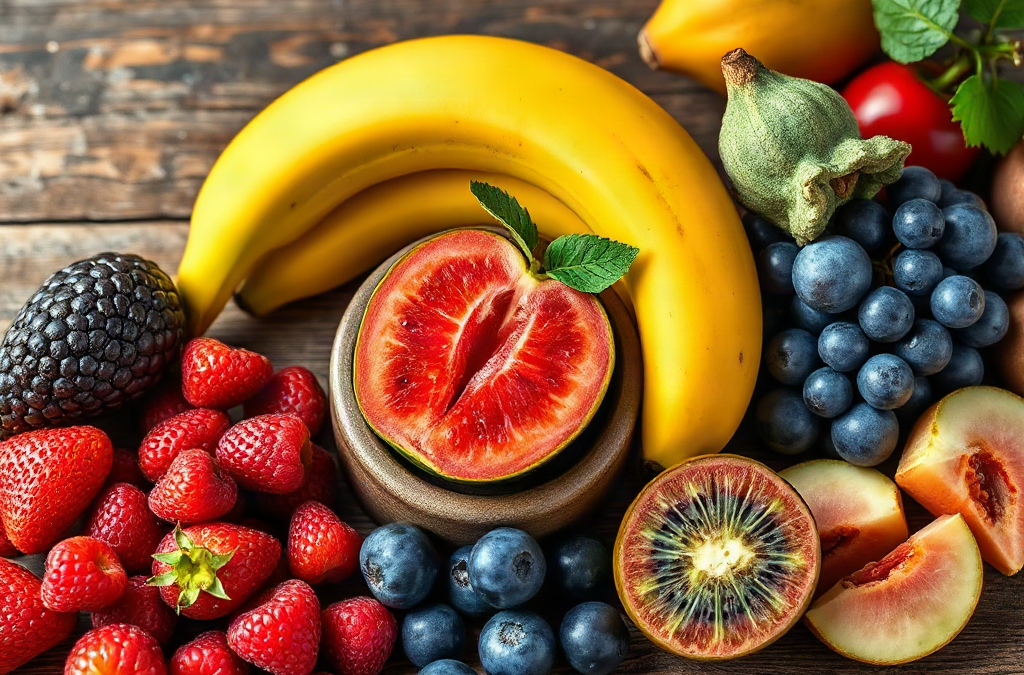
Fiber and natural sugar comparison across organic fruits shows that berries and guava generally offer more fiber relative to their sugar than grapes, mangoes, and ripe bananas, while whole fruit remains different from juice because intact cells slow eating and retain fiber. Compare fruits by the same serving size, then check fiber, total sugar, portion, ripeness, and whether the fruit is whole or processed. Apples, pears, oranges, raspberries, blackberries, kiwi, and guava can make useful higher-fiber choices; dried fruit concentrates sugar and calories into a smaller portion. Organic certification affects farming practices, not the basic fiber or natural sugar profile, so nutrition and serving size should guide the comparison.
How Fiber and Natural Sugar Differ Across Fruit
Fruit contains naturally occurring sugars, primarily fructose and glucose, along with water, fiber, vitamins, minerals, and plant compounds. Fiber is not digested like sugar. Soluble fiber can form a gel-like material in the digestive tract, while insoluble fiber adds bulk and supports normal bowel movement. The balance between these components affects how filling a portion feels and how quickly it is eaten, but it does not turn one fruit into a universally “good” or “bad” food.
A useful comparison begins with equal amounts. Looking at one large banana beside a handful of berries can mislead because the portions differ in weight and volume. Compare a standard serving from a nutrition database or package label, then ask how much fiber accompanies the carbohydrate. Raspberries, blackberries, pears, apples with skin, guava, and oranges commonly provide more fiber per typical serving than grapes or watermelon. Exact values vary with cultivar, size, maturity, and preparation.

Organic status does not create a separate type of fruit sugar. Organic and conventionally grown versions of the same fruit have broadly similar macronutrient profiles, although growing conditions and variety can influence composition. Choosing organic may reflect preferences about farming practices or pesticide exposure, but the fiber-to-sugar comparison still depends mainly on the fruit, edible portion, and form.
A common mistake is treating total sugar as equivalent to added sugar. The sugar in a whole peach is packaged with water and fiber; table sugar added to a sweetened drink is not. That distinction does not mean unlimited fruit is appropriate for every eating pattern. A person managing carbohydrate intake may still need to count portions, while someone trying to increase fiber may prioritize a fruit with edible skin or seeds.
Higher-Fiber and Lower-Sugar Fruit Comparisons
Berries often stand out when the goal is more fiber with a relatively modest amount of natural sugar per cup. Raspberries and blackberries contain seeds and structural plant material that contribute fiber, while strawberries provide a large amount of water and volume. Blueberries are nutritious but generally provide less fiber per cup than raspberries or blackberries. A berry bowl can therefore be a useful alternative to a larger portion of grapes when fullness and fiber are the priority.
Guava, kiwi, oranges, pears, and apples also deserve attention. Guava can provide substantial fiber in a small serving, while kiwi combines fiber with a tart flavor that may work well in yogurt or oatmeal. An orange retains its fibrous membranes when eaten whole; orange juice does not provide the same intact fruit structure. Apples and pears offer more fiber when the skin is eaten, provided the fruit is washed and tolerated well.
Lower sugar does not automatically mean higher fiber. Watermelon has a relatively low sugar concentration by weight compared with some dense fruits, but it is not a leading fiber source. Grapes are easy to eat quickly because they are small and sweet, so a bowl can become a much larger portion than intended. Mango and ripe banana supply useful nutrients and can fit a balanced diet, yet their sweetness and dense texture may make portion awareness more relevant.
Compare the purpose before selecting a fruit. For a fiber-focused snack, berries with plain yogurt or an apple with nuts may be more satisfying than juice. For quick carbohydrate before activity, a banana may be more practical than a high-seed fruit. For hydration and volume, melon can be reasonable even though it contributes less fiber. The weak assumption to avoid is that the fruit with the lowest sugar always serves the reader’s main nutritional goal.
Readers comparing Fiber and natural sugar comparison across organic fruits should also consider variety. Rotating berries, citrus, apples, pears, kiwi, and tropical fruit supplies different textures and plant compounds rather than forcing every choice through a single sugar ranking.
How Serving Size, Ripeness, and Processing Change the Picture
Serving size can change a reasonable comparison into a misleading one. A small apple and a very large apple are not nutritionally interchangeable, even though both are described as one fruit. Weighing produce occasionally can calibrate visual estimates, but daily weighing is not necessary for most people. A practical approach is to use a consistent bowl, piece, or measuring cup and notice whether the portion is gradually expanding.
Ripeness influences taste and texture more clearly than it transforms the entire nutritional profile. As fruit ripens, starches in some fruits are converted into simpler sugars, and the fruit becomes softer and sweeter. That change can encourage faster eating. A firm pear may be consumed slowly, whereas an overripe banana may be blended into a large smoothie with additional fruit. The issue is often eating speed and total quantity, not a magical conversion into an unhealthy food.
Processing creates a larger difference. Whole fruit requires chewing and retains its cell structure. Blending keeps much of the fiber if the entire fruit is used, but it can make a large amount easier to consume quickly. Juicing removes much of the pulp and concentrates liquid sugar into a smaller, less filling drink. Dried fruit loses water, so raisins, dried mango, and dates contain sugars and calories in a compact portion. None must be forbidden, but each requires a different serving expectation.
Check four details when a comparison seems confusing:
- Form: whole, chopped, blended, juiced, or dried.
- Edible parts: skin, membranes, seeds, and pulp retained or removed.
- Amount: a labeled serving, a cup, a piece, or an unmeasured handful.
- Pairing: eaten alone or combined with yogurt, nuts, oats, or another carbohydrate.
A frequent failure mode is comparing fresh berries with sweetened dried cranberries as if they were the same food. The added ingredients and lost water change the nutrition substantially. Read the ingredient list for dried fruit, and remember that organic dried fruit can still contain concentrated natural sugar or added sweetener.
Choosing Fruit for Breakfast, Snacks, and Meals
The best fruit choice depends on what the surrounding meal lacks. At breakfast, berries, sliced pear, or kiwi can add fiber and acidity to plain yogurt or oats. The protein and fat in yogurt, seeds, or nuts may make the meal more substantial than fruit alone, although those additions also contribute calories. An apple with nut butter is different from apple juice because chewing, fiber, and the accompanying food change the eating experience.
For a portable snack, an intact apple, orange, pear, or banana is easier to portion than a large container of cut fruit. Berries may work better when packed in a measured container because their soft texture makes repeated grazing easy. Someone seeking more fiber should choose a fruit with skin or seeds when comfortable, then increase intake gradually if a sudden change causes bloating.
At meals, fruit can complement rather than replace vegetables or other fiber sources. A citrus segment in a bean salad, berries with unsweetened cereal, or diced pear beside whole-grain toast creates variety. People who need to monitor carbohydrate intake may find it easier to distribute fruit across meals instead of consuming several servings in one smoothie. A clinician or registered dietitian can provide individualized advice for diabetes, gastrointestinal conditions, or medically prescribed diets.
Two practical signs can guide adjustment. If fruit leaves you hungry soon afterward, the portion may need a protein- or fat-containing partner, or the meal may need more total substance. If a high-fiber choice causes gas or discomfort, reduce the amount, eat it more slowly, and test another fruit rather than abandoning fiber entirely. Persistent or severe digestive symptoms deserve professional evaluation rather than self-diagnosis.
Do not use organic labeling as a substitute for meal context. An organic fruit snack can still be oversized, juiced, or paired with a sweetened product. Conversely, a conventional whole fruit can still provide fiber and natural sugar in the same general nutritional pattern. Farming preference and nutrition decision are related only indirectly.
A Practical Comparison Method for Organic Produce
A reliable comparison takes less than a minute once the method is familiar. First, define the purpose: more fiber, a less sweet snack, greater volume, easier digestion, or a convenient carbohydrate source. Next, compare equal portions using a trusted food database or the package panel for minimally processed fruit. Then record fiber, total sugar, and whether the serving includes the skin, pulp, or seeds.
After the numbers, apply real-world judgment. A fruit with slightly more sugar may be the one you will eat whole and enjoy, while a lower-sugar option may lead to repeated snacking. A high-fiber fruit may not suit someone with a temporary gastrointestinal restriction. Cost, season, storage life, and portability also matter. Frozen unsweetened berries can be a practical alternative when fresh organic berries are expensive or spoil quickly.
Use this priority order:
- Choose whole or minimally processed fruit when feasible.
- Match the portion to your meal and carbohydrate needs.
- Favor higher-fiber options when fullness or fiber intake is the goal.
- Check for added sugar in dried, canned, or packaged products.
- Rotate fruit instead of ranking one variety as permanently superior.
The method works better than memorizing a rigid “best fruit” list because fruit values vary and personal needs differ. A parent packing lunch, an endurance athlete, and someone managing blood glucose may reasonably choose different portions. The useful question is not whether natural sugar exists, but whether the fruit’s form, fiber, amount, and meal setting fit the person’s objective.
For a broader planning reference, use the organic fruit comparison resource alongside ingredient labels and reputable nutrition databases. If a package claims organic status, verify the certification information where relevant, but keep the nutrition comparison focused on serving size and ingredients.
Frequently Asked Questions
Which organic fruits are highest in fiber?
Raspberries, blackberries, guava, pears, apples with skin, kiwi, and oranges are useful higher-fiber choices. Exact amounts depend on variety and portion.
Does organic fruit contain less natural sugar?
Organic certification does not inherently make fruit lower in natural sugar. Variety, ripeness, size, and preparation have greater influence on the comparison.
Is fruit juice equal to whole fruit?
No. Juice generally removes much of the pulp and is easier to consume quickly, while whole fruit retains its structure and fiber.
Are bananas too high in sugar to eat?
Bananas can fit many eating patterns. Choose the portion and ripeness that suit your needs, and pair one with foods such as yogurt, oats, or nuts when a more filling snack is wanted.
Does dried organic fruit count as a high-fiber choice?
Dried fruit can provide fiber, but removing water concentrates sugar and calories. Check the portion and ingredient list for added sweeteners.
Conclusion
Comparing organic fruits works best when fiber, natural sugar, serving size, and food form are considered together. Whole berries, guava, pears, apples with skin, citrus, and kiwi can be practical choices when fiber is the priority, while bananas, mangoes, grapes, and melon can still fit based on portion and purpose. Avoid comparing unlike forms: juice, smoothies, and dried fruit change how quickly and how much sugar is consumed. Organic labeling reflects production standards rather than a guaranteed fiber or sugar advantage. Choose whole fruit when possible, check portions for concentrated products, pair fruit with the rest of the meal, and adjust gradually if digestive comfort is an issue.
Huge Discount on the Best Certified Organic Nutrient Dense Supplement!