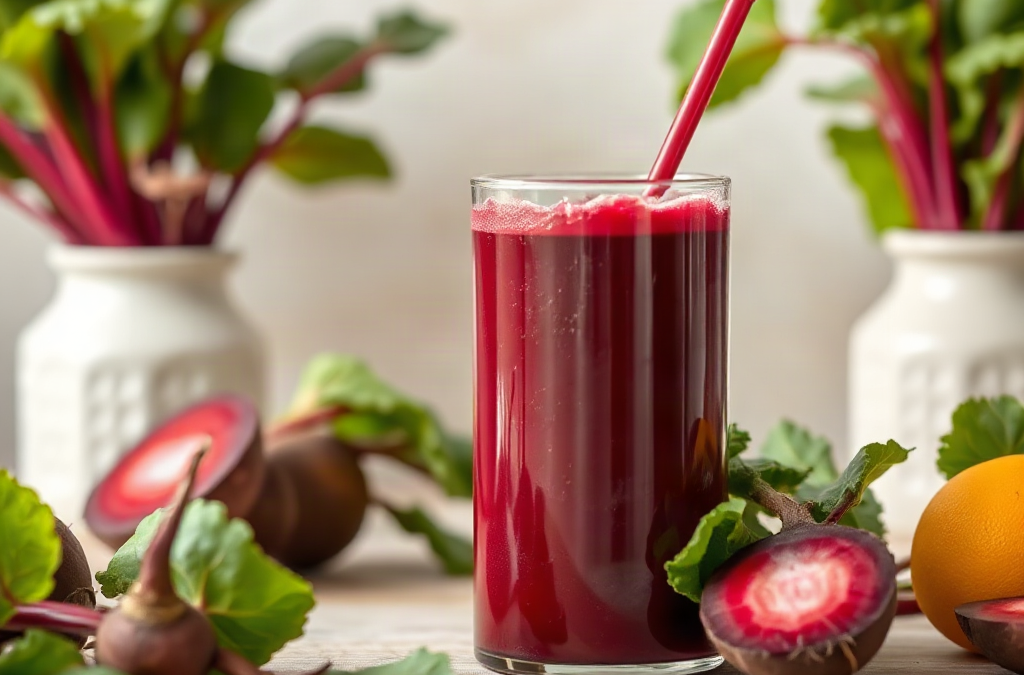
The best organic beet juice choices by ingredients are usually unsweetened, certified-organic juices made primarily from beets, with no unnecessary syrups, concentrates, or stimulant blends. Compare the ingredient list first, then check whether the label identifies beet juice percentage, added sugar, sodium, and serving size. Lemon juice, ginger, or apple may improve flavor, but apple and other fruit ingredients can raise sugar and dilute the beet content. Powdered or concentrated products may offer convenience, yet their nitrate amount is not always stated consistently. People taking blood-pressure medicine, managing kidney concerns, or reacting poorly to concentrated beet products should ask a clinician before making beet juice a daily habit.
What the Ingredient List Reveals First
The ingredient list is the quickest way to separate a straightforward organic beet juice from a beverage that only uses beet flavor or color. A strong everyday candidate typically lists beet juice, beet juice from concentrate, or organic beets near the beginning. The shorter the list, the easier it is to understand what the drink actually provides. Organic certification addresses how agricultural ingredients are produced; it does not automatically mean the beverage is unsweetened, minimally processed, or nutritionally superior.
Look for the difference between a beet juice product and a beet-flavored drink. A product containing water, organic beet juice, lemon juice, and ginger has a different purpose from one containing apple juice, cane sugar, natural flavors, and a small amount of beet extract. Both may look red and carry organic wording, but their sweetness, beet concentration, and practical use can differ substantially. Ingredient order matters because packaged foods generally list ingredients by weight, although it should not be treated as a precise measurement of nitrate content.
“From concentrate” is not automatically a poor choice. Concentration can make storage and transport easier, followed by reconstitution with water. The tradeoff is that the label may give less sensory information about freshness and may include additional ingredients for flavor balance. Cold-pressed juice can sound attractive, but that description alone does not establish a specific nutrient level or make the product safer for every person.
A useful first-pass screen is simple:
- Choose a product that clearly identifies beet juice as a major ingredient.
- Prefer no added sugar when sweetness is not a priority.
- Check whether fruit juice, syrups, or flavor blends appear before or alongside the beet ingredient.
- Confirm the organic claim applies to the relevant ingredients and look for credible certification language.
A common mistake is treating the word “organic” as the main ranking signal. For this category, beet prominence, added sugar, serving size, and tolerance usually matter more to the purchasing decision. Readers comparing Best organic beet juice choices by ingredients should begin with what is present, not with front-label claims such as “detox,” “energy,” or “performance.”
How to Compare Beet Content, Sugar, and Additives
Beet content and sweetness should be evaluated together because a juice can contain beets while functioning nutritionally more like a fruit blend. Apple, grape, and other juices are often added to soften beet’s earthy flavor. That may make the drink easier to consume, but it can increase total sugar and reduce the proportion of beet juice per serving. An unsweetened product is often the clearest choice for readers who want to control sweetness, while a blended juice may be more realistic for someone who will not drink a strongly earthy beverage.
Nutrition Facts and ingredient lists answer different questions. The ingredient list shows what went into the product; the Nutrition Facts panel shows declared calories, total carbohydrate, total sugars, added sugars, sodium, and serving size. Total sugars include naturally occurring sugars from beets and fruit, whereas added sugars identify sweeteners introduced during formulation. A juice with no added sugar can still contain substantial natural sugar if apple or other fruit juice is included.
Nitrate is another reason shoppers look at beet products, but labels do not always provide a standardized nitrate quantity. Beet varieties, growing conditions, storage, processing, and serving concentration can influence the final amount. A product that advertises beet juice may therefore be useful as a beet-based food without supporting a precise nitrate comparison. Avoid assuming that a darker color, stronger flavor, or higher price proves a higher nitrate level.
Consider two realistic options. Product A contains organic beet juice, lemon juice, and ginger, with no added sweetener. Product B contains organic beet juice blended with apple juice and cane sugar. Product A is easier to assess and may suit a low-sweetness routine. Product B may be more palatable, but it deserves a closer look at serving size and sugar. Neither label alone proves that one will produce a particular health or exercise outcome.
The biggest comparison error is examining sugar without considering the amount consumed. A small serving of a sweeter blend may fit a person’s diet better than a large glass of unsweetened juice. Conversely, a “natural” sweetener does not remove the need to inspect total sugar. Use the serving size printed on the package, and compare equivalent volumes rather than judging two bottles by their front panels.
For a practical buying sequence, rank the evidence in this order: beet juice as a primary ingredient, no unwanted added sweeteners, a serving size you can use consistently, acceptable sodium and carbohydrate levels for your needs, then flavor additions. That order keeps marketing language from outweighing the information most relevant to daily use.
Choosing Ingredients for Flavor and Daily Use
Flavor ingredients can determine whether an organic beet juice becomes a useful routine or remains an unopened bottle. Beets have an earthy, mineral-like taste that some people find intense. Lemon or lime can add acidity and brightness, while ginger contributes heat and a sharper finish. Apple, pear, or berry juice generally makes the beverage sweeter and more approachable. These additions are not inherently problematic; the right choice depends on whether the priority is taste, lower sweetness, or a more concentrated beet profile.
Lemon-and-ginger formulas are often a sensible middle ground for people who want a shorter ingredient list without drinking plain beet juice. Fruit-blended formulas may work better for occasional use, especially when the drink replaces a dessert-like beverage rather than being added to an already sweet diet. A plain product can offer the most control because it can be diluted with water or combined with sparkling water, but dilution changes the volume rather than eliminating the juice’s carbohydrates.
“Natural flavors,” botanical blends, and added functional ingredients require a little more scrutiny. They may be included to standardize taste or position the beverage for energy, circulation, or wellness. Their presence does not necessarily make the product unsuitable, but it makes the formula harder to compare with a simple juice. Caffeine, herbal stimulants, or large amounts of added minerals can change the product’s practical risk profile, particularly for people taking medication or avoiding stimulants.
Storage also affects the daily-use decision. Refrigerated juices may have a shorter usable period after opening, while shelf-stable concentrates can be easier to keep on hand. A product that spoils before it is finished is not a better purchase simply because its ingredient list is excellent. Check refrigeration instructions, opening guidance, and package size before choosing a format. Smaller containers may reduce waste for first-time buyers; larger containers may make sense only when the flavor has already been tested.
A simple trial method can prevent waste. Taste a small serving on its own, then try it diluted or paired with a meal. If the drink is too earthy, adding citrus or blending it with plain water preserves more control than immediately buying a heavily sweetened version. If it causes stomach discomfort, reducing the amount or stopping it is more useful than interpreting the reaction as evidence that the product is “working.” Taste preference, digestive response, and realistic storage all belong in an ingredient-based comparison.
Readers looking for Best organic beet juice choices by ingredients should treat flavor additives as a use-case decision. A simple formula is easier to audit; a fruit blend may be easier to enjoy. The better option is the one whose sweetness and complexity match the person’s actual eating pattern.
Safety, Serving Context, and Smarter Buying
Beet juice is a food, but concentrated servings can matter for people with specific health considerations. Beets contain naturally occurring compounds, including dietary nitrate and oxalate. Some people may notice temporary pink or red urine or stool after consuming beets; that can be harmless, but unexplained or persistent blood-like changes should not be dismissed. People with a history of kidney stones, kidney disease, blood-pressure concerns, or medication use should discuss frequent concentrated juice consumption with a qualified clinician.
Potential blood-pressure effects are not a reason to treat beet juice as medicine. Research on beetroot and nitrate-rich foods has produced interest in vascular function, but product composition and individual response vary. A bottle cannot be assumed to prevent disease, replace prescribed treatment, or deliver a predictable result. That limitation is especially relevant when a beverage is marketed with claims about circulation, endurance, cleansing, or rapid energy.
Timing and serving size should reflect the intended use. Someone drinking beet juice as part of breakfast may value low sweetness and compatibility with food. Someone testing it around exercise should avoid trying a concentrated product for the first time immediately before a demanding session, since digestive tolerance is unpredictable. A small trial at a noncritical time provides information about taste, stomach response, and convenience without making unsupported promises about performance.
Use this compact label checklist before buying:
- Read the complete ingredient list rather than relying on the product name.
- Identify whether the drink is primarily beet juice, a beet-and-fruit blend, or a flavored beverage.
- Compare added sugar, total sugar, carbohydrate, sodium, and serving size.
- Look for storage requirements and a package size that matches expected use.
- Ignore claims that imply treatment or guaranteed results, especially when nitrate content is not stated.
Budget is another practical constraint. A premium organic label may reflect certification, packaging, processing, or distribution costs rather than a clearly higher beet concentration. Compare the amount of beverage per package and the number of usable servings, not just the shelf price. If the goal is to eat more beets, whole cooked beets provide fiber that juice generally lacks, while juice offers convenience and a different texture. These are complementary options rather than direct substitutes.
What usually fails is buying the most aggressively marketed bottle and then using a large serving without checking the formula. A more reliable approach is to select the simplest label that fits the person’s sweetness preference, test a modest amount, and reassess after observing tolerance and actual use. That process gives ingredient quality a practical context instead of treating it as a standalone badge.
For readers comparing Best organic beet juice choices by ingredients, the final decision can be reduced to three questions: Is beet juice genuinely central to the formula? Does the sugar level fit the intended routine? Can the product be stored and consumed comfortably? A “yes” across all three is more meaningful than an impressive front-label claim.
For nutrition-label questions, consult current guidance from the U.S. Food and Drug Administration; for nutrient information about whole beets and related foods, compare entries in the USDA FoodData Central database. People with kidney, blood-pressure, or medication concerns should use advice from their own healthcare professional rather than relying on a beverage label.
Frequently Asked Questions
What ingredients should organic beet juice contain?
A straightforward formula may contain organic beet juice with lemon, lime, or ginger. Check whether fruit juice, cane sugar, syrups, or stimulant ingredients are added.
Is organic beet juice with apple juice a poor choice?
Not necessarily. Apple juice can improve taste, but it usually raises sweetness and may reduce the proportion of beet juice, so compare total and added sugars.
Does a darker beet juice contain more nitrate?
Color and flavor do not reliably establish nitrate content. Variety, farming conditions, processing, and concentration can all influence composition.
Should beet juice be unsweetened?
Unsweetened juice is often easier to evaluate and may suit people limiting added sugar. A mildly sweetened or fruit-blended product may be more practical if it improves consistent use.
Can everyone drink concentrated beet juice?
No. People with kidney concerns, a history of certain kidney stones, blood-pressure issues, or relevant medications should ask a clinician before using concentrated beet products regularly.
Conclusion
Choosing an organic beet juice is less about finding the most dramatic label and more about matching ingredients to the intended routine. Put beet juice percentage or prominence first, then review added sugar, total sugar, serving size, sodium, flavor additions, and storage demands. Lemon and ginger can make a simple formula more drinkable, while apple and other fruit juices may improve taste at the cost of greater sweetness. Do not infer nitrate levels from color or price, and do not treat beet juice as a substitute for medical care. Compare one or two clearly labeled products, try a modest serving at a convenient time, and choose the option you can tolerate, store, and use consistently.
Huge Discount on the Best Certified Organic Nutrient Dense Supplement!