
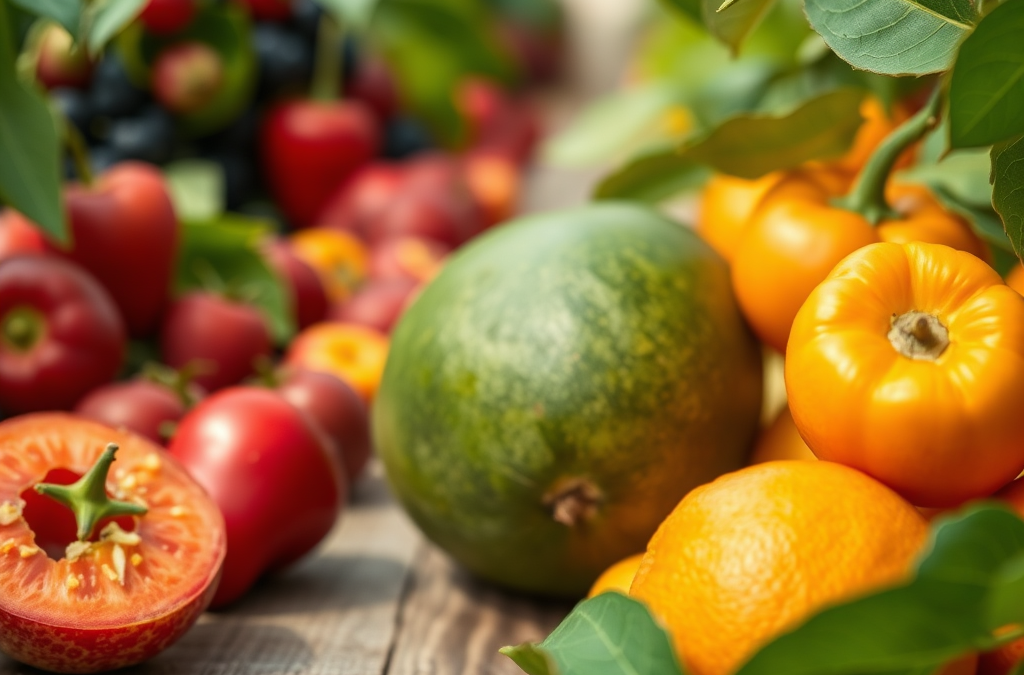
Organic fruits often lack sweetness due to factors like soil quality, growing conditions, and the absence of artificial ripening agents. Unlike conventional farming, organic methods prioritize natural processes, which can result in lower sugar content. Additionally, variations in climate and seasonal changes can affect the sweetness of organic fruits, leading to a less consistent flavor profile compared to their conventionally grown counterparts.
Soil Quality and Nutrient Availability
The sweetness of organic fruits is significantly influenced by the quality of the soil in which they are grown. Healthy soil rich in organic matter typically provides the necessary nutrients that plants need to produce sugars and other flavor compounds. Organic farming often focuses on enhancing soil health through natural amendments like compost and cover crops, which can improve nutrient availability but may not always meet the immediate nutrient demands of fruit crops.
For example, if the soil lacks essential nutrients like phosphorus and potassium, fruits may not develop the desired sweetness. Additionally, organic practices tend to avoid synthetic fertilizers, which can lead to slower nutrient uptake. This slower process can result in fruits that are less sweet compared to those grown with conventional methods that utilize quick-release fertilizers.

Soil Quality and Nutrient Availability matters because it turns organic fruits might not be as sweet from a broad idea into a decision the reader can actually apply. The practical difference usually shows up in the details: how much is needed, when the choice is made, what tradeoff is acceptable, and what sign shows the approach is working. For nutrition topics, the strongest advice connects portion size, food quality, timing, and recovery instead of treating every meal as a fixed serving.
A useful way to handle this section is to compare the normal baseline with the situation that creates extra demand. If organic is the baseline concern, then fruits becomes the adjustment point and soil becomes the outcome to watch. That keeps the advice specific without forcing the reader into a rigid formula that may not fit their routine, budget, tolerance, schedule, or current level of experience.
The most common mistake is changing too many variables at once. A better approach is to choose one measurable adjustment, use it consistently long enough to see a pattern, and then refine the next step based on energy, comfort, performance, safety, or reliability. This makes the guidance easier to trust because the reader can connect the recommendation to what they observe rather than guessing from a generic checklist.
The practical takeaway is to make the section actionable: identify the main constraint, choose the smallest useful change, and compare the result against the goal. When the outcome improves, the reader can keep the approach. When it does not, the next change should target the most likely bottleneck rather than repeating the same step with more effort.
Growing Conditions and Their Impact
Growing conditions play a crucial role in determining the sweetness of organic fruits. Factors such as sunlight exposure, temperature, and water availability directly affect how fruits develop flavor. Organic fruits often grow in diverse environments where these conditions can vary widely, impacting their sugar content.
For instance, fruits that receive ample sunlight tend to produce more sugars, while those grown in shaded areas may lack the intensity of flavor. Moreover, water stress can also affect sweetness; when plants are under-watered, they may prioritize survival over sweetness, resulting in less flavorful produce. Understanding these growing conditions can help consumers appreciate the variability in sweetness among organic fruits.
Growing Conditions and Their Impact matters because it turns organic fruits might not be as sweet from a broad idea into a decision the reader can actually apply. The practical difference usually shows up in the details: how much is needed, when the choice is made, what tradeoff is acceptable, and what sign shows the approach is working. For preparedness topics, the strongest advice connects readiness, realistic constraints, household routines, and the first action that reduces risk.
A useful way to handle this section is to compare the normal baseline with the situation that creates extra demand. If fruits is the baseline concern, then organic becomes the adjustment point and conditions becomes the outcome to watch. That keeps the advice specific without forcing the reader into a rigid formula that may not fit their routine, budget, tolerance, schedule, or current level of experience.
The most common mistake is changing too many variables at once. A better approach is to choose one measurable adjustment, use it consistently long enough to see a pattern, and then refine the next step based on energy, comfort, performance, safety, or reliability. This makes the guidance easier to trust because the reader can connect the recommendation to what they observe rather than guessing from a generic checklist.
The practical takeaway is to make the section actionable: identify the main constraint, choose the smallest useful change, and compare the result against the goal. When the outcome improves, the reader can keep the approach. When it does not, the next change should target the most likely bottleneck rather than repeating the same step with more effort.
Natural Ripening vs. Artificial Methods
Another significant factor affecting the sweetness of organic fruits is the ripening process. Organic fruits are typically allowed to ripen naturally on the plant, which can result in a more complex flavor profile. However, this method can lead to inconsistencies in sweetness, as not all fruits will reach optimal ripeness simultaneously.
In contrast, conventional fruits are often harvested early and treated with artificial ripening agents, such as ethylene gas, to enhance sweetness and uniformity. This practice can lead to fruits that are consistently sweet, but may lack the depth of flavor found in organically grown options. Consumers should be aware that while organic fruits may sometimes be less sweet, they can offer a more authentic taste experience when fully ripe.
Natural Ripening vs. Artificial Methods matters because it turns organic fruits might not be as sweet from a broad idea into a decision the reader can actually apply. The practical difference usually shows up in the details: how much is needed, when the choice is made, what tradeoff is acceptable, and what sign shows the approach is working. For gardening topics, the strongest advice connects soil conditions, plant needs, timing, and observable growth signals.
A useful way to handle this section is to compare the normal baseline with the situation that creates extra demand. If fruits is the baseline concern, then organic becomes the adjustment point and sweet becomes the outcome to watch. That keeps the advice specific without forcing the reader into a rigid formula that may not fit their routine, budget, tolerance, schedule, or current level of experience.
The most common mistake is changing too many variables at once. A better approach is to choose one measurable adjustment, use it consistently long enough to see a pattern, and then refine the next step based on energy, comfort, performance, safety, or reliability. This makes the guidance easier to trust because the reader can connect the recommendation to what they observe rather than guessing from a generic checklist.
Seasonal Variability and Climate Effects
The season in which organic fruits are grown can also influence their sweetness. Climatic conditions, such as temperature fluctuations and rainfall patterns, can lead to variations in sugar content from year to year. For example, a particularly rainy season may dilute the sugars in fruits, while a hot, dry season could enhance sweetness.
Furthermore, different varieties of fruits may respond differently to these seasonal changes. Some varieties may thrive under specific conditions, producing sweeter fruits, while others may struggle, resulting in lower sugar levels. Understanding these seasonal influences can help consumers make informed choices about when to purchase organic fruits for the best flavor.
Seasonal Variability and Climate Effects matters because it turns organic fruits might not be as sweet from a broad idea into a decision the reader can actually apply. The practical difference usually shows up in the details: how much is needed, when the choice is made, what tradeoff is acceptable, and what sign shows the approach is working. For gardening topics, the strongest advice connects soil conditions, plant needs, timing, and observable growth signals.
A useful way to handle this section is to compare the normal baseline with the situation that creates extra demand. If fruits is the baseline concern, then organic becomes the adjustment point and conditions becomes the outcome to watch. That keeps the advice specific without forcing the reader into a rigid formula that may not fit their routine, budget, tolerance, schedule, or current level of experience.
The most common mistake is changing too many variables at once. A better approach is to choose one measurable adjustment, use it consistently long enough to see a pattern, and then refine the next step based on energy, comfort, performance, safety, or reliability. This makes the guidance easier to trust because the reader can connect the recommendation to what they observe rather than guessing from a generic checklist.
Frequently Asked Questions
Why are some organic fruits less sweet than others?
Variability in sweetness among organic fruits can result from differences in soil quality, nutrient availability, and growing conditions.
Do organic fruits have fewer sugars than conventional fruits?
Not necessarily; the sugar content can vary widely based on growing conditions and ripening processes, not just farming practices.
Can weather affect the sweetness of organic fruits?
Yes, seasonal weather patterns, including temperature and rainfall, greatly influence the sugar content in fruits.
How does soil health impact the sweetness of fruits?
Healthy soil rich in nutrients promotes better sugar production in fruits, while poor soil can lead to less sweet produce.
Are organic fruits always tastier than conventional ones?
Taste is subjective; while some may prefer the complex flavors of organic fruits, others might favor the consistent sweetness of conventional options.
Conclusion
Understanding why organic fruits might not be as sweet involves considering multiple factors, including soil quality, growing conditions, and natural ripening processes. While organic fruits may sometimes present less sweetness, they often offer a richer and more complex flavor profile. Consumers looking to enjoy the best of organic produce should pay attention to seasonal availability and select fruits that are fully ripe to experience optimal sweetness. By doing so, they can make informed choices that align with their taste preferences and health goals.
Huge Discount on the Best Certified Organic Nutrient Dense Supplement!