
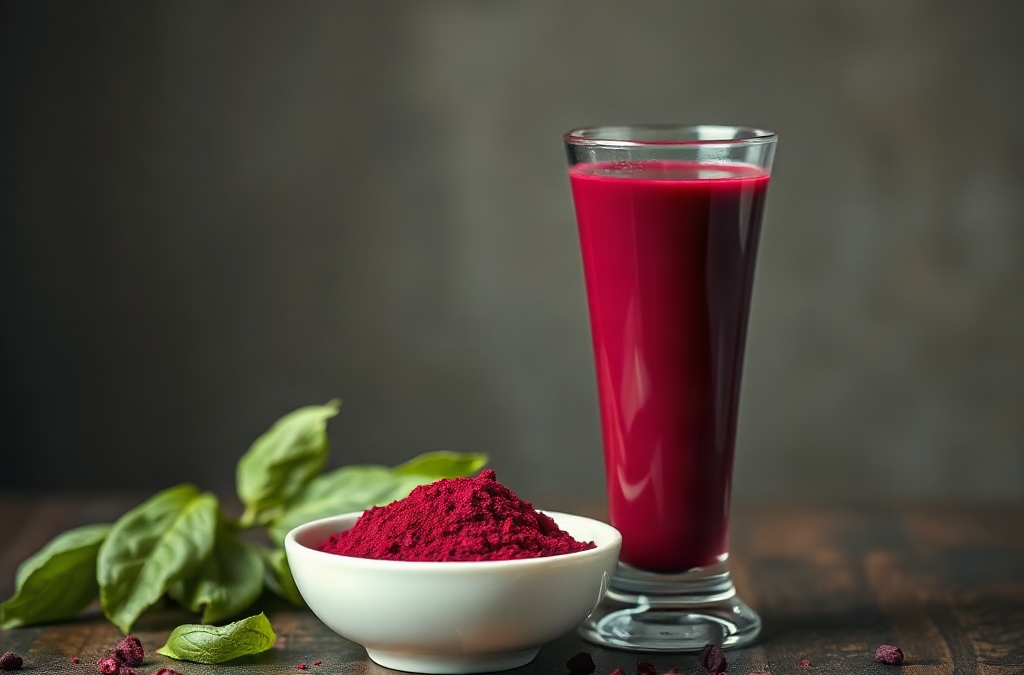
Organic beetroot powder compared with beet juice differs mainly in concentration, serving consistency, liquid volume, and how much of the whole beet remains after processing. Beet juice is ready to drink and may provide a more predictable liquid serving, while powder is easier to store, transport, and mix into yogurt, oats, or smoothies. Neither form should automatically be assumed to contain the same nitrate amount because products vary by beet source, processing, serving size, and labeling. Check the nutrition and ingredient panel, avoid products with unnecessary added sugar, and introduce either option gradually if digestive sensitivity or beet-related urine and stool color changes concern you.
How Beetroot Powder And Beet Juice Differ
Beetroot powder and beet juice begin with the same vegetable, but they are not interchangeable by volume. Juice is made by extracting the liquid from beets, while powder is produced by drying beetroot and grinding it into a concentrated ingredient. The finished products can therefore differ in water content, texture, serving size, carbohydrate distribution, and the amount of naturally occurring nitrate delivered per use.
Juice suits someone who wants a drink that requires no mixing. It can be poured over ice or combined with citrus, apple, or ginger. Powder is more adaptable when refrigerator space, travel, or portability matters. A teaspoon may fit into a smoothie, porridge, hummus, or plain yogurt, although the quantity needed depends entirely on the product label. A spoonful of one brand cannot reliably be compared with a spoonful of another.

The organic designation describes production standards for the agricultural ingredient; it does not guarantee a particular nitrate concentration, sweetness level, or health effect. An organic powder may contain only dried beetroot, or it may include flavoring, sweeteners, anticaking agents, or other plant ingredients. Juice may be organic as well, but bottled versions can contain apple juice, grape juice, sugar, preservatives, or added water.
A useful comparison begins with the product rather than the marketing claim. Examine the ingredient list, serving weight, beetroot percentage, and any nutrition information. If the label does not identify nitrate content, do not assume that “beet performance” or “naturally energizing” communicates a measurable amount. The practical advantage of powder is usually convenience and flexibility; the practical advantage of juice is immediate drinkability and easier use when a liquid serving is preferred.
Readers comparing products can also use this Organic beetroot powder compared with beet juice resource as a reminder to compare like with like: equal beetroot amounts, similar serving instructions, and comparable added ingredients.
Nitrates, Fiber, Sugar, And Processing
Nitrate is the compound most often discussed in relation to beetroot products. In the body, dietary nitrate can participate in pathways that form nitric oxide, a signaling molecule involved in blood-vessel function. That mechanism explains why beetroot is studied in exercise and cardiovascular contexts, but it does not mean every powder or juice produces the same response. Amount, individual metabolism, the rest of the diet, and product preparation all matter.
Juicing removes much of the beet’s solid structure, including most of its original fiber. A powder may retain more of the dried beet components, but drying and processing still change the food from its whole form. Fiber retention varies with manufacturing, so the label should be checked rather than inferred. A whole roasted beet provides water, texture, and intact food structure that neither a small scoop of powder nor a shot of juice fully reproduces.
Sugar deserves separate attention. Beet juice naturally contains sugars from the vegetable, and a blended bottled drink may contain additional fruit juice or sweetener. Powder can appear more concentrated because the water has been removed, even when the total carbohydrate contribution per labeled serving is modest. Comparing the sugar per serving is more useful than comparing sweetness by taste, especially when a product is used daily.
Processing can affect flavor, solubility, color, and the preservation of nitrate. Heat, drying method, storage, and exposure to moisture may influence product quality, but consumers usually cannot calculate the final nitrate level from the ingredient list alone. A powder that clumps, smells stale, or has been stored open in a humid cupboard may be less pleasant and harder to measure accurately.
A common mistake is treating “more concentrated” as automatically “more effective.” Concentration may simply mean less water and a smaller package. Another weak assumption is that a vivid red color proves a high nitrate content. Color reflects beet pigments, particularly betalains, but it is not a dependable substitute for a standardized nitrate statement or transparent serving information.
Choosing A Form For Daily Use
Powder is generally the more practical choice when the priority is portability, portion control, and recipe flexibility. It can be carried without a bottle, measured into a shaker, or added to foods that already fit a person’s routine. Someone who eats breakfast at work might mix beetroot powder into overnight oats or a smoothie rather than transport a glass container of juice.
Juice is often preferable when taste and simplicity outweigh storage concerns. It requires no effort to disperse a dry ingredient and may be easier for someone who dislikes gritty textures. A small chilled serving can be incorporated into a morning routine, but the drink’s total sugar and acidity should be considered. Regularly sipping acidic beverages over a long period may be less appealing for dental comfort than consuming a serving with a meal and rinsing with water afterward.
Neither format is automatically better for exercise. Some people choose beetroot products before training because nitrate-related pathways may be relevant to blood flow and exercise efficiency, but evidence and individual responses vary. A powder mixed into water may work for one person, while another may tolerate juice better. Testing a new product during a low-stakes training session is more sensible than trying it for the first time before a major event.
Use this priority order when selecting between them:
- First: confirm the ingredient list and serving directions.
- Next: compare added sugar, serving size, and any stated nitrate information.
- Then: choose the format that fits storage, taste, and digestive tolerance.
- In closing: evaluate whether the cost is reasonable for the frequency of use.
The most useful sign that a product fits your routine is consistent, comfortable use without displacing vegetables, legumes, fruit, or other nourishing foods. A powder should not become an excuse to skip whole beets or rely on a supplement-like product for a diet that lacks fiber. Conversely, juice may be a convenient addition for someone who cannot manage the texture of beets but still wants a beet-based option.
For recipe ideas and broader ingredient context, readers may find Organic beetroot powder compared with beet juice helpful when deciding whether a dry serving or drink format is easier to sustain.
Serving, Storage, And Safety Checks
Follow the package serving rather than converting juice ounces into powder teaspoons. Dry products differ in density, and a heaped spoon can deliver substantially more than a level measure. Mix powder into enough liquid or soft food to disperse it well, then adjust the flavor with lemon, berries, unsweetened yogurt, or a savory dish. Drinking water alongside a concentrated product may improve comfort for people who find it strong or sweet.
Start with the label’s ordinary serving, or a smaller amount if you are sensitive to concentrated foods, and observe how your body responds. Beetroot can cause pink or red urine or stool in some people; that color change can be harmless, but new, persistent, painful, or unexplained bleeding should not be dismissed as beet-related. Digestive discomfort, loose stools, or nausea are reasons to reduce the amount or stop and reassess the product.
Storage affects both quality and measurement. Keep powder tightly sealed in a cool, dry place and use a dry utensil. Moisture encourages clumping and can make portions inconsistent. Refrigerate juice according to its label after opening, and discard it when it develops an unusual smell, taste, or appearance. A shelf-stable bottle still requires attention to its use-by instructions once opened.
People taking medicines or managing health conditions should use extra caution with concentrated beet products. Beetroot can contribute dietary nitrate and potassium, and individual advice may be relevant for people with kidney concerns, blood-pressure treatment, or other clinical restrictions. Beetroot powder and juice are foods, not treatments for hypertension, anemia, or athletic performance problems. A clinician or registered dietitian can help assess fit when a medical diet or medication schedule is involved.
The failure mode to avoid is chasing a larger serving after deciding that a small one did not produce an obvious sensation. Nitrate-related effects are not necessarily felt immediately, and increasing the amount may add sugar, digestive burden, or expense without a clear advantage. Record the product, serving, timing, and tolerance for a short trial instead of changing several variables at once.
Frequently Asked Questions
Is beetroot powder the same as beet juice?
No. Powder is dried beetroot, while juice is a liquid extraction. Serving weight, fiber, sugar, texture, and nitrate content may differ.
Which contains more nitrate, powder or juice?
Neither can be assumed to contain more. The answer depends on beet variety, processing, serving size, and whether the manufacturer provides nitrate information.
Can beetroot powder replace eating whole beets?
It can add beet flavor and nutrients conveniently, but it should not be treated as a complete replacement for the water, fiber, texture, and broader variety supplied by whole vegetables.
Does beet juice contain added sugar?
Some products contain only beet juice, while others include fruit juice or sweeteners. Read the ingredient list and compare total sugars per serving.
Why does beetroot sometimes change urine or stool color?
Beet pigments can produce pink or red coloration in some people. Pain, persistent changes, or uncertainty about possible blood warrants medical advice rather than automatic attribution to beets.
Conclusion
The better choice depends on what you need the beetroot product to do in everyday life. Choose powder when portability, recipe use, and avoiding a refrigerated bottle matter; choose juice when a ready-to-drink serving and smooth texture are more important. Compare serving size, beetroot percentage, nitrate disclosure, sugars, additives, and storage instructions instead of judging by color or the word “concentrated.” Keep whole beets and other vegetables in the diet when possible, since a processed beet product does not reproduce the full eating experience. Introduce a new product cautiously, especially if you have digestive sensitivity or a medical diet, and seek individualized advice when medicines or kidney-related restrictions are involved.
Huge Discount on the Best Certified Organic Nutrient Dense Supplement!



