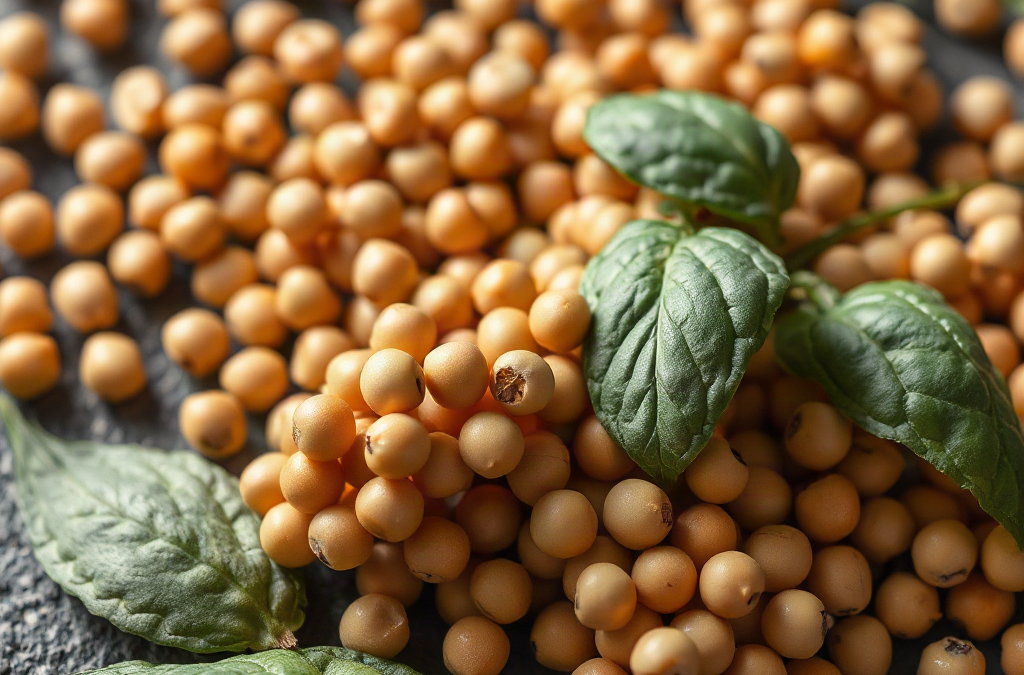
Organic soybeans are a complete plant protein source because they provide all nine essential amino acids that adults must obtain from food. Whole cooked soybeans, edamame, tofu, tempeh, and unsweetened soy milk can contribute protein, although serving size and processing affect the amount delivered. Choosing certified organic products addresses production standards, but it does not make the amino acid profile more complete than comparable conventional soy. For practical meals, pair a substantial soy food with vegetables, whole grains, fruit, or healthy fats rather than assuming a small garnish supplies enough protein.
Why Are Soybeans Considered a Complete Protein?
Soybeans qualify as a complete protein because their proteins contain all nine essential amino acids. The body cannot make these amino acids in sufficient amounts, so food must supply them. That distinction separates soy from many individual plant foods that contain relatively less of one or more essential amino acids, even though those foods still contribute useful protein.

Completeness does not mean that every soybean food supplies the same amount of protein or that soy must be the sole protein in a meal. Amino acid composition describes protein quality, while the quantity eaten determines how much protein reaches the plate. A spoonful of edamame scattered over a salad offers the same broad amino acid pattern as a larger serving, but it may contribute only a modest share of the meal’s total protein.
Protein quality also involves digestibility. Cooking softens whole soybeans and reduces naturally occurring compounds that interfere with digestion when beans are raw or inadequately cooked. Commercial tofu, tempeh, soy milk, and frozen edamame are processed or cooked for consumption. Dried mature soybeans, by contrast, need proper soaking and thorough cooking according to package directions; they should not be treated like a ready-to-eat snack.
Soy’s complete profile can simplify plant-based meal planning, but varied eating still matters. Beans, lentils, grains, nuts, seeds, and vegetables provide different combinations of fiber, fats, vitamins, minerals, and plant compounds. A person does not need to combine complementary proteins at every meal under ordinary circumstances, provided the overall diet supplies enough energy, protein, and variety across the day.
A useful practical test is to identify the meal’s actual protein anchor. A tofu stir-fry with a meaningful portion of tofu has one; a vegetable bowl with a teaspoon of soy sauce does not. Soy sauce is a condiment made from soy, not a substantial protein serving. Likewise, soybean oil contains fat rather than meaningful protein because protein is removed during oil production. The ingredient name alone cannot establish nutritional value.
The common mistake is equating “complete” with “nutritionally complete.” Soybeans do not supply every nutrient in every required amount, and no single food needs to do so. Treat soy as one capable protein component, then use the rest of the plate to provide produce, carbohydrate, fats, and other nutrients suited to personal needs.
Does Organic Soy Change the Protein Quality?
Organic certification concerns how soybeans are produced and handled; it does not create their complete amino acid profile. Both organic and conventional soybeans naturally contain all nine essential amino acids. Choosing organic soy may reflect preferences about agricultural methods and certified production practices, but “organic” should not be interpreted as a guarantee of more protein, better digestibility, or a nutritionally superior finished product.
The most reliable comparison begins with equivalent foods. Compare plain organic tofu with plain conventional tofu of the same style, not firm tofu with a sweetened soy beverage. Water content, serving size, added ingredients, and manufacturing method can create larger nutritional differences than the farming designation. Extra-firm tofu usually contains less water than silken tofu, for example, so an equal weight may provide a more concentrated amount of protein.
Certification and ingredient simplicity answer different questions. An organic label indicates compliance with an organic standard, while the ingredient list reveals whether the product includes sweeteners, oils, flavorings, sodium, or fortifying nutrients. A flavored organic soy drink may carry substantial added sugar, whereas an unsweetened conventional version may better suit someone limiting sweeteners. The better choice depends on the purpose of the purchase rather than one label claim.
Use a short package check when comparing organic soy products:
- Confirm the serving size: similar-looking packages may define servings differently.
- Check protein per serving: soy beverages, tofu styles, and prepared foods vary.
- Read the ingredient list: distinguish soy-centered products from foods containing only a small amount of soy.
- Review sodium and added sugars: these can rise in sauces, flavored drinks, and seasoned entrées.
- Look for certification: if organic production is the priority, verify a recognized organic seal rather than relying on green packaging or vague farm imagery.
Budget is a legitimate constraint. If organic soy costs more, compare the price per usable serving and the amount likely to be eaten before spoilage. Shelf-stable soy milk may reduce waste for some households, while dried soybeans can be economical for people willing to soak and cook them. Frozen edamame offers portion flexibility, and tofu is often convenient for quick meals.
The weak assumption to avoid is that an organic claim replaces nutrition-label reading. Production method matters to some buying decisions, but the food’s form, ingredients, portion, and role in the meal determine how effectively it functions as a protein source.
How Do Common Soy Foods Compare?
Soy foods differ primarily because of water content, fermentation, concentration, and added ingredients. Whole soybeans preserve the bean’s fiber and natural structure. Tofu is made by coagulating soy milk, tempeh binds fermented whole soybeans into a firm cake, and soy beverages disperse extracted soybean components in water. Each can fit a balanced diet, but they are not interchangeable on a spoon-for-spoon basis.
| Soy food | Practical strength | What to check | Useful application |
|---|---|---|---|
| Cooked mature soybeans | Whole-food protein with fiber | Cooking time and digestibility | Soups, grain bowls, and salads |
| Edamame | Convenient whole young soybeans | Whether pods or shelled beans define the package weight | Snacks, noodle bowls, and side dishes |
| Firm or extra-firm tofu | Versatile texture and concentrated solids | Protein, calcium labeling, sodium, and water-packed weight | Stir-fries, baking, grilling, and scrambles |
| Tempeh | Firm fermented whole-bean format | Seasonings, sodium, and added grains | Sandwiches, skillet meals, and crumbled fillings |
| Unsweetened soy milk | Drinkable protein option | Protein level, fortification, sugar, and refrigeration needs | Cereal, smoothies, sauces, and beverages |
Whole versus processed is not a simple good-versus-bad division. Tofu and soy milk are processed, yet processing can make soy convenient, adaptable, and easier to incorporate. The more useful distinction is between minimally seasoned staples and heavily formulated products. A plain block of tofu gives the cook control over salt and flavor; a breaded soy entrée may contain more sodium and refined ingredients while still supplying protein.
Tempeh’s fermentation changes its texture and flavor, but it should not be assumed to deliver identical nutrition across brands. Some products combine soybeans with grains, and marinades can alter sodium or sugar. Read the label if soy concentration or allergen exposure matters. Fermentation also does not make tempeh safe for someone with a soy allergy.
Plant-based burgers and protein powders require separate judgment. They may use isolated or concentrated soy protein and can deliver substantial protein, but they do not necessarily retain the fiber and whole-food structure of soybeans. Such products can be practical for convenience or increased protein needs, yet they should not automatically displace less formulated foods when cost, sodium, or dietary variety is a concern.
Choose the form that matches the meal. Extra-firm tofu works where browning and structure matter; silken tofu suits blended sauces and desserts; edamame adds texture without preparation beyond heating; unsweetened soy milk can replace a lower-protein plant drink when protein is a priority. A choice is working when it delivers a satisfying portion, fits the recipe, and can be used consistently without excess waste.
How to Build Balanced Meals With Soy
A balanced soy meal starts by giving the soy food a defined role rather than adding a token amount. Select tofu, tempeh, edamame, cooked soybeans, or soy milk as the protein component, then build around it with vegetables or fruit, an energy-providing carbohydrate, and an appropriate fat. Individual energy and protein needs vary, so package labels and professional guidance are more useful than a universal portion rule.
For a quick lunch, combine shelled edamame with brown rice, shredded cabbage, carrots, and a sesame-lime dressing. The edamame supplies complete protein and fiber, while rice adds carbohydrate and the vegetables broaden micronutrient variety. For dinner, browned tofu can anchor a stir-fry with broccoli, mushrooms, and noodles. Pressing water from firm tofu and drying its surface before cooking improves browning; crowding wet cubes in a cool pan often produces a soft, pale result instead.
Breakfast can use unsweetened soy milk in oatmeal alongside berries and nuts. Check the carton because plant beverages differ markedly in protein and fortification. A beverage made mostly from another plant with a small amount of soy should not be presumed equivalent to soy milk. Shaking fortified beverages before pouring can help redistribute nutrients that settle, while following refrigeration and use-by directions protects quality.
Digestive comfort may affect how quickly someone increases soybean intake. Whole soybeans contain fermentable carbohydrates and fiber that can cause gas for some people, especially after a sudden large increase. Smaller portions introduced gradually may be easier to tolerate. Tofu can feel different from whole beans because its production changes the fiber and carbohydrate profile, making it a practical alternative when whole soybeans are uncomfortable. Persistent symptoms warrant individualized advice rather than repeated experimentation.
Soy is a major food allergen, so avoidance is necessary for people with a diagnosed soy allergy unless their clinician advises otherwise. Ingredient labels deserve attention because soy can appear in sauces, baked products, meat alternatives, and packaged meals. Anyone managing kidney disease, complex dietary restrictions, or medication-related nutrition concerns should ask a qualified healthcare professional how soy fits their specific plan.
A simple planning sequence keeps the meal functional:
- Choose a soy food that provides a meaningful protein serving according to its label.
- Add produce for color, texture, fiber, and nutrient variety.
- Include a grain, potato, or other carbohydrate when the meal needs more energy.
- Use sauces and fats deliberately, checking sodium or added sugar when relevant.
- Assess whether the meal is satisfying and practical enough to repeat.
A meal is falling short when soy appears mainly as oil, sauce, or a minor ingredient while the plate lacks another substantial protein source. Correcting that problem does not require complicated protein combining; it requires enough actual food and a pattern that meets the person’s broader nutritional needs.
Frequently Asked Questions
Do organic soybeans contain all nine essential amino acids?
Yes. Soybean protein contains all nine essential amino acids. Organic certification relates to production standards rather than creating or changing that complete amino acid pattern.
Is tofu a complete protein?
Yes. Tofu retains soy’s complete protein profile, although protein per serving varies by style and water content. Check the label when comparing silken, firm, and extra-firm products.
Is tempeh better than tofu for protein?
Neither is universally better. Tempeh usually retains more whole-bean structure, while tofu offers different textures and often a milder flavor. Compare serving sizes, protein, sodium, ingredients, cost, and recipe needs.
Do soybeans need to be combined with grains?
No. Soy is already a complete protein. Grains can still add energy, fiber, texture, and dietary variety, but they are not required to complete soybean protein.
Does soybean oil count as a soy protein source?
No. Soybean oil is primarily fat and contains little or no meaningful protein. Choose whole soybeans, edamame, tofu, tempeh, or a protein-containing soy beverage instead.
Conclusion
Soybeans offer an unusually flexible way to obtain complete protein from plants, but the product form determines how useful they are in a particular meal. Prioritize foods that contain a meaningful amount of soy protein, compare equivalent serving sizes, and treat organic certification as a production choice rather than proof of greater protein quality.
Whole soybeans and edamame provide fiber and intact bean structure, while tofu, tempeh, and unsweetened soy milk offer different advantages for cooking and convenience. Review protein, ingredients, sodium, added sugars, and fortification instead of judging by front-label language. Build meals around a substantial soy component, add varied plant foods, and adjust the form or portion if preparation time or digestive comfort becomes a barrier. People with soy allergy or condition-specific dietary restrictions should seek individualized professional guidance.