
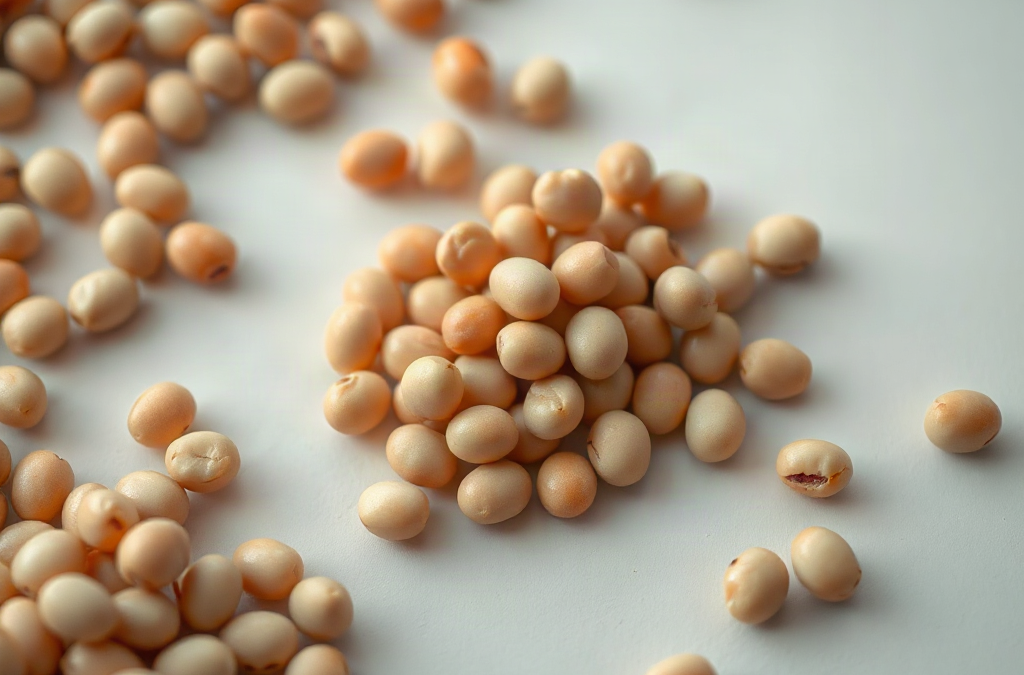
Organic kidney beans make fiber-rich meals more practical when they are fully cooked, paired with vegetables or whole grains, and portioned according to digestive comfort. Their combination of dietary fiber, plant protein, and starch works especially well in salads, soups, grain bowls, chili, wraps, and mashed bean spreads. Canned beans offer speed but should be drained and rinsed when lower sodium is preferred, while dried beans require soaking and thorough boiling for safe preparation. Increase portions gradually if beans are new to your diet, and balance them with varied foods rather than treating one ingredient as a complete meal.
Why Do Kidney Beans Work Well in Fiber-Rich Meals?
Kidney beans contribute several meal-building components at once: dietary fiber, plant protein, starch, and minerals. Fiber is not digested in the same way as starch or protein, so it adds bulk and reaches the large intestine, where some of it can be fermented by gut microbes. That combination can make a bean-based dish more satisfying than a similar serving of refined grains alone.

The practical advantage is not that kidney beans possess a unique health effect unavailable from other foods. Their value comes from replacing or extending ingredients that contain less fiber. Adding beans to white rice, for example, changes the meal more meaningfully than placing a spoonful beside an already substantial plate. The beans contribute texture and substance while reducing the amount of meat or refined grain needed to make the dish feel complete.
Kidney beans are not nutritionally complete on their own. A balanced bowl might combine them with brown rice, cabbage, tomatoes, avocado, and a citrus-based dressing. The beans supply fiber and protein; the vegetables add variety, volume, and different micronutrients; the grain supplies energy and a contrasting texture. People do not need to combine beans and grains in exact proportions at every sitting, but eating a varied diet across the day remains more useful than relying heavily on one food.
The organic label concerns how the beans were produced and certified; it does not automatically mean a canned product is low in sodium, free of added sugar, or nutritionally superior to every conventional option. Read the ingredient list and Nutrition Facts panel rather than using the production label as a shortcut for the product’s entire nutritional profile. A simple can containing organic kidney beans, water, and salt may be a more versatile choice than one packed in a heavily seasoned sauce.
A common mistake is to add beans without adjusting the rest of the plate. A large serving of beans on top of a full portion of rice, cheese, meat, and dressing may create a much heavier meal than intended. For everyday use, let the beans replace part of another ingredient, then add vegetables and a flavorful acid, herb, or spice mixture. That approach preserves satisfaction while making fiber a structural part of the meal rather than an afterthought.
Should You Choose Dried or Canned Kidney Beans?
Dried and canned kidney beans can both support fiber-rich eating, but they solve different practical problems. Dried beans offer control over salt, texture, and seasoning. They are often economical per cooked portion and work well for batch cooking. Their drawback is the required planning: the beans usually need sorting, rinsing, soaking or a suitable alternative preparation, and thorough cooking before they can be used.
Canned beans are already cooked, making them useful for lunches, small households, and meals assembled in minutes. Drain and rinse them before adding them to a salad, wrap, or skillet dish if you want to remove the packing liquid and some surface sodium. Rinsing also gives cold dishes a cleaner flavor. If the liquid is part of a deliberately seasoned soup, check the label first and adjust any additional salt accordingly.
| Decision Factor | Dried Kidney Beans | Canned Kidney Beans |
|---|---|---|
| Preparation time | Requires advance cooking | Ready after opening and rinsing |
| Seasoning control | High control over salt and aromatics | Depends on the packed product |
| Texture | Can be tailored to the dish | Consistent but sometimes softer |
| Best use | Batch cooking, soups, chili | Quick salads, wraps, weeknight bowls |
| Storage constraint | Cooked portions need refrigeration or freezing | Unopened cans are shelf-stable; leftovers need refrigeration |
Choose based on what you will actually use. A bag of dried beans is not the economical option if the cooking time prevents you from preparing it, while canned beans may become expensive if they are the foundation of several large family meals each week. A practical middle ground is to cook a large batch of dried beans, cool it promptly, and freeze meal-sized portions for later use.
Compare products by serving size, sodium, added ingredients, can condition, and price per usable portion. A label such as “no salt added” can be helpful for people monitoring sodium, but it does not make the beans appropriate for every individual medical diet. Anyone managing kidney disease, digestive disorders, or a clinician-prescribed restriction should seek individualized advice because potassium, fiber, fluid, and sodium needs can differ substantially.
Do not assume canned beans must be cooked again for safety; commercially canned kidney beans are already cooked. They only need reheating when the recipe calls for a hot ingredient. Dried kidney beans are different and must never be treated as a ready-to-eat pantry food.
Six Practical Ways to Use Organic Kidney Beans
Kidney beans work best where their firm texture and mild flavor have a clear role. Instead of scattering them into every dish, match them with moisture, acidity, seasoning, and ingredients that provide contrast. The following six uses cover cold, hot, quick, and batch-cooked meals.
- Build a grain-and-vegetable bowl. Layer kidney beans with brown rice, quinoa, or another cooked grain, then add roasted peppers, shredded greens, and a lemon or lime dressing. For a lighter bowl, reduce the grain portion rather than simply adding beans on top of a standard serving.
- Make a bean-forward salad. Combine rinsed canned beans with cucumber, tomatoes, red onion, parsley, and a vinaigrette. Letting the mixture rest briefly helps the beans absorb flavor. Delicate leafy greens are best folded in just before serving so they do not wilt.
- Extend soups and chili. Kidney beans hold their shape in tomato-based chili, vegetable soup, and minestrone-style dishes. Add already cooked beans late enough to avoid turning them mushy. If using beans cooked from dry, reserve unsalted cooking liquid to adjust the consistency.
- Fill wraps or baked potatoes. Warm beans with cumin, paprika, garlic, or chopped herbs, then combine them with cabbage slaw or sautéed vegetables. Lightly crushing some beans prevents them from rolling out of a wrap and creates a cohesive filling without requiring a heavy sauce.
- Mash them into a spread. Blend or mash cooked beans with olive oil, lemon juice, garlic, and enough water to loosen the texture. This makes a sandwich filling or vegetable dip. Kidney bean spread has a denser, earthier character than chickpea hummus, so strong herbs and acidity are useful.
- Turn leftovers into a skillet meal. Heat beans with leftover vegetables and a modest portion of cooked grain. Add fresh greens near the end and finish with vinegar, citrus, or salsa. This is particularly effective when the original ingredients are individually bland but still safely stored.
The meal format should determine the bean texture. Firm beans are preferable in salads and bowls because they remain distinct. Softer beans work well in spreads, thick soups, and fillings. If canned beans break apart as soon as they are rinsed, use them in a mashed application rather than discarding them, provided the can was intact and the product has no signs of spoilage.
Seasoning is another frequent failure point. Beans can taste flat when salt is the only flavoring, yet adding more salt does not replace acidity, aromatics, or spices. Tomato, vinegar, citrus, garlic, onion, herbs, and toasted spices create layers of flavor. Start with the intended cuisine and choose a coherent set of seasonings instead of combining every available spice.
How Should Kidney Beans Be Prepared Safely?
Dried kidney beans require thorough cooking because raw and undercooked kidney beans contain high levels of a naturally occurring lectin called phytohaemagglutinin. Proper boiling is the critical safety step. A slow cooker alone may not bring the beans to a sufficiently vigorous temperature, so dried kidney beans should be boiled according to reliable food-safety directions before any lower-temperature simmering or slow cooking.
Begin by sorting the dried beans and removing stones, damaged beans, or other debris. Rinse them under running water, then soak them using a recognized soaking method if desired. Discard the soaking water, add fresh water, and bring the beans to a full boil. Continue cooking until they are completely tender rather than merely warm or slightly softened. Exact cooking time varies with bean age, soaking method, water chemistry, and equipment, so texture is a better finishing check than an overly precise timetable.
Never taste a dried kidney bean to determine whether it has cooked enough during the early stages. Undercooked beans can cause acute gastrointestinal symptoms, and eating several is not a harmless texture test. If a batch remains hard after prolonged cooking, continue with fresh hot water as needed; acidic ingredients such as tomatoes or vinegar are usually better added after the beans have softened because acidity can slow tenderizing.
Canned kidney beans remove this preparation hazard because commercial processing cooks them. Still, inspect the container before use. Avoid cans that are bulging, leaking, badly rusted, or deeply dented around seams. Once opened, transfer unused beans to a covered food-safe container, refrigerate them promptly, and follow conservative leftover-storage practices. Do not rely on smell alone to judge questionable food.
Batch preparation needs a cooling plan. A deep pot of hot beans cools slowly, so divide cooked beans and their liquid among shallow containers rather than leaving the entire pot at room temperature. Refrigerate portions intended for near-term meals and freeze the rest. Labeling containers with the preparation date and portion size prevents an otherwise useful batch from becoming an unidentified block at the back of the freezer.
How Can You Improve Digestive Comfort and Meal Balance?
A gradual increase is usually more comfortable than moving abruptly from a low-fiber diet to large bean servings. Kidney beans contain fermentable carbohydrates as well as fiber, and intestinal microbes can produce gas while breaking some of these compounds down. The response varies: a portion that feels routine to one person may cause bloating or discomfort for someone who rarely eats legumes.
Start with a modest amount incorporated into a familiar meal, then observe how you feel over the following day. If the portion is comfortable, increase it over successive meals rather than doubling it immediately. Adequate fluid intake matters when dietary fiber rises, although individual fluid needs and restrictions differ. People under medical fluid limits should follow their clinician’s plan rather than generic hydration advice.
Rinsing canned beans may improve flavor and remove some compounds present in the packing liquid, but it does not guarantee that digestive symptoms will disappear. Soaking dried beans and discarding the soaking water may also help some people, yet portion size and individual tolerance often remain more influential. Persistent pain, severe bloating, vomiting, diarrhea, or symptoms linked to many foods deserve medical attention rather than repeated self-experimentation.
Meal balance also affects comfort and satisfaction. A huge bowl containing beans, lentils, cruciferous vegetables, and several whole grains may deliver more fermentable material than a person is accustomed to eating at once. Spreading fiber-rich foods across the day can be easier than concentrating every source into dinner. A smaller kidney bean salad at lunch and a vegetable-and-grain meal later may be more manageable than combining both into one oversized plate.
Use a short check before serving:
- Is the bean portion appropriate for your current tolerance?
- Does the dish include vegetables and a complementary energy source?
- Have salty sauces, cheese, or processed meats made sodium excessive for your needs?
- Are the beans fully cooked, properly stored, and free from spoilage concerns?
- Will acidity, herbs, or spices provide flavor without relying only on salt?
Signs the approach is working include comfortable digestion, meals that remain satisfying, and beans being used consistently before they spoil. Recurrent discomfort, abandoned leftovers, or meals that feel excessively heavy indicate that the portion, recipe format, or preparation routine needs adjustment. Smaller servings, frozen portions, and simpler combinations are often more sustainable than forcing a large serving for the sake of a fiber target.
Frequently Asked Questions
Do organic kidney beans contain more fiber than conventional kidney beans?
Organic certification does not by itself establish a meaningful fiber advantage. Compare equivalent cooked products and serving sizes rather than assuming the production label determines fiber content.
Should canned kidney beans be rinsed before eating?
Rinsing is useful when you want less packing liquid, a cleaner flavor, or lower surface sodium. It is optional when the liquid suits the recipe and its sodium has been considered.
Can dried kidney beans go directly into a slow cooker?
They should first receive the vigorous boiling required by reliable food-safety guidance. Slow cooking alone may not adequately address the lectin found in raw or undercooked kidney beans.
What foods pair well with kidney beans?
Useful pairings include whole grains, tomatoes, leafy greens, cabbage, peppers, corn, avocado, citrus, herbs, and aromatic spices. Choose combinations that add moisture, acidity, and textural contrast.
How can kidney beans be added without making a meal too heavy?
Use them to replace part of the meat, cheese, or refined grain rather than adding them to an unchanged plate. Begin with a modest portion and emphasize vegetables and bright seasonings.
Conclusion
Kidney beans are most useful when convenience, safe preparation, flavor, and personal tolerance are considered together. Select canned beans for speed or dried beans for batch cooking and greater seasoning control; neither format is automatically the better choice for every kitchen. Fully boil dried kidney beans, cool cooked batches promptly, and inspect canned products before use.
For the next meal, choose one format that fits your routine: a vegetable bowl, composed salad, soup, wrap filling, mashed spread, or leftover skillet. Let the beans replace part of a lower-fiber ingredient instead of simply enlarging the plate. Begin with a manageable serving, add varied vegetables and a clear flavor source, and adjust future portions according to digestion and appetite. Consistent, well-used portions offer more practical value than buying large quantities that remain uncooked or go to waste.