
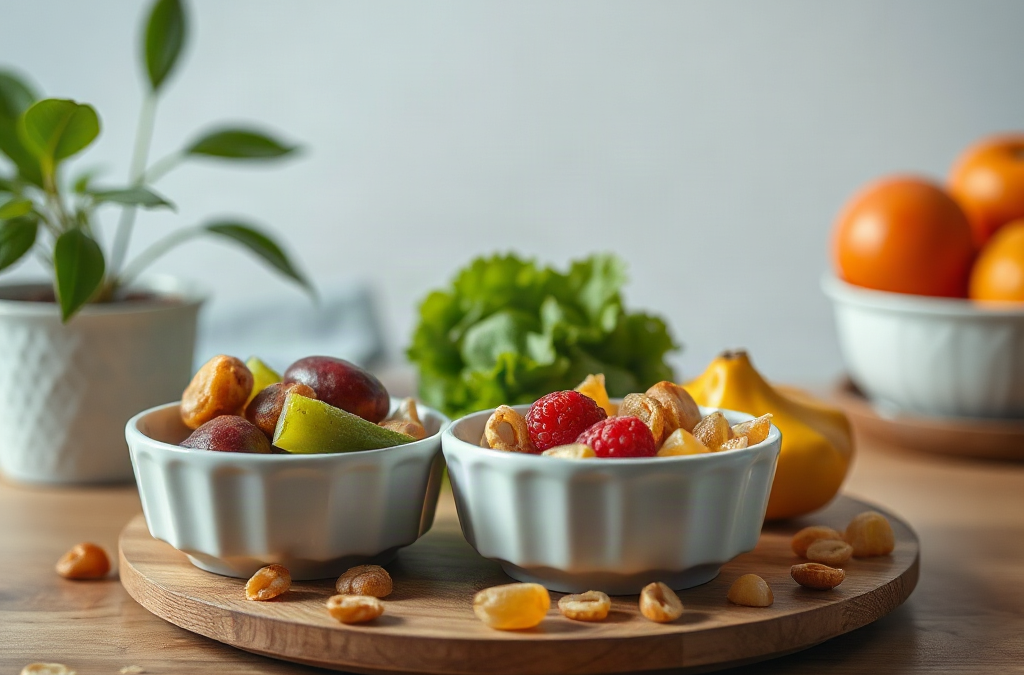
For comfortable digestion, eat a small pre-exercise organic snack about 30–60 minutes before light or moderate activity, or allow 1–3 hours for a larger snack. Favor familiar, carbohydrate-rich choices such as a banana, applesauce, toast, or a small bowl of oatmeal while limiting large portions, high-fat ingredients, excess fiber, and sugar alcohols close to movement. Workout intensity, individual tolerance, hydration, and the time since the last meal should determine the final schedule. Organic certification addresses how ingredients are produced; it does not make a snack easier to digest, so portion size and composition still matter.
How Long Before Exercise Should You Eat?
The useful timing window expands with the size and complexity of the snack. A few bites of an easily digested carbohydrate may fit 30–60 minutes before activity, whereas a substantial snack containing protein, fat, or fiber generally needs about 1–3 hours. These are starting ranges rather than fixed rules. Digestion varies with portion size, exercise intensity, stress, food familiarity, and the meal eaten earlier in the day.

Movement changes how a snack feels. Running, jumping, rowing, and high-intensity intervals repeatedly move or compress the abdomen, so food that feels comfortable before walking may cause fullness, reflux, or cramping during a harder session. Strength training can also feel uncomfortable after a bulky snack, particularly during squats, deadlifts, or exercises performed face down. A gentle bike ride or mobility session usually allows more flexibility.
| Time Before Exercise | Practical Portion | Useful Characteristics | Common Problem |
|---|---|---|---|
| Under 30 minutes | A few bites, if needed | Soft or liquid, low in fat and fiber | Eating a full snack because exercise is about to begin |
| 30–60 minutes | Small snack | Mostly familiar carbohydrate | Adding nuts, seeds, or a large amount of nut butter |
| 1–2 hours | Moderate snack | Carbohydrate with modest protein | Choosing a meal-sized portion |
| 2–3 hours | Larger snack or small meal | More room for protein, fiber, and fat | Assuming every high-fiber choice will be tolerated |
Consider the previous meal before adding more food. Someone who ate lunch two hours ago may need nothing before a short afternoon workout. By contrast, a person exercising early in the morning after an overnight fast may prefer half a banana or a small serving of applesauce, especially if beginning without food causes hunger, weakness, or distraction. A pre-workout snack is not automatically necessary for every session.
A common mistake is treating the clock as more important than the portion. A large bowl eaten 45 minutes beforehand does not become easy to digest merely because it contains nutritious ingredients. When time is short, reduce volume and simplify the snack instead of trying to fit a normal meal into a narrow window. For recurring discomfort, move the same snack 20–30 minutes earlier or make it smaller; changing one variable gives clearer information than replacing the entire routine.
How Snack Composition Changes Digestion
Carbohydrate, fat, protein, fiber, texture, and concentration influence how quickly a snack leaves the stomach and how it feels during exercise. Easily chewed or soft carbohydrate foods are often practical close to activity because they provide less bulk than a mixed snack packed with nuts, seeds, and raw produce. Examples include ripe banana, unsweetened applesauce, toast, a plain rice cake, or a modest serving of cooked oats.
Fat and fiber are valuable parts of an everyday diet, but larger amounts shortly before vigorous movement may slow stomach emptying or increase fullness in some people. A thick layer of nut butter, a handful of almonds, chia-heavy pudding, or a large raw apple may therefore be less comfortable 30 minutes before running than it would be two hours earlier. The lesson is not to avoid these foods generally. It is to match their amount and timing to the session.
Protein is similarly context dependent. A little yogurt or soy beverage may work well when there is more than an hour available, particularly if the snack also needs to bridge a long gap between meals. A large protein shake immediately before exercise can feel heavy, and products containing sugar alcohols, gums, or very concentrated sweeteners may trigger bloating or urgency in susceptible people. Reading the ingredient list matters even when the front label emphasizes organic ingredients.
Organic certification describes production standards; it does not predict digestive tolerance, nutrient density, or suitability before exercise. Organic cookies can still be rich in fat and added sugar, while an organic fiber bar can still contain a concentrated amount of fiber. Whole and minimally processed choices often make portions and ingredients easier to judge, but some processed forms serve a useful purpose. Applesauce is more processed than a whole apple, yet its softer texture and lower chewing burden may be preferable just before a workout.
Hydration also changes the experience. A dry, dense snack without fluid may sit poorly, but rapidly drinking a large bottle of water can create sloshing. Sip according to thirst and conditions rather than forcing a large volume at the last moment. Heat, duration, sweat rate, and access to fluids during the session all affect needs. Persistent nausea, pain, reflux, diarrhea, or dizziness deserves attention from a qualified healthcare professional rather than repeated food experiments.
Organic Snacks for Different Time Windows
The best choice is usually the simplest familiar snack that fits the available interval. “Organic” should guide sourcing if that is a personal priority, while timing decisions should still be based on portion, ingredient profile, and exercise demands. Trying a trendy bar or unfamiliar smoothie before an important race, long hike, or demanding class introduces uncertainty without offering a guaranteed benefit.
When Exercise Starts Within 30–60 Minutes
Keep the serving small and carbohydrate-forward. A ripe organic banana, a pouch or small cup of unsweetened organic applesauce, half a slice of toast with a thin spread of jam, or a plain rice cake may be reasonable starting points. People who tolerate liquids better could use a small smoothie made primarily from banana and water or milk, but a large smoothie with nut butter, seeds, leafy greens, and protein powder behaves more like a meal.
For example, a runner leaving at 7 a.m. might compare half a banana eaten 40 minutes beforehand with a whole banana eaten 15 minutes beforehand. The earlier, smaller approach reduces both stomach volume and the chance of beginning while actively swallowing breakfast. Someone taking a relaxed 30-minute walk may not need either option.
When You Have One to Three Hours
More time permits a moderate portion and a broader nutrient mix. Possible combinations include cooked oats with sliced banana, toast with a modest amount of peanut butter, yogurt with soft fruit, or a small bowl of rice with egg. Choose organic versions of the ingredients where desired, but do not let the label encourage an oversized serving. The closer the workout, the more conservative the fat, fiber, and total volume should be.
A cyclist eating two hours before a steady ride may tolerate oatmeal and yogurt, while the same meal could feel burdensome 45 minutes before intervals. Conversely, eating only a few spoonfuls of applesauce three hours before a long session may leave the person hungry. The appropriate amount reflects the duration of exercise, the previous meal, and opportunities to eat during prolonged activity.
Packaged organic snacks require an ingredient check rather than a halo assumption. Compare serving size, fiber, fat, added sugars, sugar alcohols, and unfamiliar additives. A short ingredient list is not automatically better, but it makes likely triggers easier to identify. Choose a product already tested during ordinary training, and save experimentation for a low-stakes day with bathroom access and schedule flexibility.
How Can You Find Your Personal Timing Window?
A repeatable personal schedule is found by testing one modest change at a time. Digestive response is individual, and a snack that works for a friend may fail because your portion, pace, stress level, or earlier meal differs. Begin with a familiar food and an approximate timing range suited to its size, then observe comfort during the first half of the session and shortly afterward.
Use a compact test sequence:
- Record the baseline: Note the snack, approximate portion, eating time, workout start, activity type, and intensity.
- Track specific responses: Record hunger, fullness, reflux, nausea, cramping, bloating, and urgent bowel movements rather than writing only “good” or “bad.”
- Change one factor: Move the snack earlier, reduce its size, or lower its fat or fiber content—but not all three at once.
- Repeat under similar conditions: Compare two or three ordinary sessions before drawing a conclusion, unless symptoms are severe.
Signs that timing is working include beginning without distracting hunger, completing the session without heaviness or repeated belching, and feeling ready for a normal post-exercise meal. A plan may be failing when the same snack repeatedly causes pressure, reflux, side cramps, nausea, or bathroom urgency. Lack of energy is harder to interpret: it may reflect inadequate food, but it can also relate to sleep, hydration, training load, illness, or pacing.
Morning and evening routines often require different solutions. Early exercisers may have limited time and lower appetite, making a tiny soft snack more realistic than a balanced bowl. An evening exerciser who ate dinner recently may only need water. Beginners should prioritize comfort and routine before experimenting with specialized products; experienced endurance athletes may need a more detailed fueling plan because longer sessions create additional carbohydrate and fluid demands.
Do not use repeated discomfort as a reason to eliminate broad food groups without assessment. Symptoms that persist despite smaller portions and earlier timing, or that occur outside exercise, may warrant guidance from a registered dietitian or healthcare professional. People managing diabetes, gastrointestinal disease, food allergies, pregnancy, or medication-related eating requirements should seek individualized advice because generic timing ranges may not address their risks.
Frequently Asked Questions
Is 30 minutes enough time to digest a pre-exercise snack?
It may be enough for a few bites of a familiar, low-fat, low-fiber carbohydrate. A larger mixed snack generally needs more time, especially before running or high-intensity exercise.
Does an organic snack digest better than a conventional one?
Not inherently. Organic certification concerns production methods, while digestive comfort depends more directly on ingredients, portion size, fiber, fat, texture, timing, and individual tolerance.
Should I exercise on an empty stomach if food causes nausea?
Some people tolerate short sessions without a snack, but nausea can have several causes. Try a smaller portion earlier and seek professional advice if symptoms persist, worsen, or occur outside exercise.
Are nuts a good pre-workout snack?
Nuts provide fat, protein, and fiber but may feel heavy close to vigorous activity. A small amount may suit a longer lead time; a carbohydrate-focused option is often easier when exercise begins soon.
What should I do if I become hungry during the workout?
For the next comparable session, consider a slightly larger snack, a later start time, or more carbohydrate before exercise. Long sessions may require an individualized during-exercise fueling plan.
Conclusion
Comfortable pre-exercise eating comes from matching the snack to the clock, the activity, and your established tolerance. Use smaller, softer, carbohydrate-focused portions when movement begins soon; allow more time for servings that contain substantial protein, fat, or fiber. Treat organic certification as a sourcing attribute rather than evidence that a product will digest easily.
For the next few comparable workouts, test one familiar snack and record its amount, timing, and any specific symptoms. If it feels heavy, first reduce the portion or move it earlier instead of replacing several ingredients at once. Keep products with sugar alcohols or unfamiliar additives for low-stakes trials. Recurrent pain, reflux, nausea, diarrhea, dizziness, or difficulty fueling exercise calls for individualized guidance rather than increasingly restrictive self-experimentation.
Huge Discount on the Best Certified Organic Nutrient Dense Supplement!



