
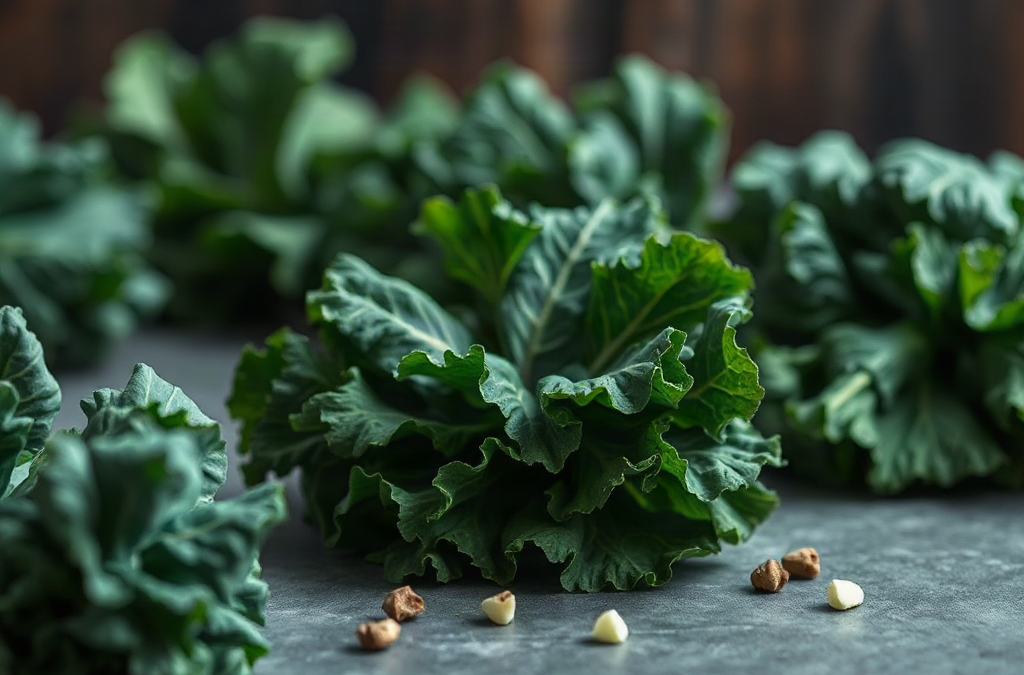
Organic kale preparation for better meal balance works best when the leaves are washed, stems are managed for the chosen dish, and the kale is paired with protein, carbohydrates, and dietary fat rather than served alone. Massage raw leaves with an acidic dressing, or briefly sauté, steam, or blanch them to soften their fibrous texture. Add beans, eggs, fish, tofu, grains, potatoes, nuts, seeds, or olive oil according to the meal. Avoid prolonged soaking and excessive cooking, which can reduce texture and some water-soluble nutrients.
How Should You Choose and Clean Organic Kale?
Fresh kale should have firm leaves, a lively green color appropriate to the variety, and no widespread yellowing, slime, or sour odor. Curly kale is sturdy and holds up well in sautés, soups, and dressed salads. Lacinato kale has flatter leaves that are easier to stack and slice, while young kale is generally more tender but wilts faster. Organic labeling describes how the crop was produced; it does not mean the leaves are ready to eat without washing.

Rinse kale under cool running water while rubbing both sides of each leaf with clean fingers. Pay attention to folds, the base of the leaf, and the area along the central rib, where soil and small insects can remain. A clean bowl can help contain the leaves, but prolonged soaking is unnecessary. Replace the water if it becomes visibly dirty, give the leaves a final rinse, and dry them in a salad spinner or between clean towels.
Drying affects the finished dish as much as washing does. Water left on raw kale dilutes dressing and prevents oil from coating the surface evenly. In a skillet, excess moisture causes the leaves to steam before they sauté. A small amount of clinging water can be useful for covered wilting, but it should be a deliberate choice rather than the result of incomplete drying.
The central stems require a separate decision. Thick, mature ribs can be tough in a raw salad, so strip the leafy portion away by hand or cut along both sides of the rib. Do not assume the stems must be discarded. Thinly sliced stems can be cooked for several minutes before the leaves, added to soup, or included in a finely chopped vegetable mixture. This staggered timing addresses the texture difference without wasting edible material.
Prepare only as much kale as storage conditions allow. Washed leaves deteriorate faster when packed away wet, so dry them thoroughly and refrigerate them in a covered container with a clean towel to manage moisture. Discard leaves that become slimy or develop an unpleasant smell. Slight wilting alone may not make kale unusable; such leaves are often better suited to soup, braising, or sautéing than to salad.
How Should Kale Be Prepared for Different Dishes?
The intended dish should determine how finely kale is cut and how much heat it receives. Raw preparation preserves a firm bite, while brief cooking reduces volume and softens the fibrous structure. Neither method automatically produces a more balanced meal. The useful choice is the one that makes an appropriate portion pleasant to eat without burying it under excessive salt, oil, cheese, or sweet dressing.
For Raw Salads
Remove thick ribs, stack the leaves, and slice them into narrow ribbons or small pieces. Add a modest amount of dressing containing oil and an acidic ingredient such as lemon juice or vinegar, then massage the leaves with clean hands until they darken slightly and lose some stiffness. This usually takes a minute or two rather than prolonged kneading. Letting the dressed kale rest briefly can soften it further.
Massaging is most useful for mature curly or lacinato kale. Tender baby leaves may become bruised or limp under the same treatment. A common failure sign is a dense, squeaky salad that is difficult to chew; the pieces may be too large, the ribs may still be present, or the leaves may need more time with the dressing. A mushy salad signals the opposite problem: too much force, too long a rest, or too much liquid.
For Sautéing, Steaming, or Blanching
For a quick sauté, warm a small amount of oil, cook aromatic ingredients if desired, and add chopped kale in batches. Turn the leaves until they are evenly wilted and tender enough to chew. Tough stems should enter the pan first. If the skillet dries before the leaves soften, add a spoonful of water and cover it briefly instead of continually adding oil.
Steaming offers gentle softening with little added fat, leaving the cook free to add fat elsewhere in the meal. Blanching—briefly placing kale in boiling water and then draining it—is useful before freezing or when a softer, less assertive result is wanted. Boiling for an extended period can produce dull color, a waterlogged texture, and losses of water-soluble nutrients into discarded liquid. Soup is a different case because the cooking liquid remains part of the meal.
Use sensory signs rather than chasing an exact universal time. Properly cooked kale should be tender but still recognizable, without a sulfurous odor or mushy texture. Mature leaves need more time than baby kale, and a crowded pan behaves differently from a wide skillet. Taste a piece from the thickest area before ending the cooking process.
What Should You Pair With Kale for a Balanced Meal?
Kale contributes leafy volume, fiber, and micronutrients, but it does not supply every component needed for a satisfying meal in substantial amounts. A bowl dominated by kale may look abundant while providing too little energy or protein for the eater’s needs. The practical correction is to treat kale as the vegetable component and deliberately add a protein source, a carbohydrate source, and some dietary fat.
| Meal component | Practical choices | Role on the plate |
|---|---|---|
| Prepared kale | Massaged, sautéed, steamed, or added to soup | Vegetable volume, texture, fiber, and micronutrients |
| Protein | Beans, lentils, tofu, eggs, fish, chicken, or yogurt-based dressing | Greater substance and a broader nutrient profile |
| Carbohydrate | Potatoes, brown rice, quinoa, barley, corn, or whole-grain bread | Energy and contrast with the leafy vegetable |
| Fat | Olive oil, tahini, avocado, nuts, seeds, or oily fish | Flavor, satisfaction, and absorption of fat-soluble compounds |
A workable lunch might combine massaged kale with white beans, roasted sweet potato, pumpkin seeds, and lemon-tahini dressing. For dinner, sautéed kale can sit beside baked fish and barley. A plant-based option could pair steamed kale with tofu, brown rice, and a peanut or sesame sauce. These combinations are templates rather than rigid formulas; allergies, dietary preferences, budget, appetite, and medical needs may require substitutions.
Fat deserves attention because kale contains fat-soluble compounds, including carotenoids and vitamin K. Serving the vegetable with some dietary fat may support the use of these compounds, but more is not necessarily better. A measured dressing or a spoonful of seeds may be enough when the plate already includes salmon, avocado, or another fat source. Conversely, completely fat-free preparation can be less satisfying and may not take full advantage of the meal’s nutrient mix.
Portion balance should follow the whole plate rather than a fixed kale quota. Cooked kale takes up much less space than raw kale, so visual comparison can be misleading. Start with an amount that is comfortable to chew and digest, then assess whether the finished meal leaves room for the other components. Persistent hunger soon after eating may indicate that the meal needs more protein, carbohydrate, fat, or total food—not simply a larger pile of greens.
People taking anticoagulant medication are often advised to keep vitamin K intake consistent rather than making abrupt dietary changes. Because kale is rich in vitamin K, anyone managing such medication should discuss substantial changes in kale consumption with the clinician or pharmacist overseeing treatment. Kale remains a food, not a treatment for a health condition, and individual nutrition needs may differ.
Which Kale Preparation Mistakes Matter Most?
The most consequential mistakes involve texture, dilution, imbalance, and unrealistic assumptions about the organic label. Poor texture discourages people from eating the prepared food, while an unbalanced plate can leave them hungry despite consuming a large bowl. Correcting these problems usually requires changing the preparation sequence, not finding a more complicated recipe.
Leaving thick ribs in a raw salad is a frequent source of toughness. The simple test is to bend the stem: if it feels woody and resists snapping or chewing, remove it from the leaves and cook it separately. Cutting leaves into oversized pieces creates a similar problem because every bite requires more chewing and dressing is distributed unevenly. Narrow ribbons or bite-size pieces give a more consistent result.
Adding dressing to wet leaves produces a thin pool at the bottom of the bowl. Oil and seasonings slide off instead of adhering, prompting cooks to add more dressing than they intended. Dry the kale first, then add dressing gradually and toss before deciding whether more is needed. For cooked kale, avoid crowding a small pan with a large wet batch unless steaming is the goal.
Overcooking is easy when appearance is used as the only cue. Kale wilts before its thickest portions become tender, so taste testing matters. Continue briefly if the leaf is still leathery, but stop before it becomes shapeless or develops an overly strong cooked-cabbage aroma. If the first batch is too bitter or firm, try younger leaves, remove more stem, cut the kale smaller, or combine brief cooking with acid rather than masking it with excessive sweetener.
A short preparation sequence prevents most avoidable failures:
- Inspect: remove spoiled leaves and check folds for soil or insects.
- Rinse: wash every surface under cool running water.
- Dry: remove excess water unless covered steaming is intended.
- Separate: treat thick stems and tender leaves according to their different cooking times.
- Soften: massage raw leaves or cook them only until pleasantly tender.
- Complete the plate: add suitable protein, carbohydrate, and fat sources.
The organic designation should not replace ordinary food-safety habits. Organic produce can still carry soil and microorganisms from handling and distribution. Washing with running water is appropriate; household soap or detergent is not intended for produce. If kale repeatedly spoils before use, buy a smaller bunch, cook part of it soon after purchase, or freeze blanched portions for later soups and sautés.
Conclusion
Good kale preparation is largely a matter of matching technique to texture. Inspect and rinse the leaves, dry them appropriately, and separate sturdy stems when they would interfere with the dish. Massage mature raw leaves or use brief, controlled heat, checking tenderness by tasting rather than relying solely on time.
The larger nutritional decision happens after preparation. Build the plate with a meaningful protein source, an energy-providing carbohydrate, and an appropriate amount of dietary fat instead of expecting kale to carry the entire meal. Start with one dependable combination—such as sautéed kale, beans, brown rice, and tahini—and adjust the cut, cooking time, and portion according to appetite and digestive comfort. People whose medication is affected by vitamin K should seek individualized guidance before sharply changing how often they eat kale.
Frequently Asked Questions
Is raw or cooked organic kale better for a balanced meal?
Both can fit. Raw kale offers crisp texture, while cooking makes the leaves softer and reduces their volume. Choose the form you tolerate and enjoy, then add protein, carbohydrate, and dietary fat.
Should kale stems be removed before cooking?
Remove thick stems from raw salads, but thinly sliced stems can be cooked. Add them to the pan or soup before the leaves because they need more time to soften.
How can kale be made less bitter?
Use younger leaves, remove tough ribs, and add acid, fat, or gentle heat. Lemon, vinegar, olive oil, tahini, garlic, beans, and roasted vegetables can balance bitterness without excessive sugar.
Does organic kale still need to be washed?
Yes. Organic production does not remove soil or contamination introduced during harvesting and handling. Rinse the leaves under cool running water, rub their surfaces, and dry them with clean equipment.
Can prepared kale be stored for later meals?
Washed raw kale stores best when thoroughly dried and refrigerated in a covered container. Cooked kale should be cooled promptly and refrigerated; discard either form if it becomes slimy or smells unpleasant.