
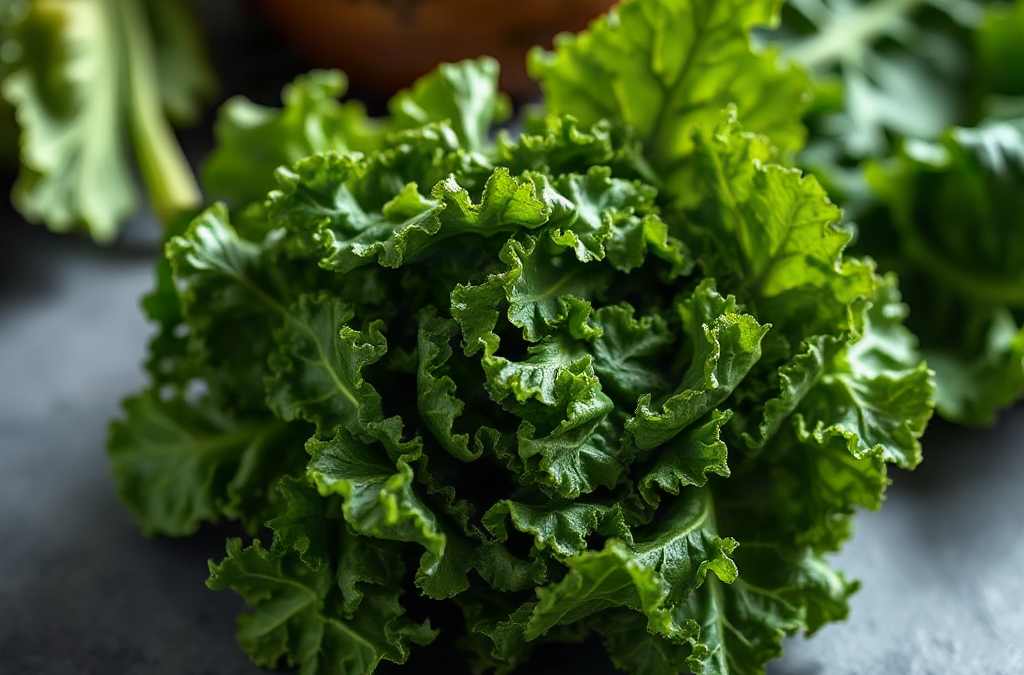
Organic kale preparation to improve flavor and texture depends on removing grit, softening the fibrous leaves, and matching the cooking method to the kale’s maturity. Wash the leaves thoroughly, strip away thick stems, and massage raw kale briefly with a little oil or dressing to reduce chewiness without making it limp. For cooked dishes, sauté chopped leaves quickly for tender edges or simmer mature kale longer with flavorful liquid when softness matters more than brightness. Overcooking can produce dull color and a sulfur-like flavor, while under-seasoning leaves bitterness exposed. Taste a small piece after each preparation stage and adjust salt, acid, fat, or cooking time rather than treating every bunch the same.
Choose and Clean Kale for a Better Starting Point
Freshness and cleaning determine much of kale’s final character before any oil reaches the pan. Look for leaves that are firm, deeply colored, and free from widespread yellowing or sliminess. Small, tender leaves are usually easier to eat raw, while large mature leaves often have thicker veins and a more pronounced earthy flavor. Curly kale can hold soil in its folds, and flat-leaf varieties may carry grit along the central rib, so a quick rinse under running water is rarely enough.
Separate the leaves from the bunch before washing them. Swish them in a large bowl of cool water, lift them out rather than pouring the water over them, and repeat if sediment remains at the bottom. A salad spinner or clean towel helps remove surface water. Excess moisture is particularly troublesome in a hot skillet: it lowers the pan temperature, encourages steaming, and makes it harder to develop the savory browned notes that soften kale’s bitterness.

Organic produce still needs washing because soil, handling residue, and naturally occurring microbes can remain on the surface. Plain cool running water and friction are appropriate for routine produce cleaning; soap and household cleaners should not be used. Remove damaged portions, but do not discard an entire bunch simply because a few outer leaves are less attractive.
A useful preparation check is simple: the leaves should feel clean, smell fresh, and separate easily without a slippery coating. If the bunch is limp but not spoiled, placing the stems in cool water for a short time may restore some crispness. Do not use a wilted or sour-smelling bunch as a test case for technique. For more ideas on handling leafy vegetables, Organic kale preparation to improve flavor and texture can be adapted to the variety in your kitchen.
Remove Toughness Without Losing Freshness
Stem removal is the most reliable way to improve kale’s texture. The central rib contains more fibrous material than the surrounding leaf, so leaving thick stems attached can create a mixed bite: tender edges alongside stubborn, stringy pieces. Hold the stem with one hand and pull the leaf away with the other, or fold the leaf and slice along both sides of the rib. Thin baby kale stems may be tender enough to keep, but thick mature ribs are better reserved for stock, blended sauces, or a separate longer-cooking preparation.
Cutting size should follow the dish rather than personal habit. For salad, tear or slice the leaves into pieces small enough to coat evenly with dressing. For a skillet, ribbons about an inch wide cook more uniformly than large shards. Very small pieces wilt rapidly and can lose their fresh flavor, especially if added to a hot pan with little liquid. Larger pieces retain a leafy presence but need more chewing.
Massaging works because pressure breaks down some of the leaf’s rigid structure and distributes fat or dressing across its surface. Place dry, stemmed leaves in a bowl with a small amount of olive oil, lemon juice, or dressing, then squeeze and rub them for roughly thirty seconds. Stop when the leaves darken slightly and feel more flexible. The goal is pliability, not a paste-like texture. Salt can draw out moisture, so add it carefully if the salad will sit before serving.
There is a tradeoff between raw crispness and tenderness. A brief massage keeps more structure than blanching, while blanching gives a softer, more uniform bite but can mute the raw, peppery character. Try a small portion first when preparing kale for guests or a packed lunch. If the leaves still resist the teeth after dressing, massage a little longer; if they look wet and collapsed, the treatment has gone too far. A useful related reference point is Organic kale preparation to improve flavor and texture for deciding whether raw or cooked leaves fit the dish.
Match Cooking Time to Kale Variety and Dish
Cooking method should reflect the thickness of the leaves and the texture you want at the table. Quick sautéing preserves color and a fresher taste, but it works best when the leaves are stemmed, sliced, and added in manageable batches. Heat oil in a wide pan, add aromatics such as garlic or onion if desired, and cook the kale until the leaves wilt and the thickest pieces become easier to bite. A splash of water or broth can speed softening without requiring a long braise.
For mature curly kale or dishes where spoon-tender greens are preferred, covered simmering is more dependable. Add the chopped leaves to soup, beans, grains, or a small amount of seasoned broth and allow enough time for the fibers to relax. The liquid also carries salt and flavor into the leaves, which is useful when kale tastes harsh on its own. The drawback is that extended heat can turn bright green leaves dull and can flatten their more delicate aroma.
Blanching is a middle option. Briefly placing kale in boiling water, then draining it well, reduces raw toughness before the leaves are added to pasta, fillings, frittatas, or a quick stir-fry. This approach is practical when a dish has a short final cooking time but needs tender greens. Thorough draining matters; wet blanched kale can dilute sauces and prevent browning.
Different parts of the bunch can follow different paths. Chop ribs finely and cook them with onions before adding the leaves, or save them for a longer-cooking soup. Add delicate baby leaves near the end of cooking, while mature leaves can enter earlier. The common mistake is using one fixed cooking time for every variety. Check a leaf rather than relying only on the clock: it should bend easily, retain a pleasant green flavor, and lack the raw resistance that signals undercooking. For a weeknight dish, Organic kale preparation to improve flavor and texture is most effective when the preparation method matches the finished dish.
Balance Bitterness With Seasoning and Pairings
Kale’s bitterness is not necessarily a defect, but it becomes unpleasant when the dish lacks salt, fat, acidity, or a contrasting savory element. Salt sharpens other flavors and can make earthy notes seem less aggressive. Olive oil, tahini, yogurt, avocado, or grated cheese coats the leaves and gives bitter compounds less immediate impact on the palate. Lemon juice, vinegar, tomatoes, or a modest amount of mustard adds acidity that makes cooked greens taste livelier.
Season in stages instead of adding a large amount at the end. A pinch of salt during cooking can season the leaves internally, while a final squeeze of lemon can restore brightness after heat. Garlic, ginger, smoked paprika, chili, toasted nuts, beans, eggs, and whole grains provide distinct contrasts rather than simply masking the kale. For instance, sautéed kale with white beans and garlic needs less aggressive seasoning than raw kale paired with a creamy tahini-lemon dressing.
Sweetness can help, but it should not become the default correction. Roasted squash, caramelized onions, apples, or a small amount of dried fruit can soften the perception of bitterness in a salad or grain bowl. The tradeoff is that too much sweetness makes the greens taste disconnected from the rest of the meal. If a bunch tastes unusually bitter, inspect its condition and maturity first; seasoning cannot rescue slimy leaves or a dish that has been scorched.
Temperature also affects perception. Warm kale often tastes softer and more integrated, while chilled raw kale can seem firmer and more assertive. Taste the finished preparation at the temperature in which it will be served. A common assumption is that more dressing automatically improves raw kale. Excess dressing instead makes leaves heavy and watery, especially after refrigeration. Coat the leaves lightly, let them rest briefly, then add more only if the texture still feels dry.
Fix Common Texture and Flavor Problems
When kale remains tough, the first question is whether the stems and ribs were removed. If they were, the next likely causes are leaf maturity, large cutting size, insufficient moisture, or too short a cooking time. Add a tablespoon or two of water or broth, cover the pan briefly, and test again. For a salad, more massaging may help, but a very mature bunch may be better cooked than forced into a raw preparation.
When the leaves taste bitter, taste the cooking liquid or dressing separately. A thin, under-seasoned sauce leaves kale exposed, whereas a balanced mixture of salt, acid, fat, and savory ingredients integrates it. Avoid dumping in sugar or salt before identifying the imbalance. If the flavor is burnt, smoky, or sulfurous, scraping the bottom of the pan will not fully correct it; transfer the unaffected greens to a clean vessel and rebuild the seasoning.
Watery kale usually results from poor drying, overcrowding, or adding too much liquid. Cook in batches when necessary and allow moisture to evaporate before finishing with dressing or cheese. Dull, olive-colored kale generally reflects prolonged high heat or a covered pot with no attention to timing. It may still be safe and edible, but its flavor and appearance will be less fresh.
A compact preparation checklist can prevent most failures:
- Inspect the bunch and discard spoiled portions.
- Wash in cool water, then dry thoroughly.
- Remove thick ribs and choose a cut suited to the recipe.
- Use massage for raw leaves, moisture for stubborn cooked leaves, and shorter heat for tender varieties.
- Taste before serving and adjust one element at a time: salt, acid, fat, or cooking time.
Storage affects the next preparation as well. Keep unwashed kale loosely wrapped or in a breathable produce bag until use, since trapped moisture encourages decay. Prepared kale should be refrigerated promptly in a covered container, although dressed salads gradually soften. Cook only what the dish can use within a reasonable period if crisp texture is the priority.
Frequently Asked Questions
Should organic kale be washed before cooking?
Yes. Rinse the leaves under cool running water or swish them in a bowl, then dry them well. Organic status does not remove soil or handling-related contamination.
How do you make raw kale less chewy?
Remove thick stems, slice the leaves, and massage them briefly with oil or dressing. Stop when the leaves become flexible but still retain structure.
Why does kale taste bitter after cooking?
Bitterness may be more noticeable when mature leaves are under-seasoned, scorched, or cooked without enough contrasting flavor. Try balanced salt, acid, fat, and savory ingredients.
Is blanching kale better than sautéing?
Neither is universally better. Blanching softens leaves evenly before a short final cook, while sautéing develops deeper flavor and can preserve a fresher character when the pan is not overcrowded.
How should kale stems be used?
Thin stems can be finely chopped and cooked with aromatics. Thick ribs are better simmered separately in soups, blended into sauces, or saved for stock because they remain firmer than the leaves.
Conclusion
Better kale begins before seasoning: choose sound leaves, wash away grit, dry them thoroughly, and remove ribs that will stay fibrous in a quick preparation. Use massage when you want a tender raw salad, blanching when a recipe has limited final cooking time, and covered simmering when mature leaves need a softer result. Flavor improves when salt, acid, fat, and savory ingredients are added with restraint rather than used to bury bitterness. Check a leaf during cooking, because bunch maturity and cut size matter more than a rigid timer. Once you identify whether the problem is toughness, excess water, under-seasoning, or overcooking, the correction becomes straightforward and the greens can retain both a pleasant bite and a distinct fresh flavor.
Huge Discount on the Best Certified Organic Nutrient Dense Supplement!