
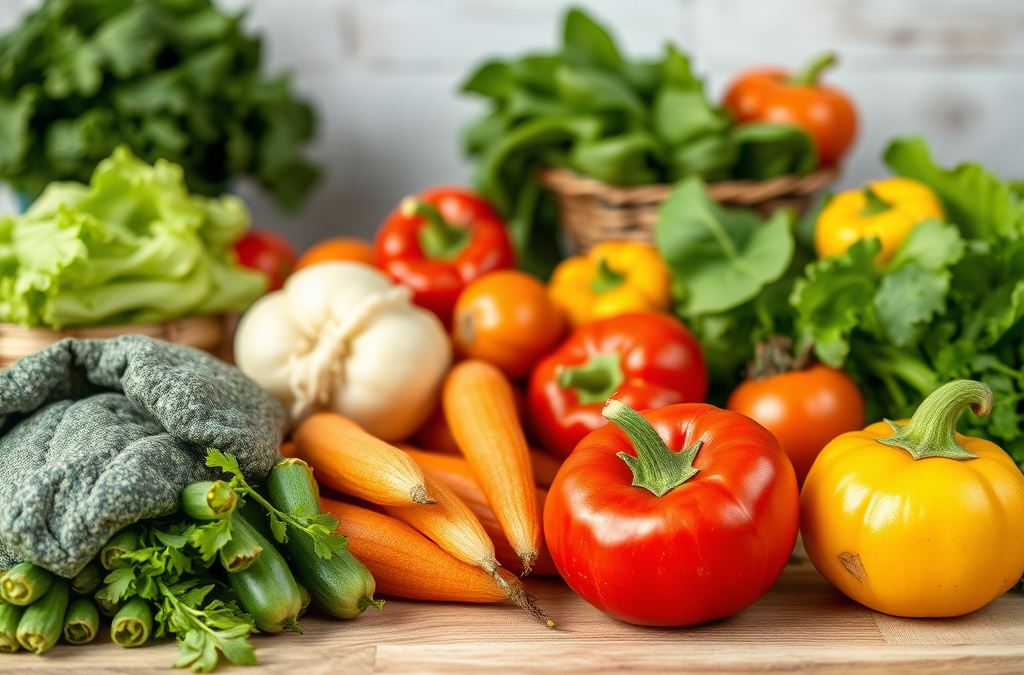
To determine if organic vegetables are fresh, look for vibrant colors, firm textures, and a lack of blemishes or wilting. Fresh organic vegetables should feel crisp and have a pleasant, earthy smell. Additionally, check for the harvest date or ask the seller about when they were picked. This ensures you're selecting produce that is at its peak freshness, maximizing flavor and nutritional value.
Visual Cues of Freshness
When assessing the freshness of organic vegetables, the first step involves examining their visual characteristics. Fresh organic produce typically displays vibrant colors that are indicative of ripeness. For instance, a bright green cucumber or a rich red tomato suggests optimal freshness. In contrast, dull or faded colors can signal that the vegetables are past their prime.
Moreover, look for any signs of blemishes or discoloration. Fresh vegetables should be free from dark spots, mold, or shriveling. These imperfections often indicate that the produce is either overripe or has been improperly stored. For leafy greens, such as spinach or kale, check for crisp leaves that are not wilting or yellowing, as these are signs of quality.

Visual Cues of Freshness matters because it turns tell if organic vegetables are fresh from a broad idea into a decision the reader can actually apply. The practical difference usually shows up in the details: how much is needed, when the choice is made, what tradeoff is acceptable, and what sign shows the approach is working. For pet topics, the strongest advice connects behavior, environment, consistency, health, and the animal’s response over time.
A useful way to handle this section is to compare the normal baseline with the situation that creates extra demand. If vegetables is the baseline concern, then organic becomes the adjustment point and fresh becomes the outcome to watch. That keeps the advice specific without forcing the reader into a rigid formula that may not fit their routine, budget, tolerance, schedule, or current level of experience.
The most common mistake is changing too many variables at once. A better approach is to choose one measurable adjustment, use it consistently long enough to see a pattern, and then refine the next step based on energy, comfort, performance, safety, or reliability. This makes the guidance easier to trust because the reader can connect the recommendation to what they observe rather than guessing from a generic checklist.
The practical takeaway is to make the section actionable: identify the main constraint, choose the smallest useful change, and compare the result against the goal. When the outcome improves, the reader can keep the approach. When it does not, the next change should target the most likely bottleneck rather than repeating the same step with more effort.
Texture and Aroma Indicators
The texture of organic vegetables also provides essential insights into their freshness. When you touch the vegetables, they should feel firm and crisp. For example, a fresh carrot will snap easily when bent, while a soft or rubbery texture suggests that the vegetable is aging or has started to spoil. Additionally, root vegetables like potatoes should feel solid and heavy for their size.
Aroma plays a crucial role in determining freshness as well. Fresh organic vegetables often emit a pleasant, earthy smell. If you notice an off or sour odor, it is likely that the produce is no longer fresh. For instance, fresh bell peppers should have a sweet, green scent, while broccoli should smell slightly grassy. Trust your nose; a strong, unpleasant smell can be a clear indicator of spoilage.
Texture and Aroma Indicators matters because it turns tell if organic vegetables are fresh from a broad idea into a decision the reader can actually apply. The practical difference usually shows up in the details: how much is needed, when the choice is made, what tradeoff is acceptable, and what sign shows the approach is working. For pet topics, the strongest advice connects behavior, environment, consistency, health, and the animal’s response over time.
A useful way to handle this section is to compare the normal baseline with the situation that creates extra demand. If vegetables is the baseline concern, then fresh becomes the adjustment point and organic becomes the outcome to watch. That keeps the advice specific without forcing the reader into a rigid formula that may not fit their routine, budget, tolerance, schedule, or current level of experience.
The most common mistake is changing too many variables at once. A better approach is to choose one measurable adjustment, use it consistently long enough to see a pattern, and then refine the next step based on energy, comfort, performance, safety, or reliability. This makes the guidance easier to trust because the reader can connect the recommendation to what they observe rather than guessing from a generic checklist.
The practical takeaway is to make the section actionable: identify the main constraint, choose the smallest useful change, and compare the result against the goal. When the outcome improves, the reader can keep the approach. When it does not, the next change should target the most likely bottleneck rather than repeating the same step with more effort.
Understanding Harvest Dates
Knowing the harvest date of organic vegetables can significantly aid in assessing their freshness. When shopping, inquire about when the vegetables were picked or check packaging labels for this information. Freshly harvested vegetables typically retain their nutrients and flavor better than those that have been stored for extended periods.
In many local markets, farmers display the harvest dates prominently, allowing consumers to make informed choices. For example, vegetables that have been harvested within the last few days will likely taste better and provide more nutritional benefits than those that have been sitting on shelves for weeks. Keep in mind that the longer produce sits after harvest, the more it may lose its texture and flavor.
Understanding Harvest Dates matters because it turns tell if organic vegetables are fresh from a broad idea into a decision the reader can actually apply. The practical difference usually shows up in the details: how much is needed, when the choice is made, what tradeoff is acceptable, and what sign shows the approach is working. For nutrition topics, the strongest advice connects portion size, food quality, timing, and recovery instead of treating every meal as a fixed serving.
A useful way to handle this section is to compare the normal baseline with the situation that creates extra demand. If vegetables is the baseline concern, then harvest becomes the adjustment point and organic becomes the outcome to watch. That keeps the advice specific without forcing the reader into a rigid formula that may not fit their routine, budget, tolerance, schedule, or current level of experience.
The most common mistake is changing too many variables at once. A better approach is to choose one measurable adjustment, use it consistently long enough to see a pattern, and then refine the next step based on energy, comfort, performance, safety, or reliability. This makes the guidance easier to trust because the reader can connect the recommendation to what they observe rather than guessing from a generic checklist.
Common Mistakes to Avoid
When selecting organic vegetables, there are several common mistakes that consumers should be aware of. One major pitfall is relying solely on appearance. While visual cues are important, they should not be the only factor in your decision-making process. Always consider texture and aroma in conjunction with appearance.
Another mistake is neglecting to ask questions about the vegetable’s history. Don’t hesitate to ask farmers or vendors about their practices, including how long the vegetables have been in storage. This information can help you gauge freshness more accurately.
Lastly, avoid purchasing vegetables that are already beginning to show signs of deterioration, such as wilting greens or soft spots on tomatoes. Even if they look appealing, these signs often indicate that the produce is on its way out.
For those interested in learning more about selecting fresh produce, consider exploring resources from agricultural universities or organizations focused on organic farming practices. These sources provide reliable guidelines and tips for identifying high-quality organic vegetables.
Common Mistakes to Avoid matters because it turns tell if organic vegetables are fresh from a broad idea into a decision the reader can actually prevent. The practical difference usually shows up in the details: how much is needed, when the choice is made, what tradeoff is acceptable, and what sign shows the approach is working. For pet topics, the strongest advice connects behavior, environment, consistency, health, and the animal’s response over time.
A useful way to handle this section is to compare the normal baseline with the situation that creates extra demand. If vegetables is the baseline concern, then organic becomes the adjustment point and fresh becomes the outcome to watch. That keeps the advice specific without forcing the reader into a rigid formula that may not fit their routine, budget, tolerance, schedule, or current level of experience.
Frequently Asked Questions
What should I look for in fresh organic vegetables?
Look for vibrant colors, firm textures, and an absence of blemishes or wilting. Fresh vegetables should also have a pleasant aroma.
How can I tell if leafy greens are fresh?
Fresh leafy greens should have crisp, vibrant leaves without any yellowing or wilting. They should feel firm to the touch.
Is it important to know the harvest date?
Yes, knowing the harvest date helps determine freshness. Vegetables harvested recently will typically be more flavorful and nutritious.
What are common signs of spoilage in vegetables?
Common signs include soft or mushy textures, dark spots, unpleasant odors, and wilting leaves.
Can I still eat vegetables that look slightly wilted?
While slightly wilted vegetables may still be safe to eat, they may lack flavor and nutritional value. It's best to consume the freshest options.
Conclusion
By paying attention to visual cues, texture, aroma, and harvest dates, you can confidently select fresh organic vegetables that enhance your meals and health. Avoid common mistakes by trusting your instincts and asking questions when shopping. Prioritize freshness to enjoy the best flavors and nutritional benefits from your organic produce.
Huge Discount on the Best Certified Organic Nutrient Dense Supplement!



