Organic avocado nutrition and ripeness decisions are best handled separately: organic certification describes how the fruit was produced, while firmness, color, stem condition, and intended use determine when it should be eaten. Avocados provide mostly unsaturated fat along with fiber, folate, potassium, and fat-soluble carotenoids, but ripening changes texture and flavor more than the basic nutrient profile. Choose firm fruit for later in the week, gently yielding fruit for immediate use, and avoid specimens with sunken areas, broken skin, or extensive internal browning. Refrigerate ripe avocados to slow further softening, and treat organic and conventional fruit alike for storage, washing, portioning, and spoilage checks.
What Does an Avocado Contribute Nutritionally?
Avocado is nutritionally distinctive because much of its energy comes from fat rather than carbohydrate. Most of that fat is unsaturated, including monounsaturated fat. The fruit also contributes fiber, folate, potassium, vitamin K, vitamin E, and carotenoid pigments. Exact amounts vary with the avocado variety, fruit size, growing conditions, and portion eaten, so a nutrition database entry should be treated as a useful estimate rather than a measurement of every individual fruit.
The combination of fat and fiber affects how avocado functions in a meal. A few slices can add richness and staying power to a bowl built from beans, vegetables, and whole grains. The natural fat can also help the body use fat-soluble compounds found in foods served with it, such as carotenoids in tomatoes, leafy greens, carrots, or peppers. That does not make avocado mandatory; nuts, seeds, olive oil, and other foods can serve a similar culinary role.
Portion context matters more than labeling avocado as either “healthy” or “high calorie.” Adding half an avocado to a vegetable-and-bean lunch is different from combining a whole avocado with large amounts of cheese, fried chips, and creamy dressing. The latter meal may contain several concentrated sources of fat and energy even though each ingredient has a legitimate place in a varied diet. People managing calorie intake, digestive tolerance, kidney-related potassium restrictions, or another clinical concern may need individualized portion advice from a qualified professional.
A practical serving decision starts with the rest of the plate. Use a smaller amount when avocado is one of several rich ingredients, and use more when it replaces butter, mayonnaise, or another concentrated spread. For example, mashed avocado on whole-grain toast may be paired with tomatoes and an egg or beans, while avocado in a grain bowl may replace an oil-heavy dressing. The useful comparison is not avocado versus no fat; it is avocado versus the ingredient and portion it actually replaces.
Ripeness does not transform an avocado into a fundamentally different food. As the fruit softens, enzymes alter cell walls and the eating experience becomes creamier, while aroma and flavor develop. A softer avocado may seem richer because it spreads easily, but softness alone is not evidence of a major nutritional increase. The common mistake is choosing an overripe fruit under the assumption that darker or softer flesh must be more nutrient-dense. Ripeness should be judged mainly for quality, intended use, and spoilage risk.
Does Organic Status Change Avocado Nutrition?
Organic status is primarily a production and certification distinction, not a dependable shortcut for judging nutrient content or ripeness. Certified organic avocados are grown and handled under applicable organic standards, which restrict or regulate production inputs and practices. The label does not guarantee a particular concentration of vitamins, minerals, fat, or fiber, and it does not mean that every organic avocado will taste better than every conventional one.
Nutrient composition can be influenced by variety, maturity at harvest, soil and weather conditions, postharvest handling, and laboratory measurement. Those variables make broad organic-versus-conventional nutrition claims difficult to apply to a single avocado in a grocery display. An organic fruit harvested at an unsuitable stage or held under poor conditions may have disappointing texture, while a well-handled conventional fruit may ripen evenly. Buying organic can still reflect a shopper’s preferences about agricultural methods, but the certification should not replace ordinary quality checks.
The peel creates another point of confusion. Avocado flesh is protected by a skin that people generally do not eat, yet the outside can pick up soil and microbes during growing, transport, retail handling, and storage. Wash the intact fruit under running water before cutting it, then dry it with a clean towel. Washing matters because a knife can carry material from the peel into the flesh. Organic certification does not remove the need for this step, and soap or household detergent should not be applied to produce.
Price and food waste deserve equal consideration. If an organic multipack costs less per fruit but several avocados ripen at once and spoil, the apparent value disappears. A smaller number selected at different firmness levels may be the better purchase. For a household planning guacamole on Saturday, one nearly ripe avocado and two firm ones may offer more control than three ready-to-eat fruits bought early in the week.
Use a simple priority order at the store:
- Match firmness to timing: buy ready-to-eat fruit only when it will be used soon.
- Reject visible damage: avoid broken skin, leaking areas, mold, or deep sunken patches.
- Consider size and quantity: purchase an amount the household can finish.
- Apply organic preference: choose certified organic when its production standard and price fit your priorities.
A frequent mistake is paying a premium for the organic label while ignoring bruising or advanced softening. Production method and eating quality answer different questions. The strongest purchase is the fruit that satisfies both the shopper’s sourcing preference and the practical timeline for use.
How Can You Judge Avocado Ripeness?
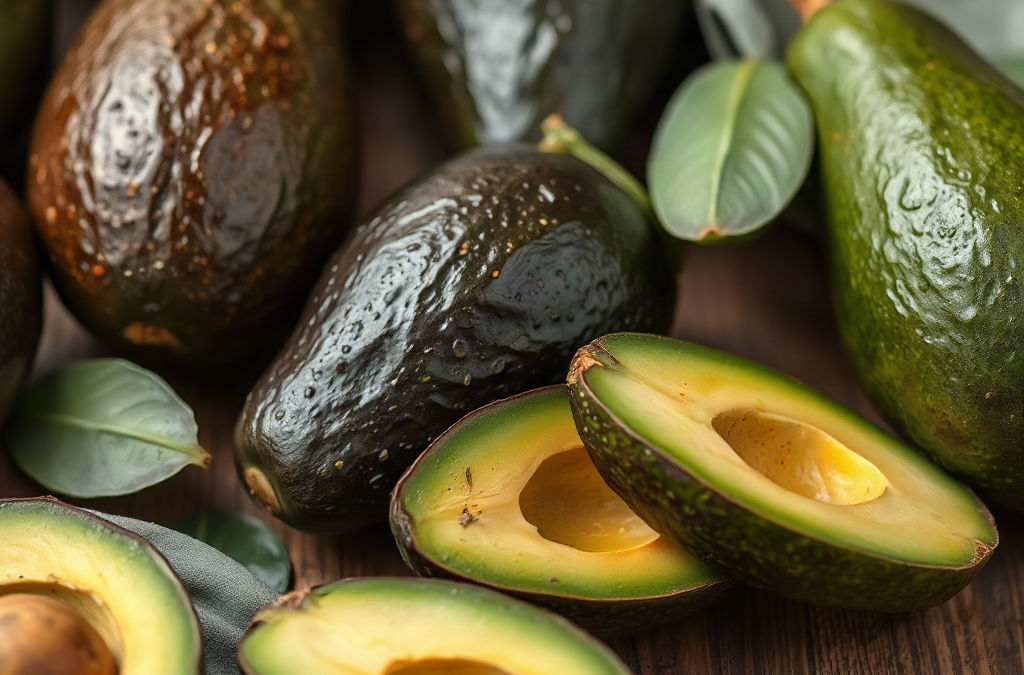
Gentle, even pressure is usually more informative than peel color alone. Hold the avocado in your palm and press very lightly with the whole hand rather than poking it with a thumb. A firm fruit needs more time, a fruit that yields slightly is generally suitable for slicing or mashing, and a very soft fruit may be overripe or bruised. Repeated hard squeezing damages fruit and makes the display less reliable for everyone.
Skin color has limits because avocado varieties behave differently. Hass avocados commonly darken as they ripen, but green-skinned varieties may remain green. Even within one variety, lighting and natural variation can make color misleading. Texture, visible condition, and the planned serving date should carry more weight than an assumption that dark always means ripe.
The stem-end area may provide supporting information, but removing the small cap from every fruit is not a sound primary test. An exposed opening can dry out or admit contamination, and the cap may not release cleanly before the avocado is ready. If a cap has already fallen away, green flesh beneath it is generally more encouraging than a dark, dry, or moldy area. That small window still cannot reveal bruising elsewhere inside.
| Observed Condition | Likely Stage | Best Decision |
|---|---|---|
| Hard with no yielding | Unripe | Buy for use several days later and keep at room temperature. |
| Firm with slight, even yielding | Ripe or nearly ripe | Use soon for slices, toast, salads, or guacamole. |
| Very soft or unevenly soft | Possibly overripe or bruised | Inspect immediately after cutting; discard if spoilage is present. |
| Leaking, moldy, or deeply sunken | Damaged or spoiled | Do not purchase or eat it. |
Intended use changes the ideal endpoint. A clean slice for a salad requires flesh that holds its shape, so slight yielding is preferable. Guacamole tolerates a softer texture, provided the fruit smells fresh and has no evidence of decay. A household shopping for multiple days can deliberately choose a progression: one fruit that yields now, one that is almost ready, and one that remains firm.
Cut fruit requires a second assessment. Small localized bruises can often be trimmed away if the surrounding flesh looks and smells normal. Extensive gray or brown flesh, watery breakdown, visible mold, or a sour or rancid odor is a reason to discard the avocado. Brown surface discoloration from air exposure is different from spoilage, but appearance alone should not override an objectionable smell or degraded texture. The common failure is treating every brown spot as dangerous—or, at the opposite extreme, assuming any soft avocado is safe because it was recently purchased.
How Should Avocados Be Stored and Served?
Storage should follow the avocado’s current stage rather than a fixed rule. Firm, uncut fruit can remain at room temperature while it ripens. Once it yields gently and reaches the texture needed for the planned dish, refrigeration can slow further softening. Refrigeration does not stop ripening indefinitely, so ripe fruit should still be checked and used promptly.
For faster ripening, place a firm avocado in a paper bag with a banana or apple and check it daily. Those fruits release ethylene, a natural plant hormone involved in ripening, while the bag holds some of the gas nearby. A paper bag is preferable to a tightly sealed plastic bag because trapped moisture can encourage deterioration. Heat-based shortcuts such as microwaving or baking may soften the flesh, but they do not reproduce normal flavor development and can produce an uneven or cooked texture.
Once cut, limit exposure to air and refrigerate the avocado in a covered container. Lemon or lime juice can slow visible browning by increasing acidity, although it changes flavor and does not preserve the fruit indefinitely. Pressing reusable wrap or another food-safe covering close to the cut surface also reduces air contact. Keeping the pit in one half protects only the area it physically covers; it does not release a special substance that prevents browning across the rest of the flesh.
Browning is mainly a quality issue caused by enzymes reacting after cut cells encounter oxygen. A thin brown surface can often be scraped away if the avocado has been refrigerated appropriately and otherwise smells and feels normal. Browning should not be used as the sole safety test, however. Sliminess, mold, fermentation-like odors, or substantial watery collapse indicate a different problem and warrant disposal.
Meal preparation is easiest when ripeness and recipe texture are matched deliberately. Use firmer ripe pieces in tacos, salads, sushi-style bowls, or sandwiches where shape matters. Reserve softer, sound flesh for dips, blended dressings, or spreads. Add avocado near serving time when appearance is important, particularly in packed lunches or party dishes that will sit exposed to air.
A workable weekly approach is to inspect fruit once a day, move ready avocados into the refrigerator, and plan the softest sound fruit first. If several ripen together, use one in a meal and prepare the others for near-term refrigerated use rather than waiting until visible collapse begins. Signs that the plan is working include even softening, clean aroma, and flesh that suits the recipe. Repeated bruising, forgotten ripe fruit, or several avocados becoming ready simultaneously suggests that fewer fruits—or a wider range of firmness at purchase—would reduce waste.
Frequently Asked Questions
Are organic avocados more nutritious than conventional avocados?
Organic certification identifies a production standard, but it does not reliably guarantee higher nutrient levels. Variety, growing conditions, maturity, storage, portion size, and the rest of the meal also shape nutritional value.
How can I tell whether an avocado is ready to eat?
Apply very light pressure with your palm. Slight, even yielding usually signals readiness, while hard fruit needs more time and very soft or uneven areas may indicate bruising or overripeness.
Should ripe avocados be refrigerated?
Yes. Refrigeration slows additional softening after an avocado reaches the desired ripeness, although it does not preserve quality indefinitely. Check refrigerated fruit regularly and use it soon.
Can a brown avocado still be eaten?
Minor bruising or surface browning may be trimmed if the remaining flesh has a normal smell and texture. Discard fruit with mold, a sour or rancid odor, sliminess, leaking, or widespread breakdown.
Does leaving the pit in prevent avocado browning?
The pit shields only the flesh directly beneath it. A close-fitting cover, refrigeration, and a little lemon or lime juice are more effective for limiting air exposure and discoloration.
Conclusion
Treat the organic label, nutritional role, and ripeness test as three separate decisions. Certification can align with preferences about farming practices, but firmness and physical condition determine whether the fruit fits tonight’s meal or a later date. Avocado contributes unsaturated fat, fiber, and several micronutrients, yet portions should still be considered alongside other rich ingredients.
At the store, choose a mix of firmness levels, avoid damaged fruit, and buy only what can be used before quality declines. At home, wash the peel before cutting, allow firm avocados to ripen at room temperature, and refrigerate them once ready. Match slightly firm flesh to slicing and softer sound flesh to mashing. Daily checks and timely refrigeration do more to prevent waste than relying on peel color, stem tricks, or heat-based softening shortcuts.