
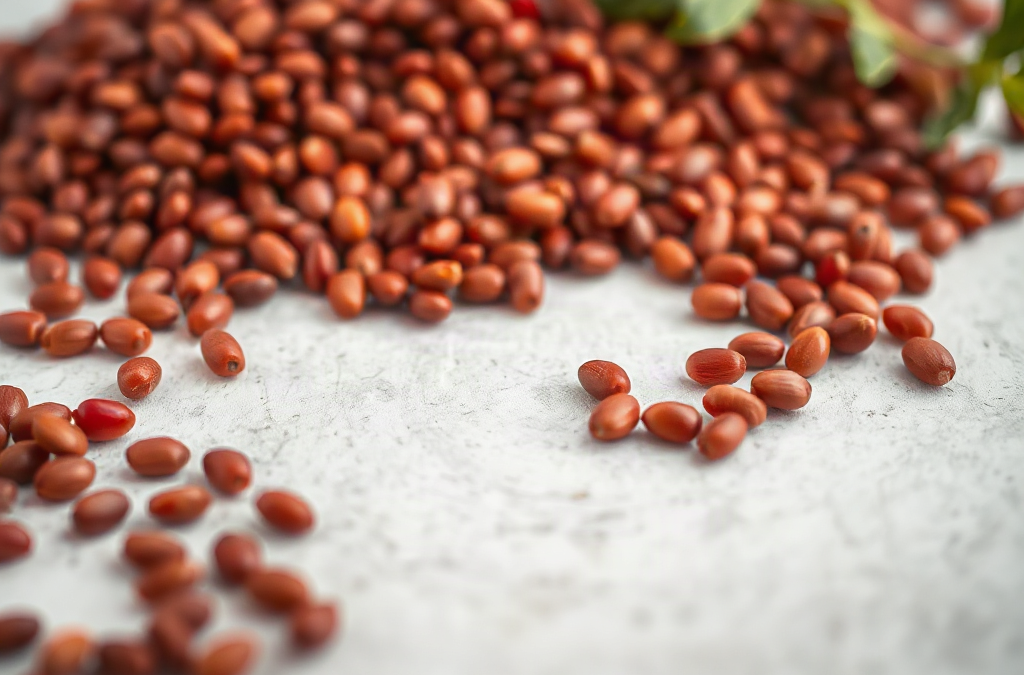
Organic red lentils can anchor balanced meals in about 30 minutes when they are rinsed, simmered for 12–18 minutes, and paired with vegetables, a whole grain, and a source of unsaturated fat. Their split, skinless form softens faster than most dried legumes while contributing plant protein, fiber, folate, and iron. Use less liquid for a thick bowl or more for soup, then add acidic ingredients after the lentils become tender. Choosing organic addresses production preferences, but the label does not by itself make a meal balanced; variety, portions, seasoning, and complementary foods still determine the finished plate.
Why Do Red Lentils Cook So Quickly?
Red lentils are commonly sold split and without their outer seed coats, giving hot water easier access to their starches and proteins. They therefore soften much faster than intact brown or green lentils and most dried beans. This structure is useful on a busy evening, but it also explains why red lentils rarely remain firm and distinct after cooking.

A gentle simmer usually produces tender lentils in roughly 12–18 minutes, although the package directions should take priority. Age and storage conditions can affect the result, while mineral-rich water may change how quickly legumes soften. Vigorous boiling does not solve slow cooking efficiently; it encourages uneven breakdown, rapid evaporation, and a foamy surface that can spill over a small pot.
The texture changes progressively rather than all at once. At the earlier stage, the lentils may be tender but still show some individual pieces. A few minutes later, they collapse into a thick, cohesive base. That transition makes them especially practical for dal, blended or rustic soup, curry, pasta sauce, and savory porridge. It makes them a poor substitute when a recipe depends on firm lentils holding their shape in a composed salad.
Acidic ingredients deserve attention. Tomatoes, lemon juice, and vinegar bring brightness to a finished dish, but adding a generous amount before the lentils soften may delay tenderizing. Cook the lentils until nearly ready, then add tomato-heavy sauce or a final squeeze of citrus. Salt can be used for seasoning during cooking, but heavily salted packaged broth should be diluted or used cautiously because reduction concentrates its flavor.
Rinsing is a practical quality step rather than a soaking requirement. Place the dry lentils in a fine-mesh sieve, rinse with cool water until obvious surface dust is gone, and check for small stones or damaged pieces. Unlike larger dried legumes, red lentils generally do not need an overnight soak. Soaking can shorten an already brief cooking window and make it easier to overshoot the intended consistency.
A common failure is expecting red lentils to behave like whole green lentils. If separate pieces matter, choose a variety known for holding its form. If speed and a creamy texture matter more, red lentils are the better fit. The useful sign is not whether every lentil remains visible, but whether the mixture has reached the thickness required for the meal without scorching or becoming watery.
How Do You Build a Balanced Lentil Meal?
A lentil dish becomes a more complete meal when it includes varied vegetables, enough energy for the eater’s needs, and a modest source of fat. Red lentils contribute plant protein, dietary fiber, folate, iron, potassium, and carbohydrate, but relying on a bowl of plain lentils leaves flavor, texture, and food-group variety underdeveloped.
Start with vegetables that can cook within the same short window. Frozen spinach, peas, chopped tomatoes, grated carrot, sliced mushrooms, diced zucchini, or leftover roasted vegetables are practical choices. Dense vegetables such as winter squash or large carrot pieces need a head start or should be cut small. Frozen vegetables reduce preparation time and remain a useful whole-food option when fresh produce is unavailable or likely to spoil.
Add a grain or starchy vegetable according to appetite and context. Brown rice and barley are nutritious options, but they usually take longer than red lentils unless precooked. For a genuinely quick meal, use leftover whole grains, quick-cooking bulgur, whole-grain flatbread, or a microwaved potato. Lentils and grains do not have to be eaten in a precise ratio or combined in every bite; dietary variety across meals can provide a broad range of amino acids.
Fat improves flavor and makes a low-fat lentil preparation more satisfying for many people. Olive oil, tahini, avocado, pumpkin seeds, walnuts, or a spoonful of plain yogurt can fill that role. The choice also changes the meal’s character: tahini and lemon suit a grain bowl, olive oil works well in tomato-based soup, and seeds add contrast to a soft curry. Portions should reflect individual energy needs rather than a universal formula.
| Meal component | Quick options | Practical role |
|---|---|---|
| Red lentil base | Soup, dal, curry, thick sauce | Provides protein, fiber, and body |
| Vegetables | Spinach, peas, tomatoes, mushrooms | Adds variety, color, and texture |
| Energy partner | Leftover brown rice, bulgur, potato | Makes the meal more substantial |
| Unsaturated fat | Olive oil, tahini, nuts, seeds | Adds richness and staying power |
| Finishing flavor | Lemon, herbs, yogurt, chili | Balances earthy and savory notes |
Iron in lentils is non-heme iron, and its absorption varies with the rest of the meal and the individual. Pairing lentils with vitamin C-rich foods such as bell pepper, tomato, broccoli, or citrus may improve absorption. Lentils should not be treated as a medical intervention for iron deficiency; anyone with diagnosed anemia or persistent symptoms needs individualized guidance from a qualified healthcare professional.
The organic label concerns how the crop was produced under an applicable certification system. It does not guarantee that the lentils contain more protein or that the finished recipe is automatically healthier. Compare price, availability, ingredient lists, and packaging condition. Plain dried lentils with no added seasoning offer the most control, while flavored ready-to-eat products may save time but can contain substantial sodium or added fat.
A Reliable Stovetop Method for Red Lentils
Controlled heat and adjustable liquid produce more reliable red lentils than hard boiling and rigid timing. Begin by deciding whether the finished dish should be thick enough for a bowl, loose enough for soup, or concentrated enough to use as a sauce. It is easier to add hot water during cooking than to rescue a thin preparation at the end.
- Rinse and inspect. Wash the lentils in a fine-mesh sieve and remove any visible foreign material.
- Build the aromatic base. Briefly cook onion, garlic, ginger, or dry spices in a little oil, or soften them with a splash of water if preferred.
- Add lentils and liquid. Use the package ratio as the starting point, choosing water or a moderately salted broth.
- Simmer gently. Partially cover the pot, stir occasionally, and reduce the heat if foam climbs toward the rim.
- Adjust and finish. Add small amounts of hot liquid if the pot dries early, then season with acid, herbs, and final salt once the lentils are tender.
For a weeknight example, sauté chopped onion with cumin, add rinsed lentils and water, and simmer until they begin to collapse. Stir in frozen spinach during the final few minutes, then finish with lemon and olive oil. Serve it with leftover brown rice or whole-grain bread. The ingredients use different forms—dried, frozen, and leftover—but still create a coherent meal without requiring several pans.
Pot size matters more than it appears. Lentils foam and expand, so a pot with spare headroom reduces boilovers. A wide pot loses liquid faster than a narrow one, and an uncovered pot may need additional water. Stirring becomes more important as the mixture thickens because settled starch can catch on the bottom. A scorched smell, dry streaks behind the spoon, or lentils sticking to the base are signs to lower the heat and add a small amount of hot water.
Texture is the most useful doneness test. Taste a spoonful rather than relying only on the clock. Properly cooked red lentils should not have a hard or chalky center. For soup, stop when they are tender and the broth has lightly thickened. For dal or sauce, continue for several minutes while stirring until the mixture becomes creamy. If the result is too thin, simmer uncovered; if it is too thick, loosen it gradually.
Batch cooking can save additional time, but cool leftovers promptly in shallow containers and refrigerate them rather than leaving a large warm pot at room temperature. Reheated lentils often thicken because their starches continue to absorb moisture. Add water or broth before reheating, stir thoroughly, and heat only the portion needed. Follow current local food-safety guidance for storage duration and reheating, particularly when cooking for someone with increased vulnerability to foodborne illness.
Fast Meal Formats and Common Mistakes
The fastest lentil meals reuse one cooked base in formats that tolerate a soft texture. A neutral batch seasoned with onion, garlic, and mild spices can become soup one night and a thicker grain-bowl topping the next. This approach is more flexible than preparing a large quantity with a strongly specific flavor that may become repetitive.
For a tomato-red lentil pasta sauce, simmer lentils mostly in water first, then add crushed tomatoes after they soften. Season with oregano or basil and fold in finely chopped mushrooms or spinach. Serve the sauce over whole-grain pasta and add olive oil or grated cheese if those choices fit the eater’s preferences. The lentils thicken the sauce, but too many dry lentils can absorb all available moisture and produce a dense paste, so keep hot water nearby.
A curry-style bowl uses the same basic technique with ginger, cumin, turmeric, or a curry blend. Add cauliflower florets early enough to soften, or stir in frozen peas near the end. Pair the curry with precooked brown rice and finish with yogurt, cashews, or tahini. Coconut milk can create richness, but it is not the only route to a satisfying texture; using it sparingly alongside broth allows the lentils themselves to provide body.
For lunch, thin cooked lentils with broth to make soup and add leftover vegetables. A spoonful of pesto, chopped herbs, or lemon can revive flavors that seem muted after refrigeration. Check seasoning only after reheating because reduced liquid may intensify salt. If a packaged broth and a salty condiment are both used, the combination can overwhelm the mild lentils.
Three mistakes account for many disappointing results. First, adding all liquid-sensitive ingredients at once can leave lentils firm while vegetables become overcooked; stage ingredients according to their cooking times. Second, treating the organic label as a complete nutrition plan ignores the rest of the plate. Third, trying to keep split red lentils intact leads to frustration. Choose them for speed and creaminess, not for salad-like definition.
Digestive tolerance also varies. Lentils contain fermentable carbohydrates and a sudden large increase in legumes may cause gas or discomfort for some people. Rinsing, cooking until fully tender, and beginning with a smaller serving may be more comfortable than starting with a very large bowl. People managing a gastrointestinal condition or a medically restricted diet should obtain personalized advice rather than assuming that a generally nutritious food suits every circumstance.
A successful quick meal has several visible signs: the lentils are fully tender, vegetables retain an appealing texture, the dish is neither scorched nor watery, and acid or herbs keep the flavor from tasting flat. If the plate feels incomplete, identify the missing element rather than adding more lentils automatically. It may need a crisp vegetable, a grain for additional energy, a small amount of fat, or a bright finishing flavor.
Frequently Asked Questions
Do organic red lentils need to be soaked?
No. Split red lentils cook quickly without soaking. Rinse them under cool water, remove any debris, and simmer until they reach the texture needed for the dish.
How long do red lentils take to cook?
Most split red lentils soften in roughly 12–18 minutes at a gentle simmer. Cooking time varies with the product, water chemistry, storage age, and whether acidic ingredients are added early.
What should I pair with red lentils for a balanced meal?
Add at least one substantial vegetable, a whole grain or starchy vegetable when more energy is needed, and an unsaturated fat such as olive oil, tahini, avocado, nuts, or seeds.
Why did my red lentils turn mushy?
Red lentils naturally lose their shape because they are split and usually skinless. Vigorous boiling, excess liquid, or extended cooking makes them softer, which suits soup or dal but not a separate-grain texture.
Are organic red lentils more nutritious than conventional red lentils?
The organic label describes an agricultural production standard rather than a guaranteed nutritional advantage. Both types can provide useful protein, fiber, folate, iron, and other nutrients.
Conclusion
Red lentils earn their place in a fast kitchen because their split structure produces a tender, creamy base without soaking or prolonged cooking. Prioritize a gentle simmer, enough liquid to prevent scorching, and late additions of strongly acidic ingredients. Then complete the plate deliberately with vegetables, an appropriate grain or starchy food, and a source of unsaturated fat.
Keep expectations realistic: organic certification reflects production practices, not a guarantee of greater nutrient content, and red lentils are designed to soften rather than remain separate. For the next meal, choose one simple format—soup, curry, grain bowl, or pasta sauce—stage ingredients by cooking time, and taste for texture before relying on the clock. That method delivers more consistent results than adding every ingredient at once or treating lentils as the entire meal.