
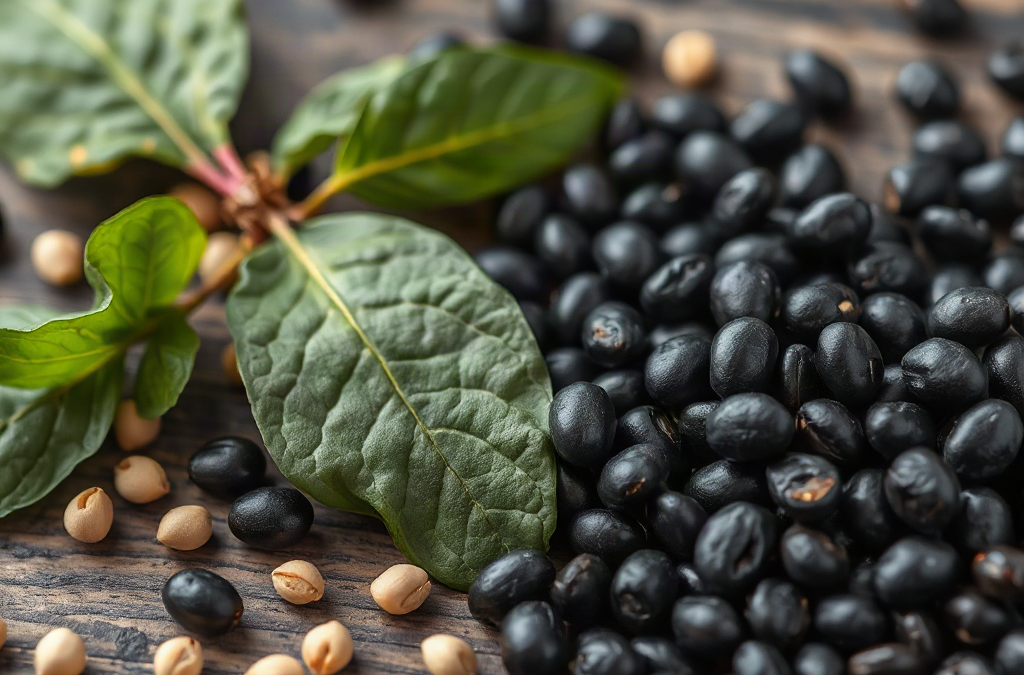
Organic black beans versus other legumes is mainly a choice among flavor, texture, cooking time, and the nutrients most relevant to the meal. Black beans provide plant protein, fiber, folate, iron, magnesium, and dark pigments, while lentils cook faster, chickpeas stay firmer, and soybeans supply more protein and fat. Choose black beans for bowls, soups, tacos, and purées where an earthy taste and creamy interior fit; choose another legume when speed, shape retention, or a different nutrient profile matters more. Organic certification addresses production methods, not automatic nutritional superiority, so compare ingredient lists, sodium, cost, and preparation requirements too.
How Do Black Beans Compare Nutritionally?
Black beans occupy a useful middle ground among common legumes: they supply plant protein and substantial fiber without the higher fat content associated with soybeans. They also contribute folate, iron, magnesium, potassium, and other micronutrients, although exact amounts vary with cultivar, growing conditions, processing, and serving size. Their black seed coat contains dark plant pigments, but color alone is not a sound reason to rank them above every other legume.

The fairest comparison uses legumes in the same form. A cup of cooked beans should not be compared with a cup of dry lentils, and drained canned beans are not directly equivalent to beans weighed with their packing liquid. Water absorption changes both weight and nutrient concentration. Product labels and databases may also define serving sizes differently, so protein or fiber figures should be checked per comparable cooked portion rather than accepted from mismatched package claims.
| Legume | Notable Nutritional Feature | Practical Tradeoff |
|---|---|---|
| Black beans | Fiber, protein, folate, iron, magnesium, and dark pigments | Longer preparation when purchased dry |
| Lentils | Protein, fiber, folate, and iron | Soften quickly and may lose distinct shape |
| Chickpeas | Protein, fiber, folate, and a firm texture | Can remain comparatively dense in some dishes |
| Kidney beans | Protein, fiber, folate, and iron | Raw or undercooked dried kidney beans require careful boiling |
| Soybeans | Higher protein and fat than most common pulses | Different flavor, allergen status, and culinary role |
No single row makes one option universally superior. Soybeans may suit a meal designed around protein density, while lentils can be more useful when time is limited. Chickpeas retain a firm bite in salads, and kidney beans provide the large, substantial shape expected in certain chilis. Black beans work especially well when fiber, moderate protein, an earthy flavor, and a creamy interior are wanted together.
A common mistake is treating legumes as complete substitutes for every nutritional purpose. Most provide useful protein, but their amino acid patterns and total protein differ, and they should not automatically be treated as direct replacements for all animal foods or soy products. A varied eating pattern can pair legumes with grains, seeds, vegetables, dairy, eggs, fish, or meat according to personal preferences and needs. People managing a medical condition, iron deficiency, food allergy, or tightly restricted diet should seek individualized advice rather than choosing a bean solely from a comparison chart.
Which Legume Fits Each Type of Meal?
Texture and cooking behavior often matter more than small nutrient differences when selecting a legume for a real meal. Cooked black beans have a tender skin and creamy center that can thicken soups or blend into dips while leaving some intact beans behind. Their earthy flavor pairs naturally with corn, rice, tomatoes, squash, peppers, citrus, cumin, and fresh herbs. They can disappear visually in a dark chili but create a strong contrast in grain bowls and salads.
Lentils are the practical alternative when dinner must be prepared quickly. Red lentils break down readily, making them suitable for smooth soups, curries, and sauces. Brown or green lentils generally retain more structure but still have a smaller, less creamy bite than black beans. Replacing black beans with red lentils in tacos, for example, changes the filling from distinct beans to a softer mixture. That may be desirable for a spreadable filling but disappointing if separate beans are expected.
Chickpeas and kidney beans answer different texture needs. Chickpeas remain firm enough for chopped salads, roasting, and chunky spreads. A black-bean hummus-style dip can work, but it will taste earthier and look much darker than traditional chickpea hummus. Kidney beans are larger and visually prominent in chili or bean salad. Because dried kidney beans contain a naturally occurring lectin that is reduced by proper boiling, they should be prepared according to reliable food-safety directions; a slow cooker alone may not provide an appropriate initial boiling step. Canned kidney beans have already been commercially cooked.
Soybeans, edamame, and soy foods are less direct culinary substitutes. Edamame offers a firmer, greener bite, while tofu and tempeh create entirely different structures. Their higher protein and fat content can make them useful when those qualities are priorities, but soy is a major allergen and may not fit every household.
Use the finished dish as the decision point:
- Choose black beans for tacos, rice bowls, tortilla soups, mashed fillings, and dark bean dips.
- Choose lentils for rapid cooking, smooth soups, curries, and sauces.
- Choose chickpeas for firm salads, roasting, and pale, nutty dips.
- Choose kidney beans when a large bean and robust shape are central to the dish.
- Choose soy foods when higher protein or a tofu, tempeh, or edamame format is specifically useful.
The approach is working when the legume retains the texture the recipe needs and complements rather than overwhelms its seasonings. A mushy salad, watery dip, or firm bean in a supposedly creamy soup signals a mismatch between variety and method—not necessarily poor ingredient quality.
Does Organic Certification Change the Comparison?
Organic certification concerns how an agricultural product is produced and handled; it does not guarantee that black beans contain more protein, fiber, vitamins, or minerals than conventional beans. Organic and conventional versions remain the same basic food, and natural variation can be larger than a shopper expects. Nutrition claims should therefore be judged from the product’s serving information and ingredients, not inferred from the certification seal.
The organic label may still matter to shoppers who want foods produced under defined restrictions and oversight. In the United States, certified organic products must meet federal requirements governing production and processing. That choice can reflect farming priorities rather than a measurable advantage on the Nutrition Facts panel. The weak assumption is that an organic package automatically means minimally processed, low sodium, or free from every additive. Organic canned beans can contain salt, and an organic prepared bean dish can contain oils, sweeteners, or flavorings.
Package inspection gives a more useful comparison than front-label impressions. For canned black beans, check whether the ingredient list contains only beans, water, and perhaps salt or a firming agent. Compare sodium per serving, note the stated serving size, and decide whether the can’s net and drained weights fit the recipe. Rinsing canned beans can remove some sodium from the surface and packing liquid, although the final reduction varies. No-salt-added products provide more seasoning control, especially when cheese, broth, salsa, or another salty ingredient will be used.
Price and availability can change the sensible choice. Organic dried black beans are often economical per cooked portion but require soaking or a longer cooking window, energy, and planning. Organic canned beans cost more per serving in many stores, yet their convenience may prevent a household from abandoning a planned meal or buying takeout. Conventional legumes may be the realistic option when organic varieties are unavailable or strain the food budget. Eating a varied selection of affordable legumes generally offers more practical nutritional value than purchasing one certified variety and using it rarely.
Prioritize the organic attribute after confirming the product actually suits the meal. The useful order is culinary fit, ingredient list and sodium, preparation time, price per usable portion, and then production preference. That order prevents the seal from obscuring differences that have a greater immediate effect on the plate.
How Should You Choose and Prepare Legumes?
A good choice begins with the time available and the texture required. Dried black beans offer control over salt and firmness, but older beans can take longer to soften, and acidic ingredients such as tomatoes are usually better added after the beans are tender. Canned beans are ready to drain and use, making them better for a weeknight bowl or last-minute salad. Lentils provide the fastest dried option because most do not require soaking.
Before buying, follow a compact decision check:
- Name the dish. Decide whether the bean must stay intact, become creamy, or dissolve into the sauce.
- Set the time limit. Use canned beans or lentils when there is no long cooking window.
- Compare equivalent forms. Judge cooked against cooked and account for drained weight.
- Read the full label. Check sodium, sauces, sweeteners, oils, and allergens rather than relying on the organic seal.
- Plan the plate. Add vegetables, a grain or other starch, and an appropriate source of fat or additional protein as needed.
For dried black beans, sort out stones or damaged beans and rinse them. Soaking can shorten cooking and make the schedule more predictable, although cooking without soaking is possible with additional time. Simmer until the center is fully tender rather than stopping when the skin merely looks cooked. A pressure cooker can reduce active cooking time, but fill limits, liquid ratios, and release instructions vary by appliance and should be followed exactly.
Digestive comfort is another practical constraint. Legumes contain fermentable carbohydrates that gut microbes metabolize, which can lead to gas, especially after a sudden large increase. Starting with a smaller portion, increasing gradually, chewing well, and drinking adequate fluid may be more workable than avoiding the entire category. Rinsing canned beans and discarding soaking water may help some people, but responses differ. Persistent pain or significant gastrointestinal symptoms deserve professional assessment rather than repeated dietary experimentation.
Storage failures can erase the convenience advantage. Refrigerate cooked beans promptly in a covered container and use or freeze them within a food-safe timeframe recommended by public-health guidance. Discard food with spoilage signs rather than tasting it to test safety. Dry beans should be kept sealed in a cool, dry place; very old stock may remain stubbornly firm even after extended cooking.
The clearest sign of a successful choice is repeatability: the beans fit the schedule, cook to the intended texture, and are used before spoilage. If bags remain untouched because preparation feels burdensome, canned black beans or quick-cooking lentils are the more effective purchase, regardless of their theoretical cost per serving.
Conclusion
Choose legumes according to the job they must perform rather than searching for a universal winner. Black beans are a strong fit for earthy, creamy dishes that still benefit from recognizable beans. Lentils save time and thicken readily; chickpeas provide a firmer bite; kidney beans contribute size and structure; and soybeans offer a different protein-and-fat profile.
Compare products in equivalent cooked forms, then check sodium, ingredients, drained quantity, price, and realistic preparation time. Treat organic certification as a production preference rather than proof of greater nutrient content. For the next meal, identify the required texture and available cooking window first. Select dried, canned, or quick-cooking legumes accordingly, then build variety across the week instead of expecting one bean to meet every culinary or nutritional need.
Frequently Asked Questions
Are organic black beans more nutritious than conventional black beans?
Organic certification does not establish that black beans contain more protein, fiber, or minerals. Variety, soil, storage, processing, and preparation can affect composition, so choose organic for the production standard rather than assuming a large nutritional advantage.
Which legume has the most protein?
Soybeans generally provide more protein than black beans, lentils, chickpeas, or kidney beans. Exact amounts vary by product and whether the comparison uses cooked, canned, or dry weights, so compare equivalent serving states on the label.
Are lentils faster to cook than dried black beans?
Yes. Lentils usually cook without soaking and soften substantially faster than whole dried black beans. They are the more practical option for a quick soup or curry, while black beans are better when their distinct shape and creamy center matter.
Should canned organic black beans be rinsed?
Rinsing is useful when you want less surface sodium, a cleaner flavor, or less packing liquid in the dish. Keep some liquid when its starch is useful for thickening, particularly if the product is unsalted or lower in sodium.
Can black beans replace chickpeas in recipes?
They can replace chickpeas in many salads, dips, bowls, and patties, but the result will be darker, earthier, and softer. Chickpeas are preferable when a pale color, nutty flavor, or firmer bite defines the dish.