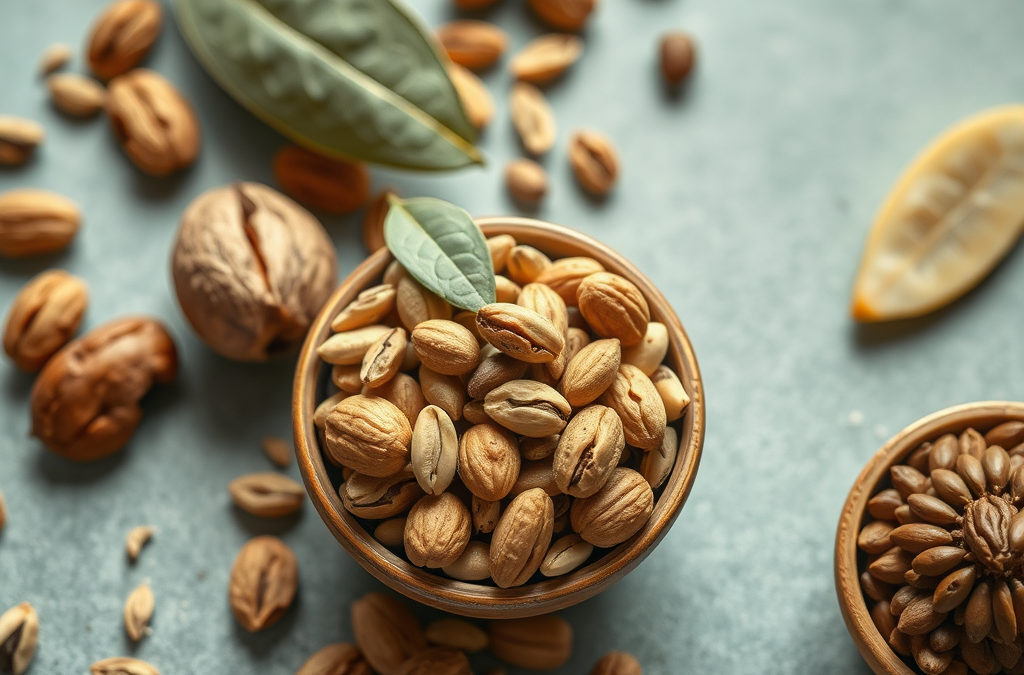
The benefits of organic nuts and seeds for health include enhanced nutrition, support for heart health, and improved weight management. These foods are rich in healthy fats, protein, vitamins, and minerals, contributing to overall wellness. Incorporating a variety of organic nuts and seeds into your diet can help reduce inflammation and support metabolic health, making them valuable additions to any meal plan.
Nutritional Profile of Organic Nuts and Seeds
Organic nuts and seeds are nutritional powerhouses, offering an impressive array of vitamins, minerals, and healthy fats. These foods provide essential fatty acids, particularly omega-3 and omega-6, which are crucial for maintaining heart health and reducing inflammation. For example, walnuts are an excellent source of alpha-linolenic acid (ALA), a type of omega-3 fatty acid that can help lower cholesterol levels and support brain health.
In addition to healthy fats, nuts and seeds are rich in protein, fiber, and various micronutrients. Almonds, for instance, are packed with vitamin E, magnesium, and calcium, while pumpkin seeds offer high amounts of zinc and iron. This combination of nutrients not only supports immune function but also plays a vital role in energy metabolism, making them beneficial for overall health.
Moreover, organic varieties of these foods are grown without synthetic pesticides or fertilizers, which can enhance their nutrient density and reduce exposure to harmful chemicals. Choosing organic nuts and seeds ensures that you are consuming foods that are not only good for your body but also beneficial for the environment.
Nutritional Profile of Organic Nuts and Seeds matters because it turns the benefits of organic nuts and seeds for health from a broad idea into a decision the reader can actually apply. The practical difference usually shows up in the details: how much is needed, when the choice is made, what tradeoff is acceptable, and what sign shows the approach is working. For nutrition topics, the strongest advice connects portion size, food quality, timing, and recovery instead of treating every meal as a fixed serving.
A useful way to handle this section is to compare the normal baseline with the situation that creates extra demand. If seeds is the baseline concern, then organic becomes the adjustment point and nuts becomes the outcome to watch. That keeps the advice specific without forcing the reader into a rigid formula that may not fit their routine, budget, tolerance, schedule, or current level of experience.
The most common mistake is changing too many variables at once. A better approach is to choose one measurable adjustment, use it consistently long enough to see a pattern, and then refine the next step based on energy, comfort, performance, safety, or reliability. This makes the guidance easier to trust because the reader can connect the recommendation to what they observe rather than guessing from a generic checklist.
The practical takeaway is to make the section actionable: identify the main constraint, choose the smallest useful change, and compare the result against the goal. When the outcome improves, the reader can keep the approach. When it does not, the next change should target the most likely bottleneck rather than repeating the same step with more effort.
Heart Health and Organic Nuts
Incorporating organic nuts into your diet can significantly improve heart health. Studies have shown that regular consumption of nuts, such as almonds and walnuts, is associated with lower risks of heart disease. This is largely due to their high content of unsaturated fats, which help to lower bad cholesterol (LDL) levels while increasing good cholesterol (HDL).
Nuts also contain antioxidants, such as flavonoids and vitamin E, which combat oxidative stress and inflammation in the body. For instance, pistachios are rich in lutein and zeaxanthin, antioxidants that support vascular health. Additionally, the fiber found in nuts plays a key role in maintaining healthy blood pressure and improving overall cardiovascular function.
To maximize heart health benefits, aim to consume a variety of organic nuts. A handful of mixed nuts daily can provide a balanced intake of nutrients that support cardiovascular well-being. Remember, moderation is key, as nuts are calorie-dense; however, their health benefits far outweigh the concerns when consumed as part of a balanced diet.
Heart Health and Organic Nuts matters because it turns the benefits of organic nuts and seeds for health from a broad idea into a decision the reader can actually apply. The practical difference usually shows up in the details: how much is needed, when the choice is made, what tradeoff is acceptable, and what sign shows the approach is working. For nutrition topics, the strongest advice connects portion size, food quality, timing, and recovery instead of treating every meal as a fixed serving.
A useful way to handle this section is to compare the normal baseline with the situation that creates extra demand. If nuts is the baseline concern, then health becomes the adjustment point and organic becomes the outcome to watch. That keeps the advice specific without forcing the reader into a rigid formula that may not fit their routine, budget, tolerance, schedule, or current level of experience.
Weight Management with Seeds and Nuts
Organic seeds and nuts can be valuable allies in weight management. Despite their high-calorie content, they can promote satiety and reduce overall calorie intake when consumed in moderation. The combination of protein, fiber, and healthy fats creates a feeling of fullness that can help curb cravings and prevent overeating.
For instance, chia seeds are particularly effective for weight management due to their ability to absorb water and expand in the stomach, leading to increased feelings of fullness. Similarly, nuts like cashews and macadamia nuts provide healthy fats that are satisfying and can help control hunger levels throughout the day.
Incorporating nuts and seeds into meals and snacks can enhance nutritional quality without adding excessive calories. Adding a tablespoon of flaxseeds to smoothies or a handful of walnuts to salads can create a more balanced meal that supports weight loss goals. However, it’s important to be mindful of portion sizes to avoid excess calorie consumption.
Weight Management with Seeds and Nuts matters because it turns the benefits of organic nuts and seeds for health from a broad idea into a decision the reader can actually apply. The practical difference usually shows up in the details: how much is needed, when the choice is made, what tradeoff is acceptable, and what sign shows the approach is working. For nutrition topics, the strongest advice connects portion size, food quality, timing, and recovery instead of treating every meal as a fixed serving.
A useful way to handle this section is to compare the normal baseline with the situation that creates extra demand. If nuts is the baseline concern, then seeds becomes the adjustment point and weight becomes the outcome to watch. That keeps the advice specific without forcing the reader into a rigid formula that may not fit their routine, budget, tolerance, schedule, or current level of experience.
Incorporating Organic Nuts and Seeds into Your Diet
Integrating organic nuts and seeds into your daily routine can be simple and enjoyable. One effective method is to keep a variety of nuts and seeds on hand for snacking. A mix of almonds, walnuts, and pumpkin seeds can provide a quick, nutritious snack that is easy to grab on the go.
Additionally, incorporating these foods into meals can enhance flavor and nutrition. For example, sprinkle chia seeds or hemp seeds on yogurt or oatmeal for added protein and omega-3s. Use nut butters as a spread on whole-grain toast or in smoothies for a creamy texture and nutrient boost.
When cooking, consider using nut oils, such as walnut or almond oil, for dressings and marinades. These oils not only add flavor but also provide healthy fats that support heart health. Experimenting with different nuts and seeds in various dishes can lead to exciting culinary discoveries and improved health outcomes.
Incorporating Organic Nuts and Seeds into Your Diet matters because it turns the benefits of organic nuts and seeds for health from a broad idea into a decision the reader can actually apply. The practical difference usually shows up in the details: how much is needed, when the choice is made, what tradeoff is acceptable, and what sign shows the approach is working. For nutrition topics, the strongest advice connects portion size, food quality, timing, and recovery instead of treating every meal as a fixed serving.
A useful way to handle this section is to compare the normal baseline with the situation that creates extra demand. If seeds is the baseline concern, then nuts becomes the adjustment point and organic becomes the outcome to watch. That keeps the advice specific without forcing the reader into a rigid formula that may not fit their routine, budget, tolerance, schedule, or current level of experience.
Conclusion
Incorporating organic nuts and seeds into your diet offers a multitude of health benefits, from supporting heart health to aiding in weight management. Their rich nutritional profiles make them versatile additions to any meal, enhancing both flavor and health outcomes. To maximize these benefits, aim for a variety of organic options and enjoy them in moderation as part of a balanced diet. This approach not only supports your health but also contributes to a sustainable food system.
Huge Discount on the Best Certified Organic Nutrient Dense Supplement!

Frequently Asked Questions
What are the health benefits of organic nuts and seeds?
Organic nuts and seeds offer numerous health benefits, including improved heart health, weight management, and enhanced nutrient intake due to their rich content of healthy fats, protein, vitamins, and minerals.
How do organic nuts help with weight management?
Organic nuts can promote satiety due to their combination of protein, fiber, and healthy fats, helping to control hunger and reduce overall calorie intake when consumed in moderation.
Are organic nuts and seeds healthier than non-organic?
Organic nuts and seeds are grown without synthetic pesticides and fertilizers, potentially enhancing their nutrient density and reducing exposure to harmful chemicals, making them a healthier choice for many consumers.
How can I incorporate more organic nuts and seeds into my diet?
You can incorporate organic nuts and seeds into your diet by using them as snacks, adding them to meals like salads and smoothies, or using nut butters in various recipes.
What are some examples of nutritious organic nuts and seeds?
Nutritious organic nuts include almonds, walnuts, and pistachios, while seeds like chia, flax, and pumpkin seeds are excellent sources of nutrients and healthy fats.


