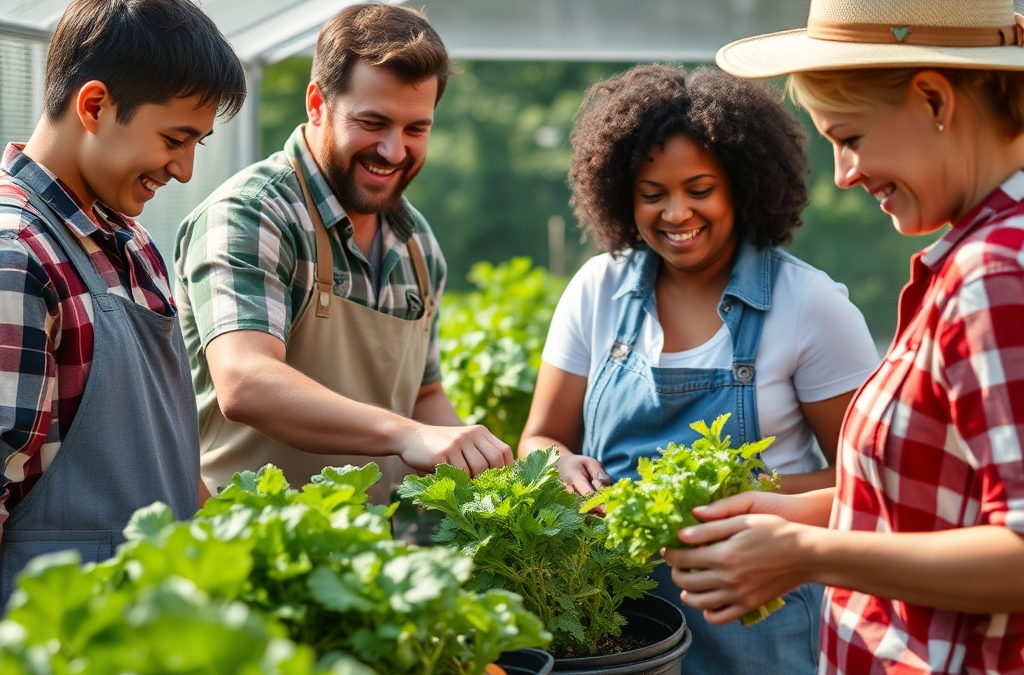
Growing your own organic vegetables offers numerous advantages, including improved health benefits from fresh produce, significant cost savings over store-bought options, and a positive environmental impact. By cultivating your own garden, you control the growing conditions, ensuring no harmful chemicals are used. Additionally, homegrown vegetables can provide better nutritional value, as they are harvested at peak ripeness. This practice also reduces carbon footprints associated with transportation and packaging, contributing to a more sustainable lifestyle.
Health Benefits of Homegrown Organic Vegetables
Growing your own organic vegetables provides substantial health benefits. Homegrown produce is fresher than store-bought options, which often lose nutrients during transport and storage. By harvesting vegetables at their peak ripeness, you can enjoy enhanced flavors and higher nutritional content. Furthermore, you control the growing process, ensuring that no harmful pesticides or chemicals are used, which is particularly important for families with young children or those with sensitivities.
Additionally, gardening can improve mental health by reducing stress and providing a sense of accomplishment. Engaging with nature through gardening fosters a connection to food sources and promotes healthier eating habits. Studies have shown that individuals who grow their own food tend to consume more fruits and vegetables, leading to better overall health.

Health Benefits of Homegrown Organic Vegetables matters because it turns the advantages of growing your own organic vegetables from a broad idea into a decision the reader can actually apply. The practical difference usually shows up in the details: how much is needed, when the choice is made, what tradeoff is acceptable, and what sign shows the approach is working. For nutrition topics, the strongest advice connects portion size, food quality, timing, and recovery instead of treating every meal as a fixed serving.
A useful way to handle this section is to compare the normal baseline with the situation that creates extra demand. If vegetables is the baseline concern, then health becomes the adjustment point and growing becomes the outcome to watch. That keeps the advice specific without forcing the reader into a rigid formula that may not fit their routine, budget, tolerance, schedule, or current level of experience.
The most common mistake is changing too many variables at once. A better approach is to choose one measurable adjustment, use it consistently long enough to see a pattern, and then refine the next step based on energy, comfort, performance, safety, or reliability. This makes the guidance easier to trust because the reader can connect the recommendation to what they observe rather than guessing from a generic checklist.
The practical takeaway is to make the section actionable: identify the main constraint, choose the smallest useful change, and compare the result against the goal. When the outcome improves, the reader can keep the approach. When it does not, the next change should target the most likely bottleneck rather than repeating the same step with more effort.
Cost Savings from Growing Your Own Vegetables
One of the most appealing advantages of growing your own organic vegetables is the potential for significant cost savings. While there may be initial investments in seeds, soil, and gardening tools, these costs are often outweighed by the savings on grocery bills. Organic produce can be expensive, and by cultivating your own garden, you can access fresh vegetables at a fraction of the retail price.
Moreover, many vegetables can yield multiple harvests throughout the growing season, extending your savings even further. For example, crops like lettuce and spinach can be cut and regrown several times, providing continuous fresh greens without the need for repeated purchases. This not only saves money but also reduces waste, as you can grow exactly what you need and avoid overbuying.
Cost Savings from Growing Your Own Vegetables matters because it turns the advantages of growing your own organic vegetables from a broad idea into a decision the reader can actually apply. The practical difference usually shows up in the details: how much is needed, when the choice is made, what tradeoff is acceptable, and what sign shows the approach is working. For gardening topics, the strongest advice connects soil conditions, plant needs, timing, and observable growth signals.
A useful way to handle this section is to compare the normal baseline with the situation that creates extra demand. If vegetables is the baseline concern, then growing becomes the adjustment point and savings becomes the outcome to watch. That keeps the advice specific without forcing the reader into a rigid formula that may not fit their routine, budget, tolerance, schedule, or current level of experience.
The most common mistake is changing too many variables at once. A better approach is to choose one measurable adjustment, use it consistently long enough to see a pattern, and then refine the next step based on energy, comfort, performance, safety, or reliability. This makes the guidance easier to trust because the reader can connect the recommendation to what they observe rather than guessing from a generic checklist.
The practical takeaway is to make the section actionable: identify the main constraint, choose the smallest useful change, and compare the result against the goal. When the outcome improves, the reader can keep the approach. When it does not, the next change should target the most likely bottleneck rather than repeating the same step with more effort.
Environmental Impact of Home Gardening
Home gardening contributes positively to the environment in several ways. First, by growing your own organic vegetables, you reduce the carbon footprint associated with transporting produce from farms to grocery stores. This transportation often involves significant emissions, especially for imported goods. By sourcing your food locally, you help mitigate this environmental impact.
Additionally, organic gardening practices promote biodiversity and enhance soil health. By avoiding synthetic fertilizers and pesticides, you create a healthier ecosystem that supports beneficial insects and microorganisms. This approach can lead to improved soil quality over time, allowing for better water retention and reducing the need for irrigation. Furthermore, home gardens can serve as habitats for local wildlife, further enriching the ecosystem.
Environmental Impact of Home Gardening matters because it turns the advantages of growing your own organic vegetables from a broad idea into a decision the reader can actually apply. The practical difference usually shows up in the details: how much is needed, when the choice is made, what tradeoff is acceptable, and what sign shows the approach is working. For nutrition topics, the strongest advice connects portion size, food quality, timing, and recovery instead of treating every meal as a fixed serving.
A useful way to handle this section is to compare the normal baseline with the situation that creates extra demand. If organic is the baseline concern, then growing becomes the adjustment point and vegetables becomes the outcome to watch. That keeps the advice specific without forcing the reader into a rigid formula that may not fit their routine, budget, tolerance, schedule, or current level of experience.
The most common mistake is changing too many variables at once. A better approach is to choose one measurable adjustment, use it consistently long enough to see a pattern, and then refine the next step based on energy, comfort, performance, safety, or reliability. This makes the guidance easier to trust because the reader can connect the recommendation to what they observe rather than guessing from a generic checklist.
Common Misconceptions about Home Gardening
Despite the many advantages, some misconceptions can deter individuals from starting their own organic gardens. One common belief is that gardening requires extensive knowledge and experience. However, many resources are available for beginners, including local gardening clubs, online forums, and community workshops. Starting with easy-to-grow vegetables like tomatoes, radishes, and herbs can build confidence and knowledge.
Another misconception is that gardening demands a lot of space. Even small balconies or patios can accommodate container gardening, allowing you to grow a variety of vegetables without a traditional garden plot. Additionally, some people worry about the time commitment required for gardening. While it does require effort, many find it to be a rewarding and enjoyable hobby that can fit into a busy lifestyle.
Common Misconceptions about Home Gardening matters because it turns the advantages of growing your own organic vegetables from a broad idea into a decision the reader can actually apply. The practical difference usually shows up in the details: how much is needed, when the choice is made, what tradeoff is acceptable, and what sign shows the approach is working. For gardening topics, the strongest advice connects soil conditions, plant needs, timing, and observable growth signals.
A useful way to handle this section is to compare the normal baseline with the situation that creates extra demand. If gardening is the baseline concern, then vegetables becomes the adjustment point and advantages becomes the outcome to watch. That keeps the advice specific without forcing the reader into a rigid formula that may not fit their routine, budget, tolerance, schedule, or current level of experience.
The most common mistake is changing too many variables at once. A better approach is to choose one measurable adjustment, use it consistently long enough to see a pattern, and then refine the next step based on energy, comfort, performance, safety, or reliability. This makes the guidance easier to trust because the reader can connect the recommendation to what they observe rather than guessing from a generic checklist.
Conclusion
Growing your own organic vegetables offers significant health benefits, cost savings, and a positive environmental impact. By taking control of your food source, you not only enhance your diet with fresher produce but also contribute to sustainability efforts. Starting a home garden may seem daunting, but with the right resources and a little patience, anyone can enjoy the rewards of homegrown vegetables. Embrace the journey of gardening, and reap the benefits for both yourself and the planet.
Huge Discount on the Best Certified Organic Nutrient Dense Supplement!

Frequently Asked Questions
What vegetables are easiest to grow at home?
Some of the easiest vegetables to grow at home include lettuce, radishes, tomatoes, and herbs like basil and parsley. These plants are generally low maintenance and can thrive in various conditions.
How much space do I need for a vegetable garden?
You don’t need much space to start a vegetable garden. Container gardening allows you to grow vegetables in small areas, such as balconies or patios, making it accessible for everyone.
Can I grow organic vegetables in pots?
Yes, you can successfully grow organic vegetables in pots. Many vegetables, including tomatoes, peppers, and herbs, adapt well to container gardening.
How often should I water my vegetable garden?
Watering frequency depends on the climate and the type of vegetables grown, but generally, most gardens require about an inch of water per week. It's best to water deeply and less frequently to encourage strong root growth.
What are the benefits of organic gardening?
Organic gardening promotes biodiversity, improves soil health, and reduces chemical exposure. It also yields fresher produce, which is often more nutritious and flavorful than conventionally grown vegetables.