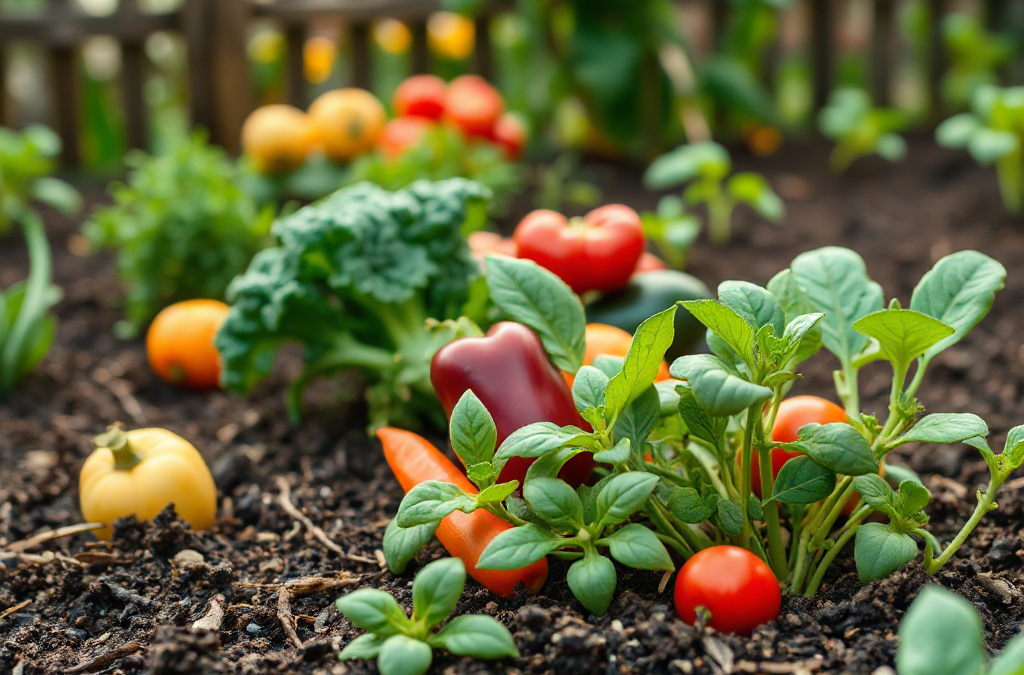
The benefits of growing your own organic vegetables include fresher produce, greater control over growing methods, improved connection with seasonal eating, and potential savings on frequently used crops. Harvesting lettuce, herbs, tomatoes, or beans shortly before a meal can preserve texture and flavor that decline during storage, while compost, crop rotation, and nonchemical pest controls help build a more responsible garden system. Growing at home does not automatically make food safer or cheaper: contaminated soil, untreated manure, poor watering practices, wasted harvests, and expensive equipment can undermine those advantages. The strongest results come from starting with a small, productive bed and choosing crops suited to your climate, available sunlight, cooking habits, and maintenance time.
What Homegrown Organic Vegetables Offer That Store-Bought Produce Cannot
Homegrown vegetables provide control over timing, cultivation methods, and harvest condition. A tomato picked when fully ripe, basil cut immediately before cooking, or salad greens harvested in the morning can have a noticeably different texture and aroma from produce that has spent days in transport or storage. That freshness is not merely a matter of taste. It can make vegetables easier to use, which matters because food left untouched in a refrigerator creates no nutritional or financial value.
Growing also makes the production process visible. A gardener can decide whether to avoid synthetic pesticides and fertilizers, use finished compost, protect beneficial insects, and select seed suited to local conditions. That control is more meaningful than assuming that the word “organic” alone guarantees a particular flavor or nutrient profile. Variety, maturity, weather, storage, and cooking method all affect the final food.

A small garden can support healthier eating patterns without promising a medical result. A person who grows chard, snap peas, peppers, or herbs may add them to omelets, soups, grain bowls, and sandwiches simply because they are available. The benefit comes from repeated access and convenience rather than from one special crop. Linking a harvest to an existing meal is usually more effective than growing vegetables that do not fit the household’s normal cooking.
Freshness also has limits. Leafy greens may wilt quickly, zucchini can become overwhelming during peak production, and a pest outbreak can eliminate a crop. Store-bought produce remains useful for variety, winter supply, and foods that need more space or a longer growing season. The sensible comparison is not “garden versus grocery store,” but which items are worth producing at home based on flavor, frequency of use, price, and reliability. For readers comparing the benefits of growing your own organic vegetables, those practical criteria prevent idealized expectations.
How Organic Growing Practices Affect Soil, Food, And Resources
Organic gardening is a method of managing soil and pests without relying on synthetic inputs, not a guarantee that every garden decision is automatically sustainable. Soil health improves when gardeners add mature compost, keep soil covered with mulch or living plants, reduce unnecessary digging, and rotate plant families when space allows. These practices support soil structure and help the ground hold water, but they require observation and patience rather than a single product.
Compost can improve a depleted bed, yet more is not always better. Excessive additions may create nutrient imbalances or introduce contaminants if the material is poorly made. Manure should be well composted and sourced responsibly, and home gardeners should avoid adding unknown waste to beds used for food. A basic soil test through a local extension service can reveal whether a garden actually needs amendments. Guessing from plant appearance alone often leads to unnecessary fertilizer use.
Nonchemical pest management works best as a layered system. Healthy plants in suitable light are less vulnerable to stress, while row covers can exclude certain insects and hand-picking may control a small infestation. Encouraging predatory insects and removing diseased leaves can reduce pressure without spraying broad-spectrum substances. Organic-approved pesticides still require careful reading of the label; “natural” does not mean harmless to pollinators, aquatic life, or the person applying it.
Water management creates another important tradeoff. Drip lines, soaker hoses, and mulch can direct water toward roots and reduce evaporation, whereas frequent shallow watering may produce weak root systems and encourage some diseases. Rain barrels, where permitted and properly maintained, may supplement irrigation, but water quality and storage hygiene matter. A garden that demands constant watering, imported materials, and disposable supplies may offer fewer environmental advantages than a modest bed managed efficiently. The most credible form of the benefits of growing your own organic vegetables comes from matching the garden’s scale to available resources.
Choosing Crops And Designing A Garden That Gets Used
Crop selection determines whether a garden becomes a dependable food source or an expensive experiment. Begin with vegetables that are costly to buy, noticeably better when fresh, or harvested repeatedly from a small area. Herbs, salad greens, cherry tomatoes, pole beans, and compact peppers often fit those criteria, although the best choices depend on climate, sunlight, and household preferences. A crop that grows well but is never eaten is still wasted production.
Sunlight should be assessed before buying seed. Fruiting crops such as tomatoes, peppers, cucumbers, and beans generally need more direct light than many leafy greens, while greens may tolerate a partly shaded location. Observe the proposed bed at different times of day rather than relying on a neighbor’s garden or a catalog description. Poor light cannot usually be corrected with extra fertilizer, and crowded plants compete for light and airflow.
Space-saving methods can increase output, but they add management demands. Trellising cucumbers or beans uses vertical space and keeps fruit off wet soil; succession sowing provides several smaller harvests instead of one glut; containers suit renters and patios but dry out faster than in-ground beds. Raised beds may improve drainage and access, yet they require purchased soil and can heat or dry quickly. Choose the system that fits the site, not the most elaborate design shown online.
Use a short planning checklist before planting:
- List five vegetables or herbs the household eats every week.
- Match each crop to available sunlight, container size, and local planting timing.
- Reserve space for paths, harvesting access, and protective covers.
- Plan how excess produce will be stored, shared, frozen, or cooked.
For example, someone with a sunny balcony might gain more from herbs, greens, and a compact tomato than from attempting a full collection of root crops. Someone with a backyard can stagger lettuce plantings and grow climbing beans, but should still limit zucchini if only one or two people will eat it. Designing around actual meals turns gardening into a food habit rather than a seasonal obligation.
Common Problems, Food-Safety Checks, And Realistic Costs
Homegrown produce is not automatically cleaner or safer than purchased produce. Soil near old buildings or roads may contain contaminants, and untreated manure can carry pathogens. Gardeners should investigate local soil-testing options, use clean water suitable for food production, wash hands and tools, and keep animals away from beds where possible. Produce should be rinsed under running water before eating, with extra attention to leafy surfaces and vegetables that contact soil. Washing does not correct contaminated soil, so prevention begins before planting.
Pest control is another area where assumptions fail. A few holes in a kale leaf do not necessarily justify destroying the plant or applying a spray. Inspect the underside of leaves, identify the pest if possible, and judge whether damage is increasing faster than the plant can grow. Conversely, ignoring wilting, spreading disease, or severe defoliation can allow a problem to move through a bed. Removing affected material, improving airflow, and avoiding overhead watering may be more useful than treating symptoms repeatedly.
Costs depend on scale and how much infrastructure is purchased. Seeds, compost, containers, fencing, irrigation equipment, and tools can make the first season more expensive than expected. Growing food may become economical when equipment is reused and high-value, frequently harvested crops are chosen, but it is not guaranteed to reduce the grocery bill. Time is also a cost: watering during hot weather, checking plants, harvesting promptly, and preserving surplus all require attention.
A realistic budget compares the value of usable harvests with recurring expenses, not the retail price of every seed packet. If a gardener spends heavily on a decorative raised bed but grows vegetables that fail in the site’s conditions, the investment performs poorly. A simple bed, reliable hand tools, compost made from known materials, and a small number of suitable crops usually provide a better learning path. The most common failure is expanding before the first planting has revealed the garden’s actual water, pest, and harvest demands.
A Practical Starting Plan For A Productive First Season
A productive first garden begins with a manageable test area rather than maximum variety. Clear a small bed or arrange a few containers where water is accessible and sunlight is dependable. Improve the soil only after checking its condition, then choose crops according to the local planting calendar and the household’s meals. Seed packets and university extension guidance can help determine spacing and timing, while a simple notebook can record sowing dates, weather, pest sightings, and harvest amounts.
Planting in stages reduces both risk and waste. Instead of sowing all salad greens on one weekend, make smaller plantings separated by a short interval suited to the crop and climate. Install support structures before vigorous vines need them, and mulch after the soil has warmed enough for the crop. Check plants regularly for moisture, discoloration, chewing damage, and crowded growth. Early observations are more valuable than frantic correction after a problem has spread.
Harvest according to the crop. Tender greens and herbs often benefit from frequent cutting, beans are usually best picked before they become fibrous, and tomatoes should be monitored as color develops. Harvesting encourages continued production for some crops and prevents edible food from becoming oversized or spoiled. Store each item appropriately and build meals around what is ready rather than forcing every harvest into a single recipe.
Use these signals to adjust the next planting:
- Working: plants show steady new growth, soil moisture remains fairly even, and harvests are being eaten.
- Failing: leaves repeatedly wilt, plants remain crowded, pests increase unchecked, or produce is regularly discarded.
- Next move: reduce the crop list, change the location or watering method, improve spacing, or select a better-suited variety.
Gardening becomes more rewarding when the second season reflects evidence from the first. Keep productive crops, replace poor performers, and expand only when routine care is sustainable. That measured approach captures the benefits of growing your own organic vegetables without treating self-sufficiency as the only valid outcome.
Frequently Asked Questions
Are homegrown vegetables always more nutritious?
Not always. Fresh harvesting may help preserve quality, but variety, maturity, storage, and cooking determine nutritional value. A home garden is best viewed as a reliable way to increase access to vegetables, not a guarantee of superior nutrient content.
Does organic gardening mean no pest control?
No. Organic gardening emphasizes prevention and nonchemical methods, but gardeners may still use barriers, hand removal, biological controls, or carefully selected approved products. Identify the pest and assess the damage before taking action.
Which vegetables are easiest for beginners?
Herbs, leafy greens, beans, and compact tomatoes are often approachable, provided they suit the site’s light and climate. Choose crops the household already eats and avoid planting more than can be harvested and used.
Can growing vegetables save money?
It can, especially for frequently harvested herbs and crops that are expensive or have short shelf lives. Savings are less likely during an equipment-heavy first season or when crops fail, so begin with modest infrastructure and track usable harvests.
How can I make a garden safer for food production?
Test questionable soil, use clean irrigation water, compost manure thoroughly, keep animals away from beds, wash hands and produce, and clean harvesting tools. Seek local extension or public-health guidance when soil contamination is suspected.
Conclusion
The strongest rewards of an organic vegetable garden come from control and consistency: control over growing inputs, harvest timing, soil care, and the kinds of produce available for everyday meals. Those rewards depend on choices that are easy to overlook, including testing questionable soil, limiting garden size, selecting crops for real household use, and planning for surplus. Start with a small, sunny bed or a few well-placed containers, use compost and mulch thoughtfully, and observe plants before reacting to pests or poor growth. Track what produces enough food to justify its time and cost. Over several seasons, that evidence can guide better crop choices and reduce waste, turning home cultivation into a practical addition to a varied diet rather than an unrealistic promise of complete food independence.
Huge Discount on the Best Certified Organic Nutrient Dense Supplement!

Further Reading
Authoritative Sources
- 3 ways that growing your own food brings big benefits
greenadelaide.sa.gov.auHealthy soils provide a home to earthworms, fungi and millions of micro-organisms that help plants take up nutrients and water more easily.
- The Powerful Benefits of Organic Gardening: Healthier ...
coastofmaine.comHigh-quality organic soil retains moisture better organisms and free from harmful chemicals. It enhances the tactile experience of gardening
- The Benefits of Growing Your Own Garden
simplygro.comFreshly picked organic vegetables are rich in vitamins, minerals, and antioxidants, which are crucial for maintaining good health.
- grow organic eat organic for budding gardeners an
americanbio-tech.comGrowing organic produce ensures your fruits and vegetables are free from synthetic chemicals, promoting healthier eating and supporting ...