
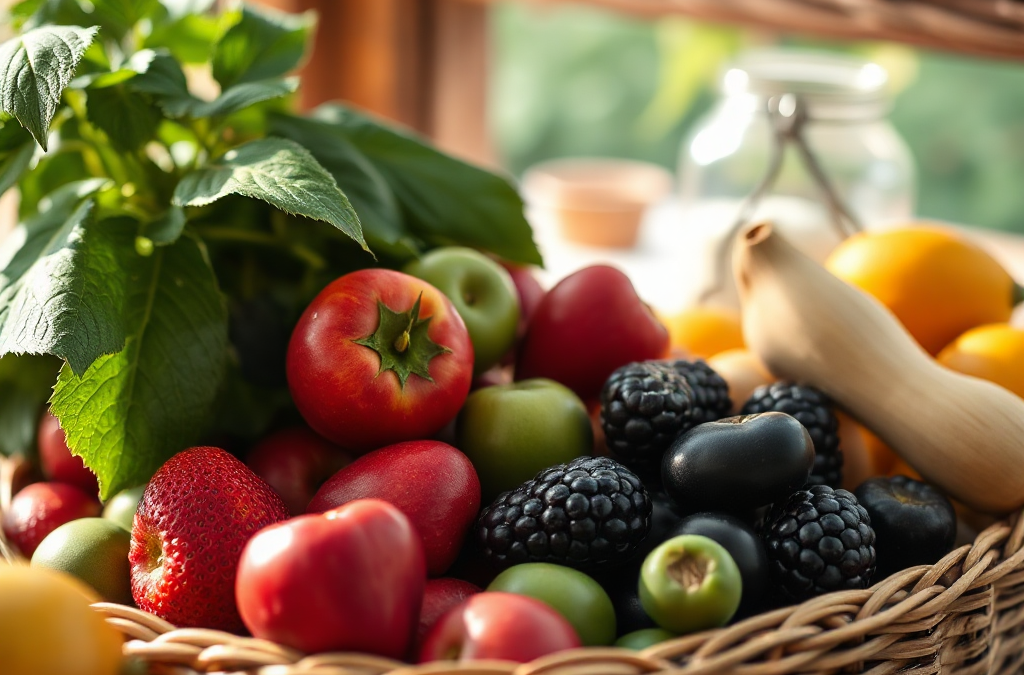
Organic Fruits May Have Better Flavor Profiles: Understanding Agricultural Practices and Taste Chemistry is best handled by matching the recommendation to the main goal, practical constraint, timing, tradeoffs, and signs of progress. Start with the clearest need, choose one practical adjustment, and measure whether it improves the result before changing anything else. A stronger approach compares the most reliable option with the easiest shortcut, then uses the reader’s actual response to decide what comes next. This keeps the guidance useful, specific, and easier to apply without turning the article into a generic checklist.
The Role of Soil Health in Flavor Development
Soil health is fundamental to the flavor profiles of fruits. Healthy soils rich in organic matter support a diverse ecosystem of microorganisms that enhance nutrient availability. These microorganisms help plants absorb essential nutrients, which contribute to the development of sugars and acids in fruits, key components of flavor. For instance, fruits grown in nutrient-dense soils often have a more balanced sweetness and acidity, resulting in a richer taste.
Furthermore, organic farming practices, such as crop rotation and cover cropping, promote soil biodiversity. This biodiversity not only improves soil structure and fertility but also enhances the fruit’s flavor. For example, strawberries grown in well-maintained organic soils have shown to be sweeter and more aromatic compared to those from nutrient-depleted soils.

One common misconception is that all fruits taste the same regardless of their growing conditions. However, the reality is that fruits nurtured in healthy soils exhibit distinct flavors that reflect their unique growing environments. Consumers often notice these differences, which can influence their purchasing decisions.
The Role of Soil Health in Flavor Development matters because it turns organic fruits may have better flavor profiles from a broad idea into a decision the reader can actually apply. The practical difference usually shows up in the details: how much is needed, when the choice is made, what tradeoff is acceptable, and what sign shows the approach is working. For nutrition topics, the strongest advice connects portion size, food quality, timing, and recovery instead of treating every meal as a fixed serving.
A useful way to handle this section is to compare the normal baseline with the situation that creates extra demand. If fruits is the baseline concern, then flavor becomes the adjustment point and organic becomes the outcome to watch. That keeps the advice specific without forcing the reader into a rigid formula that may not fit their routine, budget, tolerance, schedule, or current level of experience.
The most common mistake is changing too many variables at once. A better approach is to choose one measurable adjustment, use it consistently long enough to see a pattern, and then refine the next step based on energy, comfort, performance, safety, or reliability. This makes the guidance easier to trust because the reader can connect the recommendation to what they observe rather than guessing from a generic checklist.
The practical takeaway is to make the section actionable: identify the main constraint, choose the smallest useful change, and compare the result against the goal. When the outcome improves, the reader can keep the approach. When it does not, the next change should target the most likely bottleneck rather than repeating the same step with more effort.
Impact of Agricultural Practices on Taste
Agricultural practices significantly impact the flavor of fruits. Organic farming emphasizes natural methods, avoiding synthetic fertilizers and pesticides that can interfere with the plant’s natural growth processes. This approach allows fruits to develop more fully, resulting in enhanced flavor profiles.
For instance, organic farms often utilize compost and organic fertilizers, which release nutrients slowly and improve soil health over time. This slow-release mechanism enables plants to absorb nutrients more effectively, leading to fruits with better flavor. In contrast, conventional farming may use fast-acting fertilizers that can lead to rapid growth but often at the expense of flavor quality.
Moreover, organic farming practices encourage biodiversity, which can also enhance flavor. For example, intercropping with various plant species can attract beneficial insects that naturally control pests, allowing fruits to grow without harmful chemical interventions. This not only preserves the integrity of the fruit but also allows it to develop its full flavor potential.
Impact of Agricultural Practices on Taste matters because it turns organic fruits may have better flavor profiles from a broad idea into a decision the reader can actually apply. The practical difference usually shows up in the details: how much is needed, when the choice is made, what tradeoff is acceptable, and what sign shows the approach is working. For nutrition topics, the strongest advice connects portion size, food quality, timing, and recovery instead of treating every meal as a fixed serving.
A useful way to handle this section is to compare the normal baseline with the situation that creates extra demand. If flavor is the baseline concern, then organic becomes the adjustment point and fruits becomes the outcome to watch. That keeps the advice specific without forcing the reader into a rigid formula that may not fit their routine, budget, tolerance, schedule, or current level of experience.
Comparing Organic and Conventional Fruits
The debate between organic and conventional fruits often centers around flavor differences. Numerous studies have indicated that organic fruits tend to have superior flavor compared to their conventional counterparts. This is largely attributed to the growing conditions and practices used in organic farming.
For example, a taste test comparing organic apples and conventional apples often reveals that organic varieties are perceived as sweeter and more flavorful. This can be linked to the slower growth rates of organic fruits, which allow more time for sugar and acid development. Additionally, organic fruits often have thicker skins, which can contribute to a more complex flavor profile.
However, it is essential to note that flavor can also depend on the specific variety of fruit and growing conditions. Not all organic fruits will necessarily taste better than conventional ones, but the overall trend suggests that organic methods generally favor better flavor development.
Comparing Organic and Conventional Fruits matters because it turns organic fruits may have better flavor profiles from a broad idea into a decision the reader can actually apply. The practical difference usually shows up in the details: how much is needed, when the choice is made, what tradeoff is acceptable, and what sign shows the approach is working. For gardening topics, the strongest advice connects soil conditions, plant needs, timing, and observable growth signals.
A useful way to handle this section is to compare the normal baseline with the situation that creates extra demand. If organic is the baseline concern, then fruits becomes the adjustment point and flavor becomes the outcome to watch. That keeps the advice specific without forcing the reader into a rigid formula that may not fit their routine, budget, tolerance, schedule, or current level of experience.
Consumer Perception and Flavor Preferences
Consumer perception plays a crucial role in the appreciation of organic fruits’ flavor profiles. Many consumers associate organic farming with superior taste, often influenced by marketing and personal experiences. This perception can lead to a willingness to pay a premium for organic fruits, not just for health reasons but for flavor quality as well.
Surveys have shown that a significant number of consumers believe organic fruits taste better, which can be attributed to the factors discussed earlier, such as soil health and agricultural practices. This belief in enhanced flavor can create a positive feedback loop, where consumers seek out organic options specifically for their taste.
Nonetheless, individual taste preferences vary, and some consumers may not perceive a significant difference between organic and conventional fruits. Factors such as ripeness, variety, and freshness also play critical roles in flavor, sometimes overshadowing the organic label. Therefore, while organic fruits may often have better flavor profiles, personal preference and context are essential considerations.
Consumer Perception and Flavor Preferences matters because it turns organic fruits may have better flavor profiles from a broad idea into a decision the reader can actually apply. The practical difference usually shows up in the details: how much is needed, when the choice is made, what tradeoff is acceptable, and what sign shows the approach is working. For gardening topics, the strongest advice connects soil conditions, plant needs, timing, and observable growth signals.
A useful way to handle this section is to compare the normal baseline with the situation that creates extra demand. If organic is the baseline concern, then flavor becomes the adjustment point and fruits becomes the outcome to watch. That keeps the advice specific without forcing the reader into a rigid formula that may not fit their routine, budget, tolerance, schedule, or current level of experience.
Conclusion
Organic fruits often deliver better flavor profiles primarily due to the emphasis on soil health and natural agricultural practices. As consumers increasingly prioritize taste alongside health benefits, the demand for organic produce is likely to rise. Understanding the factors that contribute to flavor can guide consumers in making informed choices when selecting fruits, whether organic or conventional. Ultimately, the preference for organic fruits stems from both their potential for superior taste and the sustainable practices behind their cultivation.
Huge Discount on the Best Certified Organic Nutrient Dense Supplement!

Frequently Asked Questions
What makes organic fruits taste better?
Organic fruits often taste better due to healthier soil and natural growing practices that enhance their sugar and acid content.
Are there specific fruits known for better flavor when organic?
Yes, fruits like strawberries, tomatoes, and apples are often reported to have better flavor when grown organically.
How do farming practices affect fruit flavor?
Farming practices impact nutrient availability and soil health, which directly influence the flavor development of fruits.
Is the price of organic fruits justified by their flavor?
Many consumers believe the higher price of organic fruits is justified by their superior flavor and perceived health benefits.
Can conventional fruits be just as flavorful as organic?
While some conventional fruits can be flavorful, organic fruits generally have an edge due to their growing conditions and practices.


