To ensure your organic produce is truly organic, check for certification labels from recognized authorities like the USDA. Understand the differences between terms such as '100% Organic', 'Organic', and 'Made with Organic Ingredients'. Always buy from reputable sources and look for transparency in farming practices, which can include farm visits or direct communication with suppliers. Misleading labels can occur, so being informed is crucial for making genuine organic choices.
Understanding Organic Certification Labels
Organic certification labels are essential for determining the authenticity of organic produce. The USDA, for instance, has established specific standards for organic farming. When you see a product labeled as “100% Organic,” it means that all ingredients are organic, while “Organic” indicates at least 95% organic content. Products labeled “Made with Organic Ingredients” must contain at least 70% organic ingredients but can include non-organic substances as well.
Understanding these labels helps consumers avoid confusion and ensures that they are purchasing products that meet their expectations. It’s essential to look for the USDA Organic seal or equivalent certifications from local authorities, as these signify compliance with strict organic farming standards.

Additionally, be aware that some products may use misleading terms like “natural” or “farm-fresh,” which do not guarantee organic status. Always prioritize certified organic labels to ensure the integrity of your produce.
Understanding Organic Certification Labels matters because it turns ensure your organic produce is truly organic from a broad idea into a decision the reader can actually apply. The practical difference usually shows up in the details: how much is needed, when the choice is made, what tradeoff is acceptable, and what sign shows the approach is working. For technology topics, the strongest advice connects the user goal, system constraint, maintenance burden, and measurable outcome.
A useful way to handle this section is to compare the normal baseline with the situation that creates extra demand. If organic is the baseline concern, then produce becomes the adjustment point and labels becomes the outcome to watch. That keeps the advice specific without forcing the reader into a rigid formula that may not fit their routine, budget, tolerance, schedule, or current level of experience.
The most common mistake is changing too many variables at once. A better approach is to choose one measurable adjustment, use it consistently long enough to see a pattern, and then refine the next step based on energy, comfort, performance, safety, or reliability. This makes the guidance easier to trust because the reader can connect the recommendation to what they observe rather than guessing from a generic checklist.
The practical takeaway is to make the section actionable: identify the main constraint, choose the smallest useful change, and compare the result against the goal. When the outcome improves, the reader can keep the approach. When it does not, the next change should target the most likely bottleneck rather than repeating the same step with more effort.
Evaluating Sources of Organic Produce
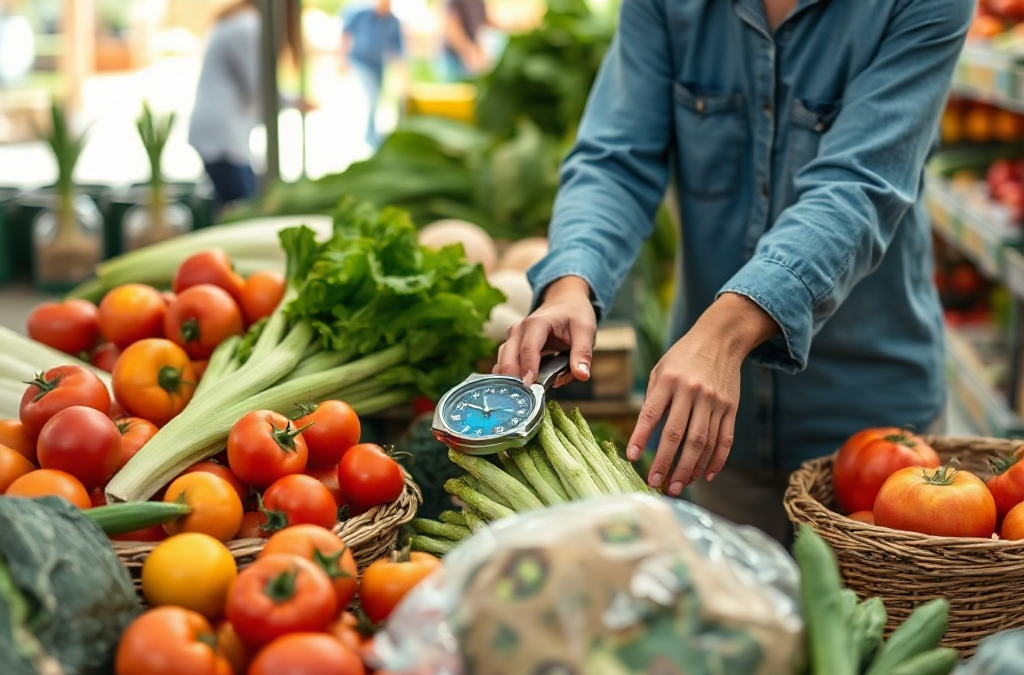
Where you purchase organic produce significantly impacts its authenticity. Farmers’ markets, local organic farms, and reputable grocery stores are typically better sources than generic supermarkets. When buying from farmers’ markets, engage directly with the farmers to inquire about their farming practices and certifications.
Online grocery stores and delivery services can also offer organic products, but it’s crucial to verify their certifications and sourcing practices. Look for transparency in their supply chain; reputable providers will often provide information about their farms and growing methods on their websites.
Moreover, consider joining local organic food co-ops or community-supported agriculture (CSA) programs. These options often foster direct relationships with farmers, allowing you to gain insights into their practices and ensuring you receive authentic organic produce.
Evaluating Sources of Organic Produce matters because it turns ensure your organic produce is truly organic from a broad idea into a decision the reader can actually apply. The practical difference usually shows up in the details: how much is needed, when the choice is made, what tradeoff is acceptable, and what sign shows the approach is working. For nutrition topics, the strongest advice connects portion size, food quality, timing, and recovery instead of treating every meal as a fixed serving.
A useful way to handle this section is to compare the normal baseline with the situation that creates extra demand. If organic is the baseline concern, then produce becomes the adjustment point and farmers becomes the outcome to watch. That keeps the advice specific without forcing the reader into a rigid formula that may not fit their routine, budget, tolerance, schedule, or current level of experience.
The most common mistake is changing too many variables at once. A better approach is to choose one measurable adjustment, use it consistently long enough to see a pattern, and then refine the next step based on energy, comfort, performance, safety, or reliability. This makes the guidance easier to trust because the reader can connect the recommendation to what they observe rather than guessing from a generic checklist.
Common Misconceptions About Organic Produce
There are several misconceptions surrounding organic produce that can mislead consumers. One common belief is that organic produce is always pesticide-free. While organic farming uses fewer synthetic pesticides, it may still employ natural pesticides that are considered safe. Understanding this distinction is crucial for consumers concerned about chemical exposure.
Another misconception is that organic produce is always healthier or more nutritious than conventional produce. While some studies suggest that organic foods may contain higher levels of certain nutrients, the differences are often minimal, and both can be part of a healthy diet. Consumers should focus on overall dietary patterns rather than solely on organic versus conventional labels.
To wrap up, the notion that organic produce is significantly more environmentally friendly is nuanced. While organic farming practices often promote soil health and biodiversity, they can also have higher land use requirements. It’s important to weigh these factors when considering the environmental impact of your food choices.
Common Misconceptions About Organic Produce matters because it turns ensure your organic produce is truly organic from a broad idea into a decision the reader can actually apply. The practical difference usually shows up in the details: how much is needed, when the choice is made, what tradeoff is acceptable, and what sign shows the approach is working. For nutrition topics, the strongest advice connects portion size, food quality, timing, and recovery instead of treating every meal as a fixed serving.
A useful way to handle this section is to compare the normal baseline with the situation that creates extra demand. If organic is the baseline concern, then produce becomes the adjustment point and consumers becomes the outcome to watch. That keeps the advice specific without forcing the reader into a rigid formula that may not fit their routine, budget, tolerance, schedule, or current level of experience.
Practical Steps for Verification
To ensure that your organic produce is genuinely organic, follow these practical steps:
- Check for Certifications: Always look for USDA Organic or similar certifications from local authorities.
- Research Brands: Investigate the brands you purchase. Reputable companies will provide information about their sourcing and farming practices.
- Ask Questions: Don’t hesitate to ask farmers or store staff about their organic practices, including their use of pesticides and soil management techniques.
- Visit Farms: If possible, visit local organic farms to see their practices firsthand and ask about their certification processes.
- Stay Informed: Educate yourself about organic farming standards and practices to better understand what to look for when shopping.
By following these steps, you can make informed decisions that ensure your organic produce is truly organic. Being proactive about your food choices not only benefits your health but also supports sustainable agricultural practices.
Practical Steps for Verification matters because it turns ensure your organic produce is truly organic from a broad idea into a decision the reader can actually apply. The practical difference usually shows up in the details: how much is needed, when the choice is made, what tradeoff is acceptable, and what sign shows the approach is working. For nutrition topics, the strongest advice connects portion size, food quality, timing, and recovery instead of treating every meal as a fixed serving.
A useful way to handle this section is to compare the normal baseline with the situation that creates extra demand. If organic is the baseline concern, then practices becomes the adjustment point and ensure becomes the outcome to watch. That keeps the advice specific without forcing the reader into a rigid formula that may not fit their routine, budget, tolerance, schedule, or current level of experience.
Conclusion
Ensuring your organic produce is genuinely organic requires diligence and knowledge. By understanding certification labels, evaluating your sources, and asking the right questions, you can make informed choices that support both your health and sustainable agricultural practices. Prioritize purchasing from reputable vendors and stay informed on organic standards to navigate the complexities of organic labeling effectively.
Huge Discount on the Best Certified Organic Nutrient Dense Supplement!

Frequently Asked Questions
What does USDA Organic mean?
USDA Organic indicates that a product meets strict federal standards for organic farming, including no synthetic pesticides or fertilizers.
Are organic fruits and vegetables more nutritious?
While some studies suggest organic produce may have higher nutrient levels, the differences are generally minimal and should not be the sole factor in dietary choices.
Can I trust organic labels from farmers' markets?
Many farmers' markets feature certified organic products, but it's essential to verify the farmers' certifications and ask about their practices.
Is organic food always pesticide-free?
Organic foods may still use natural pesticides. The use of synthetic pesticides is restricted, but not all pesticides are eliminated in organic farming.
How can I identify misleading organic claims?
Look for official certifications like USDA Organic. Terms such as "natural" or "farm-fresh" do not guarantee organic status and can be misleading.