
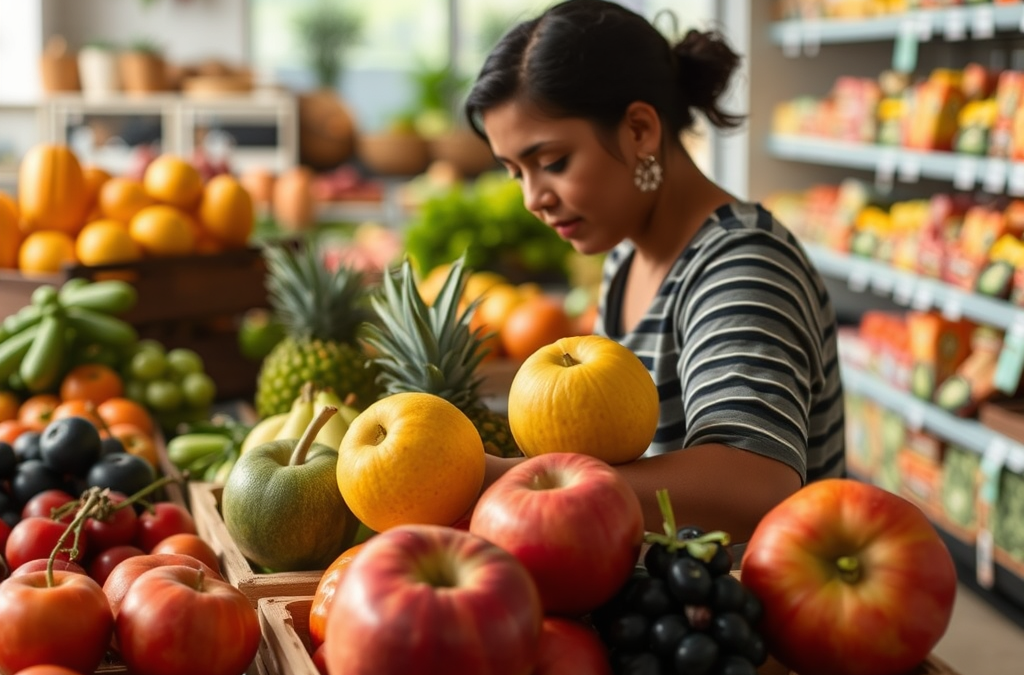
Choosing organic fruits without breaking the bank involves prioritizing seasonal produce, shopping at local farmers' markets, and using store loyalty programs. Focus on buying organic for the 'Dirty Dozen' fruits, which are known to have higher pesticide residues, while opting for conventional options for the 'Clean Fifteen.' By planning your purchases and taking advantage of sales, you can enjoy the benefits of organic fruits without overspending.
Understanding the Cost of Organic Fruits
Organic fruits often come with a higher price tag due to the farming practices involved, which typically avoid synthetic pesticides and fertilizers. These methods can yield lower quantities compared to conventional farming, contributing to the increased costs. Understanding these factors can help consumers make informed choices about when and how to buy organic fruits without exceeding their budget.
One common misconception is that all organic fruits are significantly more expensive than their conventional counterparts. While it’s true that organic options may cost more, the price difference can vary widely depending on the type of fruit, the season, and where you shop. For example, organic bananas may be only slightly more expensive than regular bananas, while organic berries can be considerably pricier.

To navigate these costs effectively, consumers should prioritize their purchases based on the environmental and health impacts of specific fruits. The Environmental Working Group (EWG) publishes an annual list of the “Dirty Dozen,” which includes fruits and vegetables that are most contaminated with pesticides. Focusing on buying these organic can enhance safety and health benefits.
Understanding the Cost of Organic Fruits matters because it turns choose organic fruits without breaking the bank from a broad idea into a decision the reader can actually apply. The practical difference usually shows up in the details: how much is needed, when the choice is made, what tradeoff is acceptable, and what sign shows the approach is working. For finance topics, the strongest advice connects risk, cash flow, timing, and the tradeoff behind each decision.
A useful way to handle this section is to compare the normal baseline with the situation that creates extra demand. If organic is the baseline concern, then fruits becomes the adjustment point and choose becomes the outcome to watch. That keeps the advice specific without forcing the reader into a rigid formula that may not fit their routine, budget, tolerance, schedule, or current level of experience.
The most common mistake is changing too many variables at once. A better approach is to choose one measurable adjustment, use it consistently long enough to see a pattern, and then refine the next step based on energy, comfort, performance, safety, or reliability. This makes the guidance easier to trust because the reader can connect the recommendation to what they observe rather than guessing from a generic checklist.
The practical takeaway is to make the section actionable: identify the main constraint, choose the smallest useful change, and compare the result against the goal. When the outcome improves, the reader can keep the approach. When it does not, the next change should target the most likely bottleneck rather than repeating the same step with more effort.
Smart Shopping Strategies
Implementing smart shopping strategies can significantly reduce the cost of organic fruits. One effective approach is to create a shopping list based on seasonal produce. Seasonal fruits are often cheaper, fresher, and taste better. Additionally, farmers’ markets typically offer competitive prices and allow consumers to buy directly from local growers.
Another useful strategy is to buy in bulk. Purchasing organic fruits in larger quantities can lead to discounts, especially if you’re willing to freeze or preserve them for later use. For example, buying organic apples in bulk during the harvest season can save money and provide a nutritious snack throughout the year.
Moreover, consider joining a community-supported agriculture (CSA) program. These programs allow consumers to purchase shares of local farms, providing fresh organic fruits at a lower cost compared to retail prices. CSAs often operate on a subscription model, making it easier to budget for organic produce.
Smart Shopping Strategies matters because it turns choose organic fruits without breaking the bank from a broad idea into a decision the reader can actually apply. The practical difference usually shows up in the details: how much is needed, when the choice is made, what tradeoff is acceptable, and what sign shows the approach is working. For gardening topics, the strongest advice connects soil conditions, plant needs, timing, and observable growth signals.
A useful way to handle this section is to compare the normal baseline with the situation that creates extra demand. If organic is the baseline concern, then fruits becomes the adjustment point and shopping becomes the outcome to watch. That keeps the advice specific without forcing the reader into a rigid formula that may not fit their routine, budget, tolerance, schedule, or current level of experience.
Identifying Seasonal and Local Options
Identifying seasonal and local organic fruits is crucial for both budget management and supporting local farmers. Seasonal fruits not only taste better but are also less expensive due to their abundant supply. For example, strawberries are typically cheaper in late spring and early summer when they are in season, while citrus fruits are often more affordable in winter.
Local options can also provide significant savings. When fruits are sourced from nearby farms, transportation costs are lower, which can reflect in the price. Visiting local farmers’ markets or joining a CSA can connect consumers directly with local growers, who may offer better prices than supermarkets.
Additionally, many grocery stores now label locally sourced products, making it easier for consumers to choose local organic fruits. Keep an eye out for these labels and consider asking store employees for guidance on which fruits are currently in season and locally produced.
Identifying Seasonal and Local Options matters because it turns choose organic fruits without breaking the bank from a broad idea into a decision the reader can actually apply. The practical difference usually shows up in the details: how much is needed, when the choice is made, what tradeoff is acceptable, and what sign shows the approach is working. For finance topics, the strongest advice connects risk, cash flow, timing, and the tradeoff behind each decision.
A useful way to handle this section is to compare the normal baseline with the situation that creates extra demand. If fruits is the baseline concern, then local becomes the adjustment point and organic becomes the outcome to watch. That keeps the advice specific without forcing the reader into a rigid formula that may not fit their routine, budget, tolerance, schedule, or current level of experience.
Using Discounts and Loyalty Programs
Many grocery stores offer discounts on organic fruits through loyalty programs and promotions. Signing up for these programs can provide access to exclusive deals and coupons that help reduce costs. Additionally, many stores have weekly sales where organic fruits may be discounted, allowing savvy shoppers to stock up on their favorites.
Another way to save is to utilize apps and websites that track sales and discounts at local grocery stores. These resources can help consumers plan their shopping trips around the best deals available, ensuring they get the most value for their money.
Lastly, consider using cash-back apps that provide rewards for purchasing organic products. These apps can offer cash back on specific items, making it easier to save while enjoying organic fruits.
Using Discounts and Loyalty Programs matters because it turns choose organic fruits without breaking the bank from a broad idea into a decision the reader can actually apply. The practical difference usually shows up in the details: how much is needed, when the choice is made, what tradeoff is acceptable, and what sign shows the approach is working. For finance topics, the strongest advice connects risk, cash flow, timing, and the tradeoff behind each decision.
A useful way to handle this section is to compare the normal baseline with the situation that creates extra demand. If organic is the baseline concern, then fruits becomes the adjustment point and discounts becomes the outcome to watch. That keeps the advice specific without forcing the reader into a rigid formula that may not fit their routine, budget, tolerance, schedule, or current level of experience.
The most common mistake is changing too many variables at once. A better approach is to choose one measurable adjustment, use it consistently long enough to see a pattern, and then refine the next step based on energy, comfort, performance, safety, or reliability. This makes the guidance easier to trust because the reader can connect the recommendation to what they observe rather than guessing from a generic checklist.
Conclusion
Choosing organic fruits without breaking the bank is achievable by understanding the costs involved, implementing smart shopping strategies, and taking advantage of local and seasonal offerings. By prioritizing organic purchases for the Dirty Dozen and utilizing discounts and loyalty programs, consumers can enjoy the benefits of organic fruits while staying within their budget. Start planning your grocery trips around seasonal produce and explore local options to maximize your savings and health benefits.
Huge Discount on the Best Certified Organic Nutrient Dense Supplement!

Frequently Asked Questions
Are organic fruits really worth the extra cost?
Organic fruits are often worth the extra cost due to lower pesticide residues and potentially higher nutrient levels, making them a healthier choice.
How can I find the best deals on organic fruits?
To find the best deals, shop at local farmers' markets, join CSA programs, and watch for sales at grocery stores, particularly for seasonal fruits.
What are the Dirty Dozen fruits?
The Dirty Dozen is a list published by the EWG of fruits and vegetables that have the highest pesticide residues, indicating they should be purchased organic when possible.
Can I wash pesticides off conventional fruits?
While washing can reduce pesticide residues, it may not eliminate them entirely. Choosing organic for the Dirty Dozen is recommended for safety.
What is the best way to store organic fruits?
Storing organic fruits in a cool, dry place or refrigerating them can extend their shelf life. Proper storage techniques help maintain freshness and reduce waste.
Additional Resources
Authoritative Sources
- 4 ways to eat organic on a budget without breaking the bank
torrens.edu.auFocus on the foods that matter most to you Choose organic for produce with thin skins (berries, leafy greens) Eat seasonally Reduce waste Grow ...