
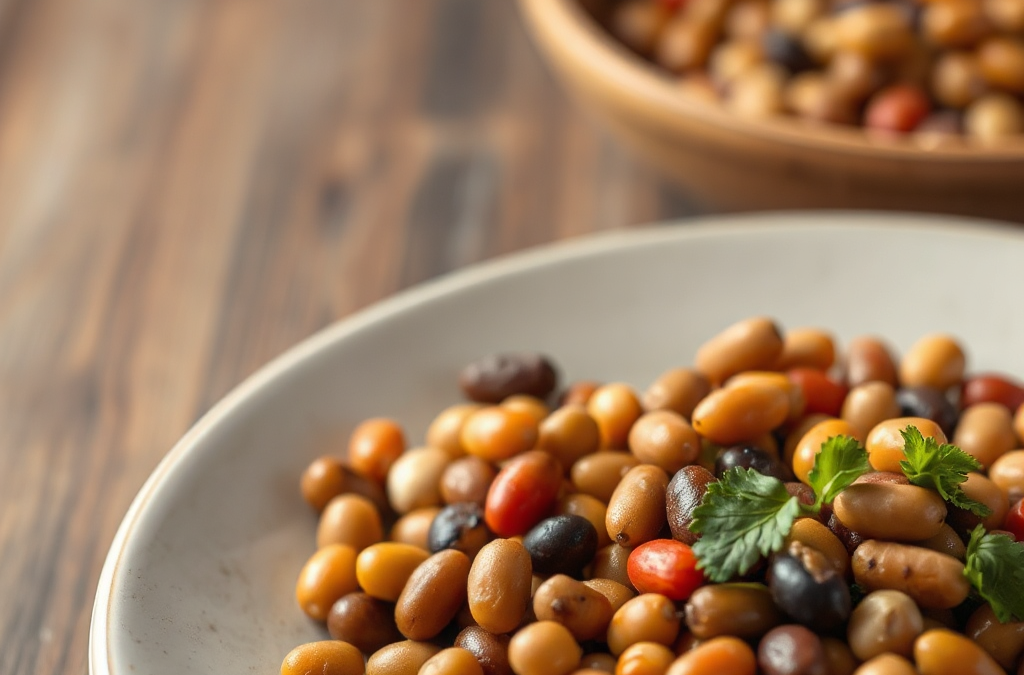
Incorporating organic legumes into meals offers numerous benefits, including enhanced nutritional value, improved digestion, and environmental sustainability. Organic legumes are rich in protein, fiber, and essential nutrients, making them a great choice for a balanced diet. They also contribute to gut health through their fiber content and help reduce the carbon footprint associated with food production. By adding legumes like lentils, chickpeas, and black beans to your meals, you can create satisfying dishes that are both nutritious and eco-friendly.
Nutritional Profile of Organic Legumes
Organic legumes, such as lentils, beans, and peas, are powerhouses of nutrition. They are an excellent source of plant-based protein, providing essential amino acids necessary for muscle repair and growth. In addition to protein, they are high in dietary fiber, which aids in digestion and promotes a feeling of fullness. Furthermore, organic legumes contain a variety of vitamins and minerals, including iron, potassium, magnesium, and folate, all of which are crucial for maintaining overall health.
The fiber content in organic legumes is particularly noteworthy. It not only helps regulate blood sugar levels but also supports gut health by promoting the growth of beneficial bacteria. This can lead to improved digestion and a lower risk of gastrointestinal issues. Additionally, the low glycemic index of legumes makes them a favorable food choice for individuals managing diabetes.

Nutritional Profile of Organic Legumes matters because it turns the benefits of incorporating organic legumes into meals from a broad idea into a decision the reader can actually apply. The practical difference usually shows up in the details: how much is needed, when the choice is made, what tradeoff is acceptable, and what sign shows the approach is working. For nutrition topics, the strongest advice connects portion size, food quality, timing, and recovery instead of treating every meal as a fixed serving.
A useful way to handle this section is to compare the normal baseline with the situation that creates extra demand. If legumes is the baseline concern, then organic becomes the adjustment point and benefits becomes the outcome to watch. That keeps the advice specific without forcing the reader into a rigid formula that may not fit their routine, budget, tolerance, schedule, or current level of experience.
The most common mistake is changing too many variables at once. A better approach is to choose one measurable adjustment, use it consistently long enough to see a pattern, and then refine the next step based on energy, comfort, performance, safety, or reliability. This makes the guidance easier to trust because the reader can connect the recommendation to what they observe rather than guessing from a generic checklist.
The practical takeaway is to make the section actionable: identify the main constraint, choose the smallest useful change, and compare the result against the goal. When the outcome improves, the reader can keep the approach. When it does not, the next change should target the most likely bottleneck rather than repeating the same step with more effort.
Health Benefits of Organic Legumes
Incorporating organic legumes into your meals can lead to several health benefits. The high fiber content helps reduce cholesterol levels, which can lower the risk of heart disease. Legumes are also known to help stabilize blood sugar levels, making them ideal for those with insulin sensitivity or diabetes.
Moreover, the antioxidants found in organic legumes can help combat oxidative stress, reducing inflammation in the body. This is particularly important for individuals at risk of chronic diseases. Studies have shown that regular consumption of legumes is associated with a lower risk of developing conditions such as heart disease, obesity, and certain types of cancer.
Another significant benefit is their role in weight management. The combination of protein and fiber in legumes makes them filling, which can help control appetite and reduce overall calorie intake. This is particularly beneficial for those looking to lose weight or maintain a healthy weight.
Health Benefits of Organic Legumes matters because it turns the benefits of incorporating organic legumes into meals from a broad idea into a decision the reader can actually apply. The practical difference usually shows up in the details: how much is needed, when the choice is made, what tradeoff is acceptable, and what sign shows the approach is working. For nutrition topics, the strongest advice connects portion size, food quality, timing, and recovery instead of treating every meal as a fixed serving.
A useful way to handle this section is to compare the normal baseline with the situation that creates extra demand. If legumes is the baseline concern, then organic becomes the adjustment point and benefits becomes the outcome to watch. That keeps the advice specific without forcing the reader into a rigid formula that may not fit their routine, budget, tolerance, schedule, or current level of experience.
The most common mistake is changing too many variables at once. A better approach is to choose one measurable adjustment, use it consistently long enough to see a pattern, and then refine the next step based on energy, comfort, performance, safety, or reliability. This makes the guidance easier to trust because the reader can connect the recommendation to what they observe rather than guessing from a generic checklist.
Culinary Uses of Organic Legumes
Organic legumes are incredibly versatile and can be incorporated into a wide variety of dishes. They can be used as the main protein source in vegetarian and vegan meals, or as a hearty addition to soups, stews, and salads. For example, lentils can be cooked into a flavorful curry or blended into a soup for added creaminess. Chickpeas can be roasted for a crunchy snack or blended into hummus for a nutritious dip.
In addition to their flavor and texture, legumes can also enhance the nutritional profile of meals. By adding legumes to salads or grain bowls, you can increase the protein and fiber content, making the meal more satisfying and balanced. Furthermore, using legumes as a meat substitute not only makes meals healthier but also contributes to a more sustainable diet.
Culinary Uses of Organic Legumes matters because it turns the benefits of incorporating organic legumes into meals from a broad idea into a decision the reader can actually apply. The practical difference usually shows up in the details: how much is needed, when the choice is made, what tradeoff is acceptable, and what sign shows the approach is working. For nutrition topics, the strongest advice connects portion size, food quality, timing, and recovery instead of treating every meal as a fixed serving.
A useful way to handle this section is to compare the normal baseline with the situation that creates extra demand. If legumes is the baseline concern, then meals becomes the adjustment point and organic becomes the outcome to watch. That keeps the advice specific without forcing the reader into a rigid formula that may not fit their routine, budget, tolerance, schedule, or current level of experience.
Sustainability and Environmental Impact
Choosing organic legumes over conventional options can have a positive impact on the environment. Organic farming practices prioritize soil health and biodiversity, reducing the reliance on synthetic fertilizers and pesticides. This not only benefits the environment but also leads to healthier food products. Legumes play a crucial role in crop rotation, as they help fix nitrogen in the soil, improving its fertility for future crops.
Moreover, legumes have a lower carbon footprint compared to animal-based proteins. By incorporating more plant-based foods like organic legumes into your diet, you can contribute to reducing greenhouse gas emissions associated with livestock farming. This shift towards plant-based eating is essential for promoting sustainability and combating climate change.
Sustainability and Environmental Impact matters because it turns the benefits of incorporating organic legumes into meals from a broad idea into a decision the reader can actually apply. The practical difference usually shows up in the details: how much is needed, when the choice is made, what tradeoff is acceptable, and what sign shows the approach is working. For nutrition topics, the strongest advice connects portion size, food quality, timing, and recovery instead of treating every meal as a fixed serving.
A useful way to handle this section is to compare the normal baseline with the situation that creates extra demand. If legumes is the baseline concern, then organic becomes the adjustment point and benefits becomes the outcome to watch. That keeps the advice specific without forcing the reader into a rigid formula that may not fit their routine, budget, tolerance, schedule, or current level of experience.
The most common mistake is changing too many variables at once. A better approach is to choose one measurable adjustment, use it consistently long enough to see a pattern, and then refine the next step based on energy, comfort, performance, safety, or reliability. This makes the guidance easier to trust because the reader can connect the recommendation to what they observe rather than guessing from a generic checklist.
Frequently Asked Questions
What types of organic legumes are most popular?
Some of the most popular organic legumes include lentils, chickpeas, black beans, and kidney beans.
How can I store organic legumes?
Store dried organic legumes in a cool, dry place in an airtight container. Cooked legumes should be refrigerated and consumed within a week.
Are organic legumes more nutritious than conventional ones?
Organic legumes may contain higher levels of certain nutrients and are free from synthetic pesticides and fertilizers, making them a healthier choice.
Can I use legumes in desserts?
Yes, legumes like chickpeas can be used in desserts, such as brownies or cookies, to add protein and fiber.
How do I prepare organic legumes?
Preparation varies by type; generally, dried legumes require soaking and cooking, while canned varieties can be rinsed and added directly to recipes.
Conclusion
Incorporating organic legumes into your meals is a wise choice for enhancing nutrition, supporting health, and promoting sustainability. With their rich protein and fiber content, legumes can help manage weight, stabilize blood sugar, and reduce the risk of chronic diseases. They are versatile ingredients that can be added to various dishes, making it easy to enjoy their benefits. By choosing organic options, you also contribute positively to the environment, making a conscious decision for your health and the planet.
Huge Discount on the Best Certified Organic Nutrient Dense Supplement!

Related Content
Further Reading
Authoritative Sources
- Whole Grains Council Grain Resources
wholegrainscouncil.orgPractical grain education covering whole grains, oats, milling context, and food-use guidance.
- USDA FoodData Central Grain Nutrition Data
fdc.nal.usda.govUSDA food composition data useful for oats, flour, meal, and grain-based nutrition references.
- USDA Agricultural Research Service
ars.usda.govAgricultural research resources related to grains, crops, processing, and food quality.