
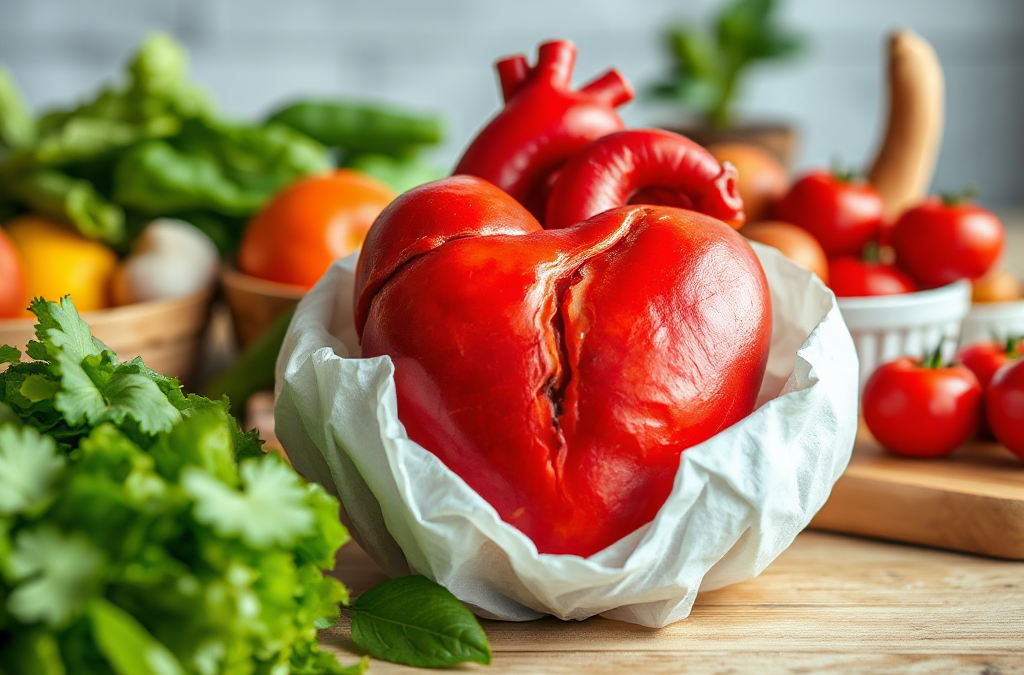
The connection between organic eating and heart health is significant, as organic foods often contain higher levels of antioxidants and lower levels of harmful pesticides, which can benefit cardiovascular health. Incorporating organic fruits, vegetables, and whole grains can lower cholesterol and blood pressure, while reducing inflammation. Choosing organic options may also lead to healthier eating patterns, promoting heart health overall.
Understanding Organic Foods and Their Health Impacts
Organic foods are grown without synthetic pesticides, herbicides, or fertilizers, which may lead to a lower level of harmful substances in the food we consume. The emphasis on natural farming practices not only supports the environment but also enhances the nutritional profile of the produce. This is particularly relevant for heart health, as studies suggest that organic fruits and vegetables often have higher antioxidant levels, which combat oxidative stress in the body. The lower pesticide residue in organic foods is also a critical factor, as certain pesticides have been linked to increased risks of cardiovascular disease. By choosing organic, consumers may reduce their exposure to these harmful substances and promote better heart health.
Understanding Organic Foods and Their Health Impacts matters because it turns the connection between organic eating and heart health from a broad idea into a decision the reader can actually apply. The practical difference usually shows up in the details: how much is needed, when the choice is made, what tradeoff is acceptable, and what sign shows the approach is working. For nutrition topics, the strongest advice connects portion size, food quality, timing, and recovery instead of treating every meal as a fixed serving.

A useful way to handle this section is to compare the normal baseline with the situation that creates extra demand. If organic is the baseline concern, then health becomes the adjustment point and heart becomes the outcome to watch. That keeps the advice specific without forcing the reader into a rigid formula that may not fit their routine, budget, tolerance, schedule, or current level of experience.
The most common mistake is changing too many variables at once. A better approach is to choose one measurable adjustment, use it consistently long enough to see a pattern, and then refine the next step based on energy, comfort, performance, safety, or reliability. This makes the guidance easier to trust because the reader can connect the recommendation to what they observe rather than guessing from a generic checklist.
The practical takeaway is to make the section actionable: identify the main constraint, choose the smallest useful change, and compare the result against the goal. When the outcome improves, the reader can keep the approach. When it does not, the next change should target the most likely bottleneck rather than repeating the same step with more effort.
Nutritional Benefits of Organic Eating for Heart Health
Organic foods are often richer in essential nutrients that support heart health. For instance, organic fruits and vegetables are typically higher in vitamins C and E, potassium, and fiber, all of which are known to play a role in cardiovascular wellness. Fiber, in particular, is crucial as it helps lower cholesterol levels and regulate blood sugar, reducing the risk of heart disease. Additionally, organic dairy products and meats are less likely to contain antibiotics or growth hormones, which can potentially influence heart health negatively. Incorporating a variety of organic foods, such as leafy greens, berries, nuts, and whole grains, can provide a comprehensive array of nutrients that support heart function and reduce inflammation.
Nutritional Benefits of Organic Eating for Heart Health matters because it turns the connection between organic eating and heart health from a broad idea into a decision the reader can actually apply. The practical difference usually shows up in the details: how much is needed, when the choice is made, what tradeoff is acceptable, and what sign shows the approach is working. For nutrition topics, the strongest advice connects portion size, food quality, timing, and recovery instead of treating every meal as a fixed serving.
A useful way to handle this section is to compare the normal baseline with the situation that creates extra demand. If organic is the baseline concern, then heart becomes the adjustment point and health becomes the outcome to watch. That keeps the advice specific without forcing the reader into a rigid formula that may not fit their routine, budget, tolerance, schedule, or current level of experience.
The most common mistake is changing too many variables at once. A better approach is to choose one measurable adjustment, use it consistently long enough to see a pattern, and then refine the next step based on energy, comfort, performance, safety, or reliability. This makes the guidance easier to trust because the reader can connect the recommendation to what they observe rather than guessing from a generic checklist.
Common Misconceptions About Organic Foods
Despite the growing popularity of organic foods, several misconceptions persist. One common belief is that organic foods are always healthier than their conventional counterparts. While organic foods do offer certain advantages, such as reduced pesticide exposure, it is essential to recognize that not all organic foods are created equal. For example, organic processed foods can still be high in sugar and unhealthy fats. Moreover, the term ‘organic’ does not automatically imply a higher nutrient density. Consumers should focus on a balanced diet rich in whole foods, whether organic or conventional, to support overall health. Being informed about what constitutes a healthy diet is more important than simply choosing organic products.
Common Misconceptions About Organic Foods matters because it turns the connection between organic eating and heart health from a broad idea into a decision the reader can actually apply. The practical difference usually shows up in the details: how much is needed, when the choice is made, what tradeoff is acceptable, and what sign shows the approach is working. For nutrition topics, the strongest advice connects portion size, food quality, timing, and recovery instead of treating every meal as a fixed serving.
A useful way to handle this section is to compare the normal baseline with the situation that creates extra demand. If organic is the baseline concern, then foods becomes the adjustment point and health becomes the outcome to watch. That keeps the advice specific without forcing the reader into a rigid formula that may not fit their routine, budget, tolerance, schedule, or current level of experience.
The most common mistake is changing too many variables at once. A better approach is to choose one measurable adjustment, use it consistently long enough to see a pattern, and then refine the next step based on energy, comfort, performance, safety, or reliability. This makes the guidance easier to trust because the reader can connect the recommendation to what they observe rather than guessing from a generic checklist.
Practical Tips for Incorporating Organic Foods
To reap the benefits of organic eating, consider these practical tips for incorporating organic foods into your diet. Start by prioritizing organic versions of the produce known to have higher pesticide residues, such as strawberries, spinach, and apples, as these can significantly impact heart health. When shopping, look for seasonal organic produce to ensure freshness and support local farmers. Additionally, consider joining a community-supported agriculture (CSA) program, which can provide a steady supply of organic fruits and vegetables. Meal planning can also help you incorporate organic foods effectively, ensuring that you have a variety of options throughout the week. Lastly, educate yourself about the labels and certifications to make informed choices when purchasing organic products.
Staying informed about the latest research and recommendations can enhance your understanding of organic eating and its impacts on heart health. Look for resources from reputable organizations such as the USDA, National Institutes of Health, and peer-reviewed journals that focus on nutrition and cardiovascular health.
Practical Tips for Incorporating Organic Foods matters because it turns the connection between organic eating and heart health from a broad idea into a decision the reader can actually apply. The practical difference usually shows up in the details: how much is needed, when the choice is made, what tradeoff is acceptable, and what sign shows the approach is working. For nutrition topics, the strongest advice connects portion size, food quality, timing, and recovery instead of treating every meal as a fixed serving.
A useful way to handle this section is to compare the normal baseline with the situation that creates extra demand. If organic is the baseline concern, then health becomes the adjustment point and eating becomes the outcome to watch. That keeps the advice specific without forcing the reader into a rigid formula that may not fit their routine, budget, tolerance, schedule, or current level of experience.
Frequently Asked Questions
What are the main benefits of organic eating for heart health?
Organic eating can lower exposure to harmful pesticides, increase intake of antioxidants, and provide nutrient-rich foods that support overall cardiovascular health.
Are organic foods always healthier than conventional foods?
Not necessarily. While organic foods have lower pesticide residues, they can still be high in sugars or unhealthy fats, so it is essential to assess the overall nutritional value.
How can I start incorporating organic foods into my diet?
Begin by prioritizing organic versions of produce with high pesticide residues, join a CSA, and plan meals that include a variety of organic fruits and vegetables.
What types of organic foods are best for heart health?
Focus on organic fruits, vegetables, whole grains, nuts, and seeds, which are rich in essential nutrients and beneficial for cardiovascular health.
Is organic meat better for heart health?
Organic meat typically contains fewer antibiotics and hormones, which may benefit heart health, but it is still important to consume it in moderation as part of a balanced diet.
Conclusion
Organic eating presents a compelling connection to heart health, offering numerous benefits through reduced pesticide exposure and enhanced nutrient intake. Prioritizing organic fruits and vegetables while maintaining a balanced diet can significantly contribute to cardiovascular wellness. As you explore organic options, remember that quality and variety are key, and informed choices will lead to better health outcomes.
Huge Discount on the Best Certified Organic Nutrient Dense Supplement!



