
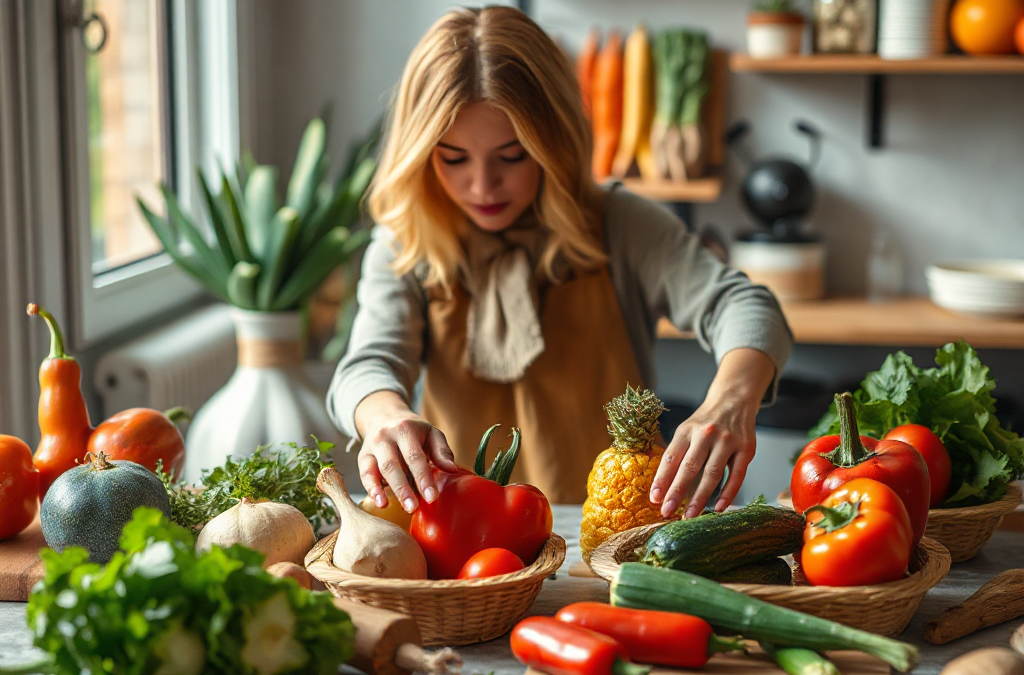
Meal Prep Using Seasonal Organic Vegetables With a Flexible Weekly Plan is best handled by matching the recommendation to energy needs, food quality, portion size, timing, hydration, tolerance, and recovery. Start with the clearest need, choose one practical adjustment, and measure whether it improves the result before changing anything else. A stronger approach compares the most reliable option with the easiest shortcut, then uses the reader’s actual response to decide what comes next. This keeps the guidance useful, specific, and easier to apply without turning the article into a generic checklist.
Choose Seasonal Vegetables That Fit Your Week
Seasonal meal prep begins at the market or grocery store, but the best choices depend on how soon you plan to eat them. A vegetable at peak local availability may offer good flavor and value, yet it still needs to match your schedule, refrigerator space, and preferred meals. Choose a combination of vegetables with different storage lives instead of buying a large quantity of one attractive item.
Sturdy vegetables are useful for the later days of a prep cycle. In cooler months, carrots, cabbage, cauliflower, sweet potatoes, beets, and winter squash generally tolerate roasting, sautéing, or storage better than tender greens. Spring may bring asparagus, peas, radishes, and spinach; summer often offers zucchini, tomatoes, peppers, corn, and green beans; fall supports apples alongside Brussels sprouts, squash, and root vegetables. Availability varies by region, so a seasonal calendar is a starting point rather than a strict shopping list.

Separate vegetables into three practical groups: those for long cooking, those for quick cooking, and those best left raw. For example, a winter plan might combine roasted squash, sautéed kale, and shredded cabbage slaw. A summer plan could use grilled zucchini, blanched green beans, and fresh tomatoes. This contrast prevents every meal from having the same texture and keeps delicate ingredients from sitting in heat or dressing for several days.
Organic certification addresses production standards, not freshness or automatic meal-prep performance. Organic vegetables still need inspection, cleaning, and appropriate storage. Buy what you can use rather than treating the organic label as a reason to overstock. A smaller amount of crisp produce that is eaten promptly is usually more practical than a crowded drawer filled with vegetables that deteriorate before cooking.
A useful shopping check is simple: identify two vegetables that will be cooked, one vegetable that will remain fresh, and one optional item for snacks or garnish. Add a dependable protein and a filling carbohydrate, such as lentils and brown rice, so the vegetables have a clear role in meals.
Build a Prep Plan Around Cooking Methods
The most efficient prep session groups vegetables by method rather than preparing every ingredient in the same way. Roasting concentrates flavor and works well for dense vegetables, while steaming or quick sautéing preserves a lighter texture. Raw preparation is valuable when crispness matters, but cut surfaces can dry out or release moisture, so raw components often deserve separate containers.
Begin by writing four meals and assigning each vegetable a job. For instance, roasted cauliflower can become a grain bowl, taco filling, or soup addition. Sautéed greens can accompany eggs, beans, or pasta. Shredded cabbage can serve as a salad base on day one and a stir-fry ingredient later. Planning uses keeps you from cooking vegetables that have no realistic destination.
Before heating the oven, wash and dry the produce, then cut pieces to a similar size. Uniform pieces cook at roughly the same rate; mixed-size chunks can leave small pieces burned while larger pieces remain firm. Dense vegetables usually need more time than zucchini or peppers, so use separate trays or add quick-cooking ingredients later. A crowded pan traps steam and produces soft, pale vegetables instead of browned edges.
Season lightly during the initial cook and finish meals with different sauces, herbs, citrus, or vinegar. Heavy dressing limits reuse and can make greens or roasted vegetables soggy. A neutral roasted tray can support several flavor directions: tahini and lemon for a bowl, salsa for tacos, or olive oil and herbs beside eggs. This modular approach is more flexible than preparing five identical containers.
- Cook ahead: roots, squash, cauliflower, cabbage, beans, and grains.
- Prepare briefly: greens, asparagus, green beans, zucchini, and peppers.
- Keep fresh: tomatoes, herbs, radishes, shredded carrots, and salad leaves.
The common mistake is treating “meal prep” as one large recipe. A component plan takes slightly more organization but gives you options when appetite, schedule, or leftovers change. For more ideas on building balanced plates, see how to meal prep using seasonal organic vegetables with an emphasis on combinations rather than rigid menus.
Store Organic Vegetables for Quality and Safety
Storage determines whether prepared vegetables remain appealing through the week. Cool cooked vegetables in shallow containers rather than sealing a hot, deep batch immediately. Rapid cooling reduces the time food spends warm, while shallow portions release heat more effectively. Once cooled, use clean containers with tight-fitting lids and label them with the preparation date.
Keep components separate when their moisture needs differ. Roasted vegetables stored beside dressing or wet grains can soften quickly. Greens last better when dry and loosely packed with a paper towel that can absorb excess moisture. Cut tomatoes are best refrigerated in a separate container, while whole tomatoes may retain better texture outside the refrigerator if the room is suitable. The exact storage life depends on freshness, handling, temperature, and preparation, so inspect food rather than relying on a promise that every item will last the same number of days.
Wash produce under running water before cutting, and clean hands, knives, cutting boards, and counters. Washing does not make damaged or spoiled vegetables safe, and soap should not be used on food. Remove bruised sections and discard vegetables with an unpleasant odor, unusual slime, or visible mold. Keep raw animal products away from ready-to-eat vegetables if they are part of the same prep session.
Texture is often the first quality loss. Delicate lettuce, herbs, cucumbers, and cooked greens usually deserve early-week placement, while roasted roots and cabbage can serve later meals. If you need a longer interval, freeze suitable cooked vegetables in meal-size portions, recognizing that thawing may soften them. Freezing is more appropriate for soups, sauces, and grain bowls than for vegetables intended to remain crisp.
Storage failure commonly comes from sealing moisture into the container. Let steam escape during cooling, dry washed greens thoroughly, and avoid adding salt or acidic dressing to vegetables that will sit for several days. These small choices preserve texture without requiring special equipment.
Turn Prepared Vegetables Into Flexible Meals
Prepared vegetables become satisfying meals when each serving includes a source of protein, a filling carbohydrate, and a finishing element that changes the flavor. Vegetables supply color, texture, fiber, and varied nutrients, but a container of vegetables alone may not keep you satisfied. Pair roasted broccoli with chickpeas and quinoa, sautéed greens with eggs and potatoes, or summer vegetables with beans and whole-grain pasta.
Use a two-stage assembly system. Store cooked components in larger containers, then portion them when you are ready to eat. Keep sauces, seeds, nuts, herbs, and crunchy toppings separate. This protects texture and allows one batch to become different meals. A roasted tray can go into a warm bowl one day, a wrap the next, and a blended soup later in the week.
A practical example is a late-summer plan built around peppers, zucchini, corn, tomatoes, and green beans. Roast the peppers and zucchini, blanch the beans briefly, keep tomatoes raw, and remove corn from the cob for quick reheating. Combine those components with black beans and brown rice for one meal, eggs for another, and a vinaigrette-based salad for a third. The ingredients overlap, but the cooking methods and finishing flavors prevent repetition.
Choose the assembly method based on your time. If weekday mornings are rushed, portion complete bowls in advance but leave wet toppings separate. If dinner timing changes, keep ingredients modular and assemble only what you need. A pre-portioned plan is convenient; a component plan creates less waste when plans change. Neither approach is universally better.
Watch for a nutritional imbalance: large vegetable portions with little protein or energy-dense food may leave you hungry, while generous oil, cheese, or creamy dressing can dominate an otherwise vegetable-centered meal. Adjust portions according to your needs, appetite, and any advice from a qualified health professional. Organic ingredients do not remove the need for balanced meal design.
Fix Common Meal-Prep Problems
Soggy vegetables usually result from excess water, overcrowded cooking surfaces, or dressing added too early. Dry produce well, spread pieces with room between them, and cool cooked food before closing containers. If a batch is already soft, repurpose it in soup, frittata, curry, or a blended sauce instead of discarding it.
Bland meals often reflect under-seasoning at the finishing stage rather than a failure of the vegetables. Taste a portion after reheating and add acid, herbs, toasted seeds, or a sauce. Salt can be added gradually, but a squeeze of lemon or a spoonful of salsa may provide more contrast than simply adding more salt. Keep a neutral base so the same vegetables can support different cuisines during the week.
Waste usually starts with buying before checking the calendar. If you will eat away from home twice, reduce the quantity or select vegetables that freeze well. Tender produce should be scheduled first, not saved for the end of the week. A visible “eat first” container can make the plan easier to follow.
Reheating also affects the result. Dense roasted vegetables tolerate a skillet or oven better than a long microwave cycle. Add raw greens after heating so they wilt slightly without becoming limp. Beans and grains may need a small splash of water, while crisp toppings should never be reheated. Signs the approach is working include distinct textures, easy meal assembly, and little untouched produce by the next shopping trip.
Use this compact priority order when time is limited:
- Prepare the vegetables most likely to spoil first.
- Cook one sturdy vegetable and one quick-cooking vegetable.
- Prepare one protein and one grain or legume.
- Make a sauce or topping that can change the flavor.
- Leave at least one fresh item uncut until needed.
That sequence is more resilient than attempting a complicated menu. The best seasonal organic vegetable meal prep routine is the one that matches your actual eating schedule, not an idealized week.
Frequently Asked Questions
How many days can prepared vegetables stay in the refrigerator?
Timing varies with freshness, handling, and storage temperature. Use delicate vegetables first, keep cooked food chilled promptly, and discard anything with mold, slime, or an off odor.
Should organic vegetables be washed before meal prep?
Wash produce under running water before cutting or eating, then dry it well. Organic status does not eliminate soil, microbes, or handling-related contamination.
What seasonal vegetables are easiest for beginners?
Carrots, cabbage, cauliflower, sweet potatoes, peppers, and green beans are forgiving choices because they work in roasting, sautéing, bowls, soups, and side dishes.
How do you prevent roasted vegetables from becoming soggy?
Dry them thoroughly, avoid crowding the pan, use pieces of similar size, and cool them before sealing. Store sauces separately until serving.
Can seasonal meal-prep vegetables be frozen?
Many cooked vegetables freeze well for soups, stews, and grain bowls, although thawing can reduce crispness. Freeze meal-size portions and use fresh vegetables when texture is central.
Conclusion
Successful seasonal organic vegetable meal prep is less about cooking a week of identical dishes and more about preparing compatible components. Shop for a mix of sturdy, quick-cooking, and fresh vegetables; assign each one a realistic use; and choose cooking methods that preserve the texture you want. Pair the vegetables with protein and whole-food carbohydrates, then keep dressings and crunchy toppings separate so meals remain adaptable. Delicate produce should be eaten first, while roasted roots, cabbage, and frozen portions can carry later meals. Start with one cooked vegetable, one fresh vegetable, a protein, and a grain or legume. That manageable structure makes it easier to evaluate waste, adjust quantities, and build a routine that fits the season and your actual week.
Huge Discount on the Best Certified Organic Nutrient Dense Supplement!