Some organic foods have a shorter shelf life primarily due to their lack of preservatives, higher moisture content, and the use of natural farming practices. These factors contribute to faster spoilage, making it essential for consumers to understand which organic products are more perishable. For instance, organic fruits and vegetables often lack the chemical treatments that prolong freshness in conventional produce, leading to quicker decay. Knowing how to store these foods properly can help extend their usability.
Understanding Shorter Shelf Life in Organic Foods
Organic foods often have a shorter shelf life than their conventional counterparts due to several intrinsic factors. The absence of synthetic preservatives typically found in processed foods allows organic items to maintain their natural state and flavor but also makes them more susceptible to spoilage. Additionally, organic farming practices often emphasize a more natural approach, which can result in produce that is fresher but less durable.
Consumer awareness of these differences is crucial, especially for those who prioritize organic diets. Understanding why organic foods spoil faster can empower consumers to make informed choices about storage and consumption, reducing waste and enhancing overall satisfaction with their food choices.
Understanding Shorter Shelf Life in Organic Foods matters because it turns some organic foods have a shorter shelf life from a broad idea into a decision the reader can actually apply. The practical difference usually shows up in the details: how much is needed, when the choice is made, what tradeoff is acceptable, and what sign shows the approach is working. For nutrition topics, the strongest advice connects portion size, food quality, timing, and recovery instead of treating every meal as a fixed serving.
A useful way to handle this section is to compare the normal baseline with the situation that creates extra demand. If organic is the baseline concern, then foods becomes the adjustment point and shorter becomes the outcome to watch. That keeps the advice specific without forcing the reader into a rigid formula that may not fit their routine, budget, tolerance, schedule, or current level of experience.
The most common mistake is changing too many variables at once. A better approach is to choose one measurable adjustment, use it consistently long enough to see a pattern, and then refine the next step based on energy, comfort, performance, safety, or reliability. This makes the guidance easier to trust because the reader can connect the recommendation to what they observe rather than guessing from a generic checklist.
The practical takeaway is to make the section actionable: identify the main constraint, choose the smallest useful change, and compare the result against the goal. When the outcome improves, the reader can keep the approach. When it does not, the next change should target the most likely bottleneck rather than repeating the same step with more effort.
Factors Contributing to Spoilage
The shorter shelf life of organic foods can be attributed to several key factors:
- Lack of Preservatives: Organic foods typically do not contain artificial preservatives, which can extend shelf life significantly. This absence is a double-edged sword; while it aligns with the organic ethos of minimal processing, it also leads to quicker spoilage.
- Higher Moisture Content: Many organic fruits and vegetables retain more moisture than their conventional counterparts. This moisture can promote the growth of mold and bacteria, accelerating decay.
- Natural Farming Practices: Organic farming often employs techniques that can lead to more delicate produce. For example, crops may be grown without the use of synthetic fertilizers or pesticides, which can impact their resistance to pests and diseases.
- Harvest Timing: Organic foods are often harvested at their peak ripeness, which can be beneficial for flavor but can also lead to a shorter window of usability. Once picked, the clock starts ticking on freshness.
These factors combined mean that consumers need to be particularly vigilant about how they store and handle organic foods to maximize their shelf life.
Factors Contributing to Spoilage matters because it turns some organic foods have a shorter shelf life from a broad idea into a decision the reader can actually apply. The practical difference usually shows up in the details: how much is needed, when the choice is made, what tradeoff is acceptable, and what sign shows the approach is working. For nutrition topics, the strongest advice connects portion size, food quality, timing, and recovery instead of treating every meal as a fixed serving.
A useful way to handle this section is to compare the normal baseline with the situation that creates extra demand. If organic is the baseline concern, then foods becomes the adjustment point and shelf becomes the outcome to watch. That keeps the advice specific without forcing the reader into a rigid formula that may not fit their routine, budget, tolerance, schedule, or current level of experience.
Types of Organic Foods with Shorter Lifespan
Not all organic foods are created equal shelf life. Certain types tend to spoil faster than others. Here are some common examples:
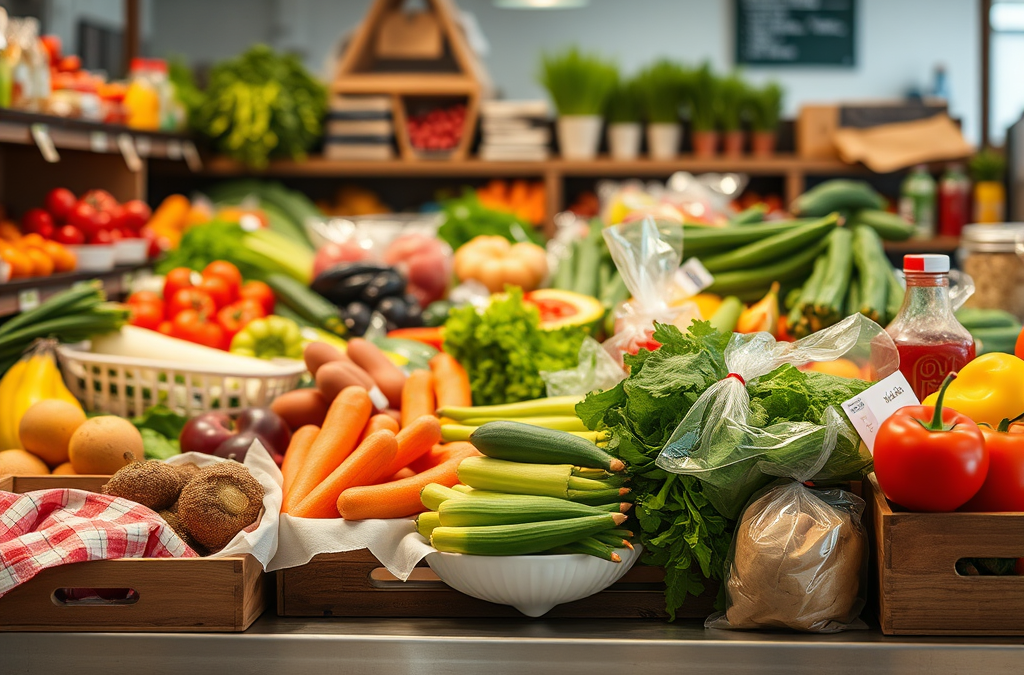
- Fruits: Organic berries, peaches, and tomatoes are particularly prone to quick spoilage due to their high moisture content and delicate skin. These should be consumed shortly after purchase.
- Vegetables: Leafy greens like spinach and lettuce tend to wilt and decay faster than sturdier vegetables. Their delicate nature means they require careful handling and storage.
- Dairy Products: Organic dairy products like milk and yogurt can spoil quickly as they often contain fewer preservatives. It’s important to check expiration dates and store them properly.
- Meats: Organic meats may also have a shorter shelf life, especially if they are free from preservatives. Consumers should always adhere to proper refrigeration practices.
By recognizing which organic foods are more perishable, consumers can plan their meals better and reduce food waste.
Types of Organic Foods with Shorter Lifespan matters because it turns some organic foods have a shorter shelf life from a broad idea into a decision the reader can actually apply. The practical difference usually shows up in the details: how much is needed, when the choice is made, what tradeoff is acceptable, and what sign shows the approach is working. For nutrition topics, the strongest advice connects portion size, food quality, timing, and recovery instead of treating every meal as a fixed serving.
A useful way to handle this section is to compare the normal baseline with the situation that creates extra demand. If organic is the baseline concern, then foods becomes the adjustment point and shorter becomes the outcome to watch. That keeps the advice specific without forcing the reader into a rigid formula that may not fit their routine, budget, tolerance, schedule, or current level of experience.
Practical Storage Solutions
To extend the shelf life of organic foods, several practical storage solutions can be employed:
- Refrigeration: Always store organic produce in the fridge to slow down spoilage. Make sure your refrigerator is set to the optimal temperature, typically around 37°F (3°C).
- Use Airtight Containers: For fruits and vegetables, consider using breathable produce bags or containers that allow airflow, while still keeping moisture levels in check.
- Keep it Dry: Excess moisture can lead to mold growth. Ensure that produce is dry before storing it, and avoid washing fruits and vegetables until just before consumption.
- Plan Your Purchases: Buy organic foods in smaller quantities to ensure you can consume them before they spoil. This approach minimizes waste and maximizes freshness.
Implementing these storage practices can help consumers enjoy the benefits of organic foods while minimizing the downsides of shorter shelf life.
Practical Storage Solutions matters because it turns some organic foods have a shorter shelf life from a broad idea into a decision the reader can actually apply. The practical difference usually shows up in the details: how much is needed, when the choice is made, what tradeoff is acceptable, and what sign shows the approach is working. For nutrition topics, the strongest advice connects portion size, food quality, timing, and recovery instead of treating every meal as a fixed serving.
A useful way to handle this section is to compare the normal baseline with the situation that creates extra demand. If organic is the baseline concern, then foods becomes the adjustment point and shelf becomes the outcome to watch. That keeps the advice specific without forcing the reader into a rigid formula that may not fit their routine, budget, tolerance, schedule, or current level of experience.
Frequently Asked Questions
Why do organic foods spoil faster than conventional foods?
Organic foods often lack preservatives and are grown using natural methods, which can lead to quicker spoilage.
How can I extend the shelf life of organic fruits?
Store organic fruits in the refrigerator and avoid washing them until just before consumption to prevent moisture buildup.
Are there specific organic vegetables that spoil faster?
Yes, leafy greens like spinach and delicate items like berries tend to spoil faster due to their moisture content and sensitivity.
What are some common storage mistakes for organic foods?
Common mistakes include washing produce before storage, not refrigerating items that should be kept cold, and storing them in sealed plastic bags that trap moisture.
How can I tell if organic food has gone bad?
Signs include an off smell, discoloration, mold growth, and a slimy texture, especially for fruits and vegetables.
Conclusion
Understanding why some organic foods have a shorter shelf life is essential for consumers who want to make the most of their purchases. The lack of preservatives, higher moisture content, and natural farming practices all contribute to faster spoilage. By being aware of which foods spoil quickly and adopting proper storage techniques, consumers can enjoy the benefits of organic foods while minimizing waste. Knowledge is key to making informed choices that support both health and sustainability.
Huge Discount on the Best Certified Organic Nutrient Dense Supplement!

Further Reading
Authoritative Sources
- Is Organic Food Better for You? Unpacking the Benefits ...
pyureorganic.comAdditionally, organic produce can have a shorter shelf life due to the absence of preservatives, leading to the need for more frequent grocery ...
- Why Organic Food has a Shorter Shelf life - or a Longer one
mamavation.com– Because organics are not sprayed with anti-bacterial chemicals, bacteria can build up on organic fruit and vegetables and cause spoilage ...
- Organic Foods: Health Benefits and Drawbacks
auctoresonline.orgAs such, organic food is often fresher and full of flavor since it doesn't make use of preservatives to make it have a longer shelf life. Majority of organic ...
- Factors Affecting Shelf Life of Organic Foods.
bubbleorganic.netOrganic foods tend to have shorter natural shelf lives due to their minimal processing and lack of chemical additives.