
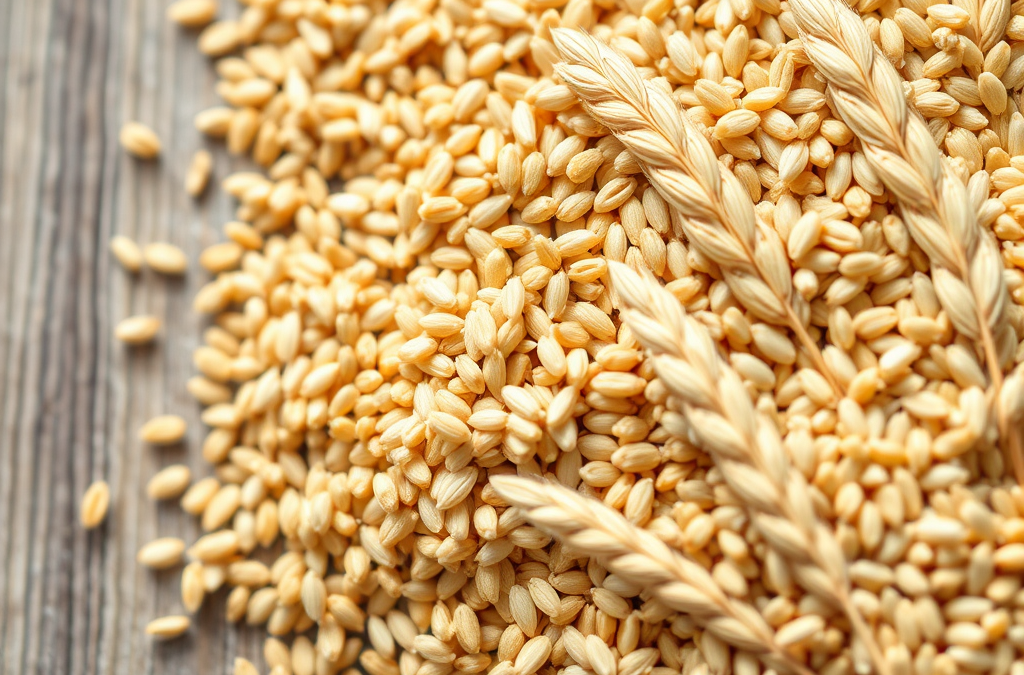
Switching to organic grains calls for checking certification labels, comparing cost and availability, choosing suitable whole-grain forms, and adjusting storage and meal preparation. Organic certification addresses how a grain is produced, but it does not automatically mean the product is whole grain, more nutritious, or free from every contaminant. Compare ingredient lists and package sizes, prioritize foods you eat often, and transition gradually so cooking times and textures do not disrupt meals. Store grains in cool, dry, airtight conditions, especially after buying in bulk, and use reputable food-safety guidance for handling and preparation. A targeted change usually offers better value than replacing every grain at once.
Define What Organic Means for Grains
The first decision is whether the organic label matches the reason you are changing your grain choices. Certified organic grain is produced under an organic standard, but the label does not by itself describe the grain’s milling level, freshness, cooking quality, or nutritional profile. A certified organic white rice and a certified organic brown rice are both organic, yet they differ substantially in fiber, texture, cooking time, and storage needs.
Read the package as two separate questions: how was the grain produced, and what form of grain is in the food? Look for a certification statement or seal appropriate to the market, then inspect the ingredient list. A cereal labeled organic may still contain refined flour, added sugar, or several ingredients that make it quite different from a plain whole grain. Terms such as “multigrain” also require scrutiny because they indicate variety, not necessarily a high proportion of whole grains.

Organic production should not be treated as a guarantee that a product is healthier in every respect. Nutrition depends on the grain, processing, serving size, and the rest of the meal. Organic and conventional grains can both fit a balanced eating pattern. The more useful comparison is often organic whole grain versus conventional refined grain, rather than organic versus conventional alone.
For shoppers uncertain about labels, the what to consider when switching to organic grains checklist should begin with the exact product, not a broad assumption about an entire category. Choose the attribute that matters most—production method, whole-grain content, minimal ingredients, or local availability—and check that attribute consistently.
Compare Nutrition, Cost, and Product Forms
Cost is often the deciding constraint, and the price difference can vary sharply between grain types and package sizes. Organic oats, rice, cornmeal, quinoa, and wheat products may have different premiums depending on supply, processing, and store selection. Compare price per ounce or per cooked serving instead of relying on the shelf price. A larger bag is not a bargain if the grain becomes stale before it is used.
Whole grains retain more of the kernel than refined grains, which generally means more dietary fiber and a different texture. Brown rice, intact barley, steel-cut oats, bulgur, and whole-grain cornmeal are examples of forms that cook and digest differently from polished rice, instant oats, or refined cornmeal. These differences affect satiety, meal timing, and preparation—not merely the label on the package.
Organic does not require replacing every grain immediately. A household might prioritize organic oats used daily while continuing to buy a conventional specialty flour used once a month. Another shopper may choose organic rice because it is readily available but keep a less expensive conventional pasta for a large family meal. Neither approach is inconsistent; both recognize that budget and frequency influence practical value.
Check for fortification when comparing refined products. Some refined grains have nutrients added back after processing, while an unfortified alternative may not provide the same nutrient profile. This does not make one option universally preferable, but it means the ingredient panel and nutrition facts deserve attention. People managing celiac disease, food allergies, diabetes, or a medically prescribed diet should also verify suitability rather than assuming that “organic” addresses those needs.
- Compare the price per unit and expected number of servings.
- Distinguish whole grain, refined grain, and grain-based products.
- Check added sugar, sodium, oils, and flavorings in packaged foods.
- Buy the organic version first for grains that are eaten frequently.
Plan the Kitchen Transition
Switching grain products works best when cooking behavior is part of the plan. Different grains absorb water at different rates, and even two forms of the same grain may need different timing. Brown rice generally takes longer than white rice; steel-cut oats require a different method from quick oats; whole-grain pasta may remain firmer after the package’s suggested cooking time. A direct one-for-one swap can therefore produce meals that seem undercooked, watery, or unexpectedly chewy.
Use a small trial before changing a family-sized recipe. Cook one package according to its directions, record the water ratio and timing, and decide whether the texture works in the meals you actually serve. For a busy weekday routine, quick-cooking organic oats or par-cooked rice may be more realistic than an intact grain that requires soaking and extended simmering. Convenience is not a nutritional failure when it prevents unused food and abandoned meal plans.
Blending familiar and new choices can reduce waste. Mix a new brown rice with a familiar rice only if both components can cook properly, or serve a new grain as a side dish before using it in a large casserole. A household that dislikes a dense whole-grain bread may have better results with seeded bread, bulgur in a salad, or oats in breakfast rather than forcing a single substitute.
A common mistake is judging a grain after one poorly prepared batch. Rinsing, soaking, pan-toasting, or resting after cooking can affect texture, but the suitable method depends on the grain and package instructions. Keep a short note about what worked. That record is more useful than assuming every organic product behaves identically. Recipe ideas and ingredient comparisons can also be organized alongside what to consider when switching to organic grains as the household tests realistic options.
Store and Prepare Grains Safely
Storage matters because grains are shelf-stable but not immune to moisture, heat, insects, oxidation, or unpleasant odors. Whole-grain flours and meals contain more of the kernel’s natural oils than highly refined flours, so they may develop stale flavors sooner, especially in warm storage. Dry intact grains usually tolerate pantry storage well when kept sealed, while whole-grain flour may benefit from refrigeration or freezing if it will not be used quickly.
Transfer bulk purchases to clean, airtight containers and label them with the purchase or opening date. Store containers away from steam, sunlight, and strong-smelling foods. Inspect grains before cooking for dampness, insects, clumping, or an unusual odor. A lower price is not worthwhile if a large bag sits open for months. Smaller packages may cost more per unit but reduce waste and make quality easier to monitor.
Preparation should follow the product’s instructions and applicable food-safety guidance. Wash hands, use clean utensils, and avoid leaving cooked grains at room temperature for extended periods. Cool leftovers promptly, refrigerate them in shallow containers, and reheat only the amount needed. Organic status does not remove ordinary food-safety responsibilities, and rinsing is not a substitute for proper cooking or storage.
Pay attention to special risks. Gluten-free grains such as rice, millet, and quinoa may be naturally gluten-free, but packaged products can be exposed to shared equipment or facilities. Someone with celiac disease should use the manufacturer’s allergen information and a clinician’s dietary guidance rather than relying on the grain name alone. Food-safety concerns, allergies, and medical diets should take priority over an organic preference.
Build a Practical Switching Plan
A measured plan prevents the change from becoming expensive or disruptive. Begin by listing the grains used during a typical week: breakfast oats, sandwich bread, rice at dinner, pasta, baking flour, and snack foods. Rank them by frequency, household acceptance, price difference, and storage risk. This reveals where an organic purchase will have repeated value and where a substitution may create more work than benefit.
Replace one or two high-use items first, then evaluate the result after several meals. Signs that the choice is working include acceptable taste, reliable cooking, manageable cost, and little unused food. Signs of a poor fit include repeated failed batches, rancid flavors, package waste, or a price that forces less balanced meals elsewhere. Those signals call for changing the product, package size, preparation method, or priority—not abandoning the entire idea.
Keep a fallback option for busy days. A household may choose organic rolled oats for regular breakfasts and retain a convenient nonorganic grain product for travel or emergencies. A shopper with limited access to organic products can focus on whole-grain quality and overall dietary variety when a preferred certified option is unavailable. This approach avoids the weak assumption that one label must determine every purchase.
For a simple first pass, use this order:
- Identify the grain foods eaten most often.
- Confirm the organic claim and inspect the ingredient list.
- Compare unit price, package size, whole-grain content, and cooking demands.
- Test one product in a familiar meal.
- Adjust storage and buy quantities based on actual use.
The goal is a durable eating pattern rather than a perfect shopping cart. Readers can use what to consider when switching to organic grains as a recurring review whenever prices, stores, recipes, or household needs change.
Frequently Asked Questions
Are organic grains automatically whole grains?
No. Organic describes production standards, while whole grain describes how much of the kernel remains. Check the product name and ingredient list.
Which grains should be switched first?
Start with frequently eaten products that fit your budget and cooking routine, such as oats, rice, or breakfast cereal.
Do organic grains cost more?
Often, but the difference varies by grain, store, package size, and processing. Compare unit prices and waste rather than shelf prices alone.
How should organic whole-grain flour be stored?
Keep it airtight and away from heat and moisture. Refrigeration or freezing can be useful when the flour will be stored for longer periods.
Can organic grains be gluten-free?
Some grains are naturally gluten-free, but cross-contact can occur during processing. Check labeling and manufacturer information when gluten avoidance is medically necessary.
Conclusion
A successful shift to organic grains depends less on replacing everything and more on making deliberate comparisons. Separate organic certification from whole-grain content, evaluate price per serving, and choose products that suit your cooking time and storage space. Test one high-use grain at a time, record the preparation method, and buy quantities your household can finish while quality is good. Keep food-safety, allergy, gluten, and medical-diet requirements ahead of label preference. If a product costs too much, cooks poorly, or creates waste, change the product or priority rather than forcing the substitution. A focused transition can fit both a realistic budget and a varied, nutrient-conscious meal pattern.
Huge Discount on the Best Certified Organic Nutrient Dense Supplement!