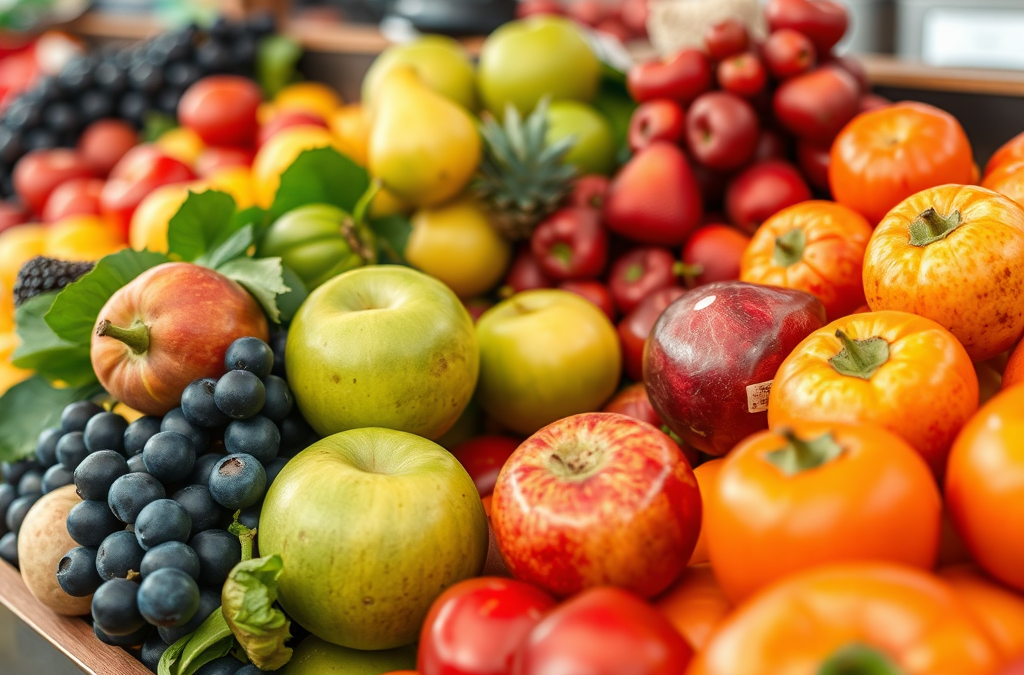
Organic fruits may not always be available because certified growers face seasonal weather, regional growing limits, pest pressure, transportation delays, and certification requirements that reduce supply at particular times. A crop can also be harvested in one region while stores elsewhere wait for shipments or receive fruit that does not meet freshness standards. Organic farms cannot automatically substitute every conventional treatment when disease or insects threaten a harvest, so yields may vary more. Shoppers can improve their options by checking seasonal fruit calendars, visiting farmers markets, accepting frozen or canned organic choices, and comparing the country-of-origin information rather than assuming an empty shelf means organic farming has stopped.
Seasonality and Regional Growing Conditions
Fruit availability begins with biology, not the supermarket calendar. Each fruit needs a particular combination of temperature, daylight, water, pollination, and time to mature. Organic certification does not make a crop grow outside its natural season, so an orchard may have excellent fruit for several weeks and no fresh harvest during the rest of the year.
Regional climate creates another limit. Organic strawberries may be plentiful near a producing area during its harvest window but difficult to find in a colder region at the same time. Citrus, stone fruit, apples, berries, and tropical fruit each move through different production cycles. A retailer serving one area may carry a fruit from another region, but that option depends on harvest timing, transportation capacity, and whether the shipment can arrive in acceptable condition.

Weather can shorten an otherwise predictable season. Late frost may damage blossoms, excessive rain can increase fungal disease pressure, and heat can affect flowering or fruit quality. Drought may reduce fruit size or force growers to prioritize water for established trees. These events do not mean the entire organic sector has failed; they often create a temporary gap in one variety or growing region.
A useful comparison is fresh versus frozen fruit. Fresh organic raspberries may disappear when a harvest is delayed, while frozen organic raspberries can remain available because they were processed near harvest and stored for later sale. Frozen fruit may have a different texture after thawing, but it can still work well in oatmeal, smoothies, sauces, and baked dishes. Planning around the fruit’s growing season usually provides more reliable choices than expecting every variety to be present year-round.
Check a seasonal produce calendar for your region, then use it as a planning tool rather than a rigid rule. Local extension services, farmers markets, and regional farm directories can provide better timing information than a generic national list. If fresh fruit is absent, compare frozen, dried, or shelf-stable organic versions and inspect the package for added sugar or syrup when that matters to your meal plan.
Why Organic Harvests Can Be Smaller or Less Predictable
Organic fruit production uses approved inputs and management practices, but it still faces insects, weeds, plant diseases, and soil constraints. Growers may rely on crop rotation, sanitation, resistant varieties, beneficial insects, physical barriers, pruning, irrigation management, and permitted treatments. Those tools can be effective, yet they do not remove every threat or guarantee the same yield from one season to the next.
Fruit trees and berry plants are especially sensitive to timing. A grower may prevent some problems through careful pruning or monitoring, but a disease that arrives during flowering can affect the crop before fruit develops. Insect damage can also make otherwise edible fruit unsuitable for a retailer that requires a consistent appearance. Organic and conventional farms both experience crop loss; the difference is that the available response options and production economics may vary.
Appearance standards influence what reaches a store. Fruit with minor scarring, uneven color, or unusual shape may be safe and flavorful but rejected by a buyer seeking uniform displays. Organic growers may sell more of that harvest through direct markets, community-supported agriculture programs, preserves, or processing channels. A supermarket shortage can therefore reflect a distribution decision rather than a complete absence of fruit at the farm.
Consider an organic peach orchard after a difficult spring. Fewer peaches may reach market, and the farm may reserve its best-looking fruit for nearby buyers while sending softer or cosmetically imperfect fruit to a processor. A shopper who assumes organic farming should produce identical quantities every year may conclude that the label is unreliable. A more accurate interpretation is that agriculture is variable and that organic supply may be more exposed to certain production constraints in particular seasons.
The practical priority is flexibility. If a recipe requires peaches, select another organic stone fruit when the texture and cooking purpose allow it. If the goal is fiber, vitamin C, or a serving of fruit, apples, pears, citrus, berries, or frozen options may fill the role differently. Nutrient content varies by fruit and storage history, so substitution should match the meal rather than promise an identical nutritional profile.
Supply Chains, Certification, and Store Inventory
Organic fruit must move through a supply chain that preserves both quality and the integrity of its certification claims. Growers, packers, distributors, and retailers need appropriate records and handling controls. When a shipment is delayed, damaged, or difficult to document, a store may have no organic replacement ready even if fruit exists elsewhere.
Distance matters because fresh fruit is perishable. A shipment crossing several states or arriving from another country may require coordinated harvesting, cooling, packing, customs processing, and refrigerated transport. A delay at any point can leave a retailer with fruit that is too soft, bruised, or near the end of its usable life. The store may reduce orders rather than risk waste, which can make availability look inconsistent from week to week.
Certification also creates a practical distinction between “grown with organic methods” and fruit sold with an organic claim. Farmers who use organic practices may still need certification or another legally appropriate pathway before marketing a product as organic, depending on their operation and market. Documentation, inspection, fees, and transition requirements can be difficult for smaller farms. Those business constraints can limit the number of suppliers a retailer can use.
Retail inventory adds another layer. A national chain may stock organic fruit only when a distribution center has enough volume to support regular deliveries. An independent store may source from a nearby farm but lose supply when that farm’s short season ends. Promotional demand, store size, local preferences, and waste concerns also influence shelf space. An empty display is not a reliable measure of total availability.
When shopping, look at more than the front of the display. The package or produce sign may identify the grower, country or region of origin, and whether the item is fresh, frozen, or previously stored. Ask the produce department when the next delivery is expected and whether a similar fruit is available under the same organic standard. For broader context on this subject, readers can review why organic fruits may not always be available alongside information from recognized agricultural and food-safety organizations.
Practical Ways to Shop When Fresh Options Are Limited
A reliable organic fruit plan uses substitution, timing, and preservation rather than treating one missing item as a dead end. Begin by identifying the purpose of the fruit: eating out of hand, adding sweetness to breakfast, supplying acidity to a dish, or contributing fiber and color. That purpose determines which alternatives are reasonable.
For immediate use, compare nearby varieties and forms. Frozen berries can replace fresh berries in cooked foods; unsweetened applesauce can work in some baking applications; canned peaches or pears packed in water may suit a dessert or grain bowl. Dried fruit is compact and durable but more concentrated in natural sugar and easier to overeat. Juice lacks the same fiber structure as whole fruit, so it should not automatically be treated as an equivalent substitute.
Buying at the right time can also improve selection. Farmers markets often provide the clearest view of what is actually in season, while community-supported agriculture shares may offer fruit that is less standardized in appearance. A direct farm purchase may shorten the supply chain, but it can require more storage, less predictable quantities, and travel. Grocery delivery may show more options than a small local shop, yet substitutions and stock changes can occur between ordering and fulfillment.
Use this short decision check when a preferred item is unavailable:
- Need fresh texture? Choose another fruit in season or ask when the next shipment arrives.
- Need reliable nutrition for meals? Keep frozen organic fruit available as a backup.
- Need the lowest waste? Buy only the amount that will be eaten soon and select firmer fruit for later use.
- Need a specific certified claim? Read the package or produce signage instead of relying on a verbal assumption.
A common mistake is buying a large quantity during a brief period of abundance without a storage plan. Soft berries may spoil quickly, while apples, citrus, and some pears generally offer different holding characteristics. Refrigeration, clean containers, and separating damaged pieces can extend usefulness, but no storage method can restore fruit that was already overripe when purchased.
Keep a small rotation of adaptable foods rather than chasing a single fruit every week. Oats with frozen berries, yogurt with sliced apples, or a savory salad with citrus can preserve variety even when one harvest is delayed. Readers looking at the wider nutritional context can also use organic fruit availability as a prompt to compare fresh, frozen, and minimally processed choices instead of judging quality by shelf presence alone.
Frequently Asked Questions
Does limited availability mean organic fruit is lower quality?
No. A shortage may reflect seasonality, weather damage, transportation, retailer ordering, or cosmetic standards rather than poor quality. Inspect the fruit and label when it is available.
Why is organic fruit sometimes available frozen but not fresh?
Frozen fruit can be processed near harvest and stored, while fresh fruit must survive handling and transport within a shorter quality window.
Can weather affect organic fruit more than conventional fruit?
Weather affects both systems. Organic growers may have a different set of permitted tools for managing pests and disease, so some seasons may produce larger supply differences.
What should I buy when my preferred organic fruit is missing?
Choose a seasonal substitute with a similar culinary purpose, or use frozen fruit. Check labels for added sugar when selecting canned or dried alternatives.
How can I find out when organic fruit will return?
Ask the produce department, contact local farms, check farmers market listings, and consult regional seasonal calendars. Delivery timing can change with harvest and transport conditions.
Conclusion
Organic fruit availability reflects the interaction of harvest seasons, weather, farm management, certification, transportation, retailer demand, and freshness standards. A missing item does not necessarily signal a failure of organic agriculture or a lack of fruit at the farm. It may indicate that one region is between harvests, a shipment was delayed, or a store chose not to risk spoilage.
Plan around seasonal supply, keep frozen or shelf-stable options for practical backup, and judge substitutes by their use in a meal rather than by appearance alone. Read the label, ask when deliveries are expected, and compare local farms with larger retailers when convenience or choice matters. Flexible shopping makes it easier to maintain varied fruit intake without paying for poor-quality stock or treating year-round availability as the only measure of a sound food system.
Huge Discount on the Best Certified Organic Nutrient Dense Supplement!

Further Reading
Authoritative Sources
- Organic foods: Are they safer? More nutritious?
mayoclinic.orgPeople who eat recommended levels of vegetables, fruits and whole grains can limit their pesticide contact by choosing organic options.
- Do I Need To Buy Organic Food for My Kids?
kckidsdoc.comSeasonal produce is often less expensive than out-of-season items. Often, organic and non-organic seasonal selections will have very similar price points.
- The Truth About Real Organic Food In The Supply Chain
realorganicproject.orgThey explained that eaters are losing the choice to support better products because those products simply can't find their way to the shelves.