
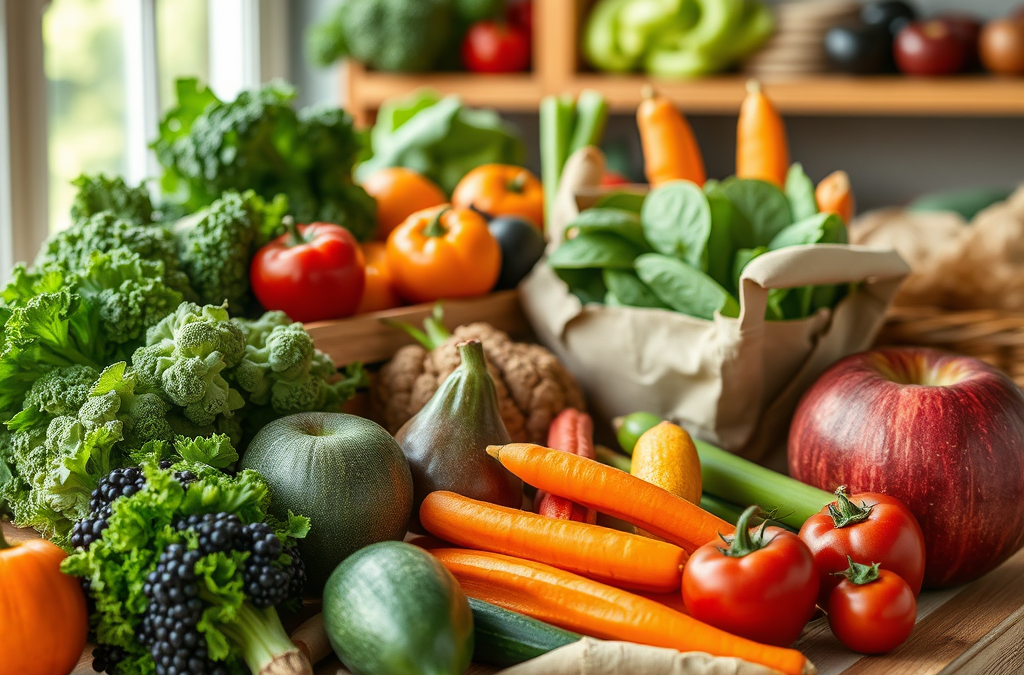
If organic produce causes allergy symptoms, stop eating the suspected item, seek urgent care for breathing trouble or swelling, and arrange evaluation with an allergist rather than assuming the organic label is responsible. Reactions may involve the produce itself, pollen-related oral allergy syndrome, handling residues, or cross-contact during packing and preparation. Record the exact food, form, portion, timing, symptoms, and whether cooking changed the reaction. Until the cause is clearer, avoid the suspected item, use tolerated alternatives, read packaged-food labels, and do not conduct home re-challenges after a severe reaction.
Separate Organic Certification From the Allergy Trigger
Organic produce can trigger a reaction for the same basic reason conventionally grown produce can: a person’s immune system may recognize proteins in the plant as a threat. Organic certification describes permitted production and handling practices; it does not remove naturally occurring allergenic proteins from apples, peaches, celery, carrots, tomatoes, or other crops. A reaction after eating an organic item therefore deserves attention, but the label alone does not identify the cause.
Several explanations can fit the same experience. The produce may contain a genuine food allergen, or raw fruit may cross-react with pollen proteins in people who have seasonal allergies. A person may react to a preservative, seasoning, dip, or packaged ingredient eaten alongside the produce. Contact with sap, residue, latex gloves, or a cleaning product can produce a skin reaction without proving that eating the food is unsafe. Cross-contact can also occur in a cutting area, container, or shared utensil.

Consider a person who develops an itchy mouth after eating a raw organic apple but tolerates applesauce. That pattern may fit pollen-related oral allergy syndrome, although it is not a diagnosis. Another person who develops hives, vomiting, or wheezing after a small amount of raw or cooked apple needs a more cautious assessment. Treating both situations as a simple preference for one farming method can delay appropriate care.
A common mistake is switching immediately to all-conventional produce as though it were automatically safer. That change may not remove the relevant protein and can make it harder to identify the actual trigger. The useful comparison is not organic versus conventional; it is suspected food versus tolerated food, raw versus cooked form, isolated ingredient versus mixed meal, and eating exposure versus skin contact. Use the what to do if you have allergies to organic produce checklist to keep those distinctions clear while arranging medical advice.
Recognize Symptoms and Identify Urgent Warning Signs
Symptoms determine how cautiously you should respond after eating suspected produce. Mild, localized mouth itching can occur with pollen-food cross-reactions, while hives, facial swelling, repeated vomiting, throat tightness, coughing, faintness, or breathing difficulty may indicate a more serious allergic reaction. Symptoms can appear quickly, but timing varies, so an episode that develops after leaving the meal should not automatically be dismissed.
Seek emergency help immediately for trouble breathing, throat or tongue swelling, fainting, confusion, widespread hives with other body symptoms, or rapidly worsening signs. If a clinician has prescribed epinephrine for a known allergy, use it according to that personalized plan and follow emergency instructions. Do not wait to see whether an alarming reaction settles after drinking water or taking an unprescribed remedy. A food allergy emergency can progress beyond the original symptom.
Not every unpleasant response is an allergy. Gas, abdominal discomfort, reflux, oral irritation from acidic foods, and foodborne illness may have different causes. A rash limited to the area touched by a cut fruit could reflect contact irritation, whereas symptoms affecting several body systems after swallowing the food warrant a higher level of concern. These distinctions cannot safely be made from a website alone, especially after a first reaction.
Write down what happened while details are fresh: the produce item, amount, raw or cooked form, other ingredients, exercise or alcohol around the meal, medications, symptoms, and time of onset. Photograph visible hives or swelling if possible. Avoid the common failure mode of testing the same food again simply because the first reaction seemed mild. Reactions are not reliably predictable, and a later exposure can be more extensive.
Track the Food, Preparation, and Timing
A short exposure record gives an allergist more useful information than a general statement that “organic food” caused symptoms. Record the exact cultivar or product when known, where it was purchased, whether it was washed, peeled, chopped, juiced, dried, or cooked, and what else was eaten. Include sauces, granola, smoothies, nut toppings, spices, and drinks because a mixed recipe may contain the true trigger.
Preparation can change the pattern without proving safety. Heat may alter some proteins involved in pollen-related oral symptoms, so a person might tolerate cooked fruit but not the raw version. Heat does not make every food allergy safe, and cooking may not remove the risk from a stable allergen. Peeling may reduce exposure to some surface compounds or residues, but it is not a dependable solution for an allergy to the food’s internal proteins.
Handling details matter as well. If symptoms occur only when cutting a vegetable, note whether they involve the hands, lips, or eyes and whether gloves or a shared cutting board were involved. If several people become ill after the same meal, foodborne contamination deserves consideration rather than an assumption about organic farming. A symptom diary cannot diagnose any of these conditions, but it can reveal whether the pattern follows one ingredient, a preparation method, or a setting.
Keep the record practical rather than eliminating dozens of foods. A useful entry might say: “Raw organic peach, half a fruit, mouth itching within minutes; no symptoms with cooked peach on a previous occasion,” or “Organic salad with dressing, hives after 30 minutes; other ingredients not isolated.” That precision helps a clinician decide whether testing, supervised challenge, or evaluation for pollen sensitivity is appropriate. Do not deliberately recreate a severe reaction at home. The safer alternative is a medically supervised process when a challenge is considered at all.
Build Safer Produce and Meal Alternatives
Until the suspected trigger is assessed, replace it with foods you already tolerate rather than removing an entire food group. If raw peaches seem problematic, tolerated options might include berries, melon, or cooked fruit, depending on personal history and clinician advice. If raw carrots cause mouth symptoms, cooked vegetables such as green beans, squash, or potatoes may provide variety while the pattern is investigated. These are examples, not universal substitutions; related foods can share proteins, and individual reactions differ.
Preserve nutritional balance during an avoidance period. Removing fruit can reduce vitamin C, fiber, and carbohydrate options; removing vegetables can narrow potassium, folate, and fiber sources. Whole foods remain useful, but fortified foods or other tolerated ingredients may fill gaps when choices become limited. A registered dietitian can help when several fruits or vegetables are being avoided, particularly for children, pregnancy, older adults, or anyone with a restricted diet.
Read labels on prepared produce products such as smoothies, salads, vegetable dips, frozen blends, and dried-fruit snacks. A plain whole item is easier to evaluate than a product containing multiple ingredients and shared equipment warnings. Washing produce can reduce dirt and some surface contamination, but it does not eliminate allergy risk. Do not rely on buying a different brand, choosing a farmers market, or selecting a more expensive organic version to neutralize a suspected food allergy.
A compact safety plan can include:
- Stop the suspected food and record the exposure rather than repeatedly testing it.
- Keep tolerated meals simple while the ingredient list is being reviewed.
- Tell household members which item is being avoided and prevent cross-contact with knives, boards, and containers when appropriate.
- Ask a clinician whether an emergency medication plan is needed based on the reaction history.
The plan is failing if symptoms continue despite avoiding the named produce, occur with unrelated meals, or are becoming more severe. Those patterns point toward hidden ingredients, cross-contact, another medical issue, or a broader allergy pattern and should prompt professional review.
Prepare for Allergy Testing and Long-Term Management
An allergist evaluates the history before interpreting tests. Skin-prick or blood testing may provide clues, but a positive result does not automatically prove that eating the food causes symptoms, and a negative result may not explain every reaction. The timing, symptom pattern, food form, and medical background determine what testing means. Bring the exposure log, product labels, photographs, and a list of medications to the appointment.
Ask focused questions: Could this fit pollen-food allergy syndrome? Does the reaction suggest contact exposure or a foodborne problem? Should related produce be avoided? Is cooked form appropriate to discuss, or should the food be avoided completely? Should the household have an emergency action plan? These questions are more useful than asking whether organic produce is generally safe, because safety depends on the individual’s trigger and response.
Long-term management may involve avoiding one food, avoiding a related group, changing preparation, or maintaining access to carefully selected tolerated foods. Do not expand restrictions based solely on internet lists of cross-reactive foods. Some people react to one item while tolerating botanically related foods; others need broader precautions. Children should not be placed on a major elimination diet without pediatric or dietetic input because unnecessary restriction can affect growth, eating confidence, and nutrient intake.
Another weak assumption is that a food tolerated for years cannot become relevant. New symptoms deserve assessment even when the item was previously routine. Conversely, a single episode does not establish a lifelong allergy. Professional evaluation balances the danger of accidental exposure against the nutritional and practical cost of unnecessary avoidance. Until that balance is clear, carry the information needed to explain the suspected trigger, inform restaurants or caregivers, and follow any personalized emergency instructions.
Frequently Asked Questions
Can organic produce cause a food allergy?
Yes. Organic production does not remove the natural proteins that can trigger allergy. The reaction may also come from another ingredient, cross-contact, or pollen-related sensitivity.
Should I switch from organic to conventional produce?
Not as the main safety measure. If the produce itself is the trigger, changing the farming label may not change the allergen. Avoid the suspected item and seek an evaluation.
Is cooked produce safer than raw produce?
Cooking may reduce symptoms for some pollen-related oral reactions, but it does not reliably make every food allergy safe. Discuss any trial with a clinician, especially after systemic symptoms.
What details should I record after a reaction?
Note the exact food, amount, raw or cooked form, ingredients eaten with it, preparation and handling, time of onset, symptoms, medication, and whether symptoms returned.
When should a reaction be treated as an emergency?
Breathing difficulty, throat or tongue swelling, faintness, confusion, rapidly worsening symptoms, or widespread hives with other symptoms require emergency help. Follow any prescribed emergency plan.
Conclusion
A reaction after eating organic produce should be investigated by the food and its exposure pattern, not explained by the organic label alone. Stop the suspected item, document its form and timing, review every ingredient in mixed meals, and treat breathing problems, swelling, faintness, or rapidly worsening symptoms as emergencies. Keep meals nutritionally varied with foods you already tolerate, but avoid broad elimination lists and unplanned home challenges. An allergist can distinguish a likely food allergy from pollen-related oral symptoms, contact irritation, cross-contact, or another cause, while a dietitian can protect nutrient intake if restrictions expand. The next practical step is a clear symptom record and a medical appointment that addresses both safety and the cost of unnecessary avoidance.
Huge Discount on the Best Certified Organic Nutrient Dense Supplement!