Oct 4, 2026 | Food
Organic cucumbers stay freshest when they are firm, dry, uncut, and refrigerated away from ethylene-producing fruit, then used in meals before soft spots or slippery areas develop. Keep them unwashed in a breathable or loosely closed bag with a dry towel to manage excess moisture.
Sep 26, 2026 | Food
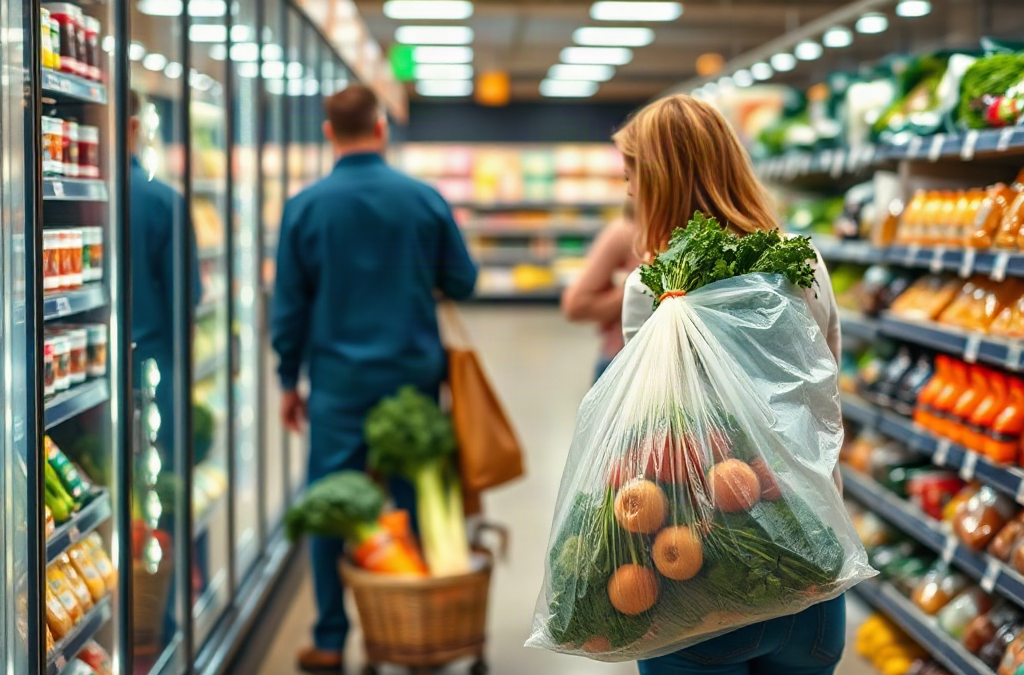
Shopping trip routes that protect frozen organic foods place the freezer aisle last, move directly from checkout to a pre-cooled insulated bag, and make home the next stop. Group frozen vegetables, fruit, meals, and desserts together so the packages help retain cold, while separating them from hot prepared items.
Sep 25, 2026 | Food
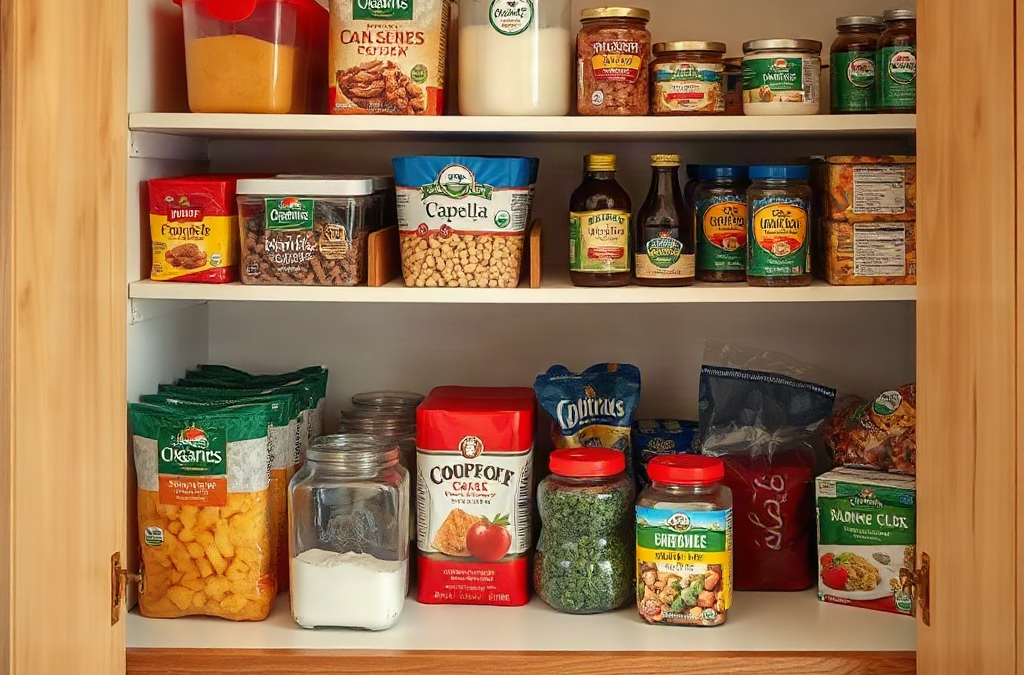
A practical home pantry rotation system for organic staples uses three zones: everyday stock, reserve packages, and use-first items nearing their quality date. Record purchase or opening dates, place older packages ahead of newer ones, and inspect grains, flours, nuts, oils, beans, and dried fruit for moisture, pests, damaged seals, or rancid odors before use.
Sep 22, 2026 | Food
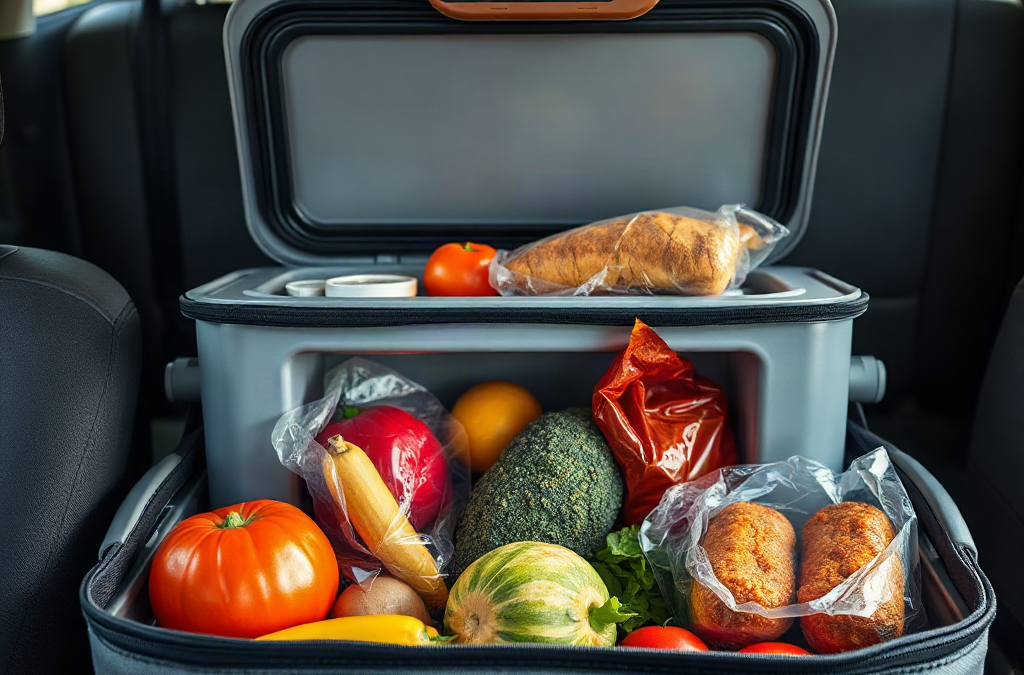
Keep perishable organic foods in a travel cooler at 40°F (4°C) or below, checking an appliance thermometer before departure, at meal stops, and whenever the cooler has been opened repeatedly or left in a warm place.
Sep 21, 2026 | Food
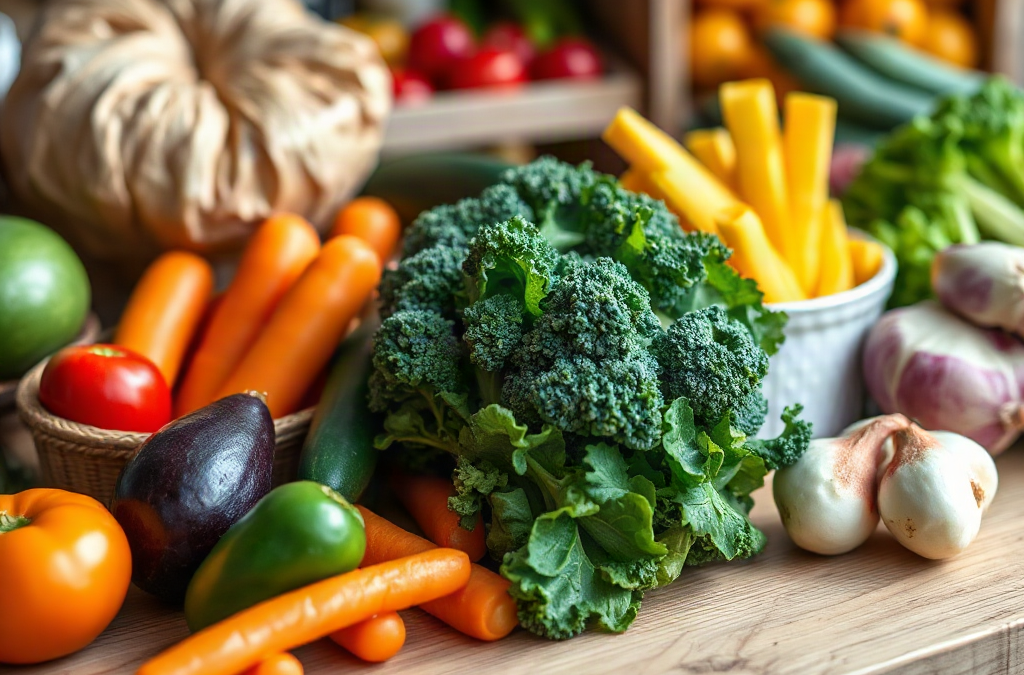
Food diary measurements for evaluating organic diet quality should track what was eaten, portion size, food-group balance, processing level, and which ingredients were verified organic. Record meals soon after eating, separate organic status from nutritional value, and review patterns across at least several typical days rather than judging one meal.
Sep 19, 2026 | Food
Explore budget prioritization for organic foods with limited spending through food budget before choosing, considering the conditions that change the outcome.