Sep 19, 2026 | Food
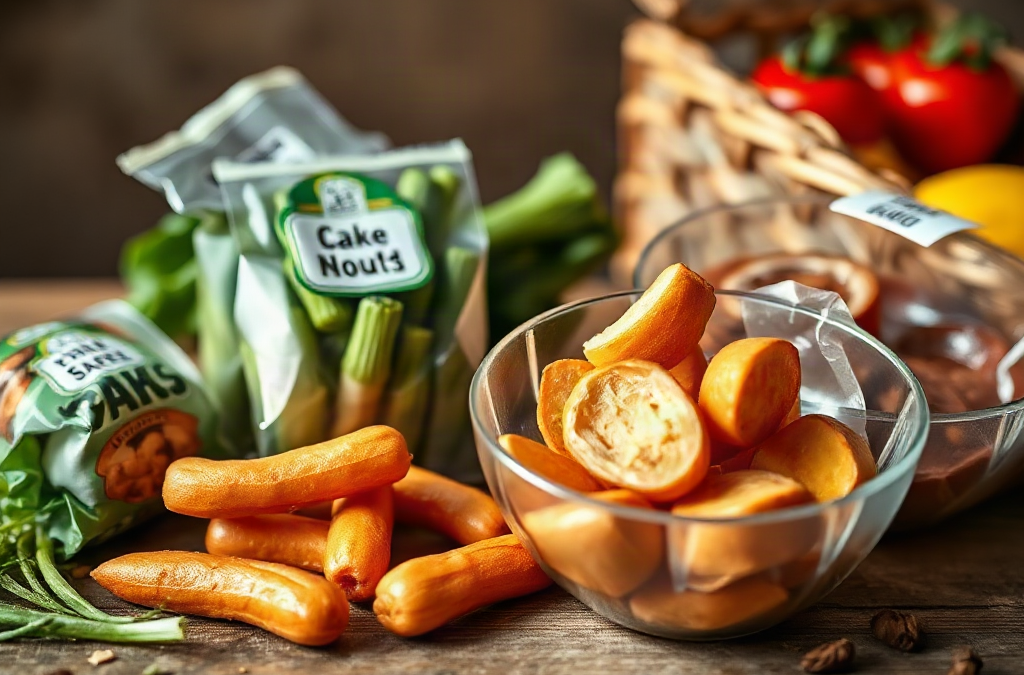
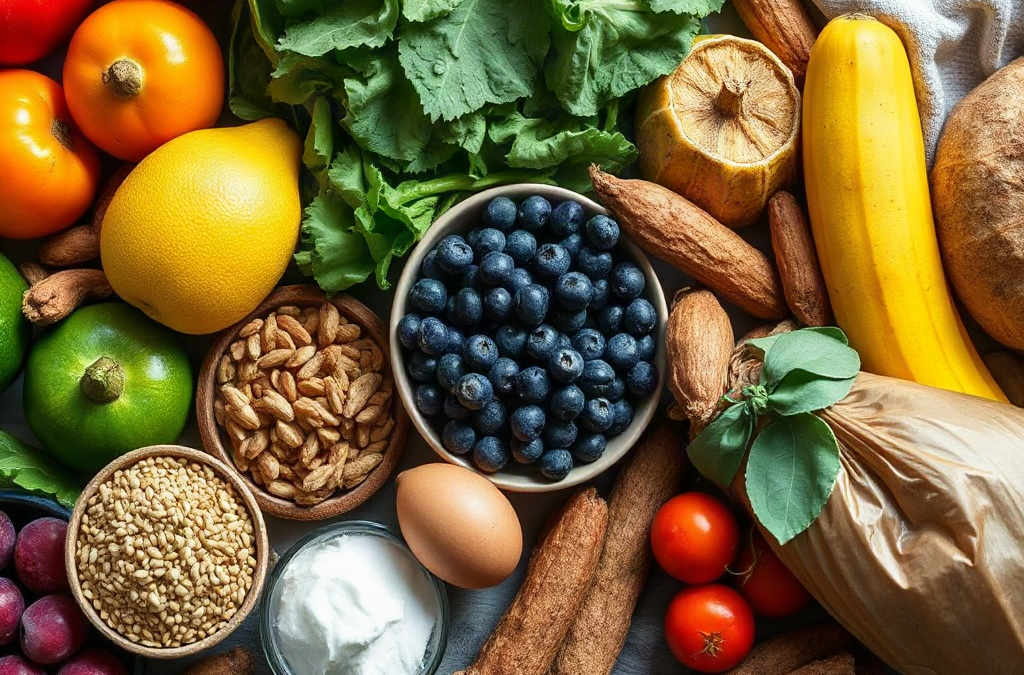
Date labels can help judge organic food spoilage only when they are read alongside storage history, package condition, and food-specific warning signs. “Best if used by” generally describes expected quality, while “use by” may reflect quality or a manufacturer’s recommended endpoint rather than a universal safety cutoff; infant formula is…
Sep 17, 2026 | Food
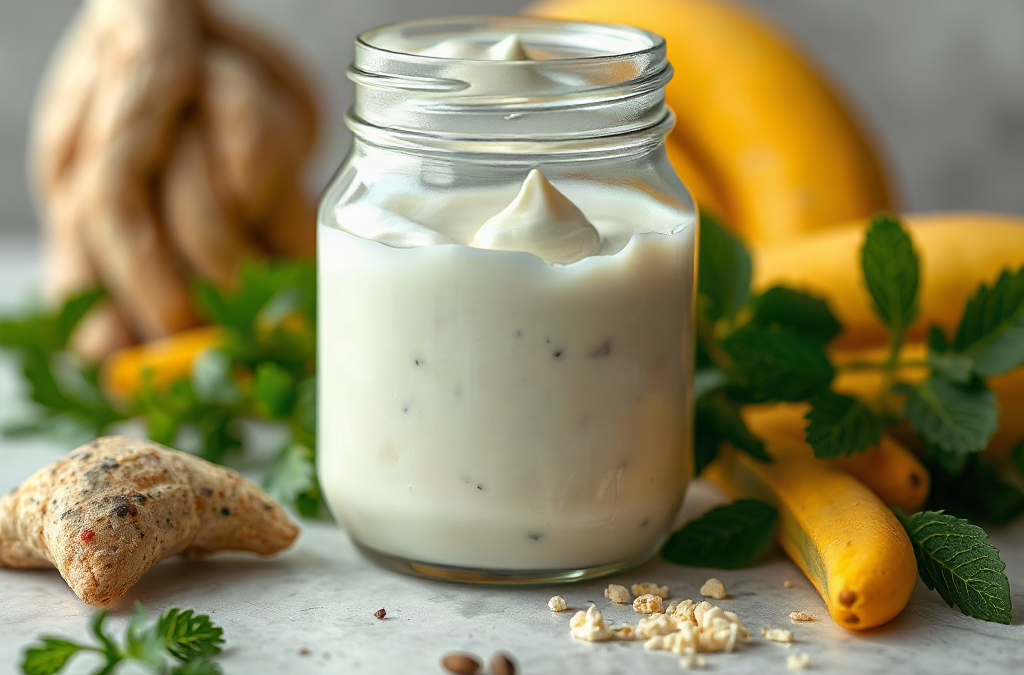
Organic foods can reduce added sugar intake when they replace sweetened staples with unsweetened fruit, vegetables, whole grains, legumes, dairy, nuts, and seeds. The organic label governs production methods, not sugar content, so flavored organic yogurt, cereal, granola, sauces, and drinks may still contain substantial added sweeteners.
Sep 17, 2026 | Food
Organic fermented foods and probiotic expectations should be based on the specific food, living cultures, storage conditions, and the limited claims a label can support—not on the word “organic” alone. Yogurt with active cultures, refrigerated sauerkraut, kimchi, kefir, and certain fermented vegetables may provide live microorganisms, but heat treatment, pasteurization…
Sep 16, 2026 | Food
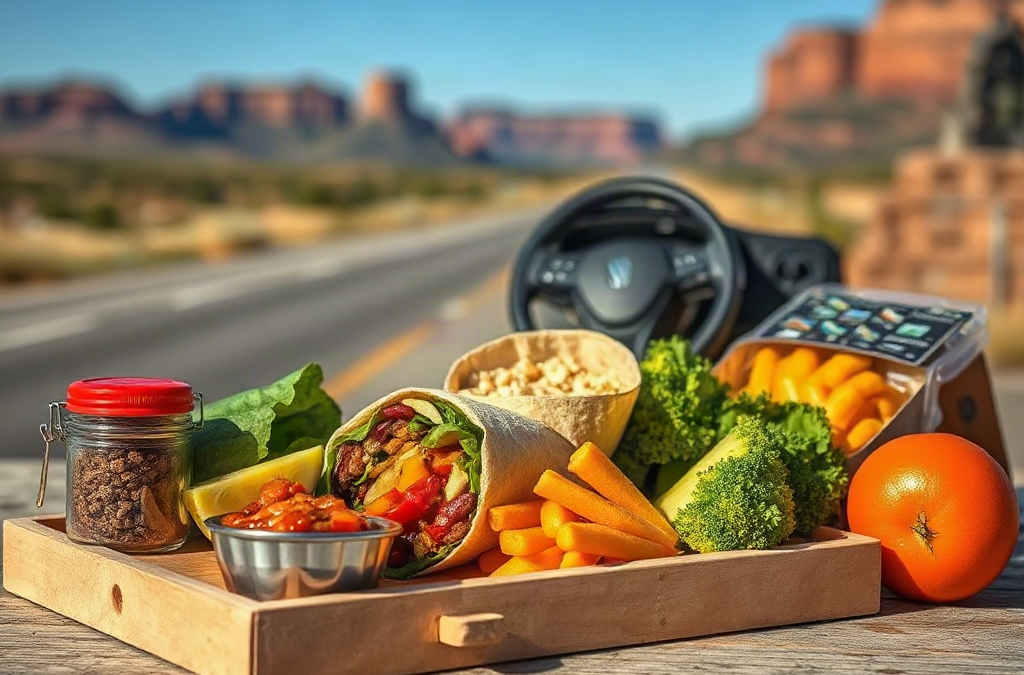
Travel-day organic food options for balanced portable meals work best when they combine a durable carbohydrate, protein, produce, and a safe temperature plan. Pack items such as whole-grain wraps, nut or seed butter, roasted chickpeas, apples, carrots, and a chilled bean-and-grain salad so energy is steadier than with pastries or candy alone.
Sep 12, 2026 | Food
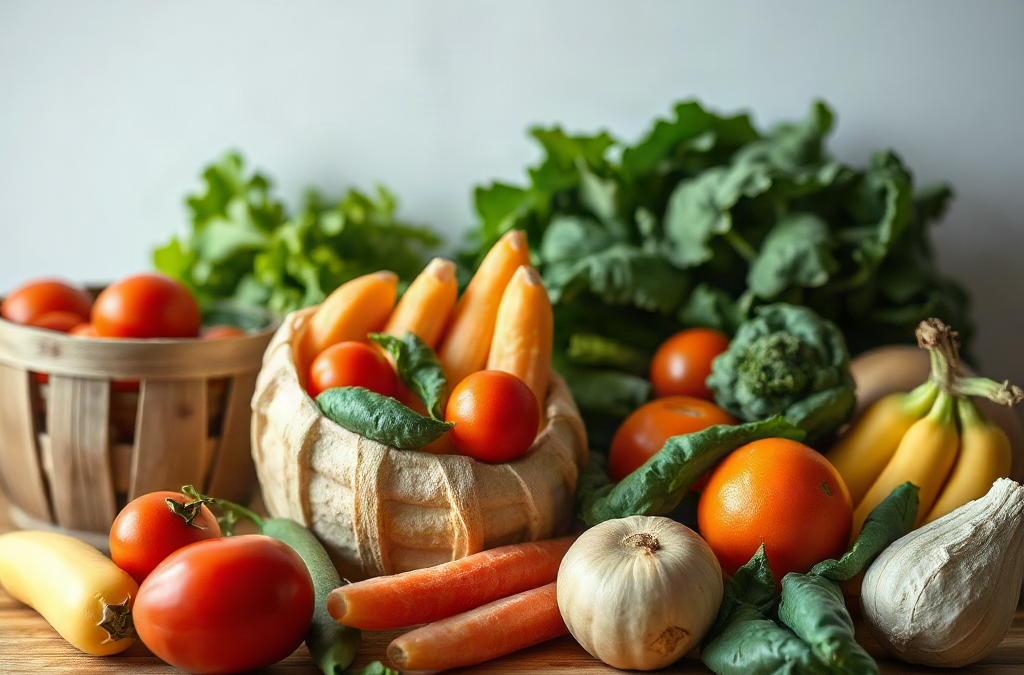
Organic food choices during pregnancy should prioritize safe handling, nutrient density, and lower exposure to avoidable pesticide residues rather than relying on the organic label alone. Choose well-washed produce, pasteurized dairy, fully cooked eggs and meats, low-mercury seafood, beans, whole grains, nuts, and fortified foods to cover folate, iron, iodine…
Sep 12, 2026 | Food
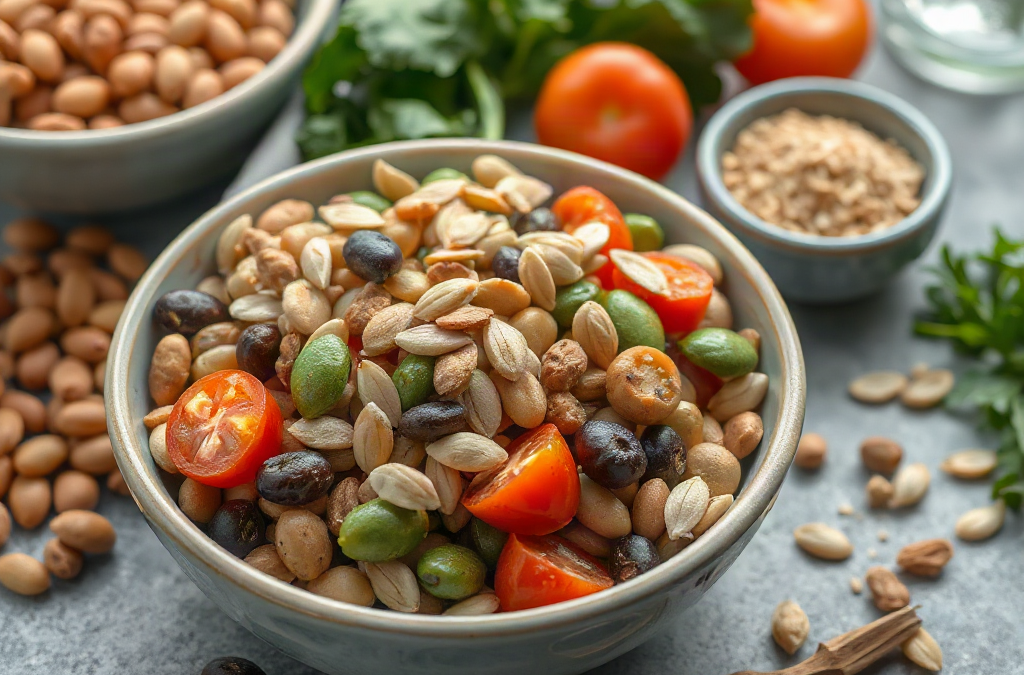
Organic foods that support iron absorption at meals include beans, lentils, tofu, leafy greens, pumpkin seeds, and iron-fortified grains paired with vitamin C sources such as peppers, citrus, tomatoes, kiwi, or broccoli. Vitamin C can improve absorption of nonheme iron, while tea, coffee, and large amounts of calcium consumed with…