Organic food choices during pregnancy should prioritize safe handling, nutrient density, and lower exposure to avoidable pesticide residues rather than relying on the organic label alone. Choose well-washed produce, pasteurized dairy, fully cooked eggs and meats, low-mercury seafood, beans, whole grains, nuts, and fortified foods to cover folate, iron, iodine, calcium, choline, protein, and omega-3 fats. Organic certification can guide purchasing, but it does not make raw sprouts, unpasteurized products, undercooked foods, or contaminated produce safe. Build meals around affordable staples, compare labels for fortification, and ask a prenatal clinician about supplements because food choices alone may not meet every pregnancy nutrient requirement.
How to Prioritize Safety and Nutrition
Pregnancy changes the standard for food decisions because a nourishing choice must also be handled and prepared safely. Organic certification addresses how certain agricultural products are produced, but it does not replace washing, refrigeration, pasteurization, or thorough cooking. A conventional apple that is washed carefully may be a safer choice than an organic raw sprout, while a pasteurized organic yogurt can provide protein and calcium without the risks associated with unpasteurized dairy.
The most useful approach is to rank priorities instead of treating the word “organic” as a complete health assessment. First consider food safety, then nutrient contribution, freshness, affordability, and personal preferences. Folate, iron, iodine, choline, calcium, vitamin D, protein, and omega-3 fats deserve particular attention because pregnancy increases demand for several of these nutrients. A varied pattern makes it easier to cover gaps than a narrow menu built around expensive specialty products.
For example, a breakfast of fortified oatmeal with berries, walnuts, and pasteurized milk may offer more practical nutritional value than an organic snack bar with a long ingredient list and little protein. The bar is not automatically a poor choice, but its label should be checked for added sugar, fortification, allergens, and serving size. Whole or minimally processed foods generally make it easier to identify what a meal contributes, while fortified foods can be useful when they supply nutrients that are difficult to obtain consistently.
A common mistake is assuming that organic status means a product is pesticide-free, bacteria-free, more nutrient-dense, or suitable in unlimited amounts. Organic production can reduce exposure to some agricultural chemicals, but residues and environmental contaminants are not the only pregnancy concerns. Food preparation, storage, contamination, and the nutritional pattern across the day remain decisive. Use the organic label as one purchasing factor, not as a substitute for a prenatal care plan or food-safety judgment.
Produce, Dairy, Protein, and Seafood Decisions
Produce is valuable during pregnancy because fruits and vegetables provide fiber, potassium, folate, vitamin C, and many protective plant compounds, yet fresh appearance and organic certification do not remove contamination concerns. Rinse produce under running water, rub firm items such as apples and cucumbers, and use a clean brush for thick-skinned produce. Avoid soap or commercial detergents, which can leave residues and do not reliably solve contamination problems. Refrigerate cut fruit and vegetables promptly, and separate them from raw meat and seafood during preparation.
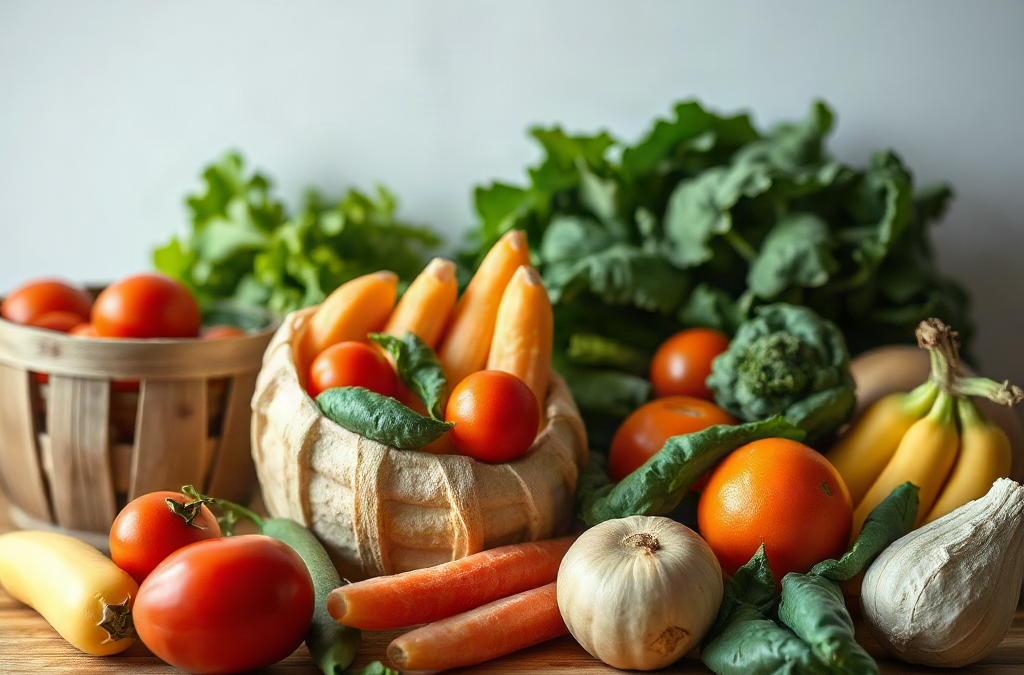
Leafy greens, berries, carrots, sweet potatoes, beans, and citrus can fit well into a pregnancy eating pattern. Frozen organic vegetables and fruit are also practical; they may cost less, last longer, and retain useful nutrients because they are processed soon after harvest. Fresh is not automatically better when it spoils before it is eaten. If budget pressure is high, buying conventional produce, washing it properly, and spending savings on nutrient-dense protein or fortified foods may be a sensible tradeoff.
Dairy and protein foods require closer attention to processing. Choose pasteurized milk, yogurt, cheese, and juices, whether organic or conventional. Eggs, poultry, meat, and seafood should be cooked thoroughly, with cross-contamination prevented by separate cutting boards and careful handwashing. Beans, lentils, tofu, nut butters, and cooked legumes offer useful alternatives when meat is expensive or unappealing. A meal such as lentil chili with tomatoes and a side of bell pepper combines plant protein and iron-containing foods with vitamin C, which may help the body use nonheme iron more efficiently.
Seafood presents a benefit-and-risk comparison rather than a simple avoid-or-eat decision. Lower-mercury choices such as salmon, sardines, shrimp, pollock, and trout can provide protein and omega-3 fats, while certain large predatory fish accumulate more mercury. Follow current advice from a prenatal clinician or public health authority for species and serving frequency, especially when fish is locally caught. Avoid raw or undercooked seafood, refrigerated smoked seafood unless it is cooked, and products with uncertain storage. The mistake to avoid is focusing on organic labeling while overlooking mercury guidance or cooking temperature.
Building Affordable Organic Meals
Organic eating during pregnancy works best when it is built around repeatable meals rather than an all-or-nothing shopping rule. Start with a few staples that store well: oats, brown rice, whole-grain pasta, dried or canned beans, lentils, eggs, frozen vegetables, plain yogurt, nut butter, and seasonal produce. Organic versions can be selected where they fit the budget, while conventional equivalents can still contribute valuable nutrients. The nutritional pattern matters more than making every ingredient carry the same label.
A simple plate structure can make decisions easier: include a protein source, a carbohydrate-rich whole food, produce, and a source of fat. For lunch, that might mean an organic bean and quinoa bowl with cooked vegetables, avocado, and pasteurized cheese. For dinner, roasted sweet potato, fully cooked salmon, and steamed broccoli provide different nutrients and textures without requiring specialty ingredients. If nausea limits meal size, smaller combinations such as toast with egg, yogurt with oats, or a smoothie made with pasteurized milk may be more manageable than a large plate.
Cost and access create real constraints. Farmers’ market availability varies, organic products may have shorter shelf life, and household refrigeration or cooking time may be limited. Frozen vegetables, canned beans, shelf-stable whole grains, and store-brand organic products can reduce waste. Check canned-food labels for sodium if swelling or blood-pressure concerns have been discussed with a clinician, but do not discard convenient foods simply because they are packaged. Rinsing canned beans can reduce some surface sodium, although it does not remove all of it.
Planning fails when it depends on ideal energy and time every day. Keep at least two quick options available, such as hard-cooked eggs prepared safely in advance, unsweetened yogurt, fruit with nut butter, or whole-grain crackers with hummus. A visible shopping list can prioritize foods that cover nutrients rather than merely foods marketed as “clean.” Link this planning with Organic food choices during pregnancy so the label question stays connected to the wider eating pattern. If appetite, vomiting, allergies, or dietary restrictions make variety difficult, individualized advice is more useful than adding increasingly expensive products.
Labels, Supplements, and Common Mistakes
Reading labels matters because “organic” and “natural” do not describe the same thing, and neither term guarantees a balanced product. Look for pasteurization where relevant, ingredient lists that match the food’s intended use, fortification with nutrients such as iodine or vitamin D when appropriate, and storage instructions. A packaged organic cereal can be useful if it supplies whole grains and fortification, but a sweetened product may not function like a daily staple. Compare the nutrition panel with the rest of the meal instead of judging the front of the package.
Supplements deserve separate attention. A prenatal supplement may provide nutrients that are difficult to obtain consistently from food, but formulas differ in iron, iodine, vitamin D, folate, choline, and other ingredients. More is not automatically better; excessive intake of some nutrients can be harmful, and herbal products marketed as natural are not automatically established as safe during pregnancy. Ask a qualified prenatal clinician or pharmacist before adding supplements, changing doses, or combining a prenatal product with a separate multivitamin.
Several weak assumptions commonly distort shopping decisions. Organic sugar is still sugar, organic juice does not replace whole fruit, and organic deli meat remains a product that requires attention to storage and heating guidance. “Fresh” does not necessarily mean more nutritious if the food has been stored for a long time, while frozen produce can be a reliable alternative. A label can also distract from a missing food group: an organic cracker may be acceptable as part of a snack, but it does not replace a protein source or a meal containing vegetables.
Use a short check before buying or serving a product:
- Is it pasteurized when pasteurization is relevant?
- Will it be washed, refrigerated, or cooked correctly?
- What nutrient does it add to the meal?
- Is there a lower-cost fresh, frozen, or minimally processed alternative?
- Does a medical condition, allergy, dietary pattern, or clinician recommendation change the choice?
That checklist is more protective than pursuing a perfect organic basket. For additional context, connect these decisions with Organic food choices during pregnancy and discuss persistent nausea, food insecurity, anemia concerns, or restrictive diets during prenatal care. The goal is a safe, varied pattern that can be maintained, not a shopping standard that creates unnecessary stress.
Frequently Asked Questions
Is organic food safer during pregnancy?
Organic certification may reduce exposure to some agricultural chemicals, but it does not eliminate germs, mercury, or risks from raw and unpasteurized foods. Washing, refrigeration, and cooking remain necessary.
Which organic foods are most useful during pregnancy?
Prioritize vegetables, fruit, beans, lentils, whole grains, eggs, pasteurized dairy, tofu, nuts, and lower-mercury seafood. Choose foods based on nutrient contribution, safety, availability, and cost.
Can pregnant people eat organic eggs and meat?
Yes, when eggs and meat are stored and cooked safely. Organic status does not make raw or undercooked animal foods safe, so follow careful preparation practices.
Should all produce be organic during pregnancy?
No. Organic produce can be part of a pregnancy diet, but properly washed conventional produce is also a practical option. Frozen produce may reduce waste and fit a tighter budget.
Do organic foods replace prenatal vitamins?
No. A varied diet supports nutrition, but a prenatal supplement may still be recommended because needs differ and some nutrients are difficult to obtain consistently from food. Ask a prenatal clinician before changing supplements.
Conclusion
Smart organic food choices during pregnancy combine label awareness with food-safety discipline and a broad nutrient pattern. Choose pasteurized dairy, thoroughly cooked protein, washed produce, lower-mercury seafood, legumes, whole grains, and fortified foods that fit your budget and appetite. Organic products may be worth prioritizing for personal or environmental reasons, but they should not displace more basic protections such as refrigeration, separation of raw foods, and adequate cooking. Review prenatal supplements with a clinician rather than assuming food or an “all natural” product covers every requirement. A flexible plan using fresh, frozen, canned, organic, and conventional foods can be both safer and more sustainable than an expensive rule that is difficult to maintain.
Huge Discount on the Best Certified Organic Nutrient Dense Supplement!