Sep 11, 2026 | Food
Fiber targets from organic fruits, vegetables, and grains are easiest to meet by combining produce at meals with beans, oats, brown rice, or other intact grains rather than relying on one food. A useful pattern is to build toward the daily amount appropriate for your age, sex, and energy needs…

Sep 11, 2026 | Food
Explore meal timing for steady energy from organic foods through why meal timing, including practical limits and conditions that change the outcome.
Sep 8, 2026 | Food
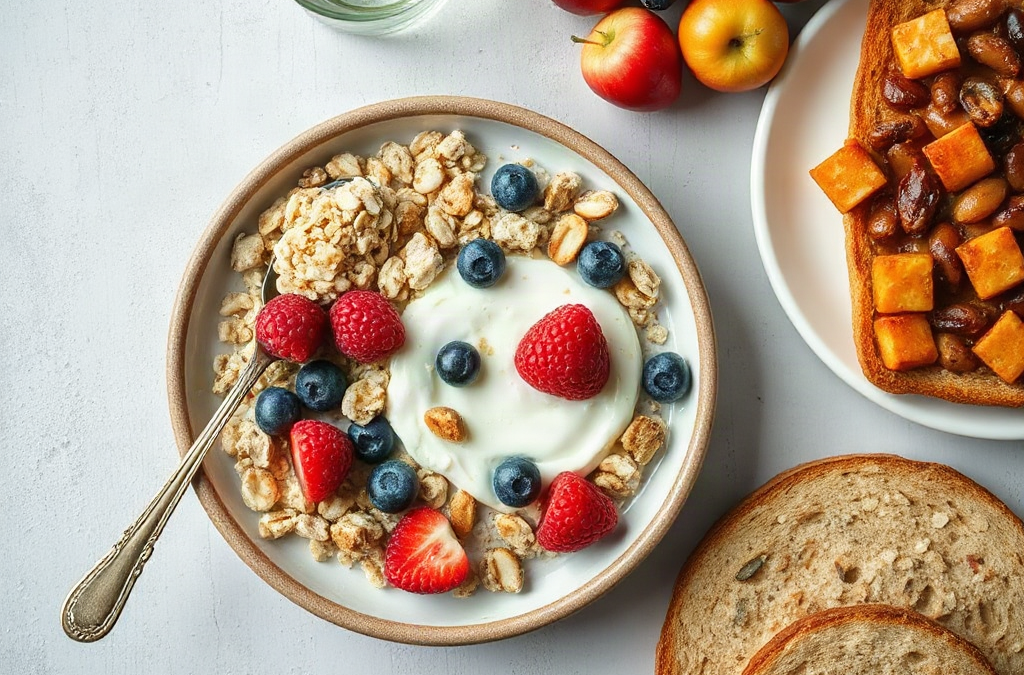
Organic breakfast options beyond sugary cereals include plain oats with berries and nuts, eggs with whole-grain toast, unsweetened yogurt with seeds, and bean or vegetable breakfast wraps. These choices pair carbohydrates with protein, fiber, or fat, which may provide steadier fullness than a sweetened cereal eaten alone.
Sep 7, 2026 | Food
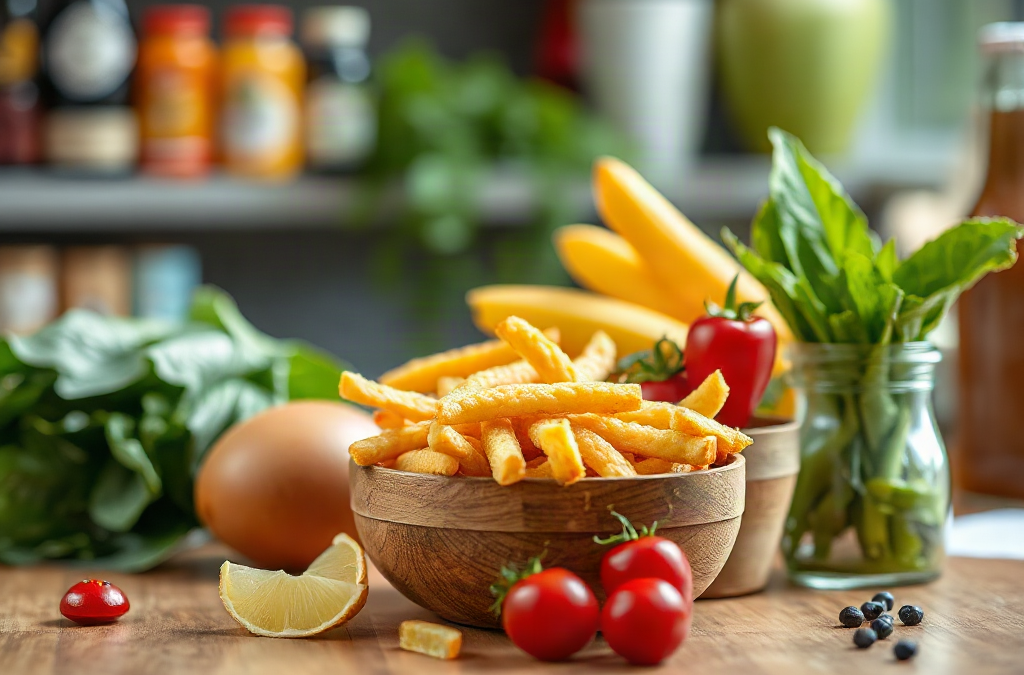
Reading natural flavors on organic food labels means recognizing that “natural” describes the flavor source, not necessarily the ingredient’s nutritional quality or the absence of processing. Check the organic certification statement, the ingredient order, added sugars, allergens, and whether the product’s flavoring is listed as a broad blend rather than a named ingredient.
Sep 6, 2026 | Food
Bioengineered food ingredients on labels identify foods that contain detectable genetic material changed through certain laboratory techniques, while the disclosure itself does not indicate whether a product is nutritious, safe, organic, or highly processed. The wording may appear as “bioengineered food,” a symbol, or an electronic or phone-based link, depending…
Sep 6, 2026 | Food
Organic food does not mean pesticide-free; it means production follows certified standards that restrict which pesticides and farming methods may be used. Organic growers can use certain naturally derived and approved synthetic substances when prevention, crop rotation, barriers, or other methods do not adequately control pests.