
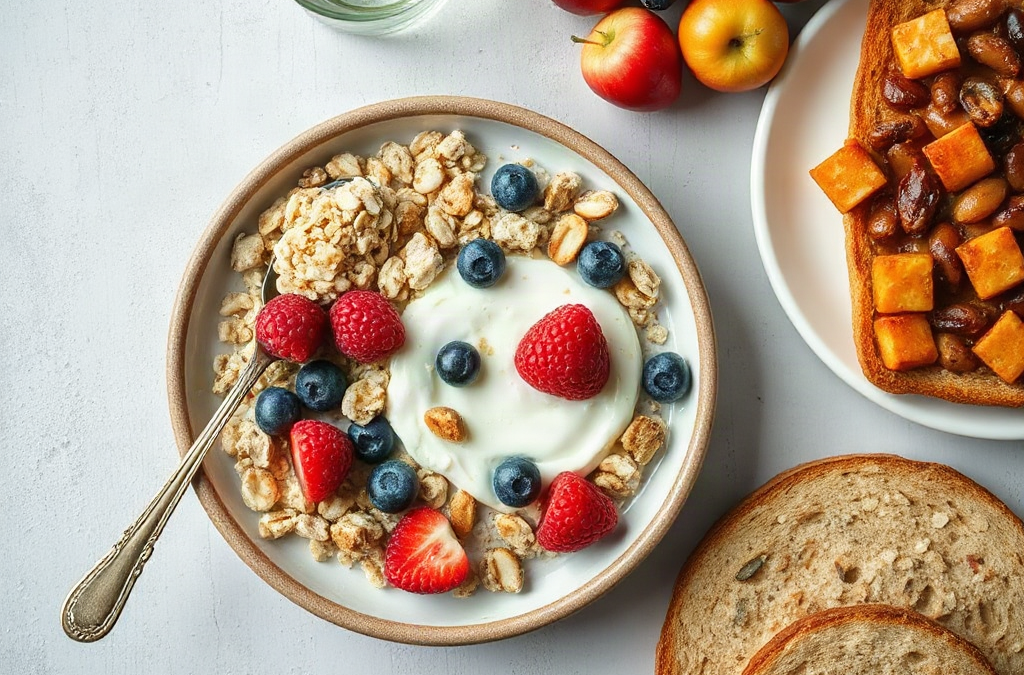
Organic breakfast options beyond sugary cereals include plain oats with berries and nuts, eggs with whole-grain toast, unsweetened yogurt with seeds, and bean or vegetable breakfast wraps. These choices pair carbohydrates with protein, fiber, or fat, which may provide steadier fullness than a sweetened cereal eaten alone. Choosing organic ingredients can reduce exposure to certain agricultural chemicals, but organic does not automatically mean low in sugar or highly nutritious. Check ingredient lists, compare added-sugar amounts, and build breakfast around minimally processed foods that fit your budget, appetite, dietary needs, and preparation time.
What Makes a Breakfast More Balanced?
A breakfast built beyond sugary cereal usually works best when it combines a fiber-rich carbohydrate with a protein source and, when suitable, unsaturated fat. That combination changes the meal’s structure: oats, fruit, or whole-grain bread provide carbohydrate; eggs, yogurt, tofu, beans, or nuts add protein; and seeds, nut butter, or avocado contribute fat and texture. The goal is not to eliminate carbohydrates or make every meal elaborate. It is to avoid relying on a sweetened grain product as the entire meal.
Sweetened cereal can be convenient, but a bowl may contain little protein and may be easy to eat quickly. Hunger returning soon afterward does not prove that cereal is harmful; it may simply reflect a small portion, low fiber, a sweetened formulation, or the absence of another substantial food. Plain shredded wheat, unsweetened whole-grain cereal, or organic oats can fit a nutritious breakfast when paired with milk or yogurt, fruit, and seeds.

Organic status answers a farming and production question, not every nutrition question. An organic granola can still contain considerable added sugar, while conventional eggs, beans, or frozen vegetables may be affordable foods that fit a balanced meal. Compare the full ingredient list and Nutrition Facts label rather than assuming that an organic front label guarantees a better breakfast.
A useful first test is whether the meal provides enough staying power for the next few hours. If plain toast leaves you hungry quickly, add an egg, cottage cheese, nut butter, or beans. If a large bowl of oats feels heavy, reduce the portion and add yogurt or fruit. Personal appetite, activity, allergies, medications, and dietary restrictions all affect what works.
Organic Breakfast Ideas for Different Mornings
Organic oats are one of the most adaptable alternatives to sugary cereal. Cook rolled or steel-cut oats with milk or a fortified plant beverage, then add cinnamon, berries, chopped walnuts, or pumpkin seeds. Dried fruit and flavored nut butters can raise sweetness quickly, so use them as accents rather than the main ingredient. Overnight oats save morning time, but refrigerated oats still need a protein addition if the base is mostly grain and fruit.
Eggs offer a fast savory option. Scrambled eggs with organic spinach and mushrooms can be served with whole-grain toast, or a hard-boiled egg can accompany fruit and plain yogurt. Eggs are not the only choice for a protein-centered breakfast: crumbled tofu, black beans, lentils, or a bean spread can work in a breakfast bowl or tortilla. People avoiding eggs may find a tofu-and-vegetable scramble more satisfying than simply replacing eggs with another refined carbohydrate.
Plain yogurt makes a useful base when its ingredient list is short and its sugar content is not driven by a sweetened fruit preparation. Add fresh or frozen berries, chia seeds, oats, and a small amount of chopped nuts. Kefir can be used similarly, although its thinner texture may suit a smoothie better than a bowl. A smoothie made from fruit juice, sweetened yogurt, and several dates can resemble a liquid dessert, so use whole fruit, plain yogurt or tofu, and water or an unsweetened beverage instead.
For a portable meal, prepare a whole-grain wrap with beans, avocado, salsa, and greens, or pack overnight oats in a jar. A breakfast sandwich with an egg, cheese, and whole-grain English muffin may be more practical than a recipe requiring several pans. Convenience is a legitimate nutrition consideration: a simple meal that gets eaten can be more useful than an idealized dish that is repeatedly skipped.
Try these combinations when you need a clear starting point:
- Plain oats, berries, pumpkin seeds, and milk or unsweetened fortified soy beverage.
- Egg, whole-grain toast, avocado, and sliced tomato.
- Plain Greek-style yogurt, pear, walnuts, and a spoonful of oats.
- Black bean and vegetable wrap with salsa.
- Cottage cheese, fruit, and whole-grain crackers for a no-cook meal.
How to Choose Packaged Organic Foods
Packaged organic products can support a realistic breakfast, especially when cooking time is limited, but they require the same label scrutiny as other foods. Granola, breakfast bars, instant oatmeal, frozen waffles, and flavored yogurt vary widely. Look first at serving size, added sugars, fiber, protein, and the ingredient order. A product marketed with oats, fruit, or honey may still be primarily a sweetened grain snack.
Granola illustrates the tradeoff clearly. It can provide oats, nuts, and seeds, yet oil, syrup, cane sugar, or concentrated sweeteners may make a small serving calorie-dense. Use it as a topping over plain yogurt rather than treating a large bowl of granola as the entire meal. With instant oatmeal, choose an unsweetened packet and add fruit, milk, or seeds yourself when possible. This approach gives you control over sweetness and portion size.
Frozen organic waffles can be useful for rushed mornings. Pair them with plain yogurt, nut butter, or an egg and fruit instead of relying on syrup alone. Whole-grain claims also deserve context: a product may contain whole grains while remaining low in protein and high in added sugar. Whole grains are valuable, but the whole meal matters more than a single front-of-package claim.
Organic packaged foods may cost more, and budget pressure should not force an all-or-nothing approach. Buy organic items selectively if that matches your priorities, then use inexpensive staples such as oats, dried beans, eggs, bananas, cabbage, frozen berries, and store-brand plain yogurt. Frozen produce can reduce waste and does not require washing or chopping every morning. The common mistake is paying a premium for a sweetened convenience product while overlooking less expensive whole foods that provide more meal flexibility.
Read labels in a consistent order: serving size first, added sugar next, then protein and fiber, followed by the ingredient list. No single number determines whether a food belongs in breakfast. A moderately sweetened product may fit alongside eggs and fruit, while a low-sugar food may be unsatisfying if the portion is tiny and the meal lacks protein.
A Practical Breakfast-Building Plan
A workable breakfast plan begins with the morning constraint, not with a complicated recipe. Decide whether you have five minutes, time to cook, or access only to a refrigerator. Then choose one item from each useful category: a carbohydrate source, a protein source, and a fruit or vegetable. Add fat when it improves flavor, texture, or fullness, but do not treat it as mandatory in every meal.
For a five-minute breakfast, combine plain yogurt with berries and seeds, spread nut butter on whole-grain toast and add a banana, or reheat a prepared egg-and-bean wrap. For a cooked breakfast, make a batch of oats or roasted vegetables and use them across several days. Food safety still matters: refrigerate perishable foods promptly, keep prepared meals cold, and follow package storage instructions. Organic food is not exempt from ordinary handling precautions.
Notice how your breakfast performs rather than chasing a perfect formula. Signs that the arrangement is working may include comfortable fullness until the next planned meal, enough energy for normal activities, and a preparation routine you can repeat. Signs that it needs adjustment include persistent hunger soon after eating, difficulty meeting dietary needs, digestive discomfort, or a breakfast so burdensome that it is routinely skipped. Increase or reduce portions gradually and change one component at a time so you can identify what helps.
People with diabetes, kidney disease, food allergies, gastrointestinal conditions, or medically prescribed diets may need individualized guidance. High-protein, high-fiber, or raw-food recommendations are not automatically appropriate for everyone. Children, athletes, older adults, and people with low appetite may also need different portion sizes and textures. A registered dietitian or clinician can help translate general breakfast ideas into a medically suitable plan.
Use this short planning checklist before shopping:
- Choose two reliable protein foods, such as eggs, plain yogurt, tofu, beans, or nuts.
- Choose two flexible carbohydrate bases, such as oats, whole-grain bread, or fruit.
- Add one quick vegetable or fruit option that will not spoil before you use it.
- Keep one no-cook and one freezer-friendly backup for rushed mornings.
- Check added sugar and serving sizes on granola, bars, waffles, and flavored dairy products.
For more ideas that fit a whole-food approach, compare these organic breakfast options beyond sugary cereals with the ingredients you already keep at home. A small rotation is usually easier to maintain than a different recipe every day.
For evidence-based nutrition information, consult USDA MyPlate guidance, the U.S. Food and Drug Administration’s Nutrition Facts resources, and dietary guidance from a qualified health professional. These sources can help you interpret food labels, portion context, and dietary needs without treating the organic label as a substitute for broader nutrition information.
Frequently Asked Questions
Are organic cereals healthier than conventional sugary cereals?
Not automatically. Compare added sugar, fiber, protein, ingredients, and serving size. Organic certification does not determine whether a cereal is highly sweetened.
What is a filling organic breakfast without eggs?
Try plain yogurt with oats, berries, and seeds; tofu with vegetables and toast; or a black bean and avocado wrap.
Can organic granola be part of a balanced breakfast?
Yes. Use a measured portion as a topping for plain yogurt or oats, and check its added sugar and serving size before making it the main food.
What should I eat when I have only five minutes?
Pair two ready foods, such as whole-grain toast with nut butter and fruit, or plain yogurt with berries and seeds.
Do I need to buy every breakfast ingredient organic?
No. Prioritize foods according to your budget and preferences. A balanced meal made from affordable conventional staples can be more practical than an expensive sweetened organic product.
Conclusion
Moving beyond sugary cereal does not require a strict menu or an entirely unprocessed kitchen. Build breakfast around a dependable combination of fiber-rich carbohydrates, protein, and foods you can prepare consistently. Oats, eggs, plain yogurt, beans, tofu, fruit, vegetables, and whole-grain bread offer enough variety for cooked, portable, and no-cook meals. Treat organic certification as one purchasing factor rather than a guarantee of low sugar or superior nutrition. Compare labels on granola, bars, waffles, and flavored yogurt, and keep an inexpensive backup for rushed mornings. Start with two or three combinations, observe hunger and practicality, then adjust portions or ingredients to suit your needs. Medical diets and significant food restrictions deserve individualized advice rather than a generic breakfast formula.
Huge Discount on the Best Certified Organic Nutrient Dense Supplement!

Additional Resources
Authoritative Sources
- Healthy breakfast ideas to support energy and metabolism
health.harvard.eduGood sources include eggs, Greek yogurt, cottage cheese, nuts, beans, and tofu. Think whole-grain bread and cereals, oats, brown rice, or sweet ...