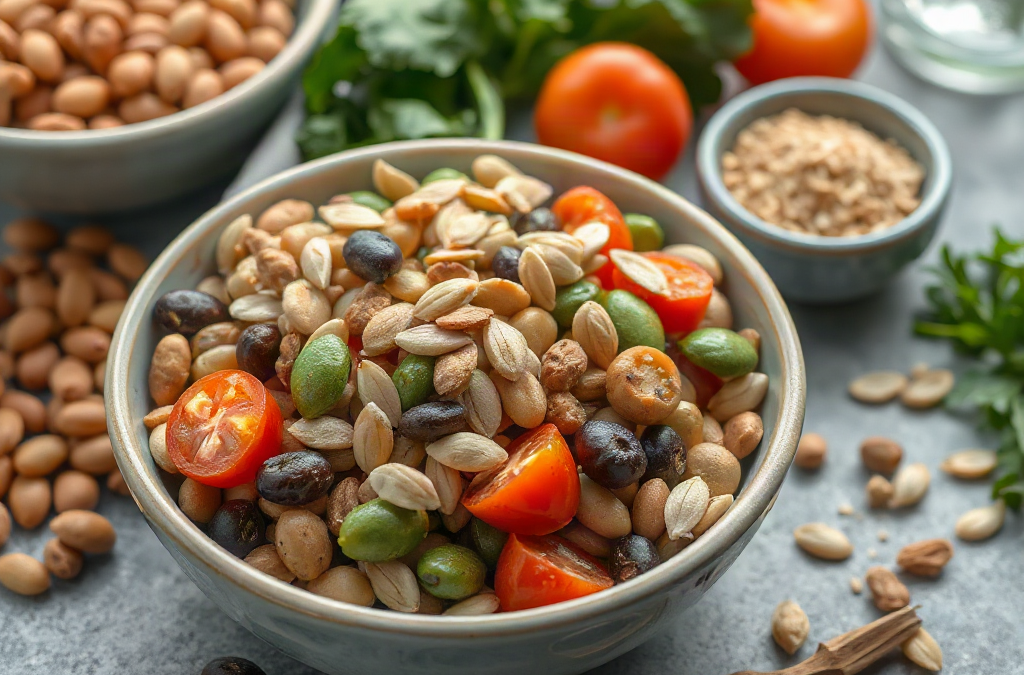
Organic foods that support iron absorption at meals include beans, lentils, tofu, leafy greens, pumpkin seeds, and iron-fortified grains paired with vitamin C sources such as peppers, citrus, tomatoes, kiwi, or broccoli. Vitamin C can improve absorption of nonheme iron, while tea, coffee, and large amounts of calcium consumed with the same meal may reduce it. Soaking, sprouting, or thoroughly cooking legumes and grains may also reduce phytate effects. Build meals around an iron-containing food plus a produce-based vitamin C source, then place coffee, tea, or calcium-rich foods at a different time when practical. These choices support nutrition but do not diagnose or treat iron deficiency.
How Iron Absorption Works at a Meal
Iron absorption depends on the type of iron in the food, the rest of the meal, and a person’s nutritional status. Heme iron comes from animal foods and is generally absorbed more efficiently, while nonheme iron comes from plants and fortified products. Organic plant foods can supply useful nonheme iron, but pairing and preparation matter because the body absorbs only part of the iron eaten.
Vitamin C is the most practical meal-level enhancer for plant-based iron. It can help convert iron into a form that is easier for the digestive tract to absorb. A bowl of lentils with roasted red peppers, tomatoes, or a squeeze of lemon is therefore a more absorption-conscious combination than lentils served alone. The same principle applies to tofu with broccoli, chickpeas with cabbage slaw, or pumpkin seeds sprinkled over a tomato-based grain bowl.
Food labels and farming methods should not be confused with absorption physiology. Organic certification may reflect how a food was produced, but it does not automatically make its iron more absorbable. An organic white bean and a conventionally grown white bean still contain iron that is affected by vitamin C, phytates, calcium, and beverage choices. For related meal-planning context, see Organic foods that support iron absorption at meals.
Individual needs also change the decision. Someone eating a varied diet may only need sensible combinations, whereas a person with confirmed iron deficiency may need medical evaluation and a treatment plan. A meal can support iron intake without correcting a deficiency caused by blood loss, poor absorption, pregnancy-related needs, or another health condition.
Organic Foods That Make Plant Iron More Available
Beans, lentils, peas, tofu, tempeh, pumpkin seeds, sesame seeds, cashews, oats, quinoa, and dark leafy greens are useful plant-based sources to rotate through meals. Iron content varies by product and serving size, so the goal is not to find one superior food. A varied pattern makes it easier to obtain iron while also supplying protein, fiber, folate, magnesium, and other nutrients.
Vitamin C-rich produce should sit beside the iron source rather than being treated as an unrelated snack hours later. Organic bell peppers, citrus, strawberries, kiwi, tomatoes, Brussels sprouts, broccoli, and cabbage can all provide practical options. For example, a lentil taco bowl with red pepper salsa creates a stronger pairing than a lentil dish accompanied by tea. A tofu stir-fry with broccoli and tomato is another useful combination, although prolonged high-heat cooking can reduce some vitamin C, making lightly cooked or fresh produce a reasonable addition.
Acidity can improve the culinary practicality of these pairings. Lemon juice, lime juice, vinegar-based dressings, and tomato sauces add flavor while bringing an acidic component to the plate. They are not magic ingredients, and adding a small amount of lemon to a meal does not guarantee a clinically meaningful change, but they can make plant foods easier to combine consistently.
Some foods contain compounds that may limit nonheme iron absorption. Phytates occur naturally in legumes, grains, nuts, and seeds; they are not harmful ingredients to eliminate, but they can bind minerals in the digestive tract. Tea and coffee contain polyphenols that may interfere when consumed with an iron-focused meal. Calcium may also compete with iron under some meal conditions. The practical response is balance, not avoidance. Removing beans, whole grains, or seeds would discard valuable nutrition simply because they contain phytates.
- Strong pairing: chickpeas with tomato, lemon, and chopped peppers.
- Useful alternative: oatmeal with pumpkin seeds and sliced kiwi.
- Less favorable timing: an iron-rich bean meal followed immediately by black tea or coffee.
The most useful priority is an iron-containing food plus a vitamin C-rich fruit or vegetable at the same meal. Organic purchasing can fit that plan, but freshness, affordability, availability, and overall dietary variety matter more than assuming the organic label changes absorption.
Meal Pairings, Preparation, and Timing
Preparation can influence how much of a plant food’s iron is available. Soaking beans and grains, discarding soak water, thoroughly cooking legumes, and using sprouted or fermented products may reduce some phytate activity. These methods also improve texture, digestibility, or flavor. They do not remove all phytates, and they should be viewed as useful kitchen techniques rather than guaranteed absorption treatments.
A practical plate might include cooked lentils, quinoa, sautéed kale, and a fresh orange-and-pepper salad. Another could combine tempeh, brown rice, steamed broccoli, and a tomato dressing. The first meal uses citrus and peppers to add vitamin C; the second relies on broccoli and tomato while using a fermented soy food. Either can be adjusted according to budget, cooking time, and tolerance. Canned beans are also a reasonable convenience option when rinsed and incorporated into a vitamin C-rich meal.
Timing matters most for beverages and supplements. If coffee or tea is a daily habit, drinking it between meals rather than alongside a bean, lentil, or fortified-grain meal may be a sensible adjustment. People taking prescribed iron should follow the instructions from their clinician or pharmacist because supplement timing can involve calcium, medications, digestive side effects, and the specific iron product. Food timing advice should not override individualized medical directions.
Use this simple sequence when assembling a meal:
- Choose one substantial iron source, such as lentils, tofu, beans, fortified cereal, or pumpkin seeds.
- Add a vitamin C-rich produce item, preferably one that remains appealing after preparation.
- Use soaking, sprouting, fermentation, or thorough cooking when convenient, especially for legumes and grains.
- Move tea, coffee, and calcium-heavy drinks away from the meal when doing so is practical.
- Repeat the pattern across different meals instead of relying on a single “iron superfood.”
The common failure is making a meal technically rich in iron but difficult to repeat. A complicated recipe that is rarely prepared has less value than canned lentils with tomato, peppers, and a simple dressing. Another mistake is overcooking every vegetable in the belief that softer food is always better; some vitamin C is sensitive to heat, so adding raw fruit, a fresh garnish, or lightly cooked vegetables can preserve a useful source.
Mistakes, Limits, and When to Seek Advice
Pairing foods can support iron absorption, but it cannot guarantee that the body will meet its needs. Iron status is affected by total intake, absorption conditions, ongoing losses, inflammation, gastrointestinal disorders, medications, and life stage. Persistent fatigue, shortness of breath, dizziness, unusual weakness, or other symptoms should not be attributed to diet alone. Laboratory testing and professional assessment are appropriate when deficiency is suspected.
A frequent misconception is that organic produce, organic grains, or organic supplements automatically contain more usable iron. Organic status describes production standards, not a universal increase in iron content or absorption. Another weak assumption is that spinach alone solves an iron concern. Spinach contains iron, but its oxalates can limit availability; rotating legumes, tofu, seeds, fortified foods, and other greens creates a more dependable dietary pattern.
Calcium deserves a measured approach. Yogurt, cheese, and calcium-fortified beverages provide valuable nutrients, and avoiding them broadly is not justified. If a person is deliberately emphasizing iron absorption, placing a calcium-rich drink at another meal may be a reasonable experiment, especially when the iron meal is mostly plant-based. The same principle applies to tea and coffee: separating them is an option, not a reason to abandon a preferred beverage.
People with diagnosed anemia, heavy menstrual bleeding, digestive disease, a history of bariatric surgery, pregnancy-related nutrition needs, or a prescribed iron regimen should obtain tailored advice. Iron supplements can cause constipation, nausea, or other effects, and taking more is not automatically safer. Food strategies are best treated as supportive habits alongside appropriate evaluation, not as a replacement for treatment.
Signs that a meal pattern is working include consistent inclusion of iron sources, more frequent vitamin C pairings, and a realistic routine that does not eliminate nutritious foods. Signs that the approach needs review include worsening symptoms, inability to tolerate foods, reliance on one ingredient, or continued concern despite sustained dietary changes. Adjust the pattern first for convenience and variety, then seek professional guidance when the issue appears medical rather than purely culinary. More ideas can be found through Organic foods that support iron absorption at meals.
For reliable follow-up, consult iron and nutrient information from the National Institutes of Health Office of Dietary Supplements, the USDA FoodData Central database, and a registered dietitian or clinician when symptoms or diagnosed deficiency are involved. These sources can help distinguish food composition from individualized medical advice.
Frequently Asked Questions
Which organic foods are highest in plant-based iron?
Lentils, beans, tofu, tempeh, pumpkin seeds, sesame seeds, quinoa, oats, and iron-fortified cereals are practical choices. Amounts vary by product and serving size.
What should I eat with lentils to improve iron absorption?
Add vitamin C-rich foods such as bell peppers, tomatoes, citrus, kiwi, broccoli, or cabbage. Lemon or lime dressing can make the pairing simple.
Should tea and coffee be avoided with an iron-rich meal?
They do not need to be eliminated, but polyphenols may reduce nonheme iron absorption when consumed with the meal. Drinking them between meals may be a practical alternative.
Does buying organic make iron easier to absorb?
No. Organic production does not automatically change iron’s absorption. Meal composition, preparation, beverage timing, and individual health factors are more relevant.
Can food pairings treat iron-deficiency anemia?
Food choices may support iron intake, but they should not be assumed to treat anemia. Confirmed deficiency requires assessment and, when appropriate, a clinician-directed plan.
Conclusion
A useful iron-focused meal combines a dependable source of nonheme iron with vitamin C-rich produce and avoids placing tea, coffee, or calcium-heavy drinks alongside it when separation is practical. Lentils with peppers and tomatoes, tofu with broccoli, and pumpkin seeds with fruit are simple examples that fit different eating patterns. Soaking, sprouting, fermenting, and cooking legumes or grains may further improve the meal’s overall usability, but none guarantees adequate iron status. Choose combinations you can repeat, rotate sources rather than relying on one “superfood,” and preserve variety instead of eliminating nutritious staples. If symptoms persist or deficiency is confirmed, treat the diet as supportive—not as a substitute for testing and individualized medical care.
Huge Discount on the Best Certified Organic Nutrient Dense Supplement!