
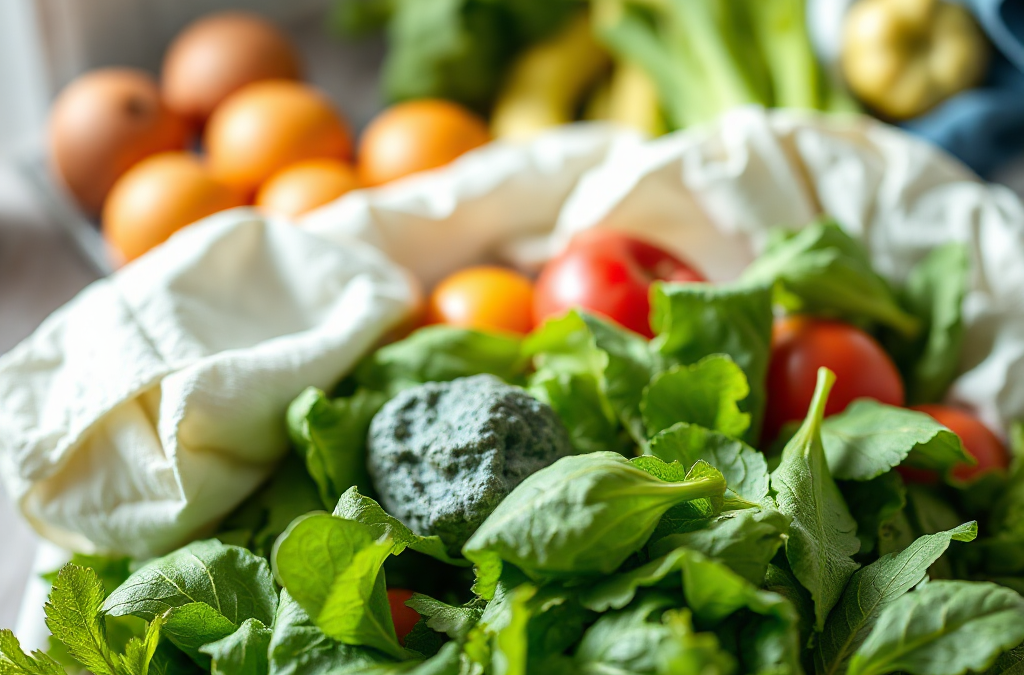
The role of organic foods in managing diabetes is mainly indirect: organic certification may reduce exposure to certain agricultural chemicals, but blood glucose is influenced more by carbohydrate amount, fiber, portion size, and overall meal composition. Choosing organic vegetables, beans, intact whole grains, nuts, and minimally processed foods can support a higher-fiber eating pattern, while organic cookies, juices, sweetened cereals, and refined snacks can raise glucose just as their conventional equivalents do. Organic labels do not indicate low sugar or a diabetes treatment. Compare nutrition panels, pair carbohydrate foods with protein or unsaturated fat, monitor individual glucose responses, and discuss medication or diet changes with a qualified clinician.
What Organic Certification Does—and Does Not—Tell You
Organic certification describes how an agricultural product was produced and handled; it does not describe its carbohydrate content or guarantee a particular effect on blood glucose. For diabetes management, that distinction prevents a costly mistake: treating the organic label as a substitute for reading the Nutrition Facts panel. An organic apple still contains carbohydrate, and an organic sweetened granola may produce a larger glucose rise than a conventional serving of plain oats.
The possible value of organic eating is more indirect. A person who shops mostly for organic produce, legumes, nuts, seeds, and minimally processed staples may end up eating fewer refined snacks and more fiber-rich foods. Fiber can slow digestion and contribute to fullness, although the glucose response still depends on the food, portion, preparation, and the individual. Research on organic diets and diabetes outcomes does not establish that organic certification itself treats, reverses, or prevents diabetes.

Organic and conventional versions of the same whole food often have similar practical roles in a diabetes-friendly meal. If the organic option is unaffordable, conventionally grown frozen spinach, lentils, or plain oats may be a better everyday choice than skipping those foods or buying a highly processed organic alternative. Washing fresh produce under running water remains sensible for either label, and organic status does not remove all food-safety risks.
A useful way to interpret the role of organic foods in managing diabetes is to separate three questions: what the food contains, how it was produced, and how it fits the person’s treatment plan. The first question usually has the greatest immediate effect on glucose. The second may matter for personal environmental or exposure preferences. The third becomes especially important for people using insulin or medicines that can cause low blood sugar.
Choosing Foods That Support More Predictable Glucose
Food quality matters most when it changes the meal’s fiber, carbohydrate, and processing pattern. Nonstarchy vegetables such as broccoli, peppers, leafy greens, mushrooms, and cauliflower contribute volume and nutrients with relatively little carbohydrate per typical serving. Beans and lentils provide carbohydrate alongside fiber and plant protein, which often makes them more filling than refined starches. Nuts, seeds, plain yogurt, tofu, eggs, and fish can add protein or unsaturated fat without relying on sugary sauces.
Whole-food examples are more useful than a simple organic-versus-conventional comparison. A bowl containing organic steel-cut oats, berries, chia seeds, and unsweetened yogurt has a different glucose profile from organic instant oats topped with honey. Both may carry an organic label, but milling, added sugar, serving size, and the presence of protein and fiber change the practical result. Likewise, organic brown rice is still a carbohydrate food; pairing a modest portion with tofu and roasted vegetables may be more predictable than eating a large bowl by itself.
Check the label in a consistent order. Look at total carbohydrate, fiber, added sugars, serving size, and ingredients. Do not subtract all carbohydrate simply because a package emphasizes whole grains, natural sweeteners, or organic ingredients. Products marketed as organic crackers, bars, chips, and desserts can remain calorie-dense and low in fiber. “Natural” sweetness from dates, maple syrup, or fruit concentrate still contributes carbohydrate.
Prioritize foods according to use rather than marketing:
- Most useful for routine meals: vegetables, beans, intact grains, unsweetened dairy or alternatives, and minimally processed proteins.
- Useful in measured portions: fruit, potatoes, corn, whole-grain bread, and rice, especially when paired with protein and vegetables.
- Least informative as an organic purchase: sweet drinks, pastries, candy, and refined snack foods, because certification does not change their main glucose-driving ingredients.
The common failure is assuming that a wholesome ingredient can be eaten without portion awareness. A large serving of organic trail mix, dried fruit, or granola may contain considerably more carbohydrate than a person expects. The better approach is to compare the actual serving with the amount eaten and adjust based on glucose records and advice from the care team.
Building Organic Meals Without Misjudging Carbohydrates
A balanced plate provides a practical structure for using organic ingredients without making the label the center of the decision. Fill about half the plate with nonstarchy vegetables, include a source of protein, and reserve the remaining space for a measured carbohydrate food. The exact portions should reflect personal energy needs, medication, activity, cultural eating patterns, and clinical guidance rather than a universal formula.
Consider an evening meal of organic roasted vegetables, grilled salmon or marinated tofu, and a small serving of quinoa or beans. The vegetables supply bulk and fiber, the protein can improve satisfaction, and the carbohydrate portion remains visible rather than being hidden in a large mixed dish. A different person might use a corn tortilla, black beans, cabbage, and avocado. The meal does not need to be entirely organic to retain this structure.
Preparation can change the eating experience and the amount consumed. A whole orange is usually easier to portion than orange juice, even when both are organic. A baked potato with its skin and a protein-rich topping is different from a large serving of mashed potatoes with added fat. Cooking does not automatically make a food unsuitable, but blending, juicing, drying, and adding sweeteners can make carbohydrate easier to consume quickly.
Timing also deserves attention. Some people see a larger rise after breakfast, while others respond differently depending on sleep, activity, stress, or medication timing. A meal that seems acceptable one day may produce a different reading after a sedentary morning or a larger portion. If glucose monitoring is part of the person’s plan, recording the food, approximate portion, and timing can reveal patterns more reliably than guessing from the organic label.
Do not make abrupt medication changes because a new eating pattern appears to be working. Reduced intake, delayed meals, or increased activity can alter glucose levels, particularly for people using insulin or certain glucose-lowering medicines. A clinician or registered dietitian can help translate meal observations into safe adjustments.
Budget, Food Safety, and Medication Considerations
Cost is a genuine constraint, and an all-or-nothing approach can weaken diabetes management. Organic fresh berries, specialty packaged foods, or organic meat may cost more, while frozen vegetables, dried beans, canned fish, plain oats, and store-brand staples may provide stronger nutritional value per dollar. Conventional produce can be a reasonable choice when it allows a person to buy more vegetables and legumes consistently.
A selective purchasing strategy often works better than replacing every item. Spend extra when a specific production practice matters personally, then protect the meal pattern by choosing affordable conventional versions of other whole foods. Compare unit prices, choose seasonal produce, and inspect canned foods for added sugars or high sodium when those nutrients are relevant to the person’s health plan. Frozen vegetables without sauces can reduce waste and may be easier to keep available than delicate fresh produce.
Organic certification does not mean pesticide-free, germ-free, or nutritionally complete. Rinse produce, keep raw meat separate, refrigerate perishable foods promptly, and cook foods according to safe handling guidance. Washing leafy greens does not make a sugary dressing appropriate for unlimited use, just as buying organic chicken does not replace attention to portion or cooking method.
Medical context changes the risk calculation. People with diabetes who also have kidney disease, heart disease, food allergies, digestive disorders, pregnancy-related needs, or a history of low glucose may need more individualized advice. A high-fiber change can also affect digestion, and a sudden reduction in carbohydrate may not fit every medication plan. Seek professional guidance before making major dietary changes, especially if readings are repeatedly very high or low.
The weak assumption to avoid is that “organic” means safer for every individual. Safety may involve allergens, foodborne illness, nutrient balance, medication interactions, and glucose variability—not only agricultural production. A modestly priced meal with a measured carbohydrate portion may be a more useful choice than an expensive organic product that displaces protein, vegetables, or needed medical supplies.
A Practical Way to Test What Works
Personal glucose records can show whether an organic meal pattern is useful for a particular person, but they cannot prove that certification caused the result. Begin with a meal that has a repeatable portion: for example, lentils with organic greens and a small serving of brown rice, or plain oats with walnuts and berries. Keep the recipe and portion similar on more than one occasion when practical, then follow the monitoring schedule already provided by the healthcare team.
Record the details that explain variation: the type and amount of carbohydrate, protein, fiber-rich foods, activity, sleep, stress, and medication timing. Compare the response with a similar meal rather than with an unrelated restaurant meal. If a packaged organic item produces an unexpected rise, inspect the serving size and added sugars before blaming the organic ingredient. If a meal causes low glucose, do not simply add more carbohydrate without considering medication and timing.
Signs that the approach is useful include meals that are satisfying, affordable enough to repeat, nutritionally varied, and compatible with the person’s glucose targets. Signs that it needs revision include frequent hunger, rising readings, unexplained lows, excessive restriction, food waste, or reliance on expensive packaged products. The goal is not to prove that organic food is superior; it is to identify a sustainable pattern that supports the person’s clinical plan.
Use this short decision sequence when shopping:
- Identify the main carbohydrate and estimate the portion.
- Add nonstarchy vegetables and a suitable protein source.
- Compare fiber, added sugar, sodium, and price on packaged options.
- Choose organic selectively if it fits the budget and personal priorities.
- Review glucose patterns with a qualified professional before changing treatment.
That process keeps the label in its proper place: a production choice within a broader nutrition and care decision. For additional context, readers can use the role of organic foods in managing diabetes as a starting point, then verify personal targets with their diabetes care team.
For individualized targets and medication-related decisions, consult a qualified diabetes clinician or registered dietitian. Official nutrition and diabetes organizations can provide current guidance on carbohydrate awareness, food safety, and meal planning; organic certification information is best checked through the relevant government agriculture authority.
Frequently Asked Questions
Can organic foods lower blood sugar?
Organic certification alone has not been shown to lower blood sugar. Glucose response depends more on carbohydrate amount, fiber, portion size, preparation, activity, and medication.
Are organic fruits better for people with diabetes?
Organic and conventional fruit both provide carbohydrate and fiber. Choose the version that is affordable and available, then use a portion that fits the person's meal plan.
Which organic foods are most useful in a diabetes-friendly diet?
Nonstarchy vegetables, beans, lentils, intact whole grains, nuts, seeds, and unsweetened protein foods are practical choices because they can add fiber, protein, or volume without relying on added sugar.
Can organic processed foods still raise glucose?
Yes. Organic juice, desserts, cereal, crackers, and snack bars can contain substantial carbohydrate or added sugar. Read the serving size, total carbohydrate, fiber, and added sugars.
Should someone with diabetes switch to organic food before changing anything else?
Usually, meal composition, portions, medication safety, and affordability deserve priority. A selective organic approach may be reasonable, but major dietary or medication changes should be discussed with a healthcare professional.
Conclusion
Organic foods can fit a diabetes-supportive eating pattern, but the certification label is not the main glucose-management tool. Give priority to measurable factors: carbohydrate portions, fiber-rich ingredients, adequate protein, limited added sugar, and meals that can be repeated within the household budget. Organic vegetables, beans, oats, nuts, and minimally processed foods may be worthwhile choices when they support those goals; organic sweets and refined snacks still require the same restraint as conventional versions. Track patterns rather than judging a single meal, and consider sleep, activity, stress, and medication timing when readings change. Anyone using insulin or medicines that may cause hypoglycemia should obtain professional advice before sharply reducing carbohydrate or changing meal timing.
Huge Discount on the Best Certified Organic Nutrient Dense Supplement!

Further Reading
Authoritative Sources
- Diabetes diet: Create your healthy-eating plan
mayoclinic.orgLearn more about a healthy-eating plan that can help control blood sugar. Check out meal-planning methods and what foods to choose.
- The Role of Diet and Nutrition in Managing Diabetes
wakeresearch.comIncorporating low-GI foods, such as whole grains, legumes, non-starchy vegetables, and certain fruits, can help manage blood sugar levels more ...
- Food For Thought: Eating Organic Reduces Risk of Type 2 ...
beyondpesticides.orgIn fact, for every 5% increase in the proportion of organic foods in one's diet, risk of type 2 diabetes decreased by 3%. When comparing the ...
- Inverse Association between Organic Food Purchase and ...
pmc.ncbi.nlm.nih.govIndividuals who reported purchasing organic foods were less likely to have diabetes compared to those who did not report organic food purchase.